10 Reasons Why Manual Juicers Remain A Practical Choice For Everyday Kitchens
Manual juicers may seem old-school, but they remain practical, affordable and reliable for everyday use. From saving electricity to better control over freshness, here's why this simple tool still earns its place in modern kitchens - explore all about manual juicers and their key benefits.
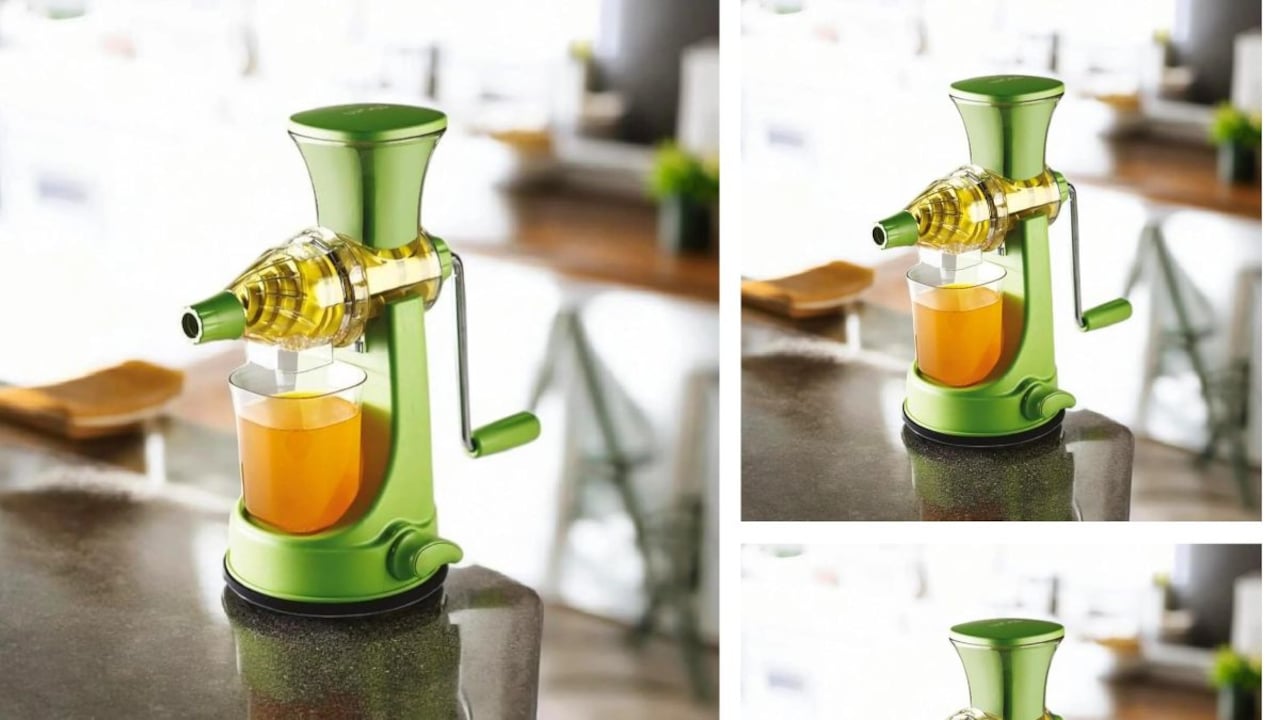
Top 10 Reasons Manual Juicers Still Make Sense For Daily Use In A Modern Kitchen.
Morning routines often begin with noise, alarms, traffic, phone notifications and whirring appliances. Amid all this, the quiet act of squeezing fresh juice by hand feels grounding. Manual juicers, once a staple appliance in every kitchen, now compete with flashy electric models that promise speed and convenience. Yet many households continue to reach for the hand-operated version without a second thought. Manual juicers offer practicality, control and simplicity that modern machines often overlook. They suit small kitchens, tight budgets and mindful living. From extracting juice from sweet mosambi on a summer morning to pressing pomegranate seeds for an evening glass, these kitchen appliances remain dependable companions.

Read about what makes manual juicers relevant in 2025: Photo Credit: Amazon
This evergreen relevance deserves attention. Below are 10 compelling reasons why manual juicers still make perfect sense for daily use, especially in homes that value freshness, simplicity and smart spending.
Also Read: Upgrade Your Kitchen: Top 5 Juicer Mixer Grinders In India 2025
What Makes Manual Juicers Relevant Even Today
1. Zero Electricity, Zero Worry
Manual juicers work anytime, anywhere. No plug points. No power cuts ruining breakfast plans. In many homes, the electricity supply still fluctuates, especially during peak summers or monsoon storms. A manual juicer ignores all that drama and simply gets to work.
This independence brings peace of mind. Early mornings no longer involve checking sockets or untangling cords. A quick rinse of fruit, a firm press and fresh juice flows freely. Even outdoor spaces like balconies or terraces turn into juice corners without needing extensions.
Energy savings also add up quietly. An electric juicer may seem efficient, but daily use increases power consumption over months. Manual juicers cost nothing to run after purchase. In a time when every unit saved matters, this small habit feels meaningful.
Beyond practicality, there's something satisfying about relying on muscle rather than machines. It slows the pace just enough to enjoy the process, not just the result.
2. Affordable Without Cutting Corners
Manual juicers suit nearly every budget. Prices often range between ₹300 and ₹1,200, depending on material and design. Electric juicers, on the other hand, start much higher and climb quickly with added features.
For students, young professionals or families setting up new homes, this affordability matters. The lower cost does not mean lower value. Many manual juicers last for years with minimal care. Stainless steel or heavy-duty plastic versions withstand daily use without complaint.
Repairs also rarely enter the conversation. No motors burn out. No circuits fail. Even if a part wears down, replacements cost little. That reliability offers comfort in households where appliances must justify every rupee spent.
This balance between price and performance keeps manual juicers relevant. They deliver fresh juice without demanding financial commitment or ongoing maintenance costs.
3. Compact Size for Real Kitchens
Kitchen space often feels like premium real estate. Countertops host spice boxes, mixers, chopping boards and sometimes unfinished grocery bags. Bulky appliances struggle to find permanent homes.
Manual juicers slip easily into drawers or small shelves. Their lightweight design allows quick storage after use. Even the tiniest kitchen manages to accommodate one without rearranging everything else.
This compact nature encourages regular use. When an appliance sits within reach, habits form naturally. Fresh juice becomes part of daily life rather than a weekend luxury pulled out only for guests.
Portability adds another layer of convenience. Manual juicers travel well. They fit into travel bags for long stays or family visits. Fresh juice on vacation suddenly feels possible, without hunting for expensive cafés.
4. Better Control Over Juice Quality
Manual juicing offers complete control. Pressure adjusts instantly based on fruit texture. Seeds stay out. Pulp levels remain customisable. Electric juicers often process everything at one speed, sometimes crushing seeds and affecting taste.
Citrus fruits like oranges and lemons benefit greatly from hand pressure. Gentle squeezing avoids bitterness that machines sometimes introduce. Pomegranate seeds release juice cleanly without turning cloudy.
This control suits health-conscious households. Sugar levels, fibre content and freshness stay transparent. Nothing hides behind filters or blades. The juice tastes exactly as intended.
Children often notice the difference too. Freshly pressed juice tastes brighter and cleaner. Once that flavour becomes familiar, packaged alternatives lose appeal quickly.
5. Easy Cleaning Saves Time
Cleaning determines how often appliances get used. Complicated parts discourage daily habits. Electric juicers usually involve multiple components, tiny crevices and careful drying.
Manual juicers keep things simple. Most designs include two or three parts that rinse clean under running water. No scrubbing. No instruction manuals needed.
This ease suits busy mornings. A quick wash takes less time than waiting for an electric motor to cool down. Hygiene also improves when cleaning happens immediately.
Less cleaning also means fewer excuses. Even after a long day, squeezing a quick lime feels manageable when cleanup takes seconds. That simplicity keeps healthy routines alive.

Manual juicers take less time and energy to clean thoroughly; Photo Credit: Amazon
6. Quiet Mornings and Calm Evenings
Noise levels matter more than often realised. Electric juicers disrupt peaceful mornings and late evenings. Their buzzing motors wake sleeping family members and break quiet moments.
Manual juicers operate silently. Only the soft sound of fruit being pressed fills the air. Early risers enjoy juice without disturbing anyone. Late-night cravings for fresh lemon water meet no resistance.
This quiet nature suits apartment living particularly well. Thin walls amplify appliance noise. A silent tool respects shared spaces and neighbours.
Calm routines support mental well-being too. The rhythmic action of pressing fruit feels meditative. It offers a brief pause before the day begins or ends.
7. Encourages Mindful Eating Habits
Manual juicing slows the process just enough to encourage awareness. Each press requires intention. This mindfulness often extends to ingredient choices and portion sizes.
When effort enters the equation, waste reduces naturally. Fruits get used thoughtfully. Juice quantities remain reasonable. Overconsumption rarely happens.
Children also learn valuable lessons. Watching juice extracted by hand teaches where food comes from. It builds appreciation for natural flavours over sugary alternatives.
Mindful habits shape long-term health. Manual juicers quietly support this shift without preaching or rules.
8. Durable and Long-Lasting
Manual juicers age gracefully. With no electronics, their lifespan depends mainly on material quality. Stainless steel models often last decades. Even plastic versions hold up well with basic care.
Drops or bumps rarely cause damage. Travel mishaps do little harm. This resilience contrasts sharply with fragile electric appliances.
Long life reduces replacement costs and waste. One purchase serves years of daily use. That reliability builds trust in the tool.
Households often pass manual juicers down generations. Familiar designs evoke comfort and continuity. This emotional durability adds value beyond function.
9. Perfect for Local Fruits and Needs
Local fruit varieties often suit manual juicing better. Mosambi, oranges, lemons and pomegranates respond beautifully to hand pressure. No need for specialised attachments or settings.
Seasonal fruits shine when freshly pressed. Summer watermelons, winter oranges and year-round lemons all fit manual designs easily.
Electric juicers sometimes struggle with softer fruits or small batches. Manual juicers handle both effortlessly. One lemon or a bowlful of oranges receives equal treatment.
This versatility aligns with everyday cooking habits. Fresh juice becomes an easy companion to meals rather than a planned event.
10. Simple Tools Foster Sustainable Living
Sustainability starts with small choices. Manual juicers contribute quietly by consuming no power, lasting long and creating minimal waste.
Fewer electronics mean fewer resources extracted. No batteries end up discarded. Repairs remain simple.
This low-impact approach suits households aiming to reduce their footprint without drastic lifestyle changes. Every small step matters.
Manual juicers remind users that progress does not always mean complexity. Sometimes, the simplest tools offer the smartest solutions.
Products Related To This Article
1. BTC INDIA HPJ Aluminum Hand Press Juicer
2. CHEFWARE Aluminum Instant Hand Press Citrus Fruits and Vegetable Juicer
3. Hand Press Juicer Heavy Duty Stainless Steel Citrus Manual Juicer
4. Aluminium Hand Press Citrus Fruit Juicer
5. Kalsi Hand Operated Juicer Machine
Manual juicers continue to thrive because they solve everyday needs with grace and simplicity. They respect budgets, space, time and peace. They encourage mindful habits and deliver fresh juice without fuss. For daily use, manual juicers still make complete sense. Their quiet reliability earns a permanent place in kitchens that value freshness, simplicity and thoughtful living.
(Disclaimer: This article may include references to or features of products and services made available through affiliate marketing campaigns. NDTV Convergence Limited (“NDTV”) strives to maintain editorial independence while participating in such campaigns. NDTV does not assume responsibility for the performance or claims of any featured products or services.)