Why Air Fryers Make Homemade Pakoras Dry And How To Fix It
Air-fried pakoras often turn out dry instead of crisp and flavourful. Here's why it happens and the simple cooking tweaks that can help you achieve better texture every time.
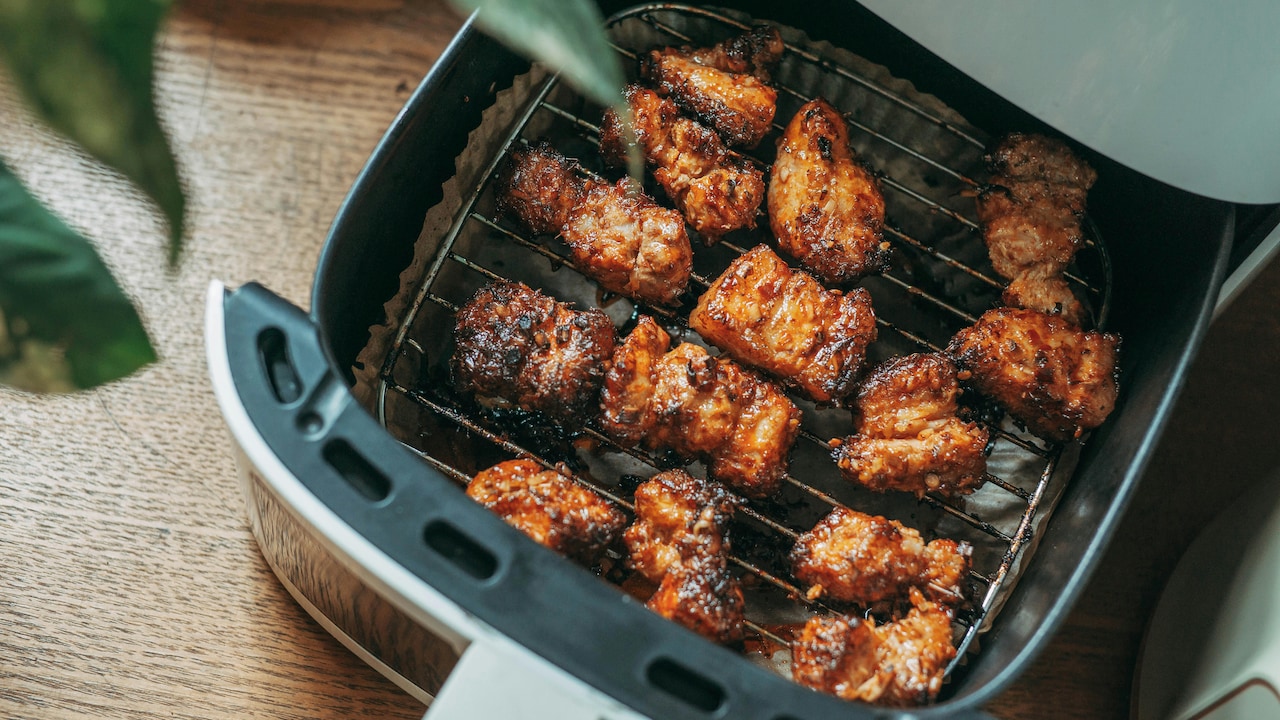
Easy ways to fix pakoras turning dry in air fryers
Few things rival the joy of biting into a hot pakora on a rainy evening. The crackle of the crisp coating, the soft vegetables inside, and a steaming cup of tea create a combination that feels almost ceremonial. With air fryers becoming a common sight in modern kitchens, many households have started recreating favourite snacks with less oil and less mess. Yet a familiar complaint keeps popping up. Instead of crunchy, fluffy pakoras, the result often resembles something closer to a dry fritter. The outside turns hard, the inside lacks moisture, and the comforting texture that makes pakoras irresistible seems to disappear.
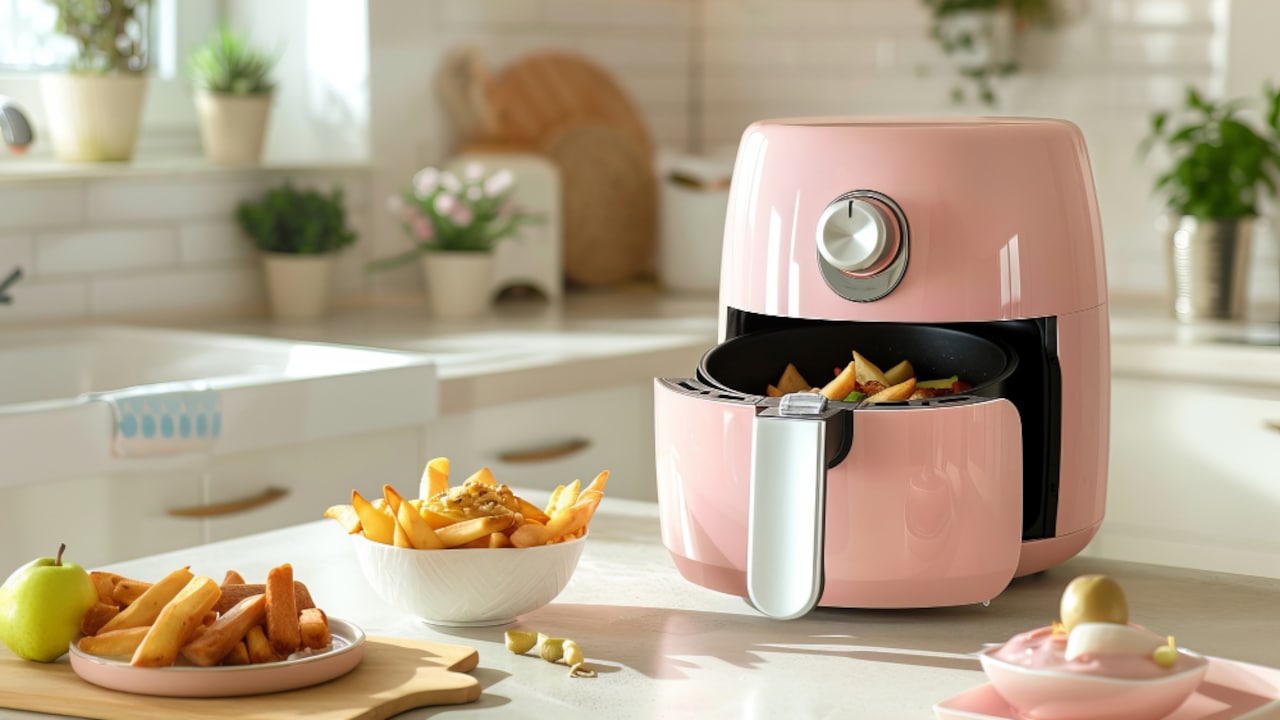
What turns pakoras dry in air fryers; Photo Credit: Freepik
This can feel frustrating, especially when the air fryer promises healthier versions of beloved treats. Fortunately, dry pakoras are usually the result of a few common cooking errors rather than a flaw in the appliance itself. With a handful of simple adjustments, it is entirely possible to enjoy air-fried pakoras that are crisp on the outside and tender within.
Also Read: Best 5 Morphy Richards Air Fryers In India With Price 2026
Batter Consistency Plays A Bigger Role Than Most People Think
The Air Fryer Removes Moisture Faster Than Deep Frying
The biggest difference between an air fryer and a traditional kadhai lies in how heat reaches the food. Deep frying surrounds pakoras with hot oil, creating a rapid crust while helping retain some internal moisture. An air fryer relies on circulating hot air, which naturally draws moisture away from the surface.
This process works brilliantly for foods that already contain some fat, such as chicken wings or frozen snacks. Pakoras, however, depend heavily on batter and moisture from vegetables. When hot air continuously circulates around them, they can lose water too quickly.
Imagine leaving a freshly washed shirt under a ceiling fan. It dries much faster than one left in a still room. Pakoras experience a similar effect inside the appliance.
Understanding this difference helps set realistic expectations. Air frying can produce excellent pakoras, but they require slightly different preparation methods from traditional frying. The goal is not to replicate deep frying perfectly but to adapt the recipe so the snack remains moist and flavourful despite the drier cooking environment.
Batter Consistency Plays A Bigger Role Than Most People Think
Many disappointing batches begin with batter that looks perfectly normal. The trouble is that air fryers often demand a slightly thicker and more structured batter than traditional frying methods.
A thin batter may work beautifully in hot oil because it sets almost instantly. In an air fryer, however, excess moisture evaporates before the coating can properly develop. The result is a dry exterior that lacks substance.
The ideal pakora batter should coat vegetables generously without dripping excessively. It needs enough gram flour to create structure while retaining enough moisture to prevent dryness.
A useful kitchen observation often helps. If the batter resembles a runny pancake mixture, it is probably too thin. If it resembles a thick coating that clings comfortably to sliced onions or potatoes, it is closer to the mark.
Adding a small amount of rice flour can improve crispness, but overdoing it may create a brittle texture. Balance remains the key. A well-made batter acts like a protective jacket, helping vegetables stay moist while delivering the crunch everyone expects from a good pakora.
Vegetables Often Need More Moisture Than Expected
Not all vegetables behave the same way in an air fryer. Onions, potatoes, spinach, cauliflower, and chillies release moisture at different rates during cooking.
Onions, for instance, naturally soften and release water as they cook. Potatoes can become dry if sliced too thinly. Leafy vegetables lose moisture rapidly and may crisp up before the batter fully cooks.
This variation explains why one batch turns out beautifully while another feels disappointingly dry despite using the same recipe. The vegetables themselves influence the outcome.
Allowing sliced onions to sit with salt for a few minutes before mixing can help release natural moisture. This creates a batter that binds better and remains softer during cooking.
Fresh vegetables also matter. Produce that has been sitting in the fridge for several days may contain less moisture than freshly purchased ingredients. It sounds like a tiny detail, but pakoras often reward attention to these small kitchen nuances. The fresher the vegetables, the better the chances of achieving that coveted balance between crunch and softness.
Skipping Oil Completely Is Usually A Mistake
One of the biggest misconceptions surrounding air fryers is that food should contain absolutely no oil. While the appliance dramatically reduces oil usage, eliminating it entirely can leave pakoras dry and tough.
Oil serves several purposes beyond flavour. It helps conduct heat, encourages browning, and creates a more appealing texture. Without it, the surface may become excessively dry before the interior cooks properly.
A light coating of oil on the batter or a gentle spray before cooking can make a remarkable difference. The amount required is surprisingly small. In many cases, a teaspoon or two is enough for an entire batch.
Think of it as seasoning rather than frying. The objective is not to soak the food but to assist the cooking process.
Many experienced home cooks notice that air-fried pakoras become noticeably more golden and appetising with just a touch of oil. The improvement extends beyond appearance. The texture feels closer to the familiar version served at roadside tea stalls and family gatherings.
Overcrowding Prevents Even Cooking
It often feels tempting to fit as many pakoras as possible into the air fryer basket. After all, fewer batches mean quicker results. Unfortunately, overcrowding creates several problems.
Air fryers depend on unrestricted airflow. When pakoras sit too close together, hot air struggles to circulate effectively. Some pieces cook unevenly, while others trap moisture between them.
The result can seem contradictory. Certain areas become dry and overcooked while others remain soft or undercooked. This uneven texture leaves many people wondering what went wrong.
Giving pakoras enough space allows the appliance to work as intended. Each piece receives consistent heat and develops a more uniform crust.
A useful rule is to arrange them in a single layer with visible gaps. It may require an extra cooking cycle, but the improvement in quality often justifies the additional few minutes.
Patience rarely sounds exciting in cooking advice, yet it remains one of the easiest ways to elevate homemade pakoras from average to exceptional.
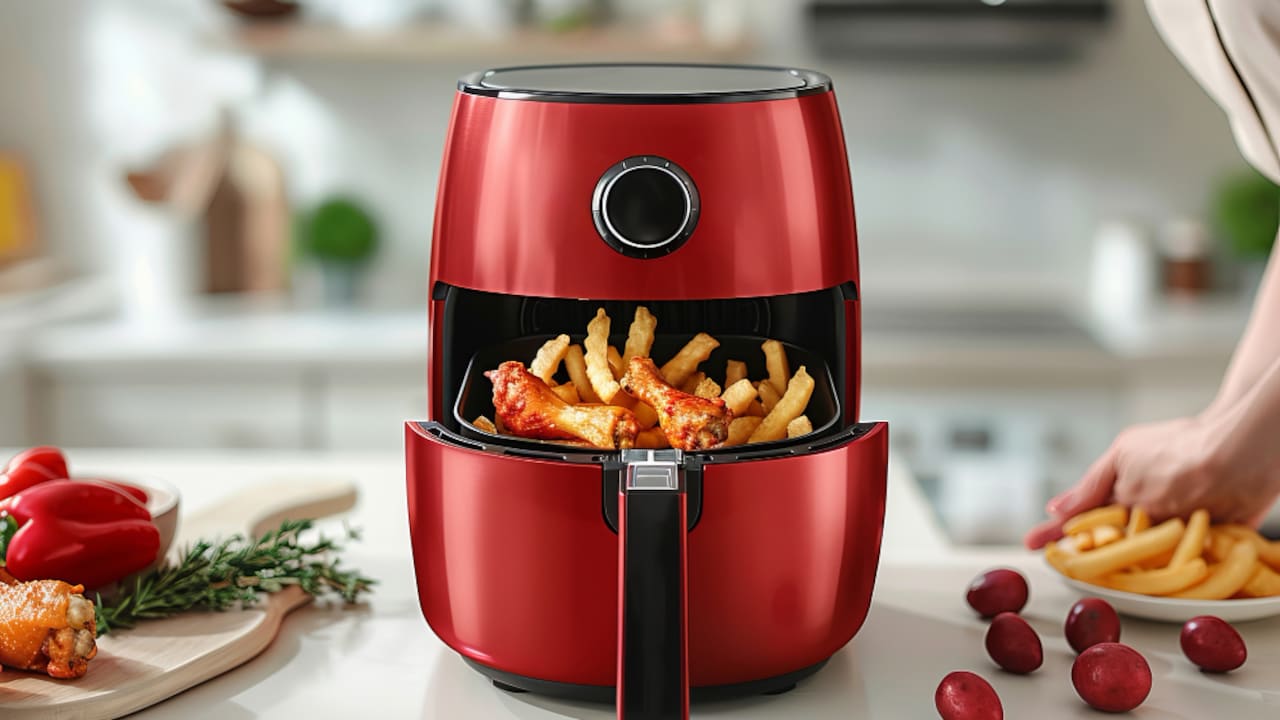
Avoid overfilling your air fryer to get the crispiest results possible; Photo Credit: Freepik
Temperature Settings Can Make Or Break The Texture
Many recipes recommend high temperatures because they speed up cooking. While this approach works for some foods, pakoras often benefit from a more measured strategy.
Very high heat can cause the outer layer to dry out before the centre cooks through. The batter hardens quickly, creating a texture that feels more crunchy than crisp.
Cooking at a moderate temperature allows moisture inside the vegetables to contribute to the final texture. It also gives the batter enough time to develop a balanced crust.
Some home cooks treat the air fryer like a race. The highest temperature appears attractive because dinner arrives sooner. Yet pakoras reward patience more than speed.
Starting at a moderate temperature and increasing it slightly towards the end often produces better results. This approach encourages even cooking while delivering the golden finish everyone loves.
The difference may only involve a few minutes, but those extra moments can separate dry pakoras from truly satisfying ones.
The Importance Of Resting The Batter
Resting batter is a simple trick that often goes unnoticed. Many people mix ingredients and immediately begin cooking. While that method works, a brief resting period can improve texture considerably.
Allowing the batter to rest for ten to fifteen minutes gives the gram flour time to absorb moisture fully. This creates a more cohesive mixture that clings better to vegetables.
The process also helps flavours blend together. Spices distribute more evenly, resulting in a richer taste throughout the pakora.
There is something almost magical about this short waiting period. Nothing dramatic appears to happen, yet the finished snack often feels more balanced and satisfying.
Professional kitchens frequently rely on resting times for doughs, batters, and marinades. Pakoras benefit from the same principle.
The next time impatience starts whispering that ten minutes cannot possibly matter, remember that many excellent recipes rely on precisely these small pauses. Sometimes the secret ingredient is simply time.
Ingredient Ratios Affect Moisture Retention
A successful pakora recipe resembles a carefully balanced team. Every ingredient contributes something important. When one player dominates, the texture can suffer.
Too much gram flour may create a dense coating. Excess rice flour can produce a brittle shell. Too little moisture can leave the mixture crumbly before cooking even begins.
Many cooks follow recipes precisely but overlook how environmental factors influence results. Humid weather, dry kitchens, and different vegetable varieties all affect batter consistency.
A recipe should function as a guide rather than a strict rulebook. Small adjustments based on observation often produce better outcomes.
If the mixture feels overly thick, a splash of water can help. If it appears too wet, a little extra gram flour may restore balance.
Great pakoras rarely emerge from rigid measurements alone. They come from understanding how ingredients interact and making thoughtful adjustments along the way.
Preheating The Air Fryer Makes A Noticeable Difference
Preheating may sound like an optional step, but it can significantly improve texture. When pakoras enter a cold air fryer, they begin warming gradually. During this period, moisture escapes before the coating starts crisping.
A preheated appliance creates immediate surface cooking. This helps form the outer layer more quickly and reduces unnecessary moisture loss.
The concept mirrors traditional frying. No one drops pakoras into cold oil and expects excellent results. The same principle applies here.
Fortunately, preheating usually takes only a few minutes. Most modern air fryers reach the desired temperature quickly.
That brief preparation period creates a stronger foundation for cooking and often delivers noticeably better results. Pakoras develop improved colour, more even texture, and a more satisfying crunch.
It is one of the simplest habits to adopt, yet it consistently rewards anyone willing to spend those extra moments before loading the basket.
Products Related To This Article
1. EDT Luma ZERO COATING PureGlass™ Air Fryer Oven
2. Ninja Combi 14-in-1 Multi-Cooker Air Fryer Oven
3. NUUK BRĪSK 6.5L 100% Toxin-Free Ceramic Air Fryer
4. Cookwell Air Fryer - 5L With See Through Window
5. PHILIPS Air Fryer NA130, uses up to 90% less fat, 1700W
6. SOLARA Air Fryer For Home 4.5L with See Through Window
7. iBELL AEROFRY420DM Air Fryer 4.2 Litre
Dry air-fried pakoras rarely stem from a single mistake. More often, they result from a combination of factors such as thin batter, insufficient oil, overcrowding, excessive heat, or moisture loss from vegetables. The encouraging news is that each issue has a straightforward solution.
A thicker batter, fresh ingredients, proper spacing, moderate temperatures, and a light touch of oil can transform the final result. Small adjustments often deliver surprisingly dramatic improvements.
Air fryers may never replicate the exact character of deep-fried pakoras, but they can produce versions that are crisp, flavourful, and deeply satisfying. With a little experimentation and patience, that perfect rainy-evening snack can emerge from the air fryer basket looking every bit as inviting as the traditional favourite. The next cup of tea deserves nothing less.
(Disclaimer: This article may include references to or features of products and services made available through affiliate marketing campaigns. NDTV Convergence Limited (“NDTV”) strives to maintain editorial independence while participating in such campaigns. NDTV does not assume responsibility for the performance or claims of any featured products or services.)