How To Reduce Cooking-Related Air Purifier Spikes: 10 Checks For Ventilation, Placement And Cooking Method
If your air purifier suddenly races while you cook, the appliance may simply be reacting to airborne particles. Check ventilation, placement and cooking habits to keep those dramatic speed spikes under better control.
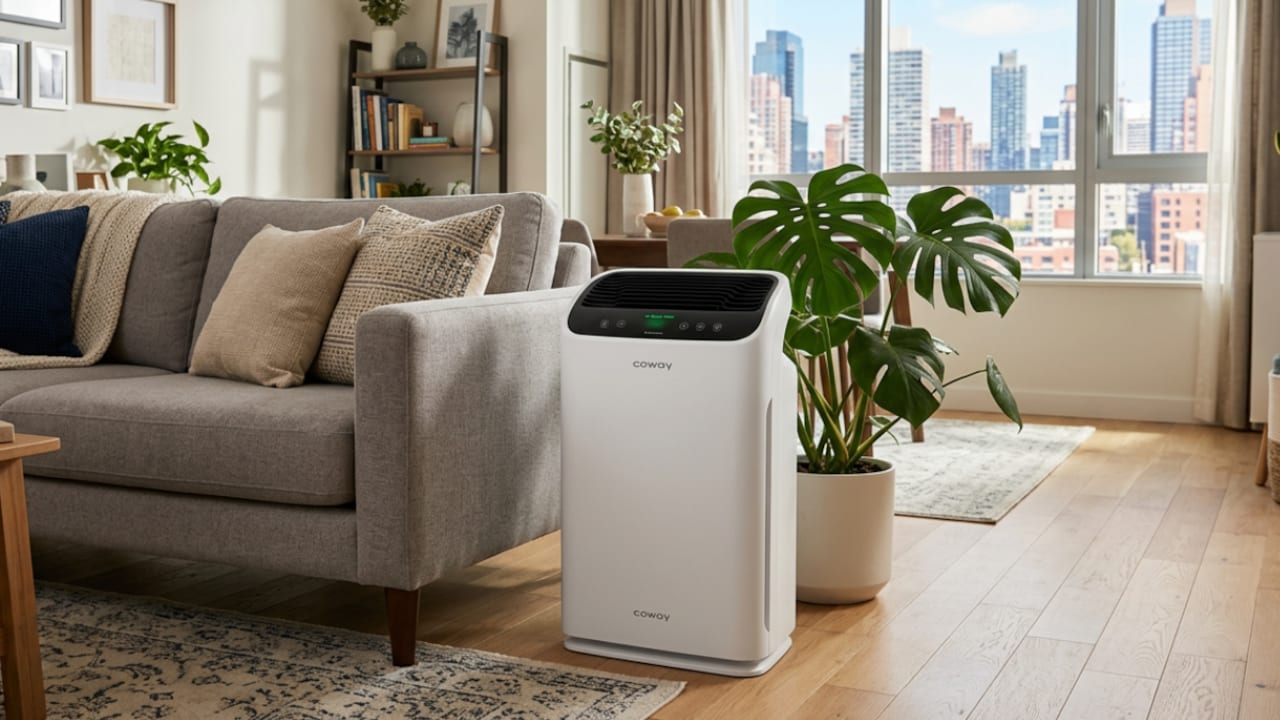
Tips to prevent air purifier spikes during cooking
You start frying onions, heating a tadka or toasting bread, and suddenly the air purifier in the next room sounds ready for take-off. Its indicator may jump from green to orange or red, while the fan races from a gentle hum to full power. It can feel alarming, especially when there's no obvious smoke hanging in the room. In many cases, though, the purifier is doing exactly what its sensors tell it to do. Frying, grilling, roasting and even high-heat tempering can release tiny particles and vapours into the air. These can travel well beyond the hob, particularly in compact homes or open-plan kitchens.
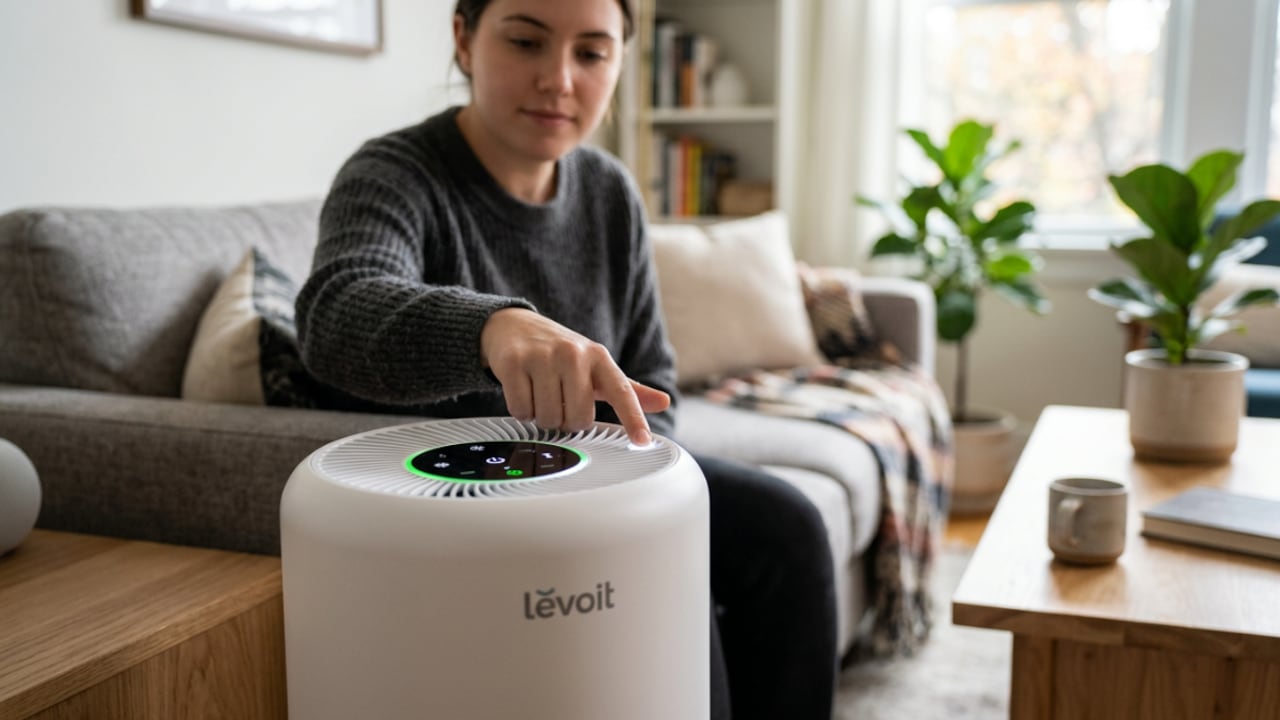
How to prevent air purifier spikes during cooking
Photo Credit: Gemini
The solution isn't necessarily to switch off the purifier or accept constant fan noise whenever dinner begins. A few practical checks can reduce how much cooking pollution reaches the unit in the first place. Ventilation, purifier position, heat levels and even the condition of a frying pan can all make a noticeable difference. Here are 10 areas worth checking when your purifier regularly goes into overdrive around mealtimes.
Also Read: Best Air Purifiers To Keep Your Home Fresh This Monsoon Under 10,000
10 Checks To Keep Cooking-Related Air Purifier Spikes Under Control
1. Check Whether The Kitchen Has Enough Exhaust Ventilation
An air purifier shouldn't have to act as the main defence against everything produced during cooking. The first job belongs to kitchen ventilation.
If your chimney or exhaust fan struggles to pull smoke and vapour outdoors, cooking emissions can spread through adjoining rooms before the purifier gets a chance to deal with them. Frying pakoras, making parathas on high heat or preparing a smoky tadka can create far more airborne particles than gentle simmering.
Start by noticing whether steam and cooking smells linger long after the hob goes off. That can indicate weak extraction. Grease build-up on chimney filters can also reduce airflow dramatically, even when the motor still sounds powerful.
Clean reusable filters as recommended by the manufacturer and replace disposable ones when necessary. Also, switch the chimney on before heavy cooking begins rather than waiting until smoke appears.
A few minutes of early extraction helps establish airflow towards the vent. That gives airborne particles somewhere useful to go instead of allowing them to wander towards the purifier and trigger an immediate high-speed response.
2. Check If The Air Purifier Is Too Close To The Hob
Putting an air purifier close to the kitchen may sound sensible. After all, that is where many indoor pollutants originate. But positioning it directly beside the hob can create the opposite of the calm, controlled filtration you want.
A purifier sitting just a few feet from frying food receives a concentrated burst of particles before they have dispersed. The sensor sees a sudden pollution spike and immediately commands the fan to work harder. The result can sound dramatic even when the rest of the room's air remains relatively clean.
There is another concern. Greasy vapours can settle on the purifier's outer vents and filters over time. That sticky coating can trap dust and reduce airflow.
Instead, give the appliance some breathing room. Position it where air circulates naturally between the kitchen and living area without placing it directly in the path of steam, smoke or splattering oil.
Think of the purifier as a clean-up crew rather than a range hood. It should filter the room's air steadily, not stand beside the frying pan and intercept every plume the moment it appears.
3. Check Whether Windows And Doors Are Helping Or Hurting Airflow
Opening a window while cooking seems like the obvious fix, but airflow can behave in surprisingly unhelpful ways.
A window on the wrong side of the kitchen may push cooking fumes further indoors rather than drawing them out. Likewise, a strong ceiling fan can scatter particles across the room before the exhaust system captures them.
Watch what happens to visible steam. Does it travel towards the chimney or window, or does it drift towards the living room? That simple observation can reveal a lot about the air movement inside the home.
When practical, create a clear route from a source of fresh air towards the kitchen exhaust. You don't necessarily need every window and door wide open. Sometimes a smaller opening in the right location works better than several competing drafts.
Also, avoid running powerful fans that blow directly across the hob while frying or searing.
The goal isn't maximum airflow at any cost. It is controlled airflow. When cooking emissions move predictably towards an exhaust point, fewer particles reach the purifier's sensor, which can reduce repeated jumps to its highest fan setting.
4. Check How Much High-Heat Cooking You Actually Do
Cooking temperature can change indoor air quality far more than many people realise.
A pan doesn't need to produce thick visible smoke before it starts releasing airborne particles. Oil approaching its smoke point, food charring against hot cookware and residue burning on a pan can all send microscopic particles into the surrounding air.
This explains why an air purifier may remain calm while dal simmers but suddenly become frantic when a tawa reaches high heat.
Try lowering the flame slightly once cookware reaches the required temperature. Many everyday dishes don't need the burner running at full blast throughout cooking. Medium heat often gives better control while reducing scorching.
Preheating also deserves attention. Leaving an empty pan over strong heat while chopping the final few ingredients can make the cooking surface unnecessarily hot.
None of this means giving up crisp dosas, toasted sandwiches or a proper sear. It simply means using high heat deliberately rather than automatically. When fewer oils and food residues burn, fewer particles reach the air, and the purifier has less reason to behave as though an environmental emergency has just begun.
5. Check Whether Oil Is Reaching Its Smoke Point
That faint haze rising above a pan deserves attention. It usually means the oil has become hotter than intended.
Different cooking oils tolerate different levels of heat. Once an oil starts smoking, it can release fine particles and volatile compounds into the air. An air purifier equipped with sensitive particulate or gas sensors may react almost immediately.
The easiest solution is better temperature control. If oil begins smoking before the ingredients enter the pan, remove the cookware from the heat briefly and let it cool instead of pressing ahead.
Using an oil suited to the cooking method also helps. Gentle sautéing, deep-frying and very high-temperature searing don't place the same demands on cooking oil.
Repeatedly reheated oil can create another problem. Its characteristics change with use, particularly after exposure to food particles and sustained heat.
Watch the pan rather than relying entirely on the stove's knob position. Cookware material, burner size and pan thickness all affect temperature. Controlling smoking at the source can prevent one of the biggest causes of sudden purifier spikes before the sensor even gets involved.
Check whether the oil is reaching its smoke point; Photo Credit: Gemini
6. Check The Cookware For Burnt Residue
Sometimes today's air-quality spike actually comes from yesterday's dinner.
A thin film of burnt oil or food left on a tawa, grill pan or kadai can begin smoking long before freshly added ingredients do. The residue heats quickly and sends particles into the air, making it seem as though an otherwise ordinary cooking method has suddenly become unusually smoky.
Pay particular attention to pan edges, grooves and the underside of cookware. Small deposits can accumulate gradually and become easy to overlook.
This matters with appliances too. Crumbs inside a toaster, grease inside an air fryer or old splatters in an oven can produce smoke as they repeatedly heat.
A thorough clean often makes the next cooking session noticeably less smoky. Avoid aggressive scrubbing that damages seasoned or coated cookware, of course. Follow the appropriate cleaning method for the material.
There is also a useful sensory clue: if you notice a burnt smell before the new food has had time to brown, old residue may be the culprit.
Your air purifier cannot distinguish between the smoke from tonight's paneer and burnt oil from three meals ago. It simply sees particles and gets to work.
7. Check Whether The Purifier Sensor Needs Cleaning
Not every dramatic purifier response means the kitchen air has suddenly become terrible. Occasionally, the sensor itself needs attention.
Air-quality sensors often rely on small openings that allow room air to pass through. Dust can collect around these areas over time. In a home where the purifier sits near the kitchen, oily residue may join that dust and make matters worse.
A dirty sensor can produce inconsistent readings. You may notice the purifier changing speed frequently, remaining on high long after cooking has finished or reacting differently to similar cooking sessions.
Consult the appliance manual before cleaning the sensor area. Manufacturers may specify a dry cotton swab, soft brush or gentle vacuuming method. Avoid spraying cleaner, water or perfume near the opening.
It is also worth cleaning the purifier's intake grille and checking the pre-filter. Restricted airflow can force the machine to work harder.
After maintenance, watch its behaviour over several meals rather than judging it after one test. If the readings become steadier, you may have solved part of the problem.
The purifier's sensor acts as its nose. Keeping that nose clean gives it a much better chance of reacting proportionately.
8. Check Whether Filters Are Overdue For Maintenance
A purifier that encounters regular cooking emissions can put its filters through a tougher workload than one operating in a bedroom far from the kitchen.
The pre-filter catches larger dust particles, hair and debris, while HEPA filtration targets much smaller airborne particles. Some models also include activated carbon designed to reduce odours and certain gases.
As these filters load up, airflow can decrease. The purifier may then need higher fan speeds to process the same volume of room air.
Kitchen-related grease makes matters particularly awkward because sticky particles can coat filter surfaces. A washable pre-filter may need more frequent cleaning when the purifier operates near a cooking area.
Don't wash HEPA or carbon filters unless the manufacturer specifically says they are washable. Water can damage materials designed to work dry.
Instead of relying only on a calendar, consider how heavily the purifier gets used. Daily frying, nearby construction dust, pets and long operating hours can shorten the practical maintenance interval.
Fresh filters won't stop cooking particles from forming, but they help the purifier respond efficiently. That can shorten the period it spends roaring at high speed after dinner has already reached the table.
9. Check Whether A Lid Can Reduce What Escapes Into The Room
The humble pan lid deserves more credit in discussions about indoor air quality.
Covering suitable dishes can keep moisture, oil droplets and cooking vapours from spreading freely across the kitchen. It also reduces splattering, which means less grease settles on surfaces and eventually reheats during later cooking sessions.
Of course, a lid doesn't suit every recipe. You probably don't want one trapping steam when the aim is crisp browning. But for simmering curries, boiling, pressure cooking and several stages of sautéing, covering the pan at the right moment can reduce what escapes into the room.
Partial covering can work too. Some cooks leave a small gap so excess steam can escape without allowing the entire plume to rise unobstructed.
Splatter screens offer another useful option during shallow frying. They won't capture fine particles completely, but they can reduce larger oil droplets travelling beyond the pan.
Small changes like these won't silence an air purifier completely. Cooking naturally changes the air around us. Still, containing vapours at their source means the chimney handles less pollution, surfaces collect less grease and the purifier receives a gentler airborne load.
10. Check Whether Your Cooking Routine Needs A Ventilation Head Start
Ventilation works better when it begins before the smoke, steam and aromas appear.
Switching on the kitchen chimney only after mustard seeds start crackling or oil begins smoking forces the exhaust system to catch up with pollution that has already entered the room.
Try starting ventilation a few minutes before cooking. Keep it running throughout preparation and leave it on briefly after the burners go off. This can help remove lingering particles that would otherwise continue travelling through the home.
The same principle applies to the purifier. Rather than turning it off because it gets noisy during dinner preparation, consider running it at a moderate setting beforehand. Some models also allow users to select manual fan speeds, which can prevent constant automatic changes if those fluctuations become distracting.
After cooking, give the purifier time to bring readings back down. Don't assume a lingering high setting automatically signals a fault. Fine particles can remain airborne even after the smell has faded.
Think of ventilation as part of the cooking routine, just like preheating a pan or clearing the counter. Starting early usually works better than responding once the kitchen has already become hazy.
Products Related To This Article
1. Philips Air Purifier AC2220
2. Shark HP300 Air Purifier |1400 sq.ft Coverage | 5 Year NeverChange True HEPA 14 Filter
3. Honeywell Air Purifier for Home & Office, 3-in-1
4. LEVOIT Core Mini Air Purifier for Coverage Area 183 Sq Ft
5. Xiaomi Air Purifier 4 Lite|160 Sq.ft. in 6 mins
6. Coway Airmega 150 (Ap-1019C) Air Purifier For Home
7. Qubo Q200 Smart Air Purifier for bedroom by Hero Group
A sudden jump in air purifier speed during cooking doesn't automatically mean something is wrong with the appliance. Frying, scorching, overheated oil, weak ventilation and poor airflow can all send enough particles into the room to trigger sensitive sensors.
The most effective fix usually starts at the hob rather than the purifier. Improve extraction, control heat, keep cookware clean and give fumes a clear route outdoors. Then check the purifier's placement, filters and sensor maintenance.
Cooking will always change indoor air to some extent. After all, a kitchen that never releases a single aroma would be a rather joyless place. The aim isn't to eliminate every particle. It is to keep unnecessary smoke and grease under control so the purifier can quietly handle the leftovers instead of sounding like it wants to join the dinner conversation.
(Disclaimer: This article may include references to or features of products and services made available through affiliate marketing campaigns. NDTV Convergence Limited (“NDTV”) strives to maintain editorial independence while participating in such campaigns. NDTV does not assume responsibility for the performance or claims of any featured products or services.)