10 Coffee Grinder Features Worth Paying For And Which Settings Most People Never Use
Discover which coffee grinder features genuinely improve flavour and convenience, and which costly settings most people rarely use.

Explore coffee machine features that can make every cup a piece of perfection
Coffee equipment has a charming way of turning sensible adults into enthusiastic engineers before breakfast. One minute, the plan involves making a simple cup. The next, someone starts discussing burr geometry, motor speed and grind retention while the kettle quietly boils dry. The grinder deserves attention because it shapes how quickly water extracts flavour from coffee. Uneven particles create an awkward mix: tiny grounds release bitterness, while larger pieces remain weak and sour. A reliable grinder produces more uniform grounds, giving the brewer far greater control over taste.
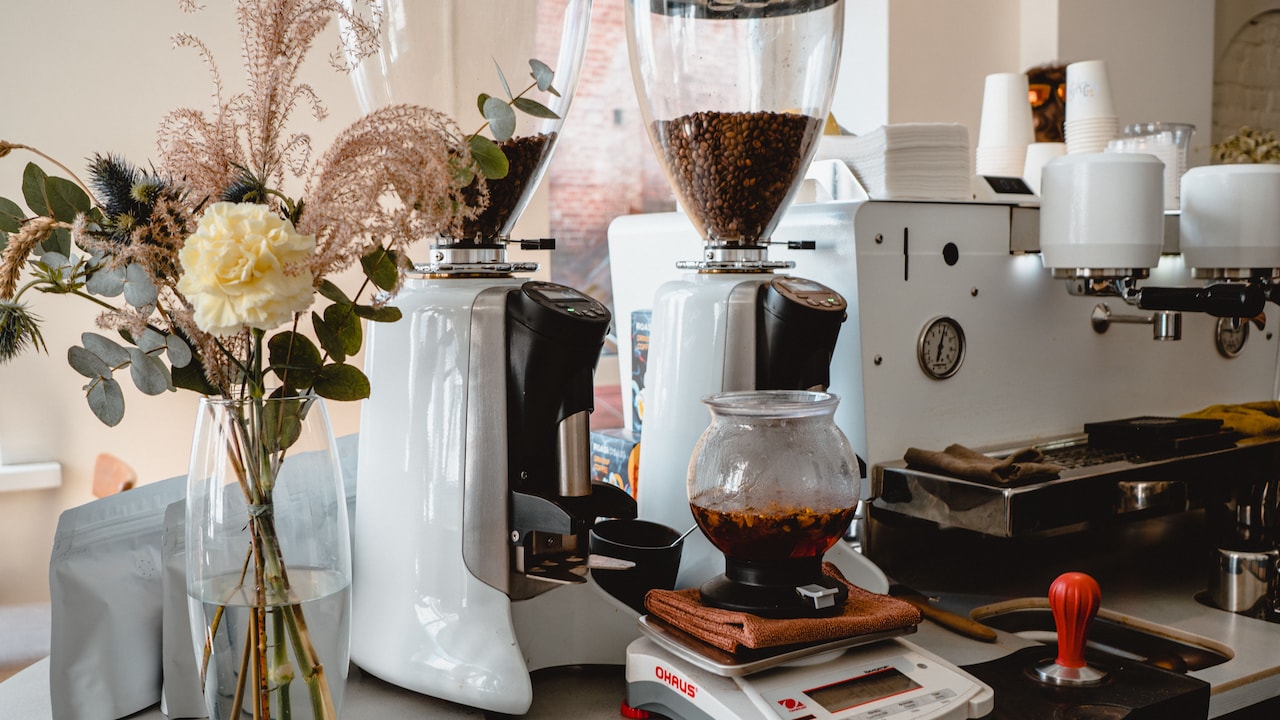
Top coffee grinder features that are worth paying for
Photo Credit: Pexels
However, higher prices do not always guarantee a better daily experience. Many premium machines arrive with dozens of grind levels, app controls, colourful displays and specialised modes that most households never touch. Meanwhile, modest features such as low retention, easy cleaning and accurate timers often make a much bigger difference.
Also Read: Brew Better Every Day: Top Coffee Grinders Below ₹3000 Worth Bringing Home
Whether the kitchen counter hosts a moka pot, French press, espresso machine or humble pour-over cone, these ten features can help separate genuine value from expensive decoration.
Coffee Grinder Features That Truly Matter
1. High-Quality Burrs
Burr quality matters more than almost every flashy feature advertised on the box. Unlike blade grinders, which chop beans into random fragments, burr grinders crush coffee between two precisely shaped surfaces. This produces more even particles and, in turn, a cleaner and more balanced cup.
Steel burrs often deliver sharp, consistent grinding and suit people who enjoy bright flavours or switch between brewing methods. Ceramic burrs generate less heat and can last for years, although they may chip if a small stone hides among the beans. Such surprises remain rare, but they can ruin both the burrs and the morning mood.
Larger burrs usually grind faster and create fewer inconsistencies. Still, most home users do not need enormous commercial-grade burrs designed for a busy café. A well-made 40 mm or 48 mm burr set can handle everyday brewing comfortably.
Pay for accurate alignment and sturdy construction rather than impressive diameter alone. Poorly aligned premium burrs can perform worse than smaller burrs fitted properly. The grinder should produce consistent grounds without sounding like a scooter struggling up a flyover.
2. Stepless Grind Adjustment
Grind adjustment controls how fine or coarse the coffee becomes. Entry-level grinders often use stepped adjustment, where the dial clicks through fixed positions. That works well for French press, pour-over and moka pot brewing, where tiny changes rarely cause dramatic problems.
Espresso changes the equation. A slight movement towards finer or coarser grounds can alter the shot time by several seconds. Stepless adjustment allows tiny, precise changes without forcing the user to choose between two unsuitable settings. This helps when humidity, bean age or roast level affects extraction.
That precision deserves extra money for anyone who prepares espresso regularly. It offers the freedom to fine-tune a shot instead of accepting coffee that runs too quickly or drips like monsoon traffic.
Most casual users, however, never exploit the full adjustment range. A grinder may offer 100 settings, yet the household might use only three: one for espresso, one for pour-over and one for French press. More settings do not automatically create better coffee. Smooth control, clear markings and repeatable results matter far more than an enormous number printed in bold letters on the packaging.
3. Low Grind Retention
Grind retention refers to the coffee left inside the grinder after use. Some machines trap grounds in internal channels, around burrs or near the exit chute. That old coffee can fall into the next batch, mixing stale particles with fresh grounds and quietly weakening flavour.
Low-retention designs reduce this problem through shorter pathways, clever chute angles and fewer hidden corners. The feature becomes especially valuable for people who change beans often. Nobody wants traces of a dark, smoky roast sneaking into a delicate fruity coffee bought for ₹900 a bag.
Retention also affects dosing. Place 18 grams of beans into the grinder, and a poorly designed machine may return only 16.8 grams. The missing coffee remains inside until another grinding session pushes it out. That inconsistency can make espresso recipes frustrating.
Many manufacturers advertise “zero retention”, but the phrase deserves scepticism. Almost every grinder holds a little coffee. Look for practical evidence such as easy access, removable chutes and real-world measurements.
A bellows attachment can help push trapped grounds out, although enthusiastic pumping sometimes creates a small coffee cloud across the counter. Low retention saves coffee, improves consistency and reduces cleaning, making it far more useful than several fashionable digital extras.
4. Accurate Timed Dosing
A timed dosing system lets the grinder run for a chosen number of seconds, producing roughly the same amount of coffee each time. It sounds simple, yet a reliable timer can make rushed mornings considerably calmer.
Basic timers often use large increments, which makes accurate dosing difficult. Better grinders allow adjustments in tenths of a second. Once calibrated, the machine can produce a consistent dose for one or two cups at the press of a button. This proves particularly useful when several family members prepare coffee but nobody wants to weigh beans before sunrise.
Timers still require occasional adjustment. Different beans move through the grinder at different speeds, and a finer grind usually produces less coffee within the same period. A setting that delivers 18 grams of one roast may produce 17 grams of another.
For maximum accuracy, grinding by weight remains better. However, weight-based grinders often cost much more. A precise timer provides an excellent compromise between convenience and control.
Most users never need three or four programmable dosing buttons. One setting for a single cup and another for a larger brew usually covers daily life. The remaining buttons often become decorative landmarks beside the kitchen wall.
5. Anti-Static Technology
Freshly ground coffee can behave like glitter after a school craft project. Tiny particles cling to the dosing cup, scatter across the counter and somehow reach places several feet away. Static electricity causes much of this mess, especially in dry weather and air-conditioned rooms.
Anti-static technology uses ionisers, conductive materials or carefully designed chutes to reduce charge. A good system allows grounds to fall neatly into the container instead of forming a brown halo around the grinder. This feature may not change flavour directly, but it makes the daily routine far more pleasant.
Cheaper grinders often include basic anti-static claims that work only moderately well. Reviews and demonstrations can reveal whether the feature performs beyond the brochure. A removable metal dosing cup also helps, while narrow plastic containers tend to attract more grounds.
Some coffee enthusiasts add a tiny drop of water to the beans before grinding, a practice often called the Ross Droplet Technique. It reduces static effectively, although too much water can damage the grinder over time.
Paying extra for genuine anti-static performance makes sense in a tidy kitchen. It saves cleaning, prevents waste and stops the counter from looking as though a miniature sandstorm passed through it.
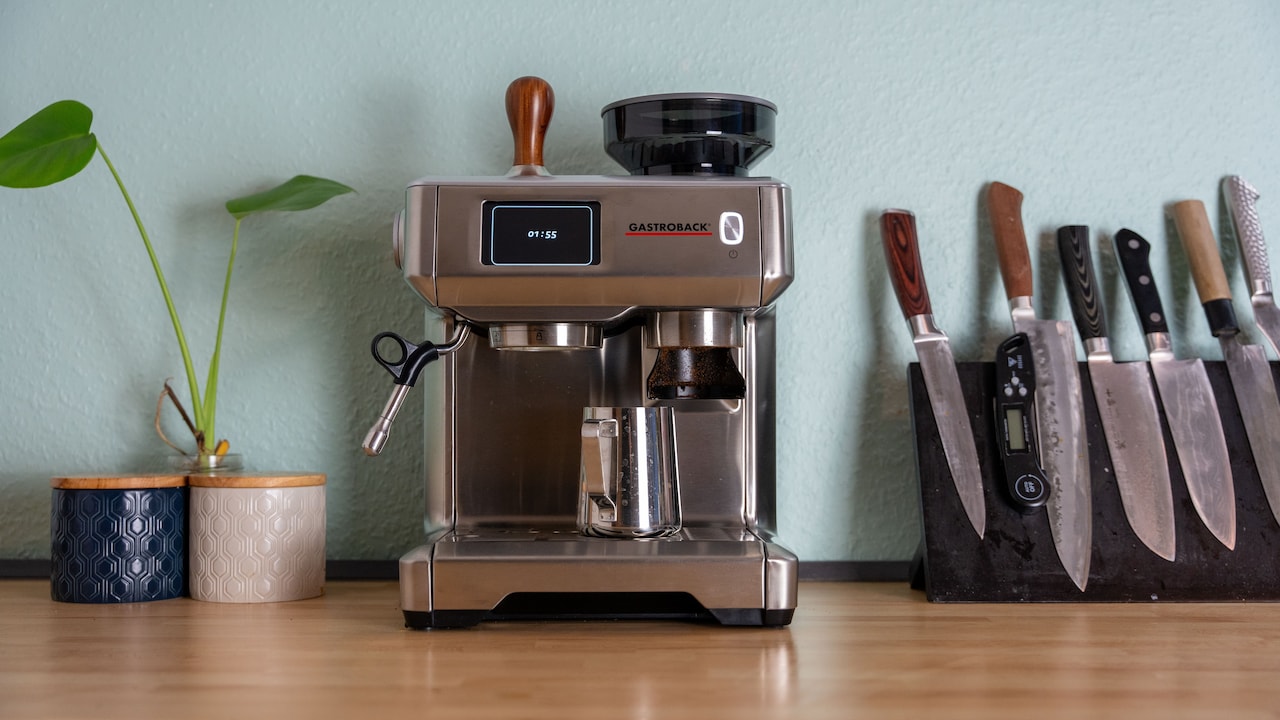
Coffee machines with anti-static technolog can prevent waste and make cleaning easier
Photo Credit: Pexels
6. Quiet Motor Operation
Coffee grinders rarely whisper. Burrs must crush hard roasted beans, so some noise remains unavoidable. Yet the difference between a controlled hum and a harsh mechanical shriek can feel enormous at 6.30 in the morning.
A quieter grinder uses a well-insulated body, stable burr mounting and a motor that runs smoothly under load. Lower-speed motors often create less noise and heat, although design quality matters more than speed alone. Solid construction also reduces vibration, which prevents cups, spoons and nearby steel containers from joining the performance.
This feature deserves attention in flats, shared homes or households with light sleepers. A grinder that wakes the entire family may soon find itself banned from early use, regardless of how beautifully it handles Ethiopian beans.
Manufacturers rarely provide useful noise measurements, so recorded demonstrations and owner reviews offer better guidance. Listen for pitch as well as volume. A low, steady sound often feels less irritating than a high-pitched whine, even when both measure similarly.
Special pulse modes, musical alerts and adjustable beep volumes add little value. Most people disable them quickly. A quieter motor, however, improves every single use and may preserve domestic harmony before the first cup works its magic.
7. Easy Burr Access And Cleaning
Coffee oils and fine particles collect inside every grinder. Over time, they can turn stale, clog the exit path and create unpleasant flavours. Easy access to the burr chamber therefore matters more than many buyers expect.
A well-designed grinder allows the top burr to come out without a toolbox, engineering degree or prayer. Some models use a simple twist-and-lift mechanism. Others require several screws and a careful memory of where each tiny component belongs. The first design encourages regular cleaning; the second encourages denial.
Tool-free access also helps when changing between very different beans. Dark roasts release more surface oil and may leave sticky residue. A quick brush around the burrs keeps the machine working smoothly and prevents older flavours from lingering.
The best designs preserve the chosen grind setting after cleaning. On less thoughtful machines, removing the burr resets the calibration, forcing the user to find the correct position again.
Automatic cleaning modes sound impressive but often achieve little beyond spinning the burrs. They cannot remove compacted grounds from hidden corners. Pay for accessible parts, a removable hopper and a clear chute instead. These practical details turn maintenance from a weekend project into a five-minute habit.
8. A Strong And Stable Build
A sturdy grinder does more than survive accidental knocks. It keeps the burrs aligned, reduces vibration and provides consistent results over years of use. Lightweight plastic machines may look attractive online, but some flex under pressure or move across the counter during grinding.
Metal does not automatically guarantee quality. A grinder can wear a shiny aluminium jacket while hiding weak internal supports. The important areas include the burr carrier, adjustment mechanism, motor mount and drive system. These parts handle repeated force and determine long-term reliability.
A stable base also matters. Rubber feet should grip polished stone or tile counters without leaving marks. The controls should feel firm, and the hopper should fit securely rather than wobble like a loose dabba lid.
Durability becomes especially important for machines costing ₹20,000 or more. At that level, buyers should expect replaceable burrs, accessible spare parts and support that continues beyond the warranty period.
Touchscreens, colourful lights and polished chrome surfaces can make a grinder appear luxurious, but they do not improve particle consistency. A solid adjustment collar and dependable motor provide better value. Choose the machine that feels engineered for daily work, not merely photographed for a stylish kitchen catalogue.
9. Single-Dose Grinding Capability
Single-dose grinding means measuring beans for one brew, placing them into an empty grinder and grinding the entire portion. This approach keeps coffee fresher because the hopper does not hold beans for days. It also makes switching between varieties much easier.
A good single-dose grinder uses a steep hopper, low-retention chamber and effective bellows or chute design. The beans should feed smoothly without bouncing around, a problem known as popcorning. Some machines include a small disc that keeps beans moving towards the burrs.
This feature suits households that enjoy several brewing styles. One person may prefer a strong moka pot coffee, while another reaches for a lighter pour-over. Single dosing lets both use different beans without emptying a full hopper each time.
Large hoppers, by contrast, often go unused at home. They make sense in cafés that grind continuously, but domestic kitchens rarely need space for half a kilogram of beans sitting above a warm motor.
Pay extra for single-dose performance when freshness and variety matter. Skip it when the household uses one coffee every day and values speed above experimentation. Even devoted coffee lovers sometimes discover that measuring every dose feels less romantic on a rushed Monday morning.
10. Sensible Safety And Convenience Features
Small convenience features can improve a grinder, provided they solve real problems. An automatic shut-off protects the motor if a stone or hard object jams the burrs. Overheat protection helps during repeated grinding sessions. A secure hopper lock prevents beans from spilling across the floor when someone removes the container too quickly.
A grind-bin sensor can also prove useful. It stops the machine when the container is missing, saving the user from watching expensive coffee pour directly onto the counter. Clear, physical buttons often work better than touch panels, particularly when hands carry water, coffee dust or breakfast batter.
Some premium features rarely justify their cost. App control offers little benefit because beans still need manual loading. Bluetooth notifications announcing that grinding has finished feel unnecessary when the machine sits within arm's reach. Custom user profiles sound clever, yet most homes settle on a few trusted settings and ignore the rest.
Screens can help display timers and grind positions, but they should remain readable and simple. Coffee preparation should not resemble navigating an income-tax portal.
Pay for safeguards, intuitive controls and thoughtful ergonomics. Skip digital theatre. The most useful convenience feature often turns out to be a clearly marked dial that works every morning without demanding an update.
Products Related To This Article
1. AGARO Grand Electric Coffee Grinder
2. Electric Coffee Grinder Spice & Coffee Bean Grinder Stainless Steel
3. Cordless Electric Coffee Grinder with 40 External Grind Settings
4. InstaCuppa Manual Coffee Bean Grinder with 40 Adjustable Grind Settings
5. TIMEMORE Chestnut C3S All Metal Hand Ground Coffee Grinder
6. KOT® Manual Coffee Bean Grinder with 40 Adjustable Grind Settings
7. AGARO Grand Electric Coffee Grinder, Stainless Steel Blades
Choosing a coffee grinder becomes easier once everyday value takes priority over technical spectacle. High-quality burrs, precise adjustment, low retention and a stable build directly influence consistency. Quiet operation, anti-static design and easy cleaning improve the routine surrounding each cup. Accurate dosing and single-dose capability add convenience when they match the household's habits.
The least useful settings tend to share one quality: they look exciting during the first demonstration but solve no recurring problem. Giant hoppers, app controls, dozens of presets and elaborate cleaning modes often remain untouched after the novelty fades.
Before spending ₹10,000, ₹30,000 or more, consider the coffee prepared most often. Espresso drinkers benefit from fine adjustment, while French press and pour-over users can choose simpler models. Busy households may value programmable timing, whereas adventurous coffee buyers may prefer a low-retention single-dose grinder.
A worthwhile grinder should make coffee more consistent without turning breakfast into laboratory work. The right machine disappears into the routine, leaving behind fewer scattered grounds, less frustration and a cup that tastes noticeably better. That result deserves paying for. The button nobody remembers does not.
(Disclaimer: This article may include references to or features of products and services made available through affiliate marketing campaigns. NDTV Convergence Limited (“NDTV”) strives to maintain editorial independence while participating in such campaigns. NDTV does not assume responsibility for the performance or claims of any featured products or services.)