Best Lint Removers For Winterwear: These Tools Work On Wool, Acrylic, Knits
Winter knits pill fast. These lint removers work best on wool, acrylic and sweaters, fabric shavers, rollers, combs and brushes that clean winterwear in minutes.
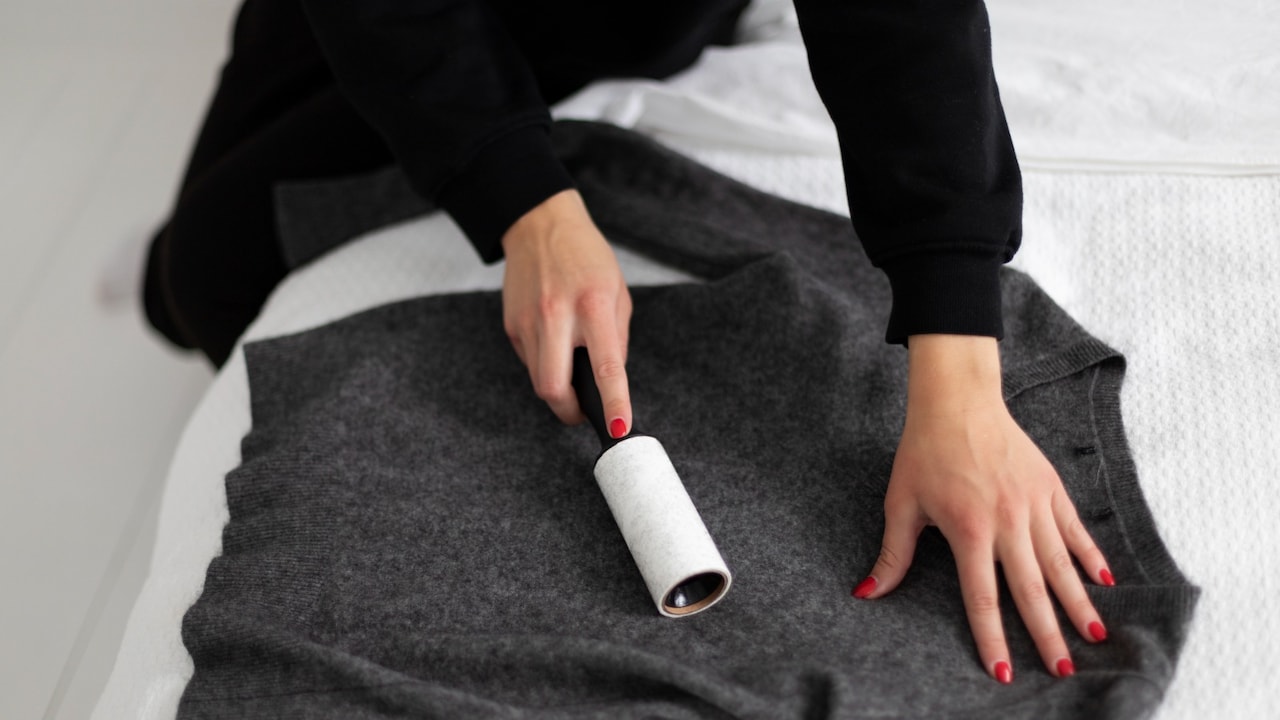
Best Lint Removers for Winterwear: You Can Get Rid Of Pilling From Wool, Acrylic and Knits This Way.
Winter wardrobes are full of comfort heroes: chunky knits, cosy woollens, soft scarves, and that one sweatshirt that feels like a hug. But winter fabrics are also clingy. Not emotionally, though that too, but literally. Wool attracts fuzz. Acrylic loves collecting lint like it's building a scrapbook. Knits pill quickly, especially around the underarms, cuffs, and sides where bags rub.
The problem is not just aesthetics. Lint and pilling make fabric feel rough, trap dust, and shorten the life of clothes. And yes, it's mildly heartbreaking when a sweater you love starts looking like it belongs in the “wear at home only” pile.
Lint removers are the easiest fix, and the best ones work fast without damaging fabric. Whether it's a ₹199 roller or a ₹1,999 rechargeable fabric shaver, the right tool can make winterwear look cleaner, sharper, and honestly… newer.
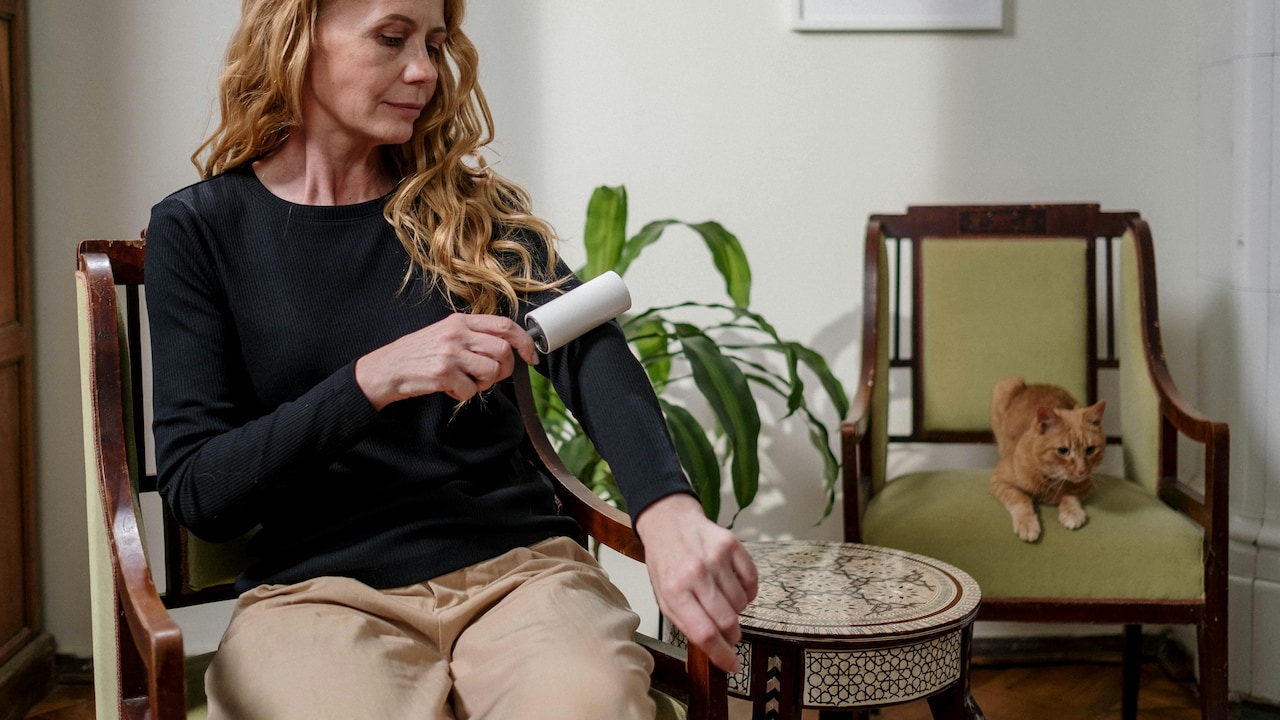
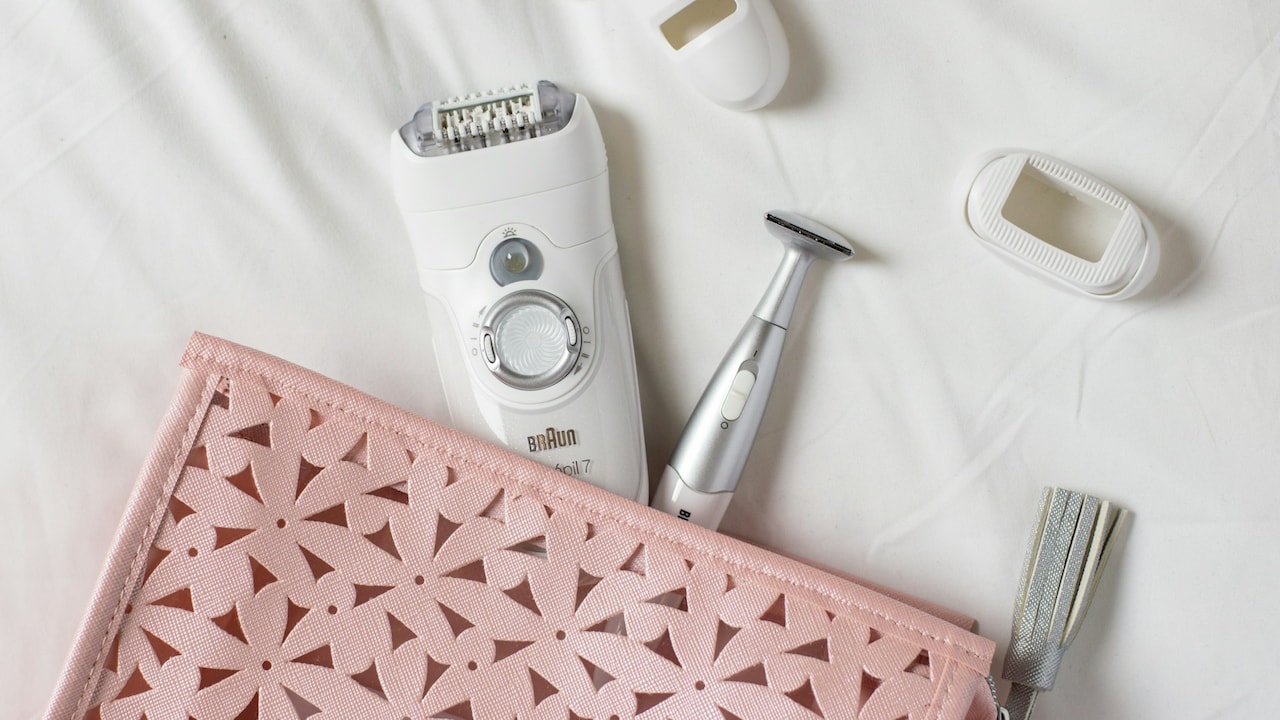
Lint Removers For Winterwear: These Tools Work On Wool, Acrylic, Knits; Photo Credit: Pexels
Tried-and-True Lint Removers for Wool, Acrylic, and Knits
1) Fabric Shavers: The MVP for Woollen Pills
Fabric shavers are the heavyweight champions of winterwear care. These are the tools that actually remove pilling rather than just rolling lint off the surface. If woollens in the wardrobe develop those tiny bobbly clusters, especially around elbows and underarms, a fabric shaver can restore them in minutes.
A good fabric shaver has a metal mesh cover, sharp rotating blades underneath, and adjustable height settings. Height control matters because knits vary. A loose chunky sweater needs gentler settings than a tight fine-knit pullover.
Rechargeable shavers work best for regular use. Battery-powered ones are fine too, but they can slow down mid-session, which is frustrating when the sweater is halfway done. Many models also come with a lint collection chamber, which is oddly satisfying to empty, like proof of a job well done.
Use them on wool, acrylic blends, and thick knits. Avoid delicate cashmere unless the shaver has a very gentle setting. And always shave on a flat surface. Shaving while wearing the sweater is a shortcut to regret.
2) Lint Rollers: The Fast Fix for Daily Wear
Lint rollers are the quick, no-drama solution. They're perfect for winter mornings when there's no time for deep fabric maintenance, but there's definitely time to panic about pet hair on a black sweater.
A lint roller works best on surface lint, dust, and hair. It won't fix pilling, but it will make clothes look fresh and tidy. That's a big win when heading out in a coat or a blazer.
Sticky sheet rollers are the most common, and they're effective. But they can get expensive if used daily, especially during winter when lint seems to multiply. Refillable rollers help reduce waste and cost. There are also washable gel rollers that can be rinsed and reused, which is handy if the goal is low-maintenance.
Lint rollers are ideal for wool coats, scarves, acrylic sweaters, and fleece. Keep one near the door, one in the bag, and one in the car if life includes constant commuting. Winterwear loves picking up lint like it's collecting souvenirs.
3) Reusable Lint Brushes: Old-School, Still Brilliant
Reusable lint brushes are underrated. They don't rely on sticky sheets, they don't need charging, and they don't create a trail of peeled-off roller paper in the dustbin. They just work.
These brushes usually have a velvet-like surface or directional bristles that grab lint and hair when brushed one way. Some come with a self-cleaning base, which feels like magic the first time you use it. Pull the brush out, and the lint disappears into the base. It's the kind of small joy winter desperately needs.
Lint brushes are especially useful for wool coats and blazers. They're also great for scarves, shawls, and thick knits. They're gentler than fabric shavers, so they suit items that don't pill heavily but still look dusty.
They're also travel-friendly. No sticky sheets to replace, no batteries to die. Just a neat tool that makes you feel slightly more organised than you actually are. For people dealing with long hair, pets, or both, a reusable lint brush is a smart buy, usually around ₹300–₹700.
4) Sweater Combs: The Gentle Choice for Delicate Knits
Sweater combs sound like something your grandmother would casually pull out while watching TV. But they are surprisingly effective, especially for fine knits that don't like aggressive tools.
A sweater comb is usually a small handheld device with a serrated edge. You gently comb it across the fabric to lift and remove pills. It takes more time than a fabric shaver, but it's more controlled and often safer for delicate materials.
This tool is best for wool, merino, and soft blends. It's also useful for those “office sweaters” that pill lightly but look shabby around the chest area due to the bag straps.
Sweater combs are affordable too, often ₹200–₹500, and they don't need power. They also last for years if stored properly. The main trick is pressure. Too much pressure can pull threads. Too little pressure won't remove pills. Once you get the hang of it, it becomes oddly relaxing.
This is a great option for anyone who wants fabric care without the fear of accidentally shaving a hole into a favourite knit.
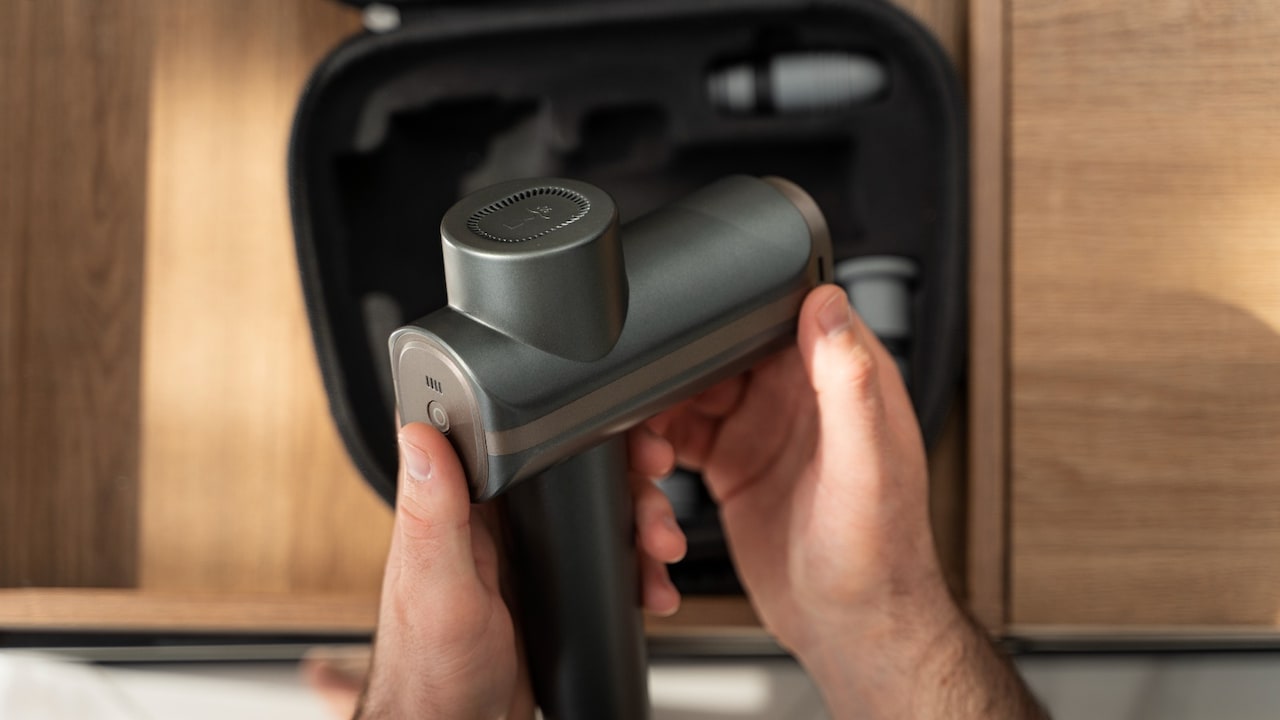
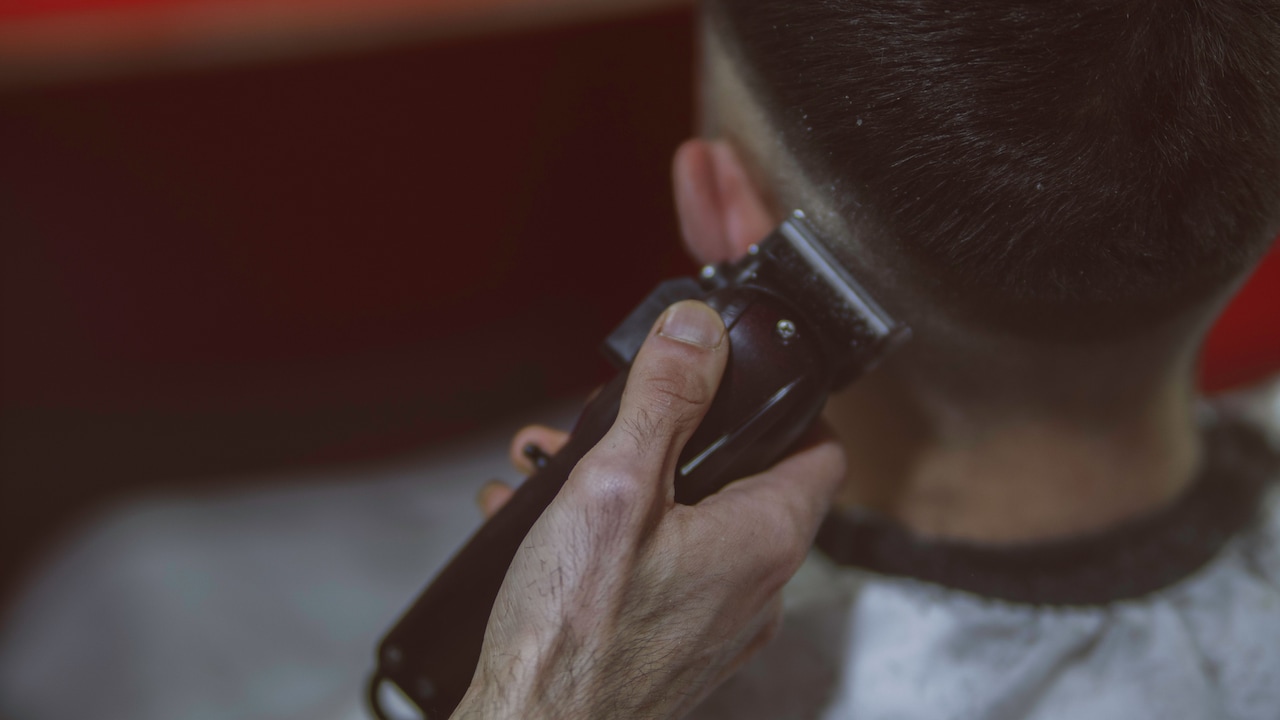
Lint Removers For Winterwear: These Tools Work On Wool, Acrylic, Knits; Photo Credit: Pexels
5) Electric Lint Removers for Acrylic: Because Acrylic Pills Like Crazy
Acrylic is popular for winterwear because it's affordable, warm, and easy to find. But acrylic also pills faster than many other fabrics. That's why electric lint removers are a lifesaver for acrylic sweaters and cardigans.
Unlike fabric shavers meant for heavy wool, some electric lint removers are designed specifically for mixed fabrics and synthetic knits. They're lightweight, easy to handle, and great for quick touch-ups. Many come with different mesh sizes, so they can catch both tiny fuzz and bigger pills.
Acrylic pills tend to look like tiny clusters that stick out, especially after washing. If left alone, they make the fabric look old. A lint remover can keep acrylic pieces looking presentable for much longer.
The key is to work in sections and keep the fabric taut. Don't rush. Acrylic can snag if the knit is loose. For best results, do it after washing and drying, when pills are most visible. Many good models fall between ₹800 and ₹2,500, depending on features and build quality.
6) The Right Tool for Wool Coats: Brush + Roller Combo
Wool coats are a winter essential, but they are also lint magnets. Dust, fuzz from scarves, hair, and even tiny fibres from other clothes stick to them. And because coats are often dark, black, navy, charcoal, everything shows.
For coats, the best approach is a combination: a lint brush for general cleaning and a lint roller for finishing touches. The brush removes larger lint and dust efficiently, while the roller picks up what's left behind.
Fabric shavers can be used on coats, too, but only if the coat has visible pilling. Many coats don't pill heavily; they just collect surface lint. Using a shaver unnecessarily can damage the fabric over time.
A good coat brush also helps keep the fabric looking structured and polished. It's the difference between “winter-ready” and “slept in the coat by accident”.
For people who wear coats daily for work, keeping a lint brush at home and a mini roller in the bag makes winter mornings smoother. No one needs the extra stress of discovering fuzz right before stepping out.
7) Scarves, Shawls, and Stoles: The Soft Items Need Soft Handling
Scarves and shawls go through a lot. They sit close to the face, rub against hair, pick up makeup residue, and somehow attract lint even when stored neatly. And because many are made of wool blends or acrylic, they pill too.
For scarves, avoid heavy fabric shavers unless the scarf is thick and sturdy. A sweater comb is often safer. A lint brush is also great for removing surface fuzz without rough handling.
If the scarf is delicate, even a simple sticky lint roller can be the safest option. Roll gently, don't press too hard, and avoid repeated rolling in one spot.
Also, storage matters. Scarves stored with rough fabrics or thrown into a crowded drawer tend to collect lint faster. A simple cloth pouch or a separate shelf section can help.
A neat scarf instantly upgrades winter outfits, even if the rest is basic jeans and a sweatshirt. Keeping scarves lint-free is one of the easiest ways to look put-together without spending extra money.
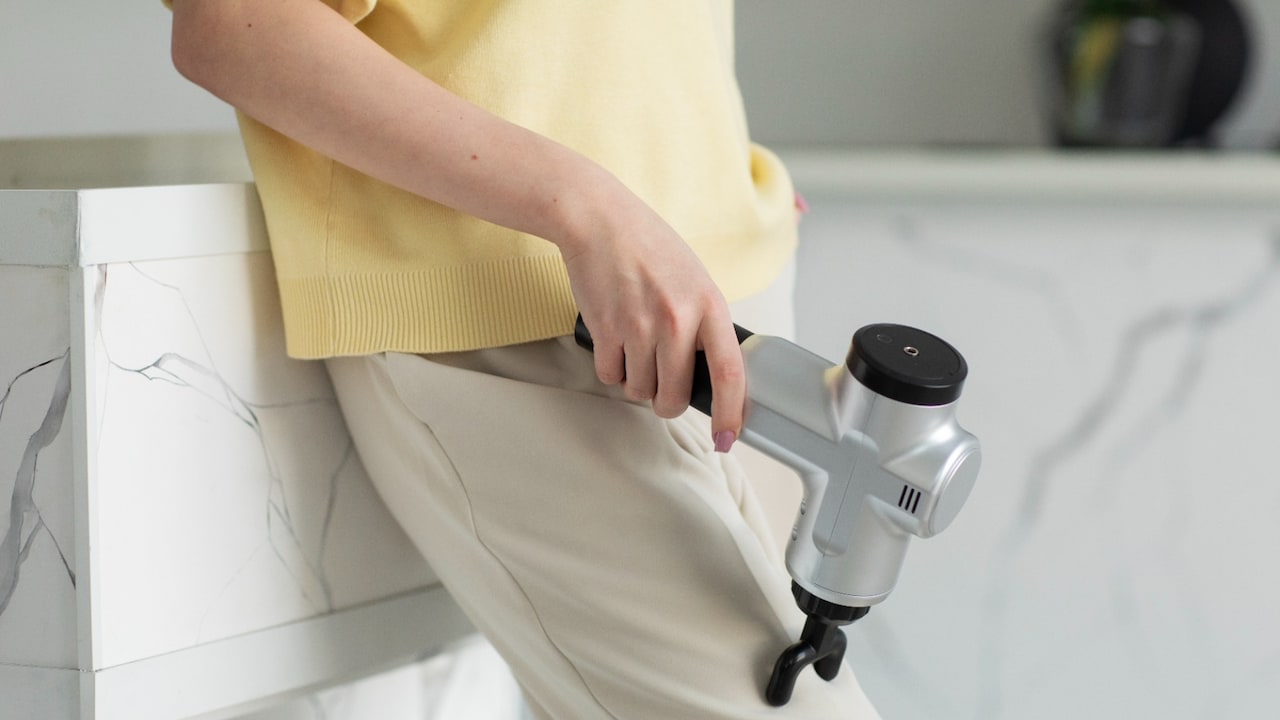
Lint Removers For Winterwear: These Tools Work On Wool, Acrylic, Knits; Photo Credit: Pexels
8) Knits and Sweaters: Preventing Pilling Before It Starts
Lint removers are great, but prevention is even better. Pilling is caused by friction. The more a fabric rubs against bags, belts, chairs, or even itself, the more pills form.
A few habits can reduce pilling dramatically. Wash knits inside out. Use a gentle cycle. Avoid mixing knits with heavy fabrics like denim in the same wash. Don't overload the machine. And if possible, air dry rather than tumble drying.
Also, consider how winterwear is worn. If the same sweater is worn repeatedly without rest, it pills faster. Rotating knits helps. Even giving a sweater a day off can reduce friction damage.
For people who love carrying crossbody bags, pilling often shows up exactly where the strap sits. Switching sides occasionally helps. It sounds silly, but it works.
When pills do appear, removing them quickly stops them from clumping and getting worse. A fabric shaver, once a month, can keep sweaters looking neat. It's a small routine that saves money in the long run.
9) Budget vs Premium: What's Worth Paying For
Not every lint remover needs to be fancy. But not every cheap tool is a good deal either. Some rollers don't stick well. Some fabric shavers have weak motors. Some brushes feel like they're just petting the lint instead of removing it.
A good sticky lint roller can cost ₹150–₹400 and last a while if used sensibly. A reusable lint brush around ₹300–₹700 is a great long-term buy. Sweater combs are also excellent value.
Fabric shavers and electric lint removers are where spending a little more makes sense. Cheap ones may tug at fabric, have blunt blades, or break quickly. A sturdy model between ₹1,200 and ₹2,500 usually offers better results and lasts longer.
Also, look for easy-to-clean designs. A lint remover that's annoying to clean will end up abandoned in a drawer. Convenience matters.
If winterwear includes wool coats, several sweaters, and frequent use of knits, investing in a reliable fabric shaver pays off. It can make clothes last longer, which is always the best kind of saving.
10) How to Use Lint Removers Without Ruining Clothes
Lint removers are helpful, but misuse can damage clothes. The biggest mistake is using the wrong tool on the wrong fabric. The second biggest mistake is rushing.
Fabric shavers should be used on flat surfaces only. Stretching fabric while shaving can cause holes. Always keep the garment laid out, smooth it gently, and shave in small sections. Don't press too hard. Let the tool do the work.
Sweater combs should be used with light strokes. If threads start pulling, stop immediately. Lint rollers should be rolled gently, especially on delicate knits, to avoid pulling fibres.
For wool coats, avoid shaving unless necessary. Brushing is safer for regular maintenance. For scarves, stick to gentle tools unless the fabric is thick.
Another tip: test on a small hidden area first, like the inside hem. It takes ten seconds and can save a favourite sweater from disaster.
And finally, clean your tools. A clogged shaver won't cut well. A dirty brush won't lift lint properly. Maintenance is simple, but it makes every tool work better.
Products Related To This Article
1. AGARO LR2007 Lint Remover, Fabric Brush, Rechargeable
2. Lint Remover for Clothes | Electric Fabric Lint Shaver for Sweater
3. Nova Lint Remover for Clothes Fabric Cleaner for Woolen Clothes
4. NUUK RIZZ Rechargeable Lint Remover for Clothes with FREE Storage Pouch
5. iRUNTEK Lint Remover, Rechargeable Fabric Shaver
Winterwear is meant to be cosy, not chaotic. But lint, fuzz, and pilling are part of the season, especially with wool, acrylic, and knits. The good news is that the fix is simple and surprisingly satisfying. A fabric shaver brings sweaters back to life. Lint rollers save mornings. Brushes and combs handle delicate pieces with care.
The best approach isn't owning every tool. It's owning the right one for your wardrobe. If the winter drawer is full of acrylic sweaters, a solid electric lint remover is worth it. If coats and shawls dominate, a lint brush and roller combo works wonders. And for delicate knits, a sweater comb is the quiet hero.
Clean winterwear looks sharper, lasts longer, and feels nicer to wear. Plus, it saves money, because replacing sweaters every season is not the kind of tradition anyone needs. A little lint removal is basically winter self-care. For clothes, yes. But also, oddly, for peace of mind.
(Disclaimer: This article may include references to or features of products and services made available through affiliate marketing campaigns. NDTV Convergence Limited (“NDTV”) strives to maintain editorial independence while participating in such campaigns. NDTV does not assume responsibility for the performance or claims of any featured products or services.)