Why Front-Load Machines Sometimes Leave Clothes Smelling Damp
Freshly washed clothes should smell clean, but front-load machines can sometimes leave them smelling damp. From trapped moisture to detergent build-up, several hidden factors may be responsible.
Why Front-Load Machines Sometimes Leave Clothes Smelling Damp
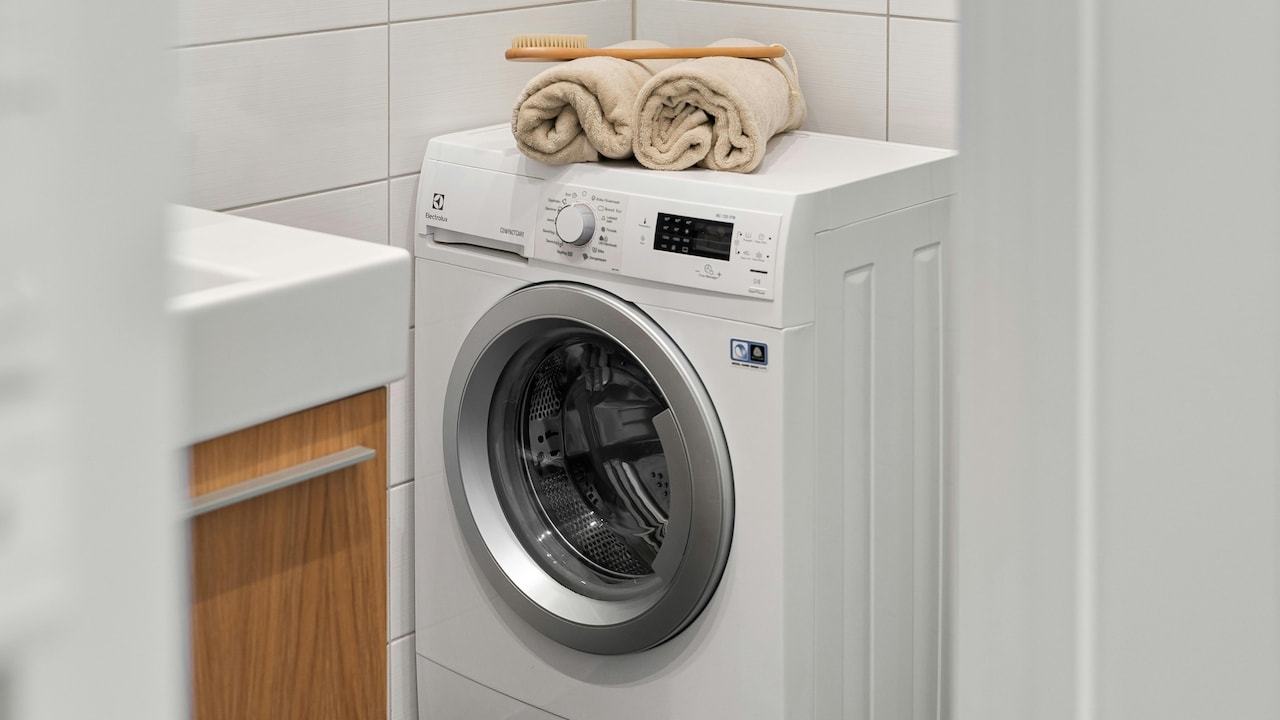
A washing machine has one simple job: clean clothes and leave them feeling fresh. So, few things feel more disappointing than opening the drum after a wash cycle and finding garments carrying a musty smell. It can be especially frustrating when favourite shirts, bedsheets, or school uniforms seem less fresh after washing than before. Front-load washing machines remain popular because they use less water and provide excellent cleaning performance. However, their design differs significantly from top-load models. The airtight door seal, efficient water usage, and horizontal drum create conditions where moisture can linger if proper care is overlooked.
Why Front-Load Machines Sometimes Leave Clothes Smelling Damp
Photo Credit: Pexels
The good news is that damp-smelling laundry rarely points to a serious fault. In most cases, the cause lies in everyday habits that are easy to correct. From detergent build-up to overcrowded loads, several factors can quietly contribute to unpleasant odours. Understanding these causes can help restore that satisfying fresh-laundry smell every household appreciates.
Common Reasons Front-Load Machines Leave Clothes Smelling Damp
Moisture Trapped In The Door Seal
One of the most common reasons behind damp-smelling clothes is the rubber door gasket found around the front-loading machine's opening. This flexible seal prevents water from leaking during wash cycles, but it also creates small folds where moisture can collect.
After a wash, tiny amounts of water often remain hidden inside these creases. Over time, this damp environment encourages mildew and bacteria to thrive. The smell may begin subtly, almost unnoticed at first, before gradually transferring onto freshly washed clothing.
Many people assume the drum is the only area requiring attention. In reality, the door seal deserves equal care. A quick inspection often reveals trapped water droplets, lint, stray hair, or even forgotten sock fibres tucked into the folds.
Imagine preparing a cup of tea and leaving the cup unwashed for days. Even a small amount of residue eventually creates an unpleasant smell. The same principle applies here. Regularly wiping the gasket with a dry cloth and checking for debris can dramatically reduce odours. It takes less than a minute yet makes a remarkable difference to laundry freshness.
Overusing Detergent Creates Residue
More detergent does not necessarily mean cleaner clothes. In fact, excessive detergent often creates the opposite effect. Front-load machines require surprisingly small amounts of detergent because they use less water than traditional models.
When too much detergent enters the drum, the machine struggles to rinse it away completely. Residue remains on clothing fibres, inside the drum, and within internal pipes. This sticky layer becomes a magnet for dirt, bacteria, and unpleasant smells.
A common scenario occurs during the monsoon season. Clothes already feel slightly damp due to humidity, prompting people to add extra detergent in the hope of achieving a fresher wash. Unfortunately, the excess product frequently worsens the problem.
The lingering residue creates ideal conditions for microbial growth. Instead of smelling fresh, clothes emerge with a stale scent that resembles a cupboard left closed for too long.
Following the detergent manufacturer's recommendations and adjusting quantities according to load size can help. Modern detergents are highly concentrated, so a little often goes a long way. The machine performs best when detergent levels remain balanced rather than excessive.
The Drum Needs Cleaning Too
Many households assume washing machines clean themselves because they constantly handle soap and water. Unfortunately, that assumption often leads to odour problems.
Even though every cycle involves detergent, the drum gradually accumulates residue from dirt, body oils, fabric softeners, and detergent particles. These substances cling to hidden surfaces and create an environment where bacteria flourish.
Think of a kitchen sink. Water flows through it every day, yet regular cleaning remains necessary. A washing machine follows the same logic.
Over months of use, deposits can build up inside areas that remain out of sight. Eventually, these deposits generate a musty smell that transfers onto clothing during wash cycles.
Running a maintenance wash once a month helps prevent this issue. A hot wash cycle without laundry can remove much of the accumulated grime. Some machine manufacturers even include dedicated drum-clean programmes specifically designed for this purpose.
Ignoring drum maintenance often leads to a cycle of frustration. Clothes smell damp, more detergent gets added, and the underlying problem continues. Regular cleaning breaks this cycle and restores freshness.
Also Read: Top Haier Home Appliances At Up To 40% Off For Smarter Summer Upgrades
Leaving Wet Clothes Inside For Too Long
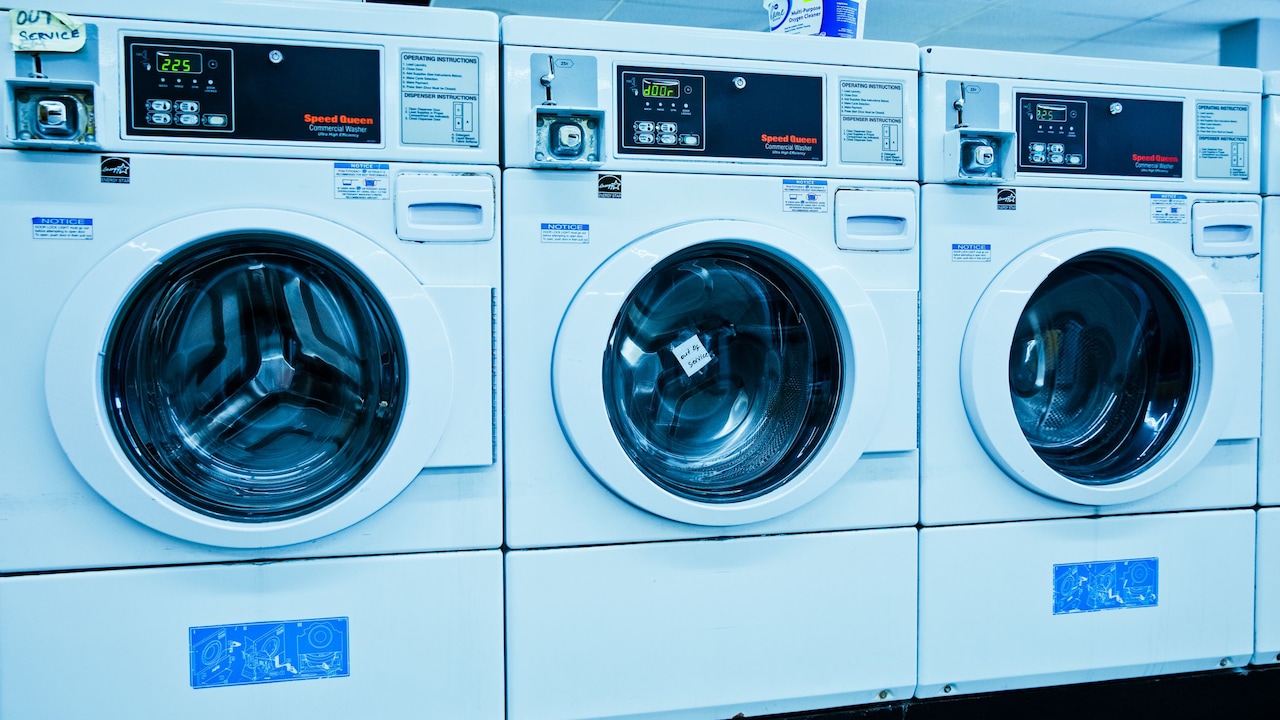
Life gets busy. A wash cycle finishes, the notification sounds, and then something else demands attention. A phone call arrives. Dinner needs preparation. Traffic delays a return home. Before long, freshly washed clothes sit inside the drum for hours.
Unfortunately, this habit creates perfect conditions for odours.
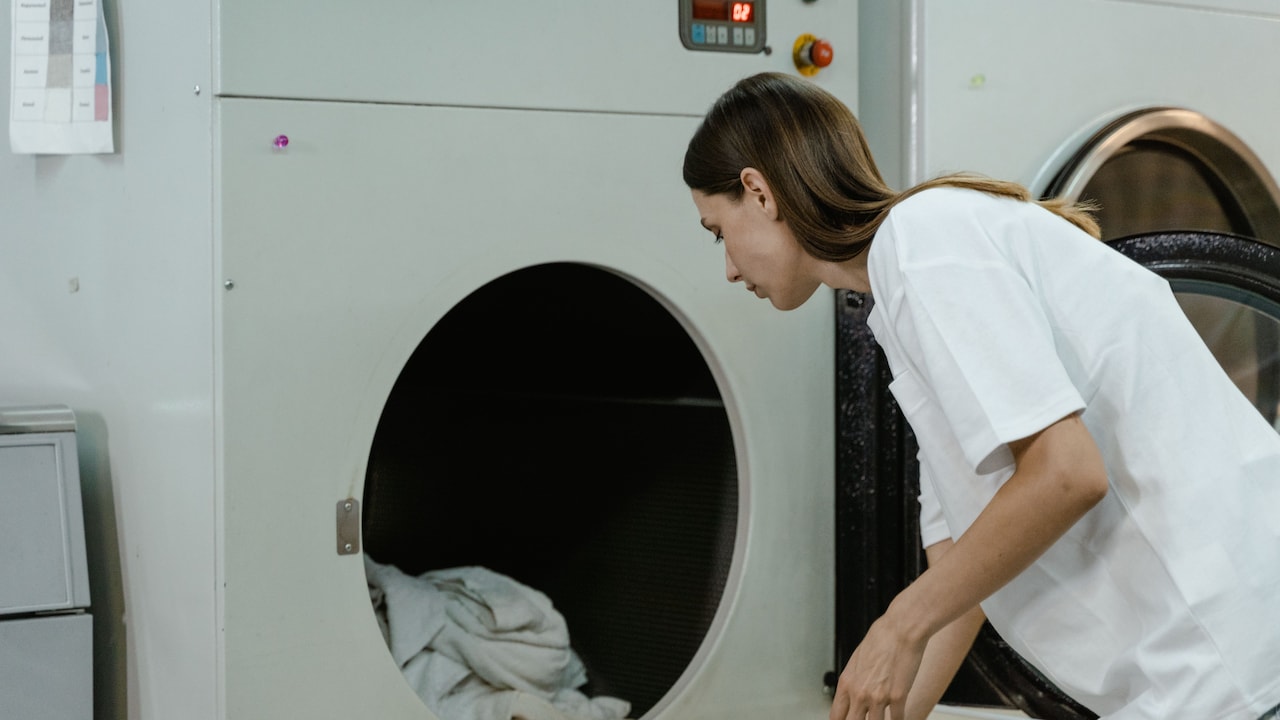
When damp clothes remain bundled together in a closed drum, moisture becomes trapped between fabric layers. Warmth and humidity quickly encourage bacterial growth. Even a few hours can be enough for musty smells to develop.
Many people recognise this familiar moment: opening the machine and wondering whether the load should be washed again. If the clothes smell stale, another wash often becomes necessary.
Promptly removing laundry after the cycle ends remains one of the easiest ways to maintain freshness. If immediate removal proves impossible, opening the machine door slightly can improve airflow and reduce moisture build-up.
Freshly washed clothes resemble hot snacks from a bakery. They are best enjoyed when handled promptly. Leave them sitting too long, and some of that freshness disappears.
Poor Airflow Around The Machine
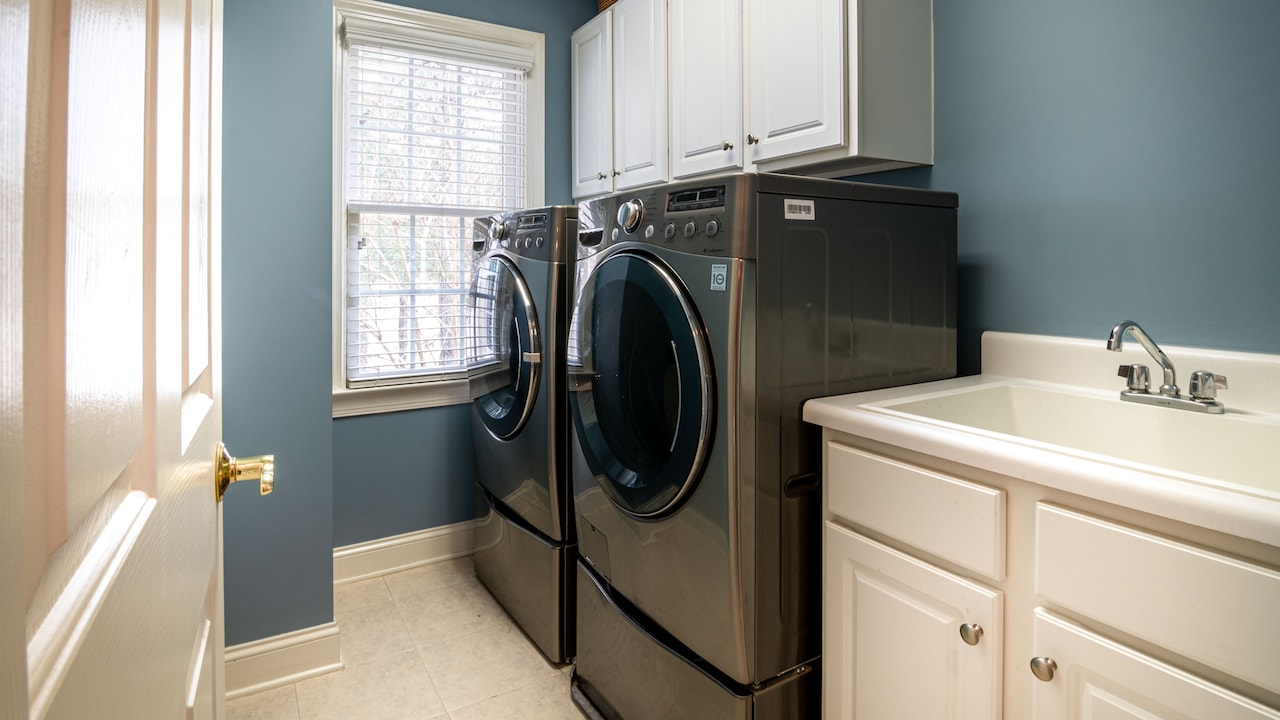
Front-load washing machines perform best when installed in well-ventilated spaces. However, many homes place them in compact utility areas, enclosed balconies, or tight corners where airflow remains limited.
Poor ventilation allows moisture to linger around the machine long after a cycle ends. This persistent dampness creates favourable conditions for mould and mildew growth.
The problem becomes particularly noticeable during humid weather. Moisture from the surrounding air combines with residual water inside the machine, making it harder for surfaces to dry completely.
A machine that never fully dries often develops a persistent musty smell. Even if clothes receive a thorough wash, they can absorb these odours during the rinse and spin stages.
Simple adjustments can help. Keeping the machine door slightly ajar after use allows air circulation. Leaving the detergent drawer open also promotes drying. Improving ventilation in the laundry area can make a noticeable difference over time.
Sometimes the solution does not involve buying new products or calling a technician. A little fresh air can work wonders.
Why Front-Load Machines Sometimes Leave Clothes Smelling Damp
Photo Credit: Pexels
A Clogged Drain Filter Can Cause Odours
The drain filter performs an important but often overlooked role. It captures lint, hair, small objects, and debris before they enter the drainage system.
Over time, the filter accumulates surprising items. Coins, buttons, hairpins, tissue fragments, and even small toys occasionally find their way inside. When these materials remain trapped alongside moisture, unpleasant smells often follow.
A neglected filter can become a hidden source of persistent odours. No matter how often clothes are washed, the smell continues to return because the underlying cause remains untouched.
Many machine owners remain unaware that their appliance even contains a drain filter. Months or years can pass before the first inspection takes place.
Checking the filter periodically helps prevent build-up. Cleaning usually takes only a few minutes and requires minimal effort. The improvement in machine performance and laundry freshness often feels immediate.
It is one of those maintenance tasks that rarely attracts attention until a problem appears. Yet a clean filter contributes significantly to cleaner-smelling clothes.
Low-Temperature Washes May Not Remove Bacteria
Energy-efficient washing habits have become increasingly common. Many households favour lower temperatures to reduce electricity consumption and protect delicate fabrics.
While this approach offers benefits, consistently washing at low temperatures can create challenges. Cooler water may not eliminate all bacteria, body oils, and detergent residues.
Over time, these substances accumulate inside the machine and on clothing fibres. The result often appears as a lingering damp smell despite freshly completed wash cycles.
Consider sportswear worn during a summer cricket match or a crowded train commute. Such garments absorb sweat and body oils that sometimes require warmer water for thorough cleaning.
This does not mean every wash should occur at high temperatures. Rather, occasional hotter cycles help maintain machine hygiene and remove stubborn residue.
A balanced washing routine often works best. Everyday items can use lower temperatures, while towels, bedding, and heavily soiled garments may benefit from warmer washes. This approach helps preserve freshness without significantly increasing energy costs.
Fabric Softener Build-Up Can Create Problems
Fabric softener promises softer clothes and pleasant fragrances. However, excessive use can contribute to damp-smelling laundry.
Unlike detergent, fabric softener leaves a coating on fabrics. This coating creates a smooth feel but can also trap residue over time. When build-up occurs inside the machine, bacteria gain additional surfaces on which to grow.
The resulting odour often confuses people because clothes initially smell pleasant. Yet after drying or storage, a musty scent begins to emerge.
Imagine applying layer after layer of polish without cleaning the surface underneath. Eventually, the build-up becomes noticeable. Fabric softener can behave similarly when used too frequently.
Using the recommended amount helps avoid excessive residue. Periodic maintenance washes also assist in removing accumulated deposits.
Fresh-smelling clothes depend on cleanliness rather than fragrance alone. A machine free from residue generally delivers better results than one relying heavily on scented products.
Overloading The Machine Reduces Cleaning Efficiency
It can be tempting to fit one more shirt or an extra towel into the drum. After all, completing fewer loads saves time and effort. However, overloading a front-load machine often compromises cleaning performance.
When the drum becomes too crowded, clothes cannot move freely. Water and detergent struggle to circulate evenly through the load. Some garments receive insufficient cleaning while others retain detergent residue.
The result frequently appears as clothes that look clean yet smell slightly damp. Restricted airflow during the spin cycle can also leave excess moisture trapped within fabrics.
Large bedding items present a common example. Stuffing several bulky pieces into a single load may seem efficient, but it often reduces washing effectiveness.
Allowing enough space for garments to tumble freely helps the machine work as intended. Clothes receive better rinsing, improved cleaning, and more effective spinning.
Sometimes achieving fresher laundry means washing slightly less at a time. The extra load often proves worthwhile when every item emerges smelling genuinely clean.
Humidity Can Affect Laundry Freshness
Not every damp smell originates inside the washing machine. Sometimes the surrounding environment plays a significant role.
High humidity slows the drying process, allowing moisture to remain trapped within fabrics for longer periods. Even perfectly washed clothes can develop a musty smell if drying takes too long.
This challenge becomes especially noticeable during extended rainy spells. Clothes hung indoors may remain damp for many hours, creating conditions where odours develop despite a successful wash cycle.
The smell often leads people to blame the washing machine when the real culprit lies elsewhere. Poor drying conditions can undermine even the most effective laundry routine.
Improving airflow during drying helps considerably. Ceiling fans, open windows during dry periods, and well-ventilated drying spaces can speed up moisture removal.
Laundry freshness depends on the entire process, not just washing alone. Clean clothes still need efficient drying to maintain that crisp, fresh scent everyone expects.
Why Front-Load Machines Sometimes Leave Clothes Smelling Damp
Photo Credit: Pexels
Products Related To This Article
1. Electrolux 9kg 5 Star Front Load Washing Machine
2. Samsung 9 kg, 5 star, AI EcoBubble, Super Speed
3. LG Smart Choice, 9 Kg, 5 Star, AI Direct Drive Technology
4. IFB 6 Kg 5 Star, DeepClean® Technology, AI Powered
5. Whirlpool 9 Kg Ozone Technology 5 Star Inverter Front Load Fully Automatic Washing Machine with In-Built Heater
6. Samsung 12 kg, 5star, AI Control, AI Ecobubble
7. IFB 9 Kg 5 Star, DeepClean® Technology
Front-load washing machines offer excellent cleaning performance, but their design requires a little extra care. Damp-smelling clothes rarely indicate a major mechanical problem. More often, the cause lies in moisture trapped within seals, detergent residue, poor ventilation, delayed laundry removal, or simple maintenance oversights.
The encouraging news is that most of these issues have straightforward solutions. Regular cleaning, sensible detergent use, proper airflow, and prompt drying habits can transform laundry results. Small changes often produce surprisingly large improvements.
A washing machine should leave clothes smelling fresh, clean, and ready for the day ahead. With a few mindful habits, that fresh-laundry satisfaction can return wash after wash.
(Disclaimer: This article may include references to or features of products and services made available through affiliate marketing campaigns. NDTV Convergence Limited (“NDTV”) strives to maintain editorial independence while participating in such campaigns. NDTV does not assume responsibility for the performance or claims of any featured products or services.)