10 Food-Processor Mistakes That Leave Some Ingredients Overprocessed And Others Untouched
Avoid uneven chopping, mushy vegetables and stubborn chunks. These 10 common food-processor mistakes explain why ingredients process differently and how to get a more consistent texture every time.
10 Common Food Processor Mistakes That Ruin Texture and Consistency
The food processor has earned its place beside the pressure cooker, mixer-grinder and collection of steel dabbas in many busy kitchens. On a hectic evening, few things feel more satisfying than dropping vegetables into the bowl and watching several minutes of knife work disappear. Then the lid comes off. Half the onion resembles chutney. Three heroic chunks remain almost whole. The coriander has somehow climbed the walls of the bowl. The peanuts at the bottom have begun turning into butter, while those near the top seem blissfully unaware that processing has started. Uneven chopping often looks like a problem with the appliance, but technique usually plays a bigger role. Food processors rely on movement. Ingredients must repeatedly fall into the path of the spinning blade. When size, quantity, moisture or processing time interferes with that movement, some pieces meet the blade again and again while others escape. The good news is that a few small changes can produce noticeably better results.
10 Common Food Processor Mistakes That Ruin Texture and Consistency; Photo Credit: Pexels
Why Your Food Processor Chops Unevenly
1. Filling The Bowl Until Nothing Can Move
A food processor may have a generous bowl, but that does not mean every centimetre should contain food. Overfilling ranks among the quickest ways to create an odd mixture of puree and stubborn chunks.
The blade chops ingredients only when they circulate through its path. Pack the bowl tightly with cabbage, carrots, onions or paneer, and that circulation slows down. Pieces sitting near the blade receive repeated cuts, while those wedged higher up barely move. The bottom layer gradually turns finer as the top stays coarse.
This mistake often happens when preparing a large batch of cutlets, koftas or vegetable fillings. Processing everything in one heroic round seems faster. In reality, correcting an uneven mixture afterwards takes longer.
Leave enough empty space for ingredients to tumble around freely. For bulky vegetables, processing two smaller batches usually produces a more consistent texture than forcing everything into one crowded bowl.
Think of the bowl like a Mumbai local train at rush hour: once nobody can move, getting anywhere becomes considerably harder.
Also Read: Ditch Your Knife: What Happened When We Used Only A Food Processor For A Week
2. Throwing In Pieces Of Completely Different Sizes
A whole tomato, half an onion and tiny chunks of ginger may eventually become part of the same recipe, but they should not enter the food processor in dramatically different sizes.
Large pieces need more contact with the blade. Small pieces need less. When both go in together, the smaller ingredients may turn pasty before the larger ones break down properly. Ginger can disappear into a wet smear while chunky pieces of onion continue bouncing around.
Some preparation still matters, even when using a machine designed to reduce preparation. Cut large vegetables into roughly similar chunks before processing. They do not need ruler-perfect dimensions. The goal is simply to give each piece a reasonably equal chance of reaching the blade.
This becomes especially useful when preparing vegetable mixtures for parathas, kebabs or savoury pancakes. Uniform starting pieces create a uniform finished texture.
A food processor saves knife work; it does not completely eliminate it. Five sensible cuts before pressing the button can prevent five minutes of rescuing an uneven bowl later.
3. Holding The Button Down For Too Long
The continuous button can feel dangerously convenient. Press it, hear the powerful whirr and watch ingredients disappear beneath the lid. Unfortunately, several extra seconds can separate “nicely chopped” from “accidental puree”.
Continuous processing keeps ingredients moving past the blade without giving them time to settle. Smaller pieces repeatedly return to the cutting zone and become finer with every rotation. Larger pieces may still remain elsewhere in the bowl, particularly when ingredients have different densities.
Pulsing gives much greater control. Short bursts allow ingredients to rise, fall and redistribute between cuts. A few pulses can create the coarse texture needed for salsa, vegetable cutlets or chopped nuts without reducing delicate ingredients to paste.
There is also an important psychological trap here. The machine sounds productive while it runs, so stopping can feel premature. Yet food processors work extremely quickly.
Check the mixture earlier than seems necessary. Another pulse can always follow. Turning onion puree back into chopped onion, sadly, remains beyond even the most ambitious kitchen jugaad.
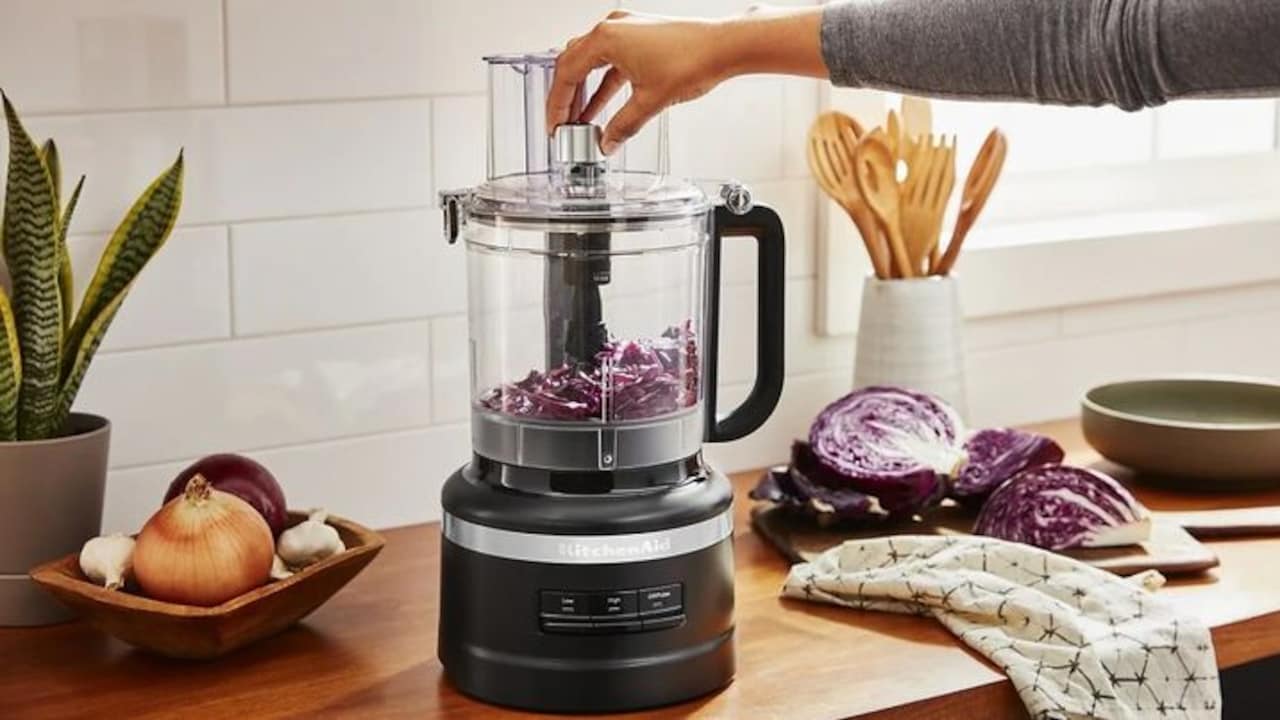
10 Common Food Processor Mistakes That Ruin Texture and Consistency; Photo Credit: Pexels
4. Ignoring Ingredients Stuck To The Bowl
Food processors create plenty of movement, but gravity does not always win. Soft, sticky or finely chopped ingredients often climb the sides of the bowl and stay there.
Coriander leaves, grated cheese, dates, soaked dals and spice mixtures can cling above the blade's effective cutting area. Meanwhile, ingredients remaining near the bottom continue getting chopped. By the time the machine stops, one section looks almost creamy while another still contains obvious pieces.
Stopping midway and scraping the bowl solves this simple problem. Switch the processor off, remove the lid and use a spatula to push ingredients gently back towards the centre and bottom. Then continue processing in short bursts.
This matters particularly when making mixtures that need an even texture, such as falafel-style patties, nut fillings, chutneys or homemade energy bites. A few seconds of scraping can dramatically improve consistency.
That pause may feel like an interruption, but it actually helps the machine do its job. Sometimes even a powerful motor needs somebody to tell the coriander to come back downstairs.
5. Mixing Wet And Dry Ingredients At The Wrong Time
Moisture changes the way ingredients behave inside a processor. Add a very wet ingredient too early, and smaller particles may stick together before everything gets chopped evenly.
Consider a mixture containing nuts, herbs, spices and lemon juice. If plenty of liquid goes into the bowl immediately, chopped nuts can collect into damp clumps along the base or sides. The blade repeatedly hits those clumps while larger leaves or pieces avoid contact.
Dry or relatively firm ingredients often benefit from initial processing before liquids join the bowl. Chop nuts, vegetables, herbs or aromatics to the desired size first. Then add water, oil, curd or citrus juice gradually if the recipe requires them.
The same principle helps with dips, chutneys and marinades. Controlled moisture encourages even mixing without turning one section into soup while another remains rough.
There is no need to fear liquid; food processors handle it perfectly well within their stated limits. Timing simply matters.
Once everything becomes slippery, convincing a stubborn chunk of carrot to cooperate can become surprisingly difficult.
6. Processing Soft And Hard Ingredients Together
Carrots and boiled potatoes may belong in the same dish, but they do not respond to a spinning blade at the same speed.
Hard ingredients need more chopping. Soft ones collapse quickly. Process both simultaneously and the tender ingredient can become creamy long before the firmer ingredient reaches the desired size. The result might contain carrot chunks floating through something suspiciously close to mashed potato.
Ingredient density deserves attention when planning the order of processing. Start with harder foods such as carrots, beetroot, nuts or firm stalks. Give them a few pulses before adding softer ingredients such as ripe tomatoes, boiled vegetables, paneer or fresh herbs.
This technique works particularly well when preparing fillings, patties and mixed vegetable bases. Everything can still end up in the same bowl, just not necessarily at the same moment.
Treat the process like adding vegetables to a kadai. Nobody expects potatoes and coriander leaves to need identical cooking time. The food processor follows the same basic logic, only at several thousand revolutions per minute.
7. Using The Wrong Blade Or Attachment
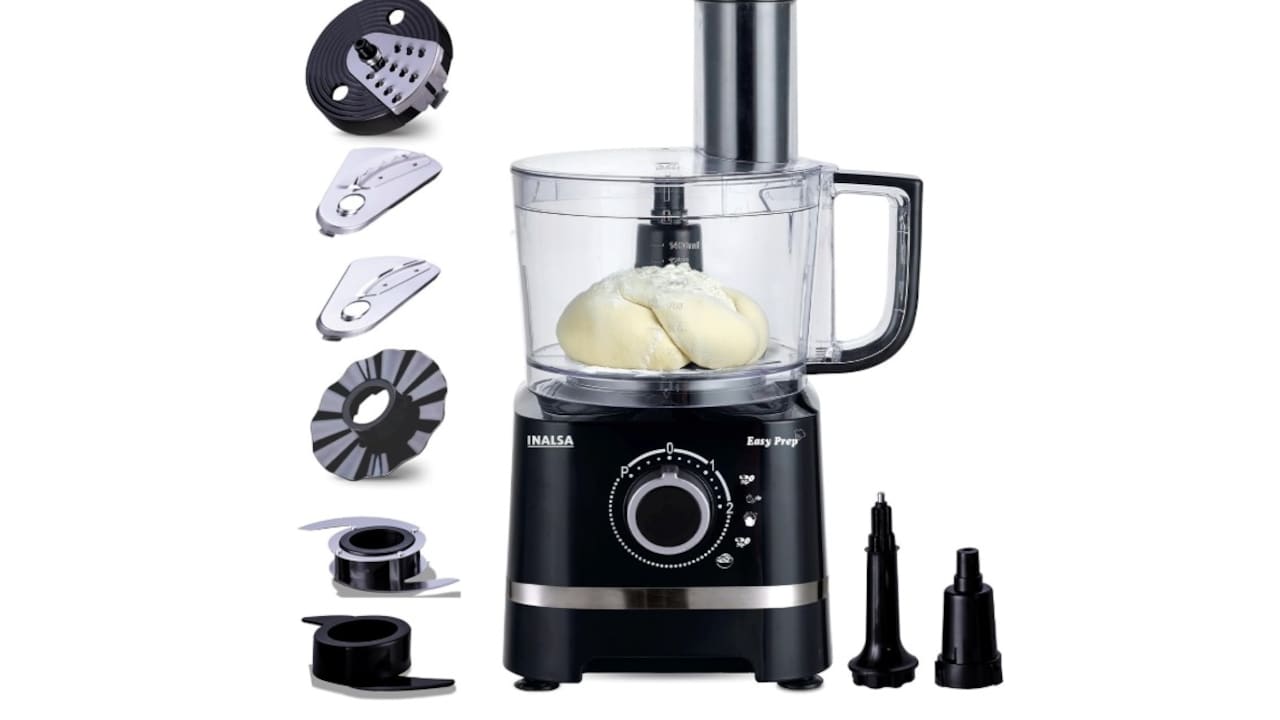
Food processors often arrive with enough attachments to make the instruction manual resemble a small engineering syllabus. Ignoring those attachments and using the standard chopping blade for everything can produce disappointing textures.
Different discs and blades perform different jobs. A slicing disc creates consistent rounds. A shredding disc handles vegetables for salads, pakoras or fillings. The main metal blade works well for chopping, mixing and many dough-related tasks, depending on the model.
Problems begin when the wrong attachment forces ingredients into an unsuitable cutting action. Trying to finely chop something that really needs even slicing can produce broken pieces of different sizes. Likewise, using a slicing attachment when a recipe requires a coarse chop will not create the intended texture.
Check the appliance manual before experimenting, particularly because attachment designs vary between brands.
Using the correct tool also reduces processing time. The difference can feel surprisingly dramatic.
A chopping blade asked to perform every task in the kitchen eventually becomes like that one relative who gets asked to organise every family function: capable, perhaps, but understandably overworked.
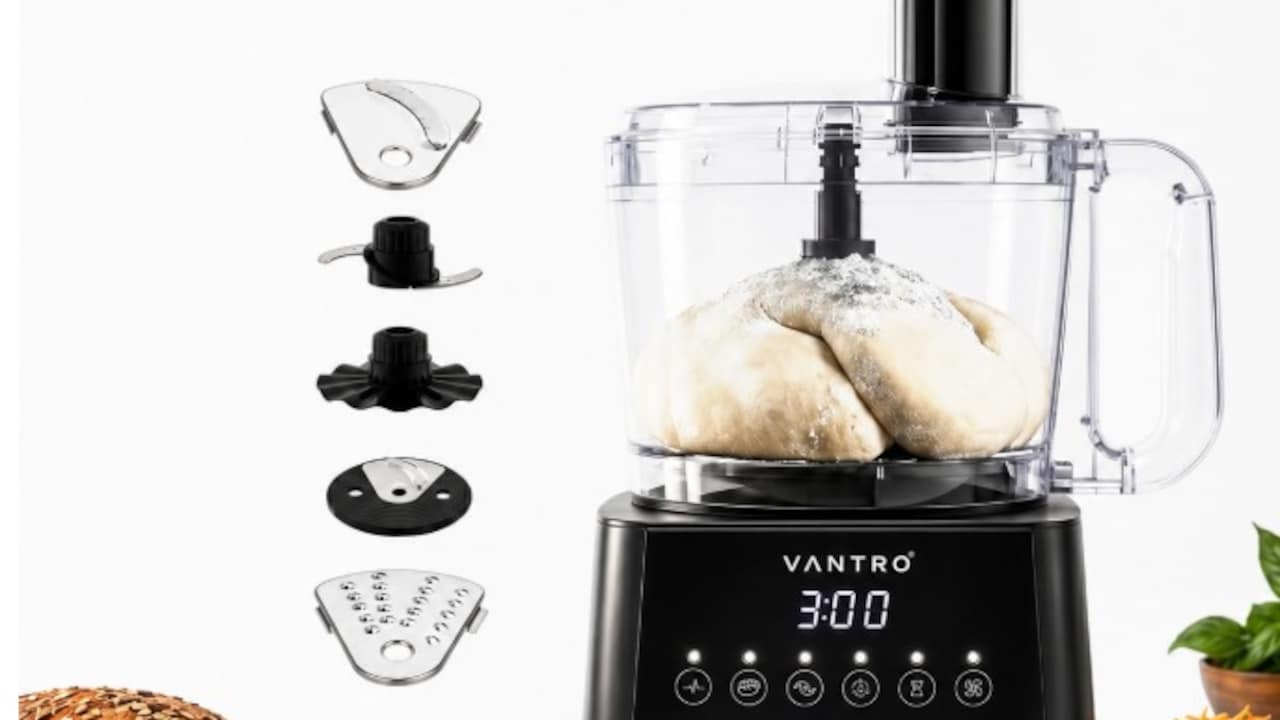
10 Common Food Processor Mistakes That Ruin Texture and Consistency; Photo Credit: Amazon
8. Forgetting To Remove Excess Water
Freshly washed coriander, soaked vegetables and rinsed ingredients often carry more water than they appear to. That extra moisture can interfere with chopping.
Water makes light ingredients stick to the bowl. It can also encourage chopped particles to gather into wet clumps, especially when processing herbs, onions or leafy vegetables. Pieces caught near the blade may become increasingly fine while slippery ingredients elsewhere continue travelling around largely intact.
After washing, drain ingredients thoroughly. Pat leafy herbs dry when the recipe requires a coarse or finely chopped texture rather than a puree. Similarly, allow soaked ingredients to drain properly before processing them for mixtures such as vadas or patties.
This small step also helps control the final consistency. An unexpectedly watery vegetable mixture may require extra breadcrumbs, flour or another binder, changing both taste and texture.
The food processor cannot distinguish between moisture that belongs in a recipe and water accidentally carried in from the sink.
Giving ingredients a few extra minutes to drain can prevent the bowl from developing its own miniature monsoon.
9. Processing Too Little Food In A Large Bowl
Overloading causes trouble, but surprisingly, so does the opposite.
Put two garlic cloves, a small piece of ginger or a handful of herbs into a large processor bowl and the blade may struggle to catch them consistently. Tiny ingredients can bounce around the empty space or settle beyond the blade's most effective area. One clove gets minced beautifully while another completes several laps without suffering meaningful damage.
For very small quantities, a compact processor bowl, mini chopper or traditional mortar and pestle often works better. Some full-sized processors include smaller inserts specifically for this purpose.
If the recipe allows it, adding other ingredients can also increase the volume enough to improve circulation. Ginger and garlic destined for the same masala, for example, may process more effectively together than separately.
Choosing the right tool for the quantity saves frustration and washing up.
A large food processor is excellent at handling dinner for a family. Asking it to chase one lonely chilli around a giant bowl, however, turns food preparation into an unnecessarily expensive game of tag.
10. Walking Away While The Processor Runs
A food processor works quickly enough to punish distraction.
Turning it on and then reaching for spices, answering the door or checking a message may seem harmless. In those few moments, finely chopped onions can become watery pulp, nuts can release their oils and herbs can lose the coarse texture a recipe needs.
Unevenness also becomes harder to spot when nobody watches the ingredients move. A processor may need stopping, scraping or shaking after only a few pulses. Continuing without checking lets already-small pieces become smaller while untouched chunks remain hidden above or beside them.
Stay close and observe the bowl whenever the design allows safe visibility. Use short pulses, stop regularly and inspect the texture before continuing. Never open, scrape or adjust the contents while the blade moves.
Food processors remove physical effort from chopping, but they still benefit from attention.
The machine can process ingredients in seconds; unfortunately, it cannot recognise that the onions were meant for poha and not for an experimental onion smoothie.
Products Related To This Article
1. INALSA food processor for kitchen with Mixer Grinder Juicer
2. Philips Stainless Steel Mixer Grinder + Food Processor
3. Atomberg Zenova Mixer Grinder For Kitchen
4. Tefal Chef Assist 800W Mixer Grinder
5. Bosch PureMixx Plus 800W | Mixer Grinder + Food Processor
6. Preethi Zion MG-227 mixer grinder 750 watt Black
7. Cuisinart FP-5IN 5-Cup Food Processor
Uneven food processing rarely comes down to mysterious machinery. More often, the problem begins with crowded bowls, mismatched ingredient sizes, excess moisture, poor timing or a little too much enthusiasm with the continuous button.
Better results come from working with the way the processor moves food. Give ingredients room to circulate. Start with reasonably similar pieces. Separate hard foods from delicate ones when necessary. Pulse rather than blindly running the motor, and stop to scrape ingredients back into the blade's path. Most importantly, match the quantity and attachment to the job. A powerful appliance cannot compensate for ingredients that never reach the cutting zone.
These habits require only a few extra seconds, yet they can make everyday cooking noticeably smoother. Instead of discovering onion paste beneath three untouched chunks, the bowl delivers the texture the recipe actually needs. And when the food processor behaves predictably, there is one welcome bonus: less time spent fixing mistakes and more time enjoying the considerably better-smelling results.
(Disclaimer: This article may include references to or features of products and services made available through affiliate marketing campaigns. NDTV Convergence Limited (“NDTV”) strives to maintain editorial independence while participating in such campaigns. NDTV does not assume responsibility for the performance or claims of any featured products or services.)