Dehumidifier vs Air Purifier: Which Does A Monsoon Home Need
Compare dehumidifiers and air purifiers to find out which is better for your home during the monsoon season based on humidity, air quality, and comfort.
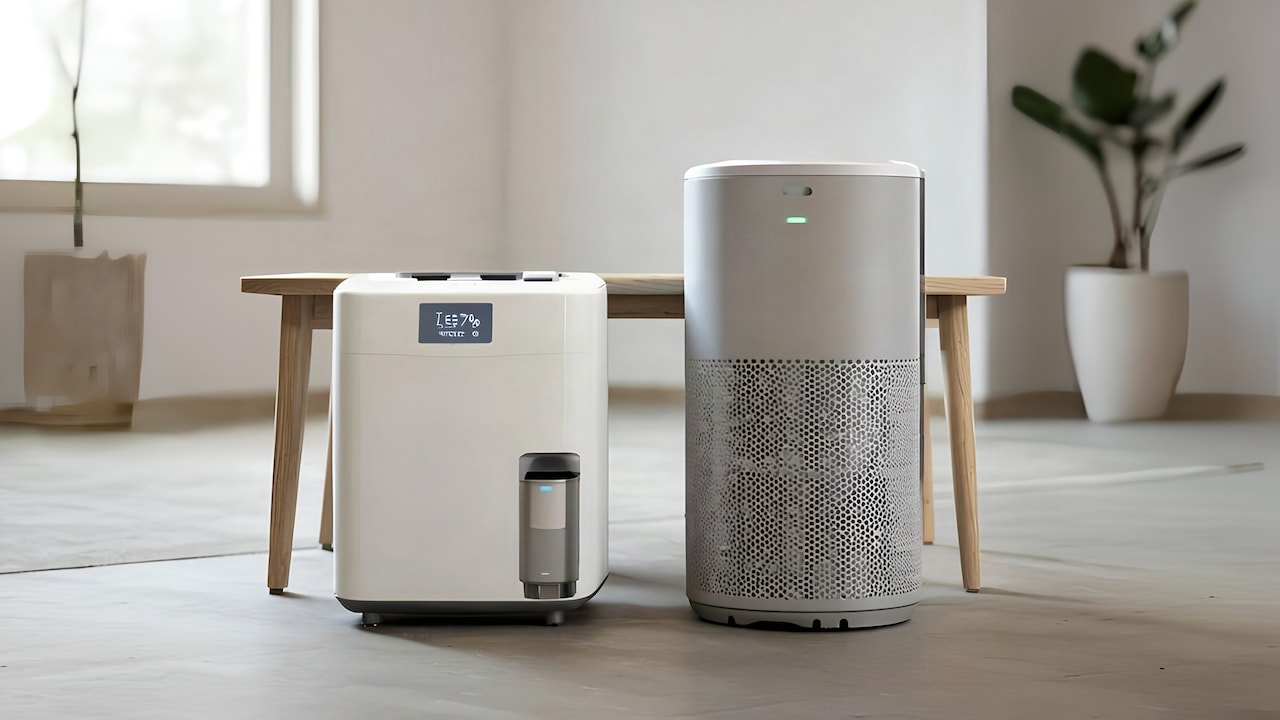
Dehumidifier Vs Air Purifier: Which Does A Monsoon Home Need
The monsoon season causes an increase in temperature with much-needed rain, but it also brings a rise in indoor humidity, dampness, and stale air. Such alterations can lead to rooms being uncomfortable and even impact furniture, clothes, and indoor air quality. This period is when most people want to purchase both dehumidifiers and air purifiers. However, both appliances offer comfort indoors in different ways, and it's not simple to identify which is better. Knowing each home appliance's functions helps you choose the right one for your home and lifestyle.
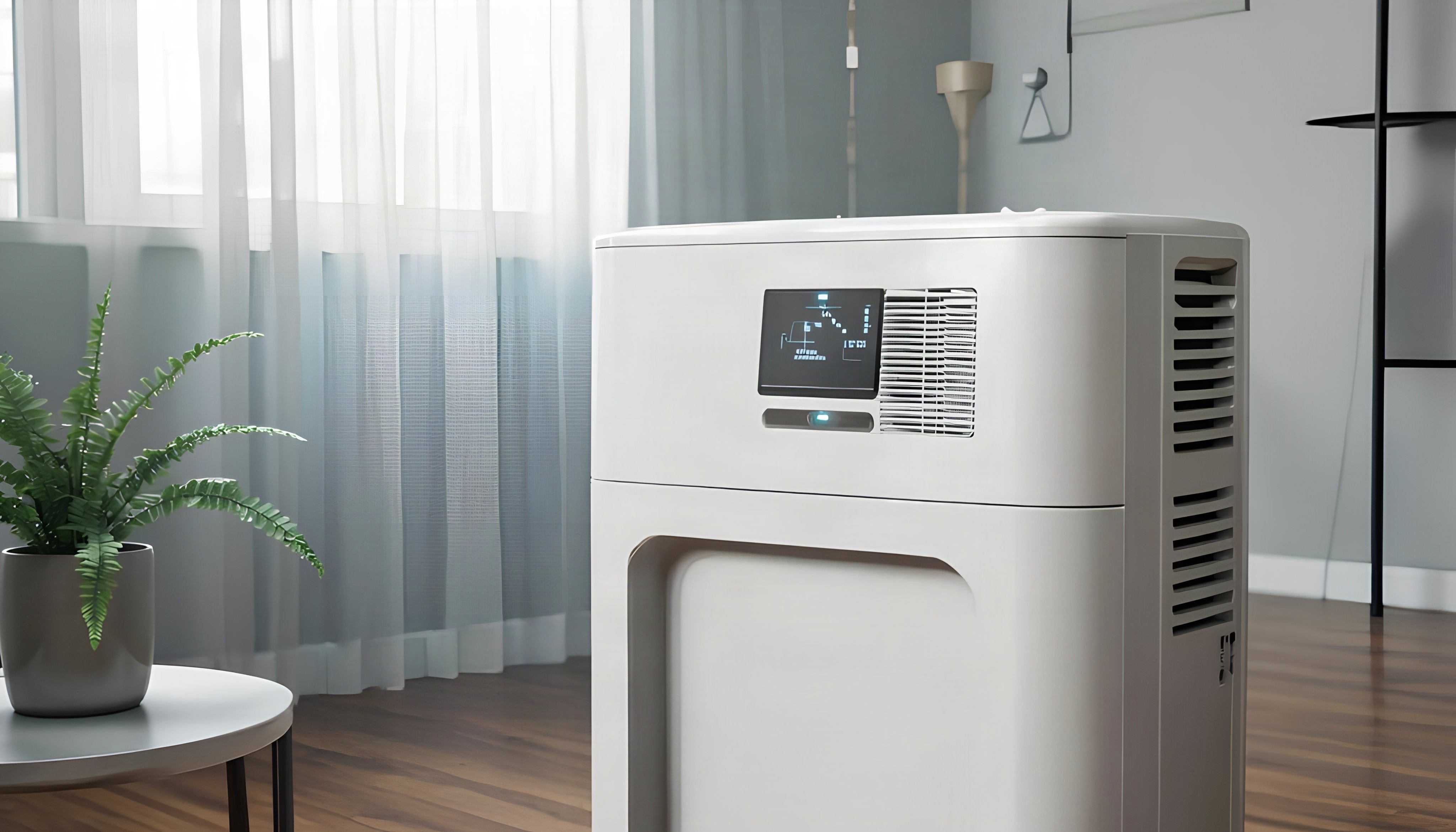
Dehumidifier Vs Air Purifier: Which Does A Monsoon Home Need? Photo Credit: iStock
Choosing Between A Dehumidifier And An Air Purifier
While both appliances can help improve the indoor environment, they serve entirely different purposes: a dehumidifier controls excessive moisture, while an air purifier removes airborne pollutants. Therefore, choosing the right appliance depends on identifying the specific issue in your home during the monsoon period.
1: A Dehumidifier Removes Excess Moisture
A dehumidifier reduces the humidity in the air by removing water; this can help to keep rooms from getting too damp and can prevent mould and mildew from growing in moist environments.
2: An Air Purifier Cleans Indoor Air
Air purifiers are designed to trap dust particles, pollen, smoke, pet dander, and more. Also, they are not intended to dehumidify; they aim to improve the air quality.
3: Damp Homes Benefit More From Dehumidifiers
A dehumidifier is typically the better choice if a room is constantly humid, if clothing from windows takes a longer time to dry indoors, or in rooms with condensation.
4: Dust And Allergens Call For An Air Purifier
If you have high concentrations of dust, pet hair, pollen or even allergens in your home, an air purifier that is continually filtering the inside air might work better.
5: Some Homes May Need Both
In locations where air quality is inadequate and humidity is high, operating either a heating or cooling appliance simultaneously can help maintain and improve the quality of the indoor air.
Also Read: Air Purifier vs Humidifier: Which One Does Your Home Actually Need?
Understanding How Both Appliances Work
A dehumidifier extracts wet air into the unit, cools the air down to condense water and will either put the water into a container or drain it. This is the air within the room being released back into it due to its drier state.
Air purification, by contrast, draws air into one or more filters that remove particles from the air and then blows clean air back into the room. A large number of modern models feature HEPA filters along with carbon filters that trap fine particles and decrease odours. These two serve different purposes and don't really replace each other to a significant extent.
Practical Tips For Choosing The Right Appliance
Step 1: Identify The Main Problem
When it comes to the rainy season and your home feels moist or has moisture problems, it is a better choice to use a dehumidifier in general. If the concern is dust and indoor air quality, use an air purifier.
Step 2: Consider Your Local Climate
This may help homes in areas that experience high relative humidity during the monsoons, and may also be important in urban homes because of pollution.
Step 3: Check The Room Size
Always select an appliance with a suggested coverage area that is comparable to the size of the room in which you will be using it.
Step 4: Factor In Maintenance Costs
There is a need for routine maintenance on both appliances. You will have to replace the water tank with a new one and disinfect it and replace the air purifier's filters as per the manufacturer's instructions.
Benefits Of Using The Right Appliance During Monsoon
Choosing the right appliance can enhance comfort in indoor spaces during the rainy season. A dehumidifier can help to keep wetness to a minimum and minimise the stickiness of the rooms while preventing furniture, wardrobes, books and electronics from prolonged humidity.
An air purifier helps to improve the air quality indoors by removing dust, pollen, smoke and fine particles from the air. This leads to fresher air quality, making household life easier and more comfortable, especially in homes vulnerable to pollution or regularly dealing with dust; additionally, selecting the right appliance for specific needs enhances energy efficiency and savings by eliminating unnecessary features and effectively addressing the issue.
Common Mistakes To Avoid
1: Assuming an Air Purifier Removes Humidity
Many people believe that air purifiers decrease air humidity. Actually, it does not dehumidify the indoor air; it only removes airborne particles.
2: Buying Without Assessing Home Conditions
Just buying an appliance because it is popular doesn't remedy the problem. Considering whether it's humidity, dust, odours, or airflow issues is essential for making the right investment.
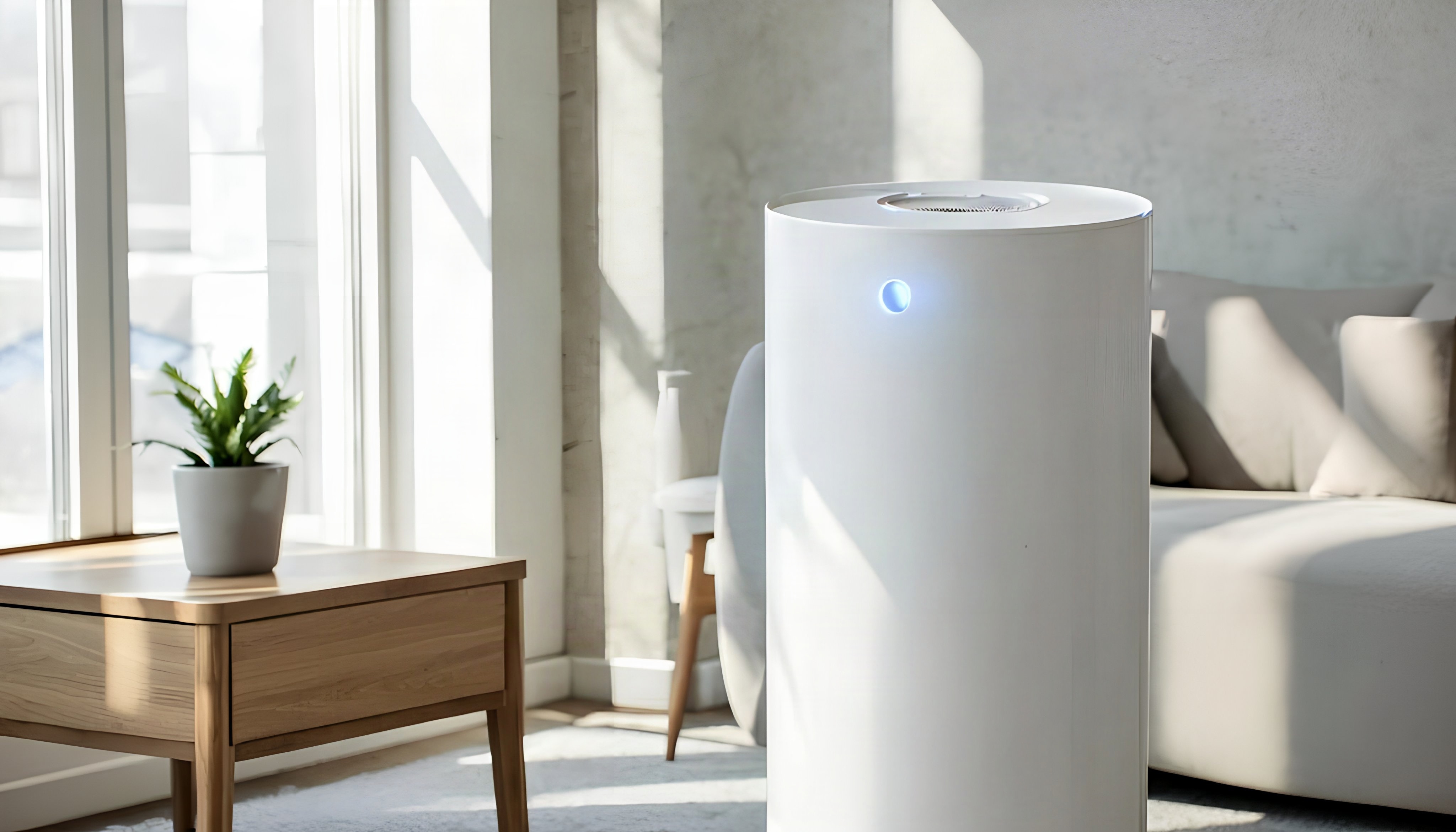
Dehumidifier Vs Air Purifier: Which Does A Monsoon Home Need; Photo Credit: iStock
Some Monsoon-Home-Apparelises You May Like
1. NexLev Dehumidifier for Room Moisture | 1000 ML Tank
2. HANNEA® Dehumidifier Daily Dehumidification Capacity Up to 350 ML
3. Lifelong Dehumidifier for Room Moisture Absorption
4. HINISO 10L Smart Compressor Dehumidifier
5. LEVOIT Core Mini Air Purifier for Coverage Area
6. Qubo Smart Air Purifier Q400 by Hero
7. Philips AC0950 Smart Wifi Air Purifier for Home
8. Pure Air PA1 Wozoyo Air Purifier, Home & Office, 4-in-1 Filter
Breathing easily isn't just about open windows and the occasional whiff of agarbatti. In a country where both pollution and dry air can sneak into homes unnoticed, choosing the right device can make all the difference.
While air purifiers are your best defence against pollutants, humidifiers can be your comfort blanket during harsh winters or dry spells. Pick what suits your space, your city, and your body's needs.
Because at the end of the day, health is wealth, and the air you breathe at home is where that wealth begins. Shop now on Amazon
Frequently Asked Questions (FAQs)
1. Can an air purifier reduce humidity during the monsoon?
No, an air purifier is designed to clean the air of pollutants and other particulate matter, but it does not reduce humidity.
2. Does a dehumidifier clean the air?
The main function of a dehumidifier is moisture removal. Some models will have minimal filters for larger particles but do not provide an air purifier function.
3. Which appliance is better for mould problems?
If the mould is due to humidity, it's usually better to use a dehumidifier to draw out the moisture. Thus helping to reduce humidity. This helps with mould growth.
4. Should I use both a dehumidifier and an air purifier?
Yes. If the home is a good application for both air conditioning and dehumidification (eg, a home that is exposed to high humidity and poor indoor air quality (IAQ)), they can be used in conjunction.
5. How do I know if my home needs a dehumidifier?
If you notice any of the following signs, a dehumidifier can help to remove excess moisture: condensation on windows, musty smells, damp walls or damp clothes. All that takes longer to dry in the house. This is especially true in rooms that are frequently damp.
(Disclaimer: This article may include references to or features of products and services made available through affiliate marketing campaigns. NDTV Convergence Limited (“NDTV”) strives to maintain editorial independence while participating in such campaigns. NDTV does not assume responsibility for the performance or claims of any featured products or services.)