Can Robot Vacuums Handle Every Type Of Rug? 10 Floor-Cleaning Myths Explained
Can robot vacuums clean every rug? Not quite. From shaggy fibres and pet hair to suction power and mopping limits, this guide busts 10 common floor-cleaning myths and explains what these smart cleaners can really handle.
Can Robot Vacuums Clean Rugs? 10 Floor-Cleaning Myths Explained
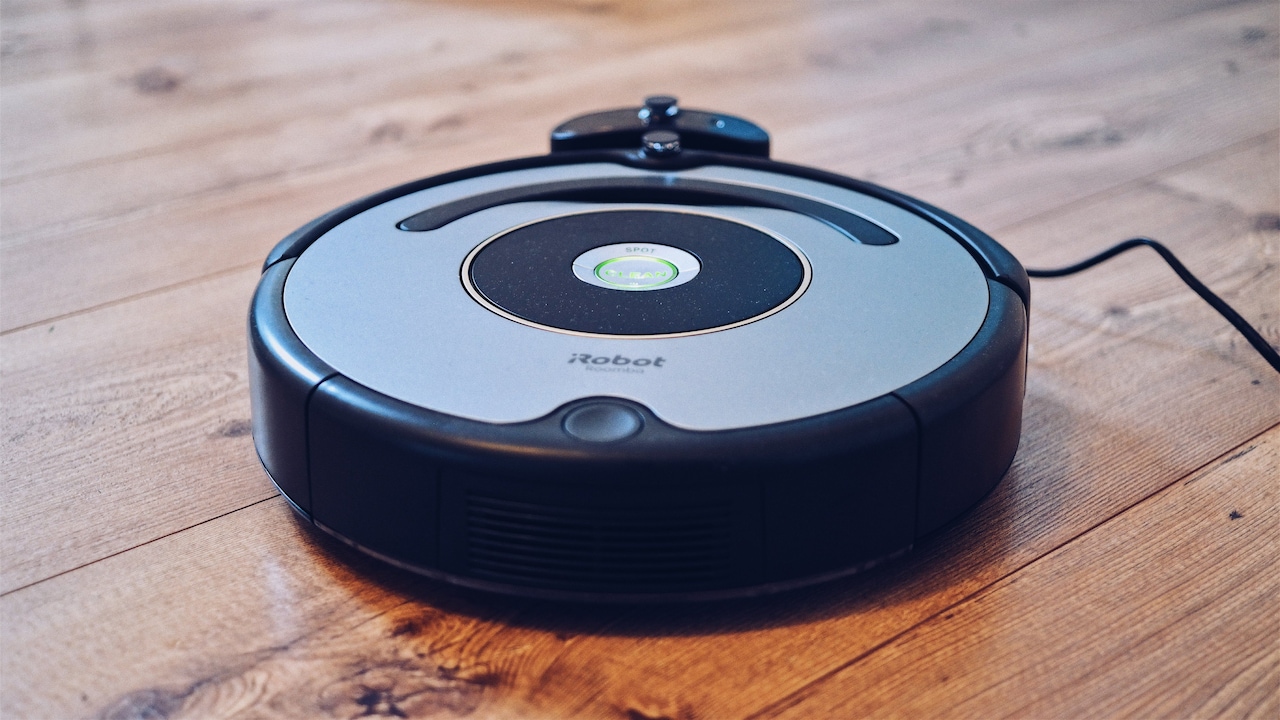
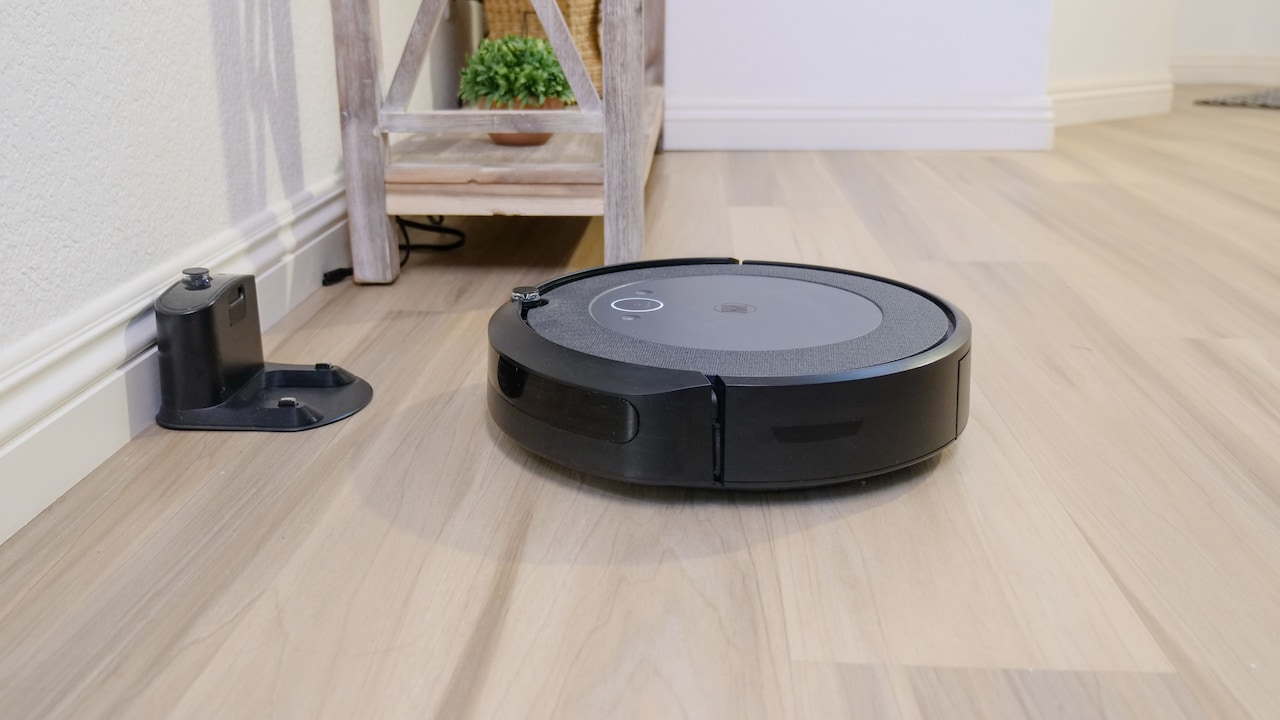
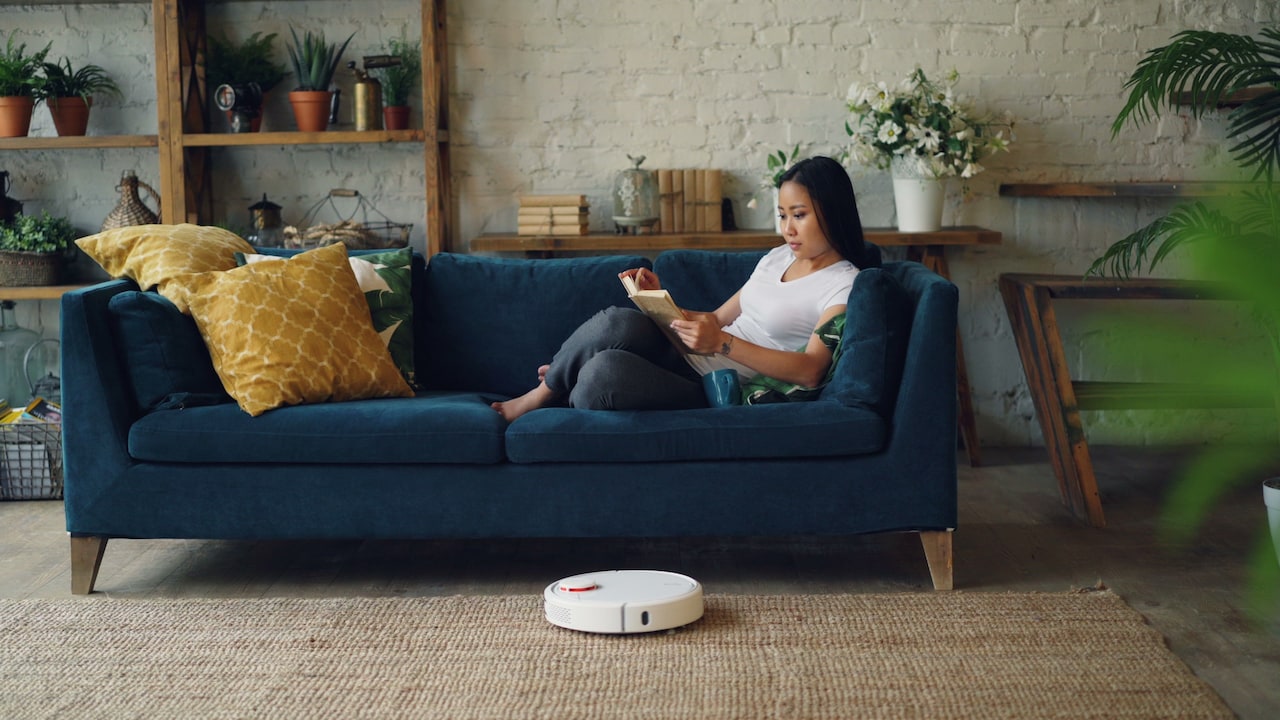
Few household gadgets make cleaning look quite as effortless as a robot vacuum. Press a button, hear a cheerful beep, and the little machine trundles away under sofas and around dining chairs while everyone else gets on with the day. It sounds wonderfully simple. Then comes the rug. One corner curls upwards. A tassel gets dangerously close to the brush. The robot approaches a thick shaggy patch, pauses as though reconsidering its career choices, then turns around. That is usually when the questions begin. Modern robot vacuums can handle far more than early models, especially on the mix of tiles, marble, wooden flooring and rugs found in many homes. Yet they still have limits. Marketing claims sometimes blur those limits, while old assumptions about robot cleaners can make them seem less capable than they really are. Understanding what these machines can and cannot do makes buying, using and maintaining one far easier. So, before expecting a small circular cleaner to become the household's new cleaning superhero, it helps to separate practical reality from ten stubborn floor-cleaning myths.
Can Robot Vacuums Clean Rugs? 10 Floor-Cleaning Myths Explained; Photo Credit: Pexels
10 Robot Vacuum And Floor-Cleaning Myths You Should Know
1. Myth: Robot Vacuums Can Clean Every Type Of Rug
A robot vacuum can clean many rugs, but “every type” stretches the truth.
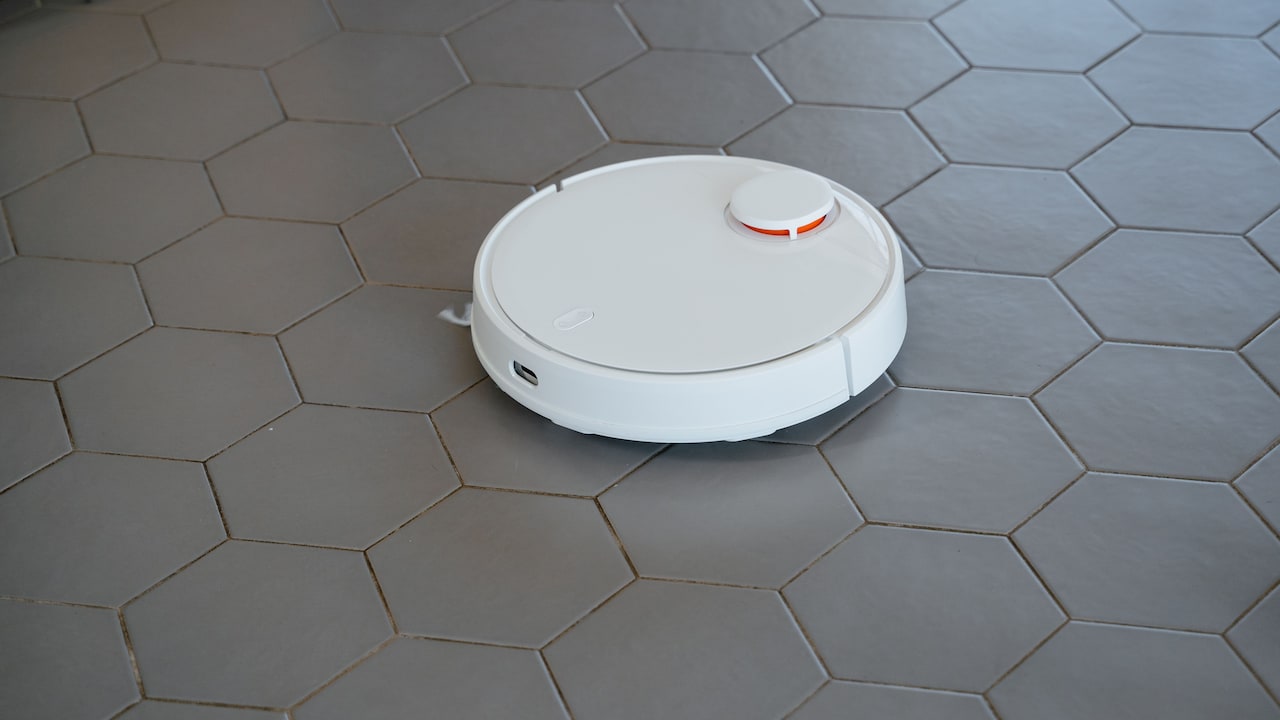
Low-pile and medium-pile rugs generally create the least trouble. Their relatively flat surfaces allow the wheels to move smoothly while the rotating brush collects crumbs, dust and hair. A thin rug beside the bed or under a coffee table may barely interrupt the robot's route.
Thick shag rugs tell a different story. Long fibres can tangle around brushes, increase resistance or prevent smaller wheels from moving properly. Lightweight rugs may also bunch up when the robot climbs onto them. Add decorative tassels and the machine may suddenly find itself wrestling with the décor.
Dark rugs can occasionally confuse cliff sensors too. Some sensors interpret very dark surfaces as a drop and make the cleaner retreat.
That does not make robot vacuums useless around rugs. It simply means the home's floor coverings matter when choosing a model. Features such as stronger motors, larger wheels, adjustable brush systems and improved obstacle detection can make a significant difference.
Think of a robot vacuum as a capable commuter rather than an off-road vehicle. Smooth roads suit it beautifully; deep, tangled terrain requires more caution.
2. Myth: More Suction Always Means Better Cleaning
Suction power makes an excellent number for a product box. Bigger figures immediately sound more impressive. Yet floor cleaning involves far more than simply pulling air through a machine.
A robot with powerful suction but a poorly designed brush may leave hair sitting stubbornly on a rug. Another model with slightly lower advertised suction can perform better because its roller agitates carpet fibres effectively and guides debris towards the intake.
Navigation matters too. A robot that cleans systematically can cover a room more thoroughly than one that repeatedly revisits the same patch while missing the crumbs beneath the dining table.
Floor type also changes the equation. Hard floors rarely demand enormous suction for everyday dust. Rugs benefit from stronger airflow and effective brush contact, particularly when pet fur or fine particles settle between fibres.
There is another practical consideration: battery life. Maximum suction usually consumes more energy and can make a robot louder. Running the machine at full power across an entire marble floor may achieve little beyond draining the battery faster.
So, comparing robots purely by suction figures resembles choosing a car only by horsepower. The number matters, but design, control and real-world performance matter just as much.
3. Myth: A Robot Vacuum Completely Replaces Manual Cleaning
The dream is appealing: buy one robot vacuum, retire the broom and never drag a conventional vacuum cleaner from the cupboard again.
Reality remains less dramatic.
Robot vacuums excel at maintenance cleaning. Run regularly, they can collect the layer of dust, crumbs, hair and everyday debris that builds up surprisingly quickly. In busy homes, that alone can make floors look noticeably cleaner between deeper cleaning sessions.
Their shape creates unavoidable limitations, though. Most cannot clean stairs. They rarely reach tight corners as effectively as a crevice attachment, and furniture with very low clearance may remain inaccessible. Skirting boards, sofa cushions, curtain edges and awkward gaps still require human attention.
Deep rug cleaning presents another challenge. A robot can remove surface debris and some embedded dirt, but heavily soiled rugs may need a powerful full-sized vacuum or professional cleaning.
That does not diminish the robot's value. In fact, its greatest strength lies in reducing how often laborious cleaning becomes necessary.
Consider it the household colleague who handles repetitive daily work without complaint. The occasional difficult assignment still needs someone with the right tools, but considerably less dust gets the chance to settle in the meantime.
Can Robot Vacuums Clean Rugs? 10 Floor-Cleaning Myths Explained; Photo Credit: Pexels
4. Myth: Robot Vacuums Cannot Handle Pet Hair
Pets have an extraordinary ability to distribute fur with impressive efficiency. A dog can walk through one room and somehow leave evidence in three.
Fortunately, modern robot vacuums often handle pet hair remarkably well.
Regular automated cleaning prevents loose fur from collecting into visible tumbleweeds under sofas and beds. Hard floors usually present little difficulty, while rugs depend more heavily on brush design and suction.
The bigger issue involves tangling. Long hair, whether from pets or people, can wrap around traditional bristle rollers. That means owners may spend an oddly personal few minutes cutting hair from the brush every week.
Newer rubber rollers and anti-tangle designs help reduce the problem, although no mechanism guarantees complete freedom from maintenance. Pet-heavy homes should also pay attention to dustbin capacity. A small bin can fill quickly during shedding season.
There is one less glamorous warning. Robot vacuums cannot always recognise pet accidents. Sending a machine across an unexpected mess can turn one unfortunate spot into an ambitious floor-wide art project.
Models with advanced object recognition reduce that risk, but checking the floor before starting a cleaning cycle remains sensible.
For everyday fur, though, robot vacuums can become one of the most appreciated gadgets in a pet-friendly home.
5. Myth: Robot Vacuums Will Constantly Fall Down The Stairs
Watching an expensive gadget approach the edge of a staircase for the first time can produce more suspense than expected.
Most modern robot vacuums use downward-facing cliff sensors to detect sudden drops. When the sensors recognise a staircase or another significant edge, the machine normally stops and changes direction.
That makes dramatic stairway tumbles relatively uncommon during normal operation.
However, sensors are not magical. Dirt covering them can affect performance, so occasional cleaning remains important. Certain unusual surfaces, lighting conditions or floor colours may also interfere with detection. Very dark flooring can sometimes create the opposite problem by making a robot believe a safe surface is actually a drop.
Homes with unusual stair layouts should therefore supervise the first few cleaning runs. Virtual boundaries, no-go zones or physical barriers provide extra reassurance when necessary.
A robot also cannot clean the staircase itself. That job remains firmly outside its skill set unless future models suddenly develop mountaineering ambitions.
The useful lesson here is simple. Stair protection has become a standard part of robot-vacuum technology, but responsible setup still matters. Allow the machine to map its surroundings properly, keep sensors clean and observe how it behaves around tricky edges before granting it completely unsupervised freedom.
6. Myth: Robot Vacuums Always Get Stuck On Furniture
Early robot vacuums earned a reputation for wandering into awkward spaces and requiring rescue. Modern machines have become much better navigators, although furniture can still create comedy.
Advanced models use combinations of cameras, lasers, sensors and mapping software to understand room layouts. Instead of bouncing randomly from chair to chair, many now plan organised routes and remember where they have already cleaned.
That does not mean every home becomes effortless territory.
Dining chairs placed close together can create narrow passages. Low furniture may allow the robot halfway underneath before trapping it. Rocking-chair bases, floor lamps and drying racks can confuse navigation. A forgotten charging cable can become a particularly attractive snack for rotating brushes.
A little preparation solves many of these problems. Moving loose wires, lifting lightweight curtains and checking furniture clearance can transform reliability.
Some apps also allow users to create virtual walls or no-go zones around troublesome areas. Once configured properly, the robot may avoid those spots without requiring physical barriers.
The machine therefore does not need a perfectly empty room. It simply benefits from an environment designed with basic common sense. Five minutes of floor preparation can prevent twenty minutes of searching for a suspiciously silent robot later.
7. Myth: Mopping Robots Can Remove Any Stain
A robot gliding across the floor with a damp mop pad looks wonderfully efficient. That does not make it a miniature professional scrubber.
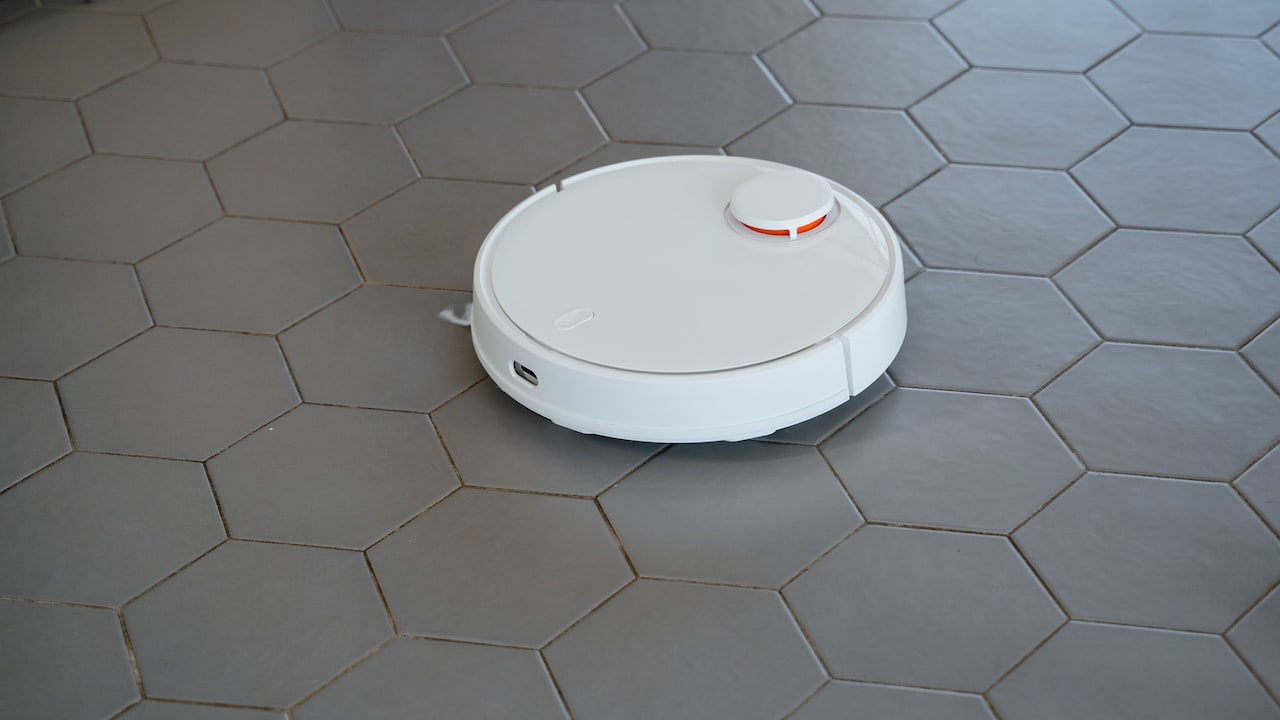
Most robot mop systems work best on fresh, light dirt. They can collect fine dust, wipe away small marks and keep tiles looking tidy between deeper cleaning sessions. Some premium machines add rotating pads, vibration or pressure to improve scrubbing.
Dried food spills, sticky syrup, oily kitchen marks and stubborn stains remain harder to remove. A cloth passing over a stain once or twice cannot always match the pressure of manual scrubbing.
The type of floor matters as well. Too much moisture can damage certain wooden or laminate surfaces. Rugs create another complication. Better hybrid robots can detect carpets and lift their mop pads or avoid carpeted zones, while simpler models may need separate cleaning areas configured in the app.
Owners should also resist pouring random floor cleaners into a robot's water tank. Products not approved by the manufacturer may clog internal components or create excessive foam.
Robot mopping works best as consistent maintenance rather than emergency stain removal. It can keep a living-room floor pleasantly fresh after the morning rush, but last night's dried curry splash may still demand a cloth and some elbow grease.
Can Robot Vacuums Clean Rugs? 10 Floor-Cleaning Myths Explained; Photo Credit: Pexels
8. Myth: Robot Vacuums Need No Maintenance
A machine that cleans the house still needs someone to clean the machine. There is a small irony in that arrangement.
Dustbins need emptying unless the robot uses a self-emptying dock. Brushes collect hair. Filters gradually become clogged, sensors gather dust and wheels can pick up threads or fibres. Ignore these parts for long enough and cleaning performance naturally drops.
Maintenance need not become a major chore. Emptying the bin regularly, removing hair from rollers and wiping sensors takes only a few minutes. Filters usually require cleaning or replacement according to the manufacturer's guidance.
Self-emptying docks reduce daily involvement considerably, but they do not eliminate maintenance entirely. Their larger dust bags eventually need replacement, while the robot's brushes and sensors still deserve attention.
Owners should also check side brushes periodically. Bent or worn brushes may stop sweeping debris effectively towards the main intake.
Replacement parts add to ownership costs. A set of filters, brushes or dust bags may cost anything from a few hundred rupees upwards depending on the brand and model. Factoring these expenses into the purchase decision prevents surprises later.
A robot vacuum may happily work every day, but treating it like a completely maintenance-free appliance eventually leads to disappointment.
9. Myth: Expensive Robot Vacuums Always Clean Better
A robot vacuum priced at ₹70,000 should surely clean seven times better than one costing ₹10,000. Unfortunately, household appliances rarely follow such convenient mathematics.
Higher prices often bring useful features rather than proportionally stronger basic cleaning. Premium models may offer sophisticated navigation, self-emptying stations, automatic mop washing, obstacle recognition, room-specific settings or advanced carpet detection.
Those additions can be extremely valuable in larger or more complex homes. Yet someone living in a compact flat with mostly hard flooring may never use half of them.
A simpler robot with reliable navigation and decent suction might handle everyday dust perfectly well.
The smartest choice therefore depends on the floor plan, rugs, pets and cleaning habits. Someone with several thick carpets may benefit more from strong carpet performance than elaborate mopping features. A home filled with furniture could gain more from accurate obstacle avoidance.
Consumable costs and service availability deserve attention too. A bargain becomes less attractive if replacement brushes are difficult to find after a year.
Price can indicate build quality and additional technology, but it does not guarantee the best match for every home.
Buy for the floor, not the feature list. The fanciest robot in the showroom cannot justify its price if its most impressive abilities never leave the settings menu.
10. Myth: Once The Robot Maps A Home, Nothing Will Confuse It
Mapping technology has transformed robot vacuums. Many machines can now identify rooms, divide spaces, create cleaning zones and return to their charging docks with impressive accuracy.
Still, a digital map does not freeze a home in time.
Move a dining table, rearrange chairs or leave a suitcase in the hallway and the environment changes. Most good robots adapt to temporary obstacles, but dramatic furniture rearrangements can occasionally require mapping adjustments.
Mirrors, reflective surfaces and unusual floor-to-ceiling glass can also challenge certain navigation systems. Meanwhile, toys, slippers and that mysterious charging cable nobody remembers leaving on the floor remain unpredictable obstacles.
Multi-storey homes create another consideration. Some robots can save several maps, while others handle multiple floors less elegantly. Owners may need to carry the device upstairs and select the appropriate map manually.
Navigation improves further when users give the system good information. Naming rooms, creating no-go areas and defining carpet zones can make routine cleaning more accurate.
A robot vacuum learns the home, but it does not develop household intuition. It cannot know that a pile of clothes is “only there for five minutes” or that the plastic bag near the kitchen will disappear later.
Smart mapping helps enormously. A reasonably tidy floor helps even more.
Products Related To This Article
1. DREAME D10 Plus Gen 2 Robot Vacuum and Mop
2. ECOVACS DEEBOT N30 White 2 in 1 Robot Vacuum Cleaner
3. ILIFE A30 Robot Vacuum Cleaner with LiDAR Navigation
4. NARWAL Freo X20 Plus Robot Vacuum Cleaner with Mopping
5. ECOVACS Deebot N50 Pro Omni 2 in 1 Robotic Vacuum Cleaner
6. DREAME D10 Plus Gen 2 Robot Vacuum and Mop
7. ECOVACS DEEBOT MINI Omni 2 in 1 Robot Vacuum Cleaner & Mop
Robot vacuums have become impressively capable, but expecting them to conquer every rug, stain and awkward corner sets them up for failure.
Their real advantage comes from consistency. A machine that quietly collects daily dust, crumbs and hair can prevent floors from reaching the stage where cleaning feels like a weekend project. For homes with mostly hard flooring and manageable rugs, that convenience can be difficult to give up once it becomes part of the routine.
Rugs simply require a little more attention. Low-pile varieties usually cooperate, while shaggy fibres, tassels and lightweight mats can challenge even advanced machines. Strong suction helps, but brush design, navigation and sensible setup matter just as much.
The best robot vacuum is therefore not necessarily the most expensive or the one covered in the largest numbers. It is the machine that suits the home's particular floors and quietly does its job without demanding regular rescue missions.
Technology has not yet made traditional cleaning completely obsolete. It has, however, made keeping floors respectable on an ordinary Tuesday considerably easier.
And when unexpected guests announce that they are “five minutes away”, respectable can feel remarkably close to revolutionary.
(Disclaimer: This article may include references to or features of products and services made available through affiliate marketing campaigns. NDTV Convergence Limited (“NDTV”) strives to maintain editorial independence while participating in such campaigns. NDTV does not assume responsibility for the performance or claims of any featured products or services.)