Do Smart Plugs Save Electricity? How Energy-Saving Smart Plugs Reduce Power Bills
Smart plugs promise lower electricity bills, but do they really work? Discover how smart plugs reduce power waste, which appliances benefit most, and the best energy-saving options for modern homes.
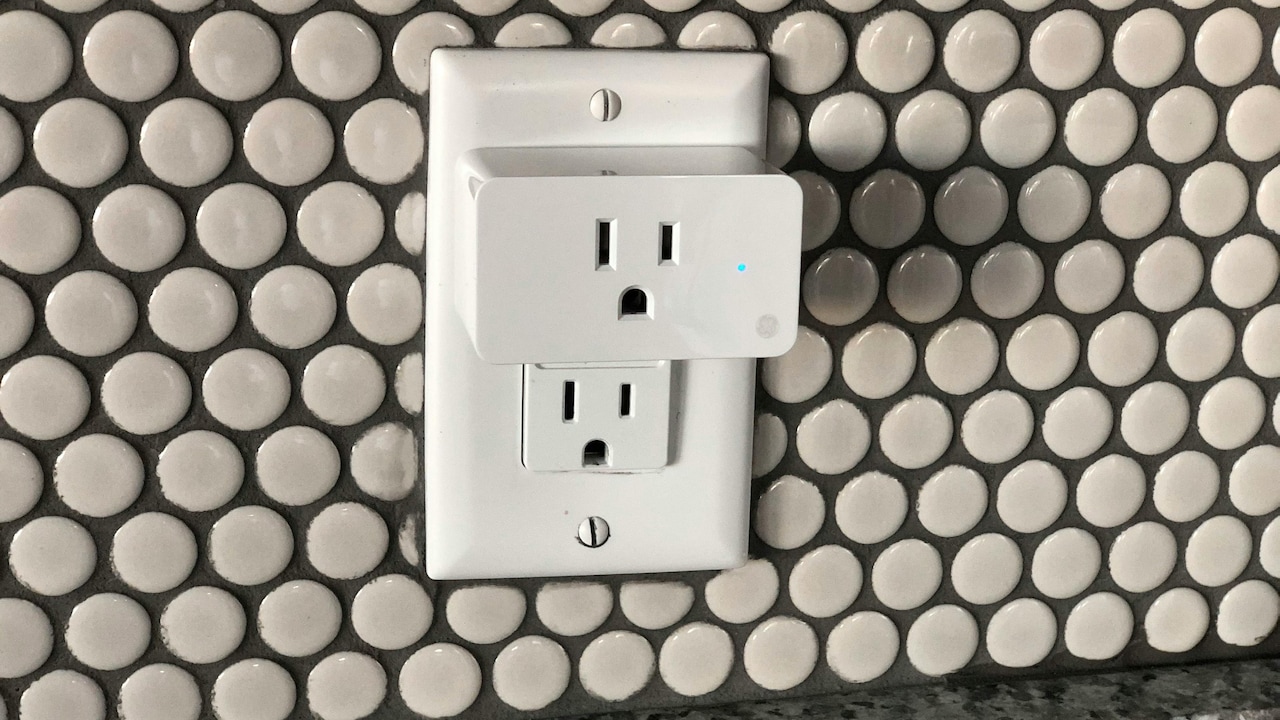
Do Smart Plugs Really Save Electricity? Here Are The Best Energy-Saving Smart Plugs That Work.
Electricity bills have a strange way of creeping up. One month, everything looks normal, and the next month the bill lands with a number that sparks a household debate about who left what running. Fans, chargers, televisions, Wi-Fi routers, water heaters, and kitchen appliances quietly draw power throughout the day. Many continue sipping electricity even when switched off.
This is where smart plugs enter the conversation. These small devices sit between the wall socket and an appliance, allowing control through a smartphone app or voice assistant. At first glance, the promise sounds almost magical. Turn devices on or off remotely. Set schedules. Track energy usage. Reduce waste.
But the real question remains simple: do smart plugs genuinely save electricity or do they merely make life more convenient?
The answer sits somewhere between technology and behaviour. Smart plugs cannot magically transform a power-hungry appliance into an efficient one. However, they can help households identify waste, automate usage, and stop unnecessary consumption. Over time, these small adjustments can lead to noticeable savings.
Think of a television left on standby all night, or a geyser heating water long before anyone wakes up. These moments of unnoticed energy use happen in many homes. Smart plugs shine precisely in these everyday situations.
This article explores the truth behind smart plugs, how they work, where they genuinely help, and which types deliver the most value when the goal is lowering electricity consumption.
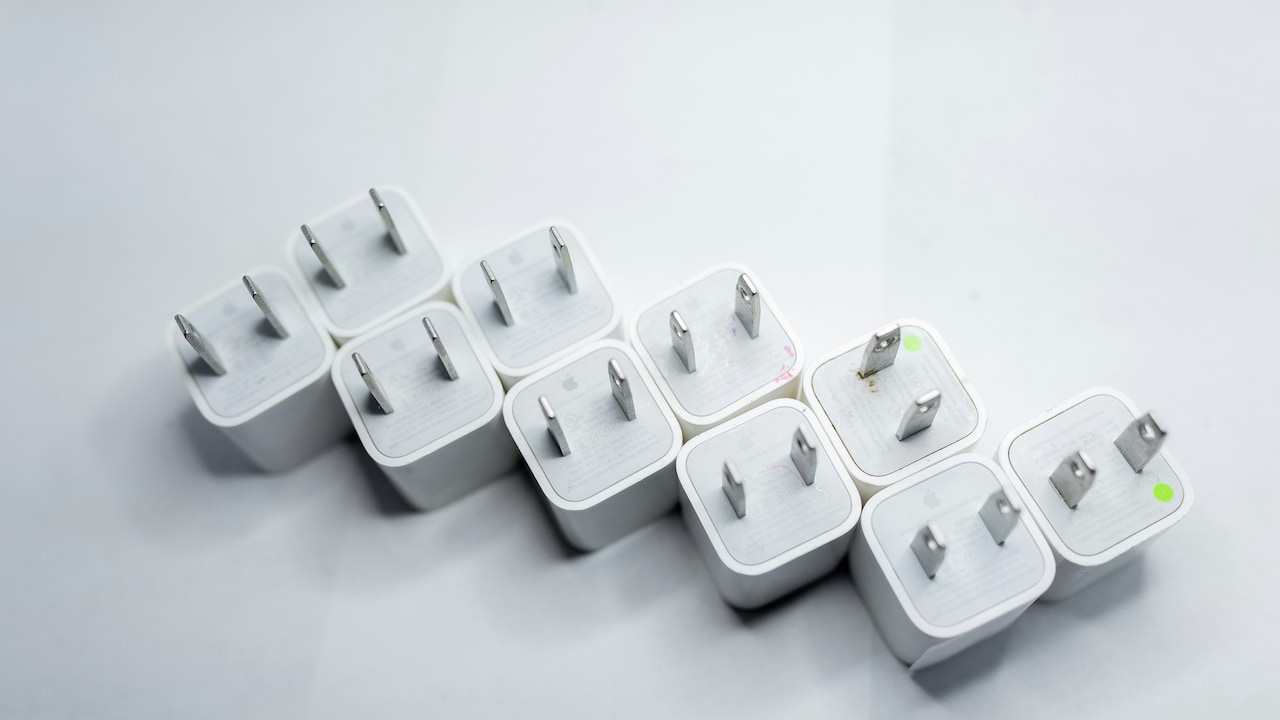
Do Smart Plugs Save Electricity? Energy-Saving Smart Plugs That Work; Photo Credit: Pexels
Practical Ways Smart Plugs Can Lower Household Electricity Use
Understanding What Smart Plugs Actually Do
Smart plugs look simple, but their function goes far beyond a regular extension socket. Once plugged into a wall outlet, they connect to a home Wi-Fi network and allow appliances to be controlled through a smartphone application.
Instead of manually switching a device on or off, the user can manage it remotely. A lamp in the living room, the coffee machine in the kitchen, or the television in the bedroom can all respond to a tap on a screen.
The true advantage lies in automation. Many smart plugs allow schedules. A fan can turn off automatically at midnight. Decorative lights can shut down after a party without anyone remembering to flip the switch.
Energy monitoring also plays a role. Certain models show exactly how much electricity a device consumes. This information often surprises households. A small heater running through the night may use far more electricity than expected.
Smart plugs do not reduce the energy demand of an appliance itself. Instead, they reduce unnecessary usage. In other words, they cut waste rather than altering efficiency.
That distinction matters. A smart plug attached to an inefficient heater will not lower its power consumption while operating. However, it can ensure the heater runs only when required.
In households where devices often stay on standby or operate longer than needed, this control becomes valuable.
The Hidden Electricity Drain Of Standby Power
Many devices appear switched off while quietly consuming electricity. Televisions, set-top boxes, gaming consoles, sound systems, microwaves, and chargers often draw standby power.
This phenomenon is sometimes called “phantom load.” Each device consumes only a small amount of electricity, but together they form a steady background drain.
Imagine a home with a television, streaming box, Wi-Fi router, and speaker system all in standby mode overnight. The consumption might seem negligible, yet it continues every day of the year.
Smart plugs tackle this issue by completely cutting power when devices are not needed. A simple schedule can switch off an entertainment system at midnight and restore power in the morning.
Over months, this reduces wasted electricity. The savings might not transform the monthly bill overnight, but they gradually add up.
Standby consumption often goes unnoticed because it never feels like active usage. However, households with many electronic devices may lose a surprising amount of electricity this way.
Smart plugs essentially give the power socket a brain. Instead of remaining permanently active, the outlet becomes selective about when electricity flows.
For anyone trying to reduce silent energy drain, this feature alone can make smart plugs worthwhile.
Also Read: 7 Best High-Amperage Smart Plugs, From Wipro, Qubo To Philips, For Old Appliances And Vintage Homes
Scheduling Appliances For Smarter Electricity Use
One of the most practical benefits of smart plugs lies in scheduling. Appliances no longer need manual control because the plug handles timing automatically.
Consider a water heater that turns on hours before anyone needs hot water. Without realising it, many homes allow heaters to run longer than necessary.
With a smart plug schedule, the heater can activate just before the morning routine begins and switch off afterwards. The same approach works for room heaters, electric kettles, or even aquarium pumps.
Lighting schedules also help. Balcony lights or decorative lamps often remain on overnight by accident. Automation prevents that waste.
These schedules create discipline around electricity usage. Instead of relying on memory, technology manages routine.
Many families discover another benefit during travel. Lights can turn on at specific times, giving the impression that someone is home. While the primary goal might be safety, the automation also prevents lights from staying on continuously.
Smart plugs do not merely provide control. They create structure in how appliances operate.
Over weeks and months, this structured usage can lead to measurable reductions in electricity consumption.
Energy Monitoring Reveals Surprising Electricity Hogs
One of the most fascinating features in advanced smart plugs is energy monitoring. Through a mobile app, users can see exactly how much electricity an appliance consumes.
This data often leads to unexpected discoveries. A refrigerator might consume less power than a constantly running room heater. A desktop computer may use more energy than anticipated.
Without measurement, these patterns remain hidden.
Energy tracking transforms electricity consumption from guesswork into visible information. When households see daily or weekly usage, they begin adjusting their behaviour.
For instance, someone might realise that a gaming console consumes power even when idle. Switching it off completely becomes an easy decision.
Some smart plug apps even calculate estimated electricity costs. Seeing usage expressed in rupees makes the impact clearer. A device that quietly consumes ₹300 worth of electricity every month suddenly becomes worth managing.
This visibility encourages smarter decisions. Instead of cutting comfort or convenience, households can identify the few devices responsible for most of the energy consumption.
Smart plugs essentially act like a small electricity audit tool within the home.
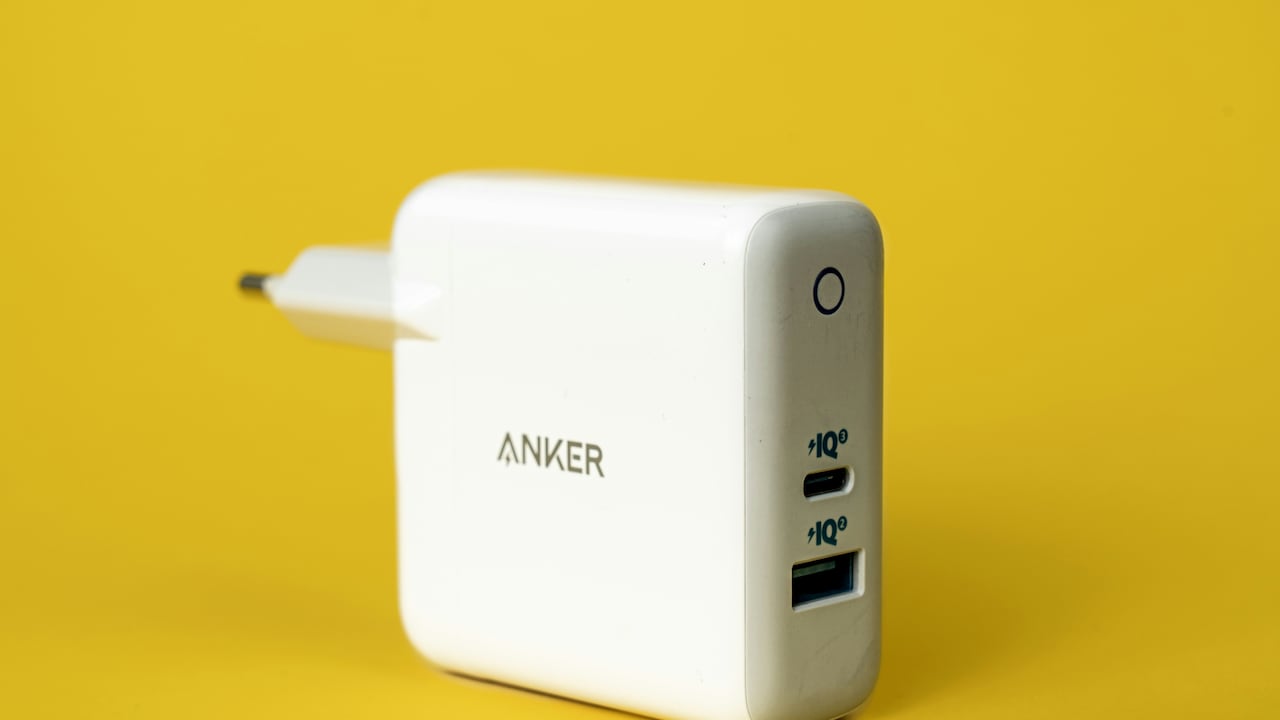
Do Smart Plugs Save Electricity? Energy-Saving Smart Plugs That Work; Photo Credit: Pexels
Voice Control And Everyday Convenience
Energy saving often begins with convenience. If switching something off requires effort, people postpone it. Eventually, the device stays on longer than necessary.
Smart plugs remove this friction by allowing voice control through assistants like Alexa or Google Assistant.
Imagine settling into bed and remembering that the living room lamp is still on. Instead of getting up, a simple voice command switches it off instantly.
While this may sound like a luxury feature, convenience directly affects energy habits. When turning off appliances becomes effortless, people actually do it more often.
Voice commands also help older family members who may find smartphone apps confusing. A simple spoken instruction can manage lights, fans, or heaters.
This small improvement in usability often leads to better electricity discipline.
Technology does not always need to feel complicated. Sometimes a simple feature like voice control quietly encourages better habits that translate into lower energy consumption.
Convenience, after all, shapes behaviour more than most people realise.
Are Smart Plugs Expensive To Run?
A common concern involves whether smart plugs themselves consume electricity. After all, if the device uses power, does it cancel the savings?
Fortunately, smart plugs use very little electricity. Most models consume roughly one watt or less while operating. Over an entire year, this amounts to only a small cost.
To put this into perspective, the electricity used by a smart plug may cost roughly ₹50–₹100 annually, depending on the model.
Compare that with the electricity wasted by a heater left running overnight or a television system stuck in standby mode. The difference quickly becomes clear.
Smart plugs, therefore, remain energy-efficient devices. Their own consumption stays minimal compared to the appliances they control.
However, the financial benefit depends on usage. If a smart plug only controls a device already used carefully, the savings may be small.
The real value appears when the plug manages appliances that frequently waste electricity.
Used wisely, a smart plug becomes less of a gadget and more of a practical energy management tool.
Best Types Of Appliances To Use With Smart Plugs
Not every appliance benefits equally from a smart plug. Certain devices offer better opportunities for saving electricity.
Lighting stands out as a perfect candidate. Lamps, decorative lights, and balcony lighting often remain switched on longer than necessary. Automation easily solves this problem.
Room heaters and water heaters also work well with smart plugs because they consume large amounts of electricity. Scheduling them carefully prevents unnecessary runtime.
Entertainment systems offer another opportunity. Televisions, speakers, and gaming consoles frequently remain on standby. A smart plug can completely cut power overnight.
Chargers represent another overlooked category. Phone chargers, laptop adapters, and power banks often stay plugged in long after devices reach full charge.
Smart plugs allow these charging periods to be limited automatically.
However, heavy appliances like refrigerators or air conditioners typically require specialised smart systems rather than standard plugs.
Choosing the right appliances ensures that smart plugs deliver genuine energy savings rather than simply adding another gadget to the home.
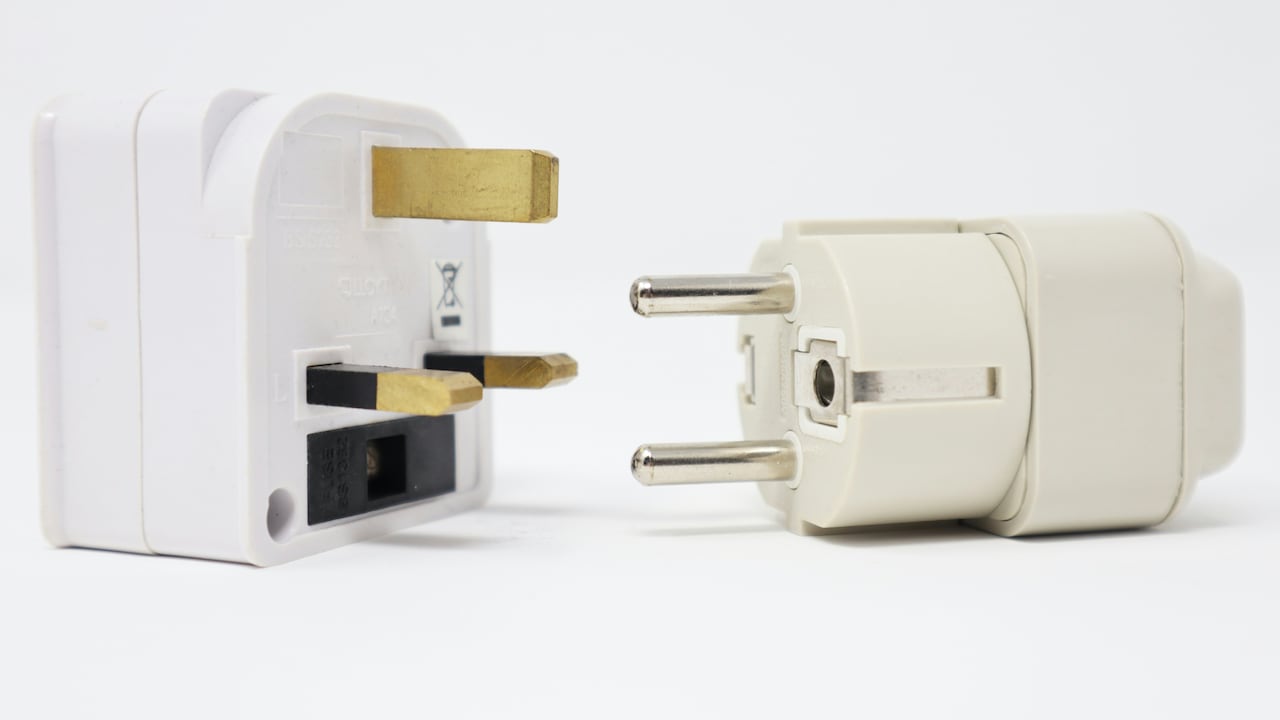
Do Smart Plugs Save Electricity? Energy-Saving Smart Plugs That Work; Photo Credit: Pexels
When Smart Plugs Do Not Make Much Difference
Despite their advantages, smart plugs do not guarantee dramatic electricity savings in every home.
If a household already manages electricity carefully, the improvement may remain modest. Turning appliances off manually already achieves similar results.
Similarly, certain devices must remain powered continuously. Wi-Fi routers, refrigerators, and security systems fall into this category.
Attaching smart plugs to such appliances offers little benefit.
Another limitation involves behaviour. Technology works best when people actually use its features. Buying a smart plug but ignoring schedules or energy monitoring reduces its effectiveness.
In other words, smart plugs assist energy-saving habits but cannot replace them.
The greatest value appears in homes where appliances frequently remain on standby or run longer than necessary.
Understanding this distinction prevents unrealistic expectations.
Smart plugs work best as tools that support smarter electricity habits rather than miraculous devices that slash power consumption overnight.
Choosing The Right Energy-Saving Smart Plug
Not all smart plugs perform equally well. Several features determine whether a model genuinely helps reduce electricity usage.
Energy monitoring ranks among the most valuable capabilities. Without usage data, it becomes difficult to identify where electricity actually goes.
Scheduling flexibility also matters. The ability to create multiple schedules across weekdays and weekends provides better control.
Compatibility with voice assistants improves usability, especially for households already using smart speakers.
Safety features deserve attention as well. Good smart plugs include overload protection and sturdy build quality to handle common household appliances safely.
App design also influences the experience. A clear interface encourages regular monitoring and adjustments.
Prices vary widely, but reliable models often fall between ₹700 and ₹2,500, depending on features.
The key lies not in choosing the most expensive device but in selecting one that fits everyday routines.
A well-chosen smart plug quietly blends into daily life while steadily reducing unnecessary electricity usage.
Products Related To This Article
1. Wipro 16A Wi-Fi Smart Plug with Energy Monitoring- Suitable for Large Appliances like Geysers
2. Lifelong Electronics 10A WiFi Smart Power Plug for Home Automation
3. Qubo 10A Wi-Fi + Bluetooth Smart Plug
4. Tapo P110 16A Wi-Fi Smart Plug with Energy Monitoring
5. Zebronics ZEB-SP116, Smart Wi-Fi Plug Compatible with Google Assistant & Alexa
Smart plugs do not perform miracles, yet they offer something equally valuable: awareness and control.
Electricity waste often hides in everyday habits. Devices remain on standby, heaters run longer than necessary, and lights stay on after everyone goes to sleep. These small moments of inefficiency quietly inflate monthly electricity bills.
Smart plugs address this problem by giving power outlets intelligence. Scheduling, remote control, and energy monitoring help households understand how electricity flows through their homes.
The savings may not appear instantly, but over time, the difference becomes noticeable. More importantly, smart plugs encourage better electricity habits.
For homes filled with gadgets, chargers, and entertainment systems, these compact devices can make energy use far more disciplined.
In the end, the real power of smart plugs lies not in technology alone but in the smarter routines they inspire.
(Disclaimer: This article may include references to or features of products and services made available through affiliate marketing campaigns. NDTV Convergence Limited (“NDTV”) strives to maintain editorial independence while participating in such campaigns. NDTV does not assume responsibility for the performance or claims of any featured products or services.)