Do You Need An Air Purifier For Winter In Delhi?
Delhi's winter air may have begun to look cleaner, but is it safe? Explore the hidden risks of indoor pollution and whether air purifiers are actually essential.
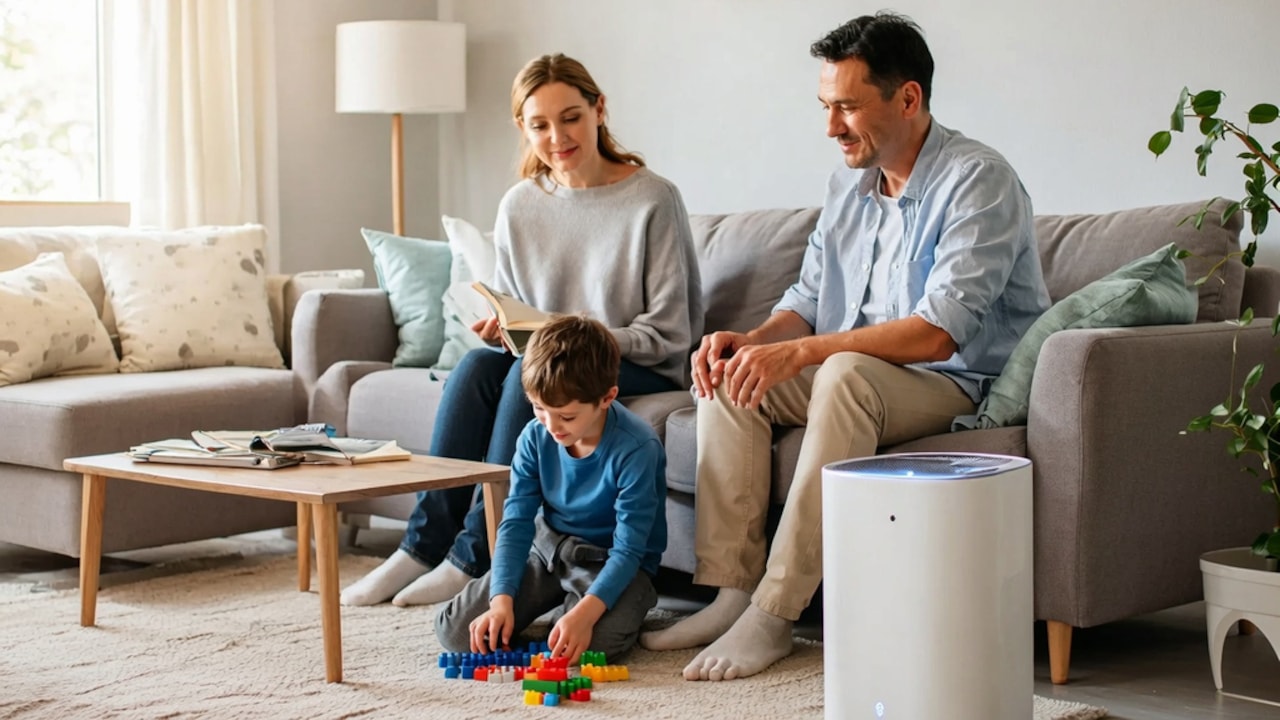
Clean air is a year-round necessity, not a seasonal luxury.
The chill of December air often feels like a welcome escape after the suffocating smog of October and November. The skies look clearer, the acrid smell of smoke fades, and the AQI apps no longer flash “hazardous” in angry red. It's tempting to believe the worst is over, to pack away the air purifier and throw open the windows for a breath of fresh air. But is that fresh air really fresh? The truth is, winter in Northern India, especially Delhi, is not just about cosy sweaters and steaming cups of chai; it's also about lingering pollutants, indoor air challenges, and health risks that don't vanish with the haze. Before you unplug that purifier, here's why you might want to think twice.
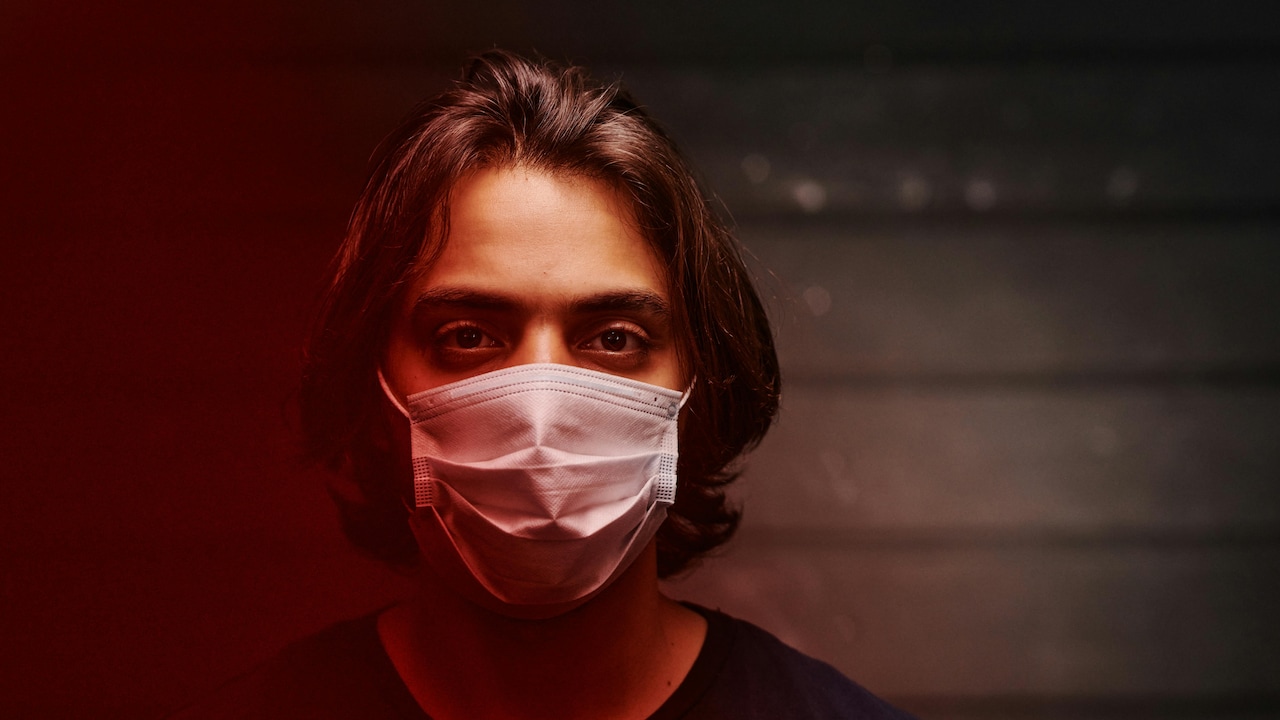
Indoor air can be five times more polluted than outdoor air.
Photo Credit: Pexels
The Illusion Of Clean Air
Every year, Delhi's pollution season peaks in late October and November, driven by stubble burning in neighbouring states, firecracker smoke, and weather patterns that trap pollutants close to the ground. By December, the visible haze often lifts, creating an illusion of cleaner air. But data from the Central Pollution Control Board (CPCB) tells a different story: winter AQI levels in Delhi frequently hover between 200 and 300, categorised as “poor” to “very poor.” Even on seemingly clear days, PM2.5 concentrations remain dangerously high, often exceeding WHO's safe limit of 15 µg/m³ by several folds.
Also Read: How Many Air Purifiers Do You Need In A Home? A Practical Guide For Delhi-NCR Residents
Indoor Air: The Hidden Culprit
Here's the twist most people overlook, indoor air can be up to five times more polluted than outdoor air, according to WHO estimates. In winter, we shut windows to keep the cold out, but this traps pollutants inside. Everyday activities like cooking, burning incense, or even lighting candles release harmful particles. Add to that volatile organic compounds (VOCs) from cleaning products, paints, and furniture, and you've got a cocktail of pollutants lingering in your living space. Without proper ventilation, these toxins accumulate, making indoor air quality a year-round concern.
Health Risks Don't Take A Holiday
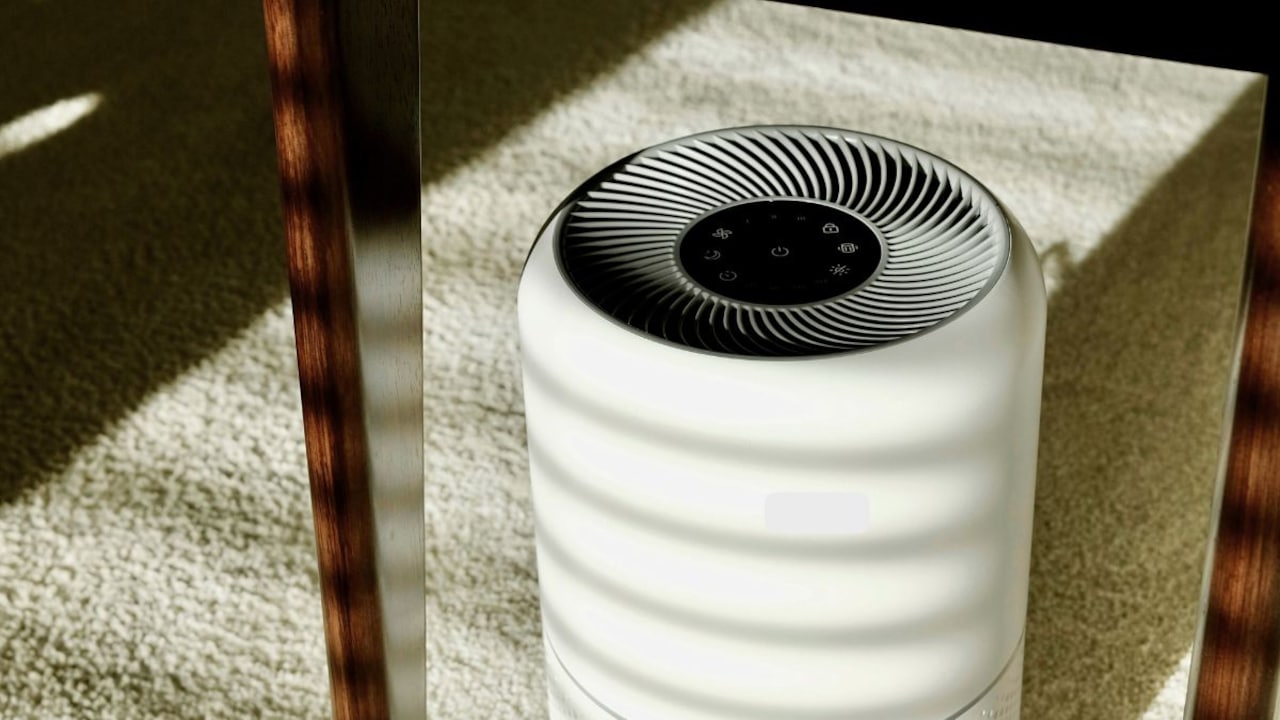
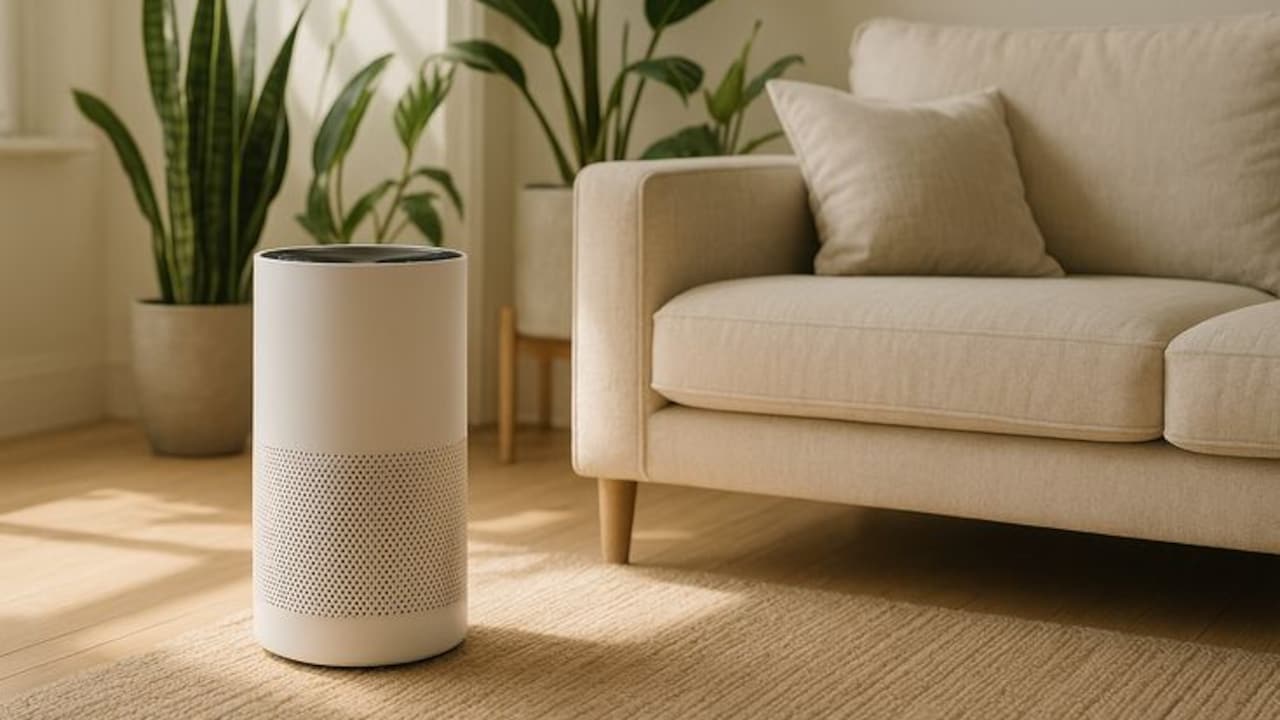
Winter pollution in Delhi doesn't disappear, it hides indoors.
Photo Credit: Pexels
Respiratory illnesses spike during winter, and poor air quality is a major contributor. Studies link prolonged exposure to PM2.5 with asthma, bronchitis, and cardiovascular issues. For children, the elderly, and those with pre-existing conditions, the risks are even higher. Dry winter air also irritates nasal passages, making us more vulnerable to infections. Many health reports have repeatedly warned that even short-term exposure to poor air can trigger inflammation and oxidative stress, leading to long-term health complications. An air purifier, equipped with a HEPA filter, can significantly reduce these risks by capturing fine particles and allergens.
Myths vs Reality
Myth: “Pollution is only a problem after Diwali.”
Reality: AQI remains poor throughout winter due to vehicular emissions, industrial activity, and weather conditions.
Myth: “Indoor air is safe.”
Reality: Indoor pollutants like dust mites, pet dander, and VOCs often exceed outdoor levels.
Myth: “Air purifiers are only for allergy sufferers.”
Reality: Clean air benefits everyone, better sleep, improved lung function, and reduced infection risk.
Why Keep The Air Purifier Running?
- Persistent Pollution: Delhi's AQI rarely dips below “moderate” in winter. Even when outdoor air seems better, PM2.5 levels indoors remain high.
- Allergen Control: Winter brings dust mites and pet dander, which purifiers help eliminate.
- Comfort and Sleep: Cleaner air improves sleep quality and reduces morning congestion.
- Long-Term Health: Consistent use of an air purifier lowers cumulative exposure to harmful particles.
Choosing The Right Air Purifier
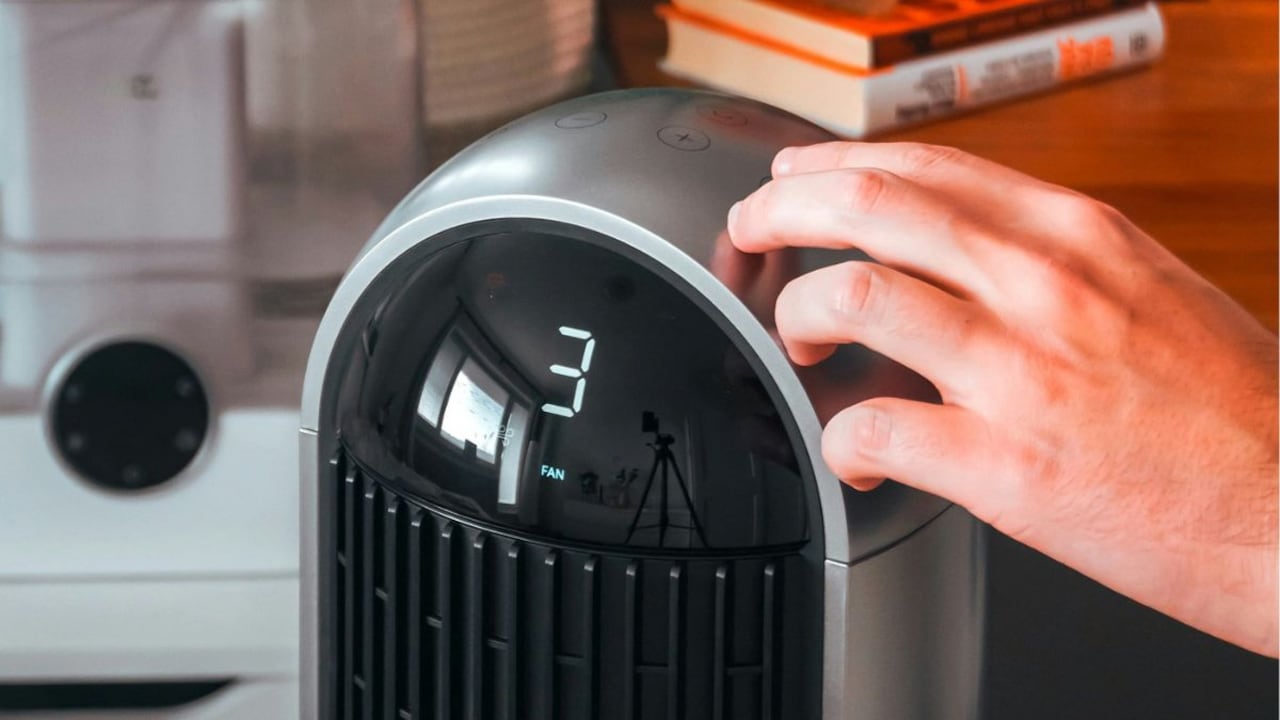
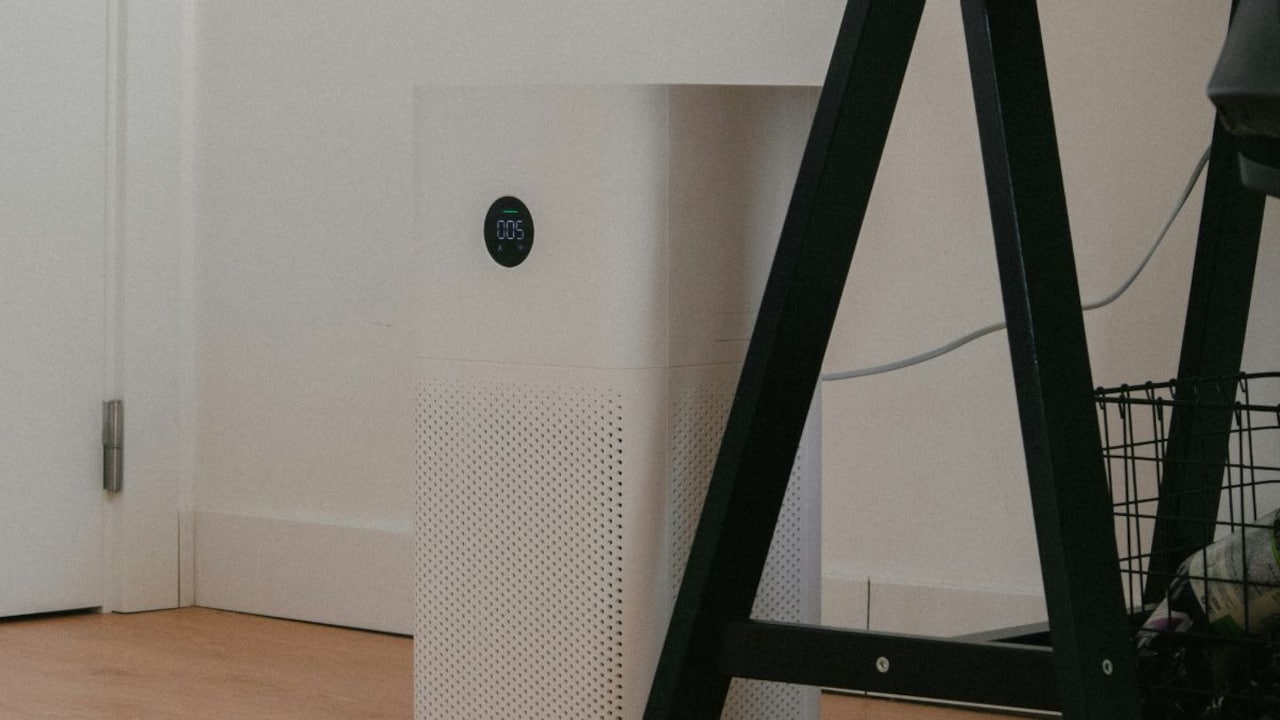
Protecting your lungs today means investing in your health tomorrow.
Photo Credit: Pexels
If you're investing in an air purifier, or deciding whether to keep yours running, look for these features:
- True HEPA Filter: Captures 99.97% of particles as small as 0.3 microns.
- Activated Carbon Filter: Removes odours and VOCs.
- CADR Rating: Higher Clean Air Delivery Rate means faster purification.
- Smart Sensors: Adjust settings based on real-time air quality.
The Bigger Picture
Air purifiers aren't a seasonal gadget, they're a year-round health investment. While they can't solve the root problem of pollution, they offer a personal shield against its effects. Think of it as an insurance policy for your lungs. As many often say, “Clean air is not a privilege; it's a basic need.”
So, do you need an air purifier for winters in Delhi? Absolutely. Pollution may have peaked, but it hasn't disappeared. Indoor air quality remains a silent threat, and your lungs deserve protection year-round. Before you stash away that purifier, remember: the battle for clean air doesn't end with the smog, it continues behind closed doors.
Frequently Asked Questions (FAQs)
1. Is an air purifier necessary in Delhi during winter?
Yes, indoor air remains polluted even when outdoor smog clears, making air purifiers essential for health.
2. Does indoor air quality improve in winter?
Not always. Closed windows trap pollutants, and indoor sources like cooking and dust worsen air quality.
3. What pollutants are common indoors in winter?
PM2.5, dust mites, pet dander, VOCs from cleaning products, and smoke from cooking or incense.
4. Can an air purifier help with winter allergies?
Yes, air purifiers reduce allergens like dust and pet dander, improving respiratory comfort.
5. How long should you run an air purifier in winter?
Ideally, keep it running continuously or at least during peak indoor activity hours for best results.
(Disclaimer: This article may include references to or features of products and services made available through affiliate marketing campaigns. NDTV Convergence Limited (“NDTV”) strives to maintain editorial independence while participating in such campaigns. NDTV does not assume responsibility for the performance or claims of any featured products or services.)