Does A Bigger Wash Load Cause More Tangling? 10 Top-Load Washer Myths Explained
Does a bigger wash load really cause more tangling? Discover the truth behind 10 common top-load washer myths, from overloading and detergent use to water levels, wash cycles, and fabric care.
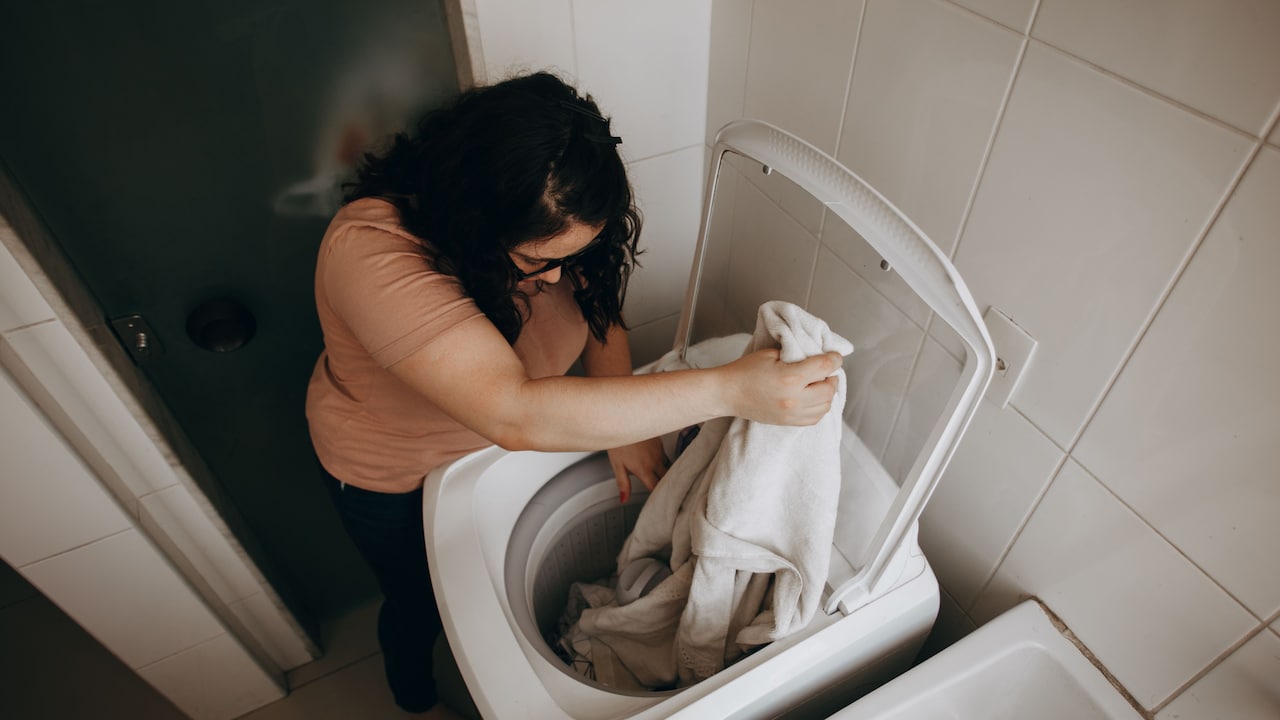
Top-Load Washer Myths Debunked: Does A Bigger Load Really Tangle Clothes?
Laundry advice tends to travel through families almost as faithfully as favourite recipes. Someone says more detergent means cleaner clothes. Another person insists a half-empty washing machine always washes better. Then there is the classic warning that putting too many clothes into a top-load washer will turn shirts, casual trousers, and bedsheets into something resembling a plate of tangled noodles. Some of these ideas contain a grain of truth. Others belong in the same cupboard as outdated household tricks that nobody quite remembers starting. Modern top-load washing machines have changed considerably. Many now use sophisticated wash motions, sensors, water-level controls, and dedicated programmes designed around different fabrics and load sizes. That means old assumptions do not always match the way newer machines actually work.
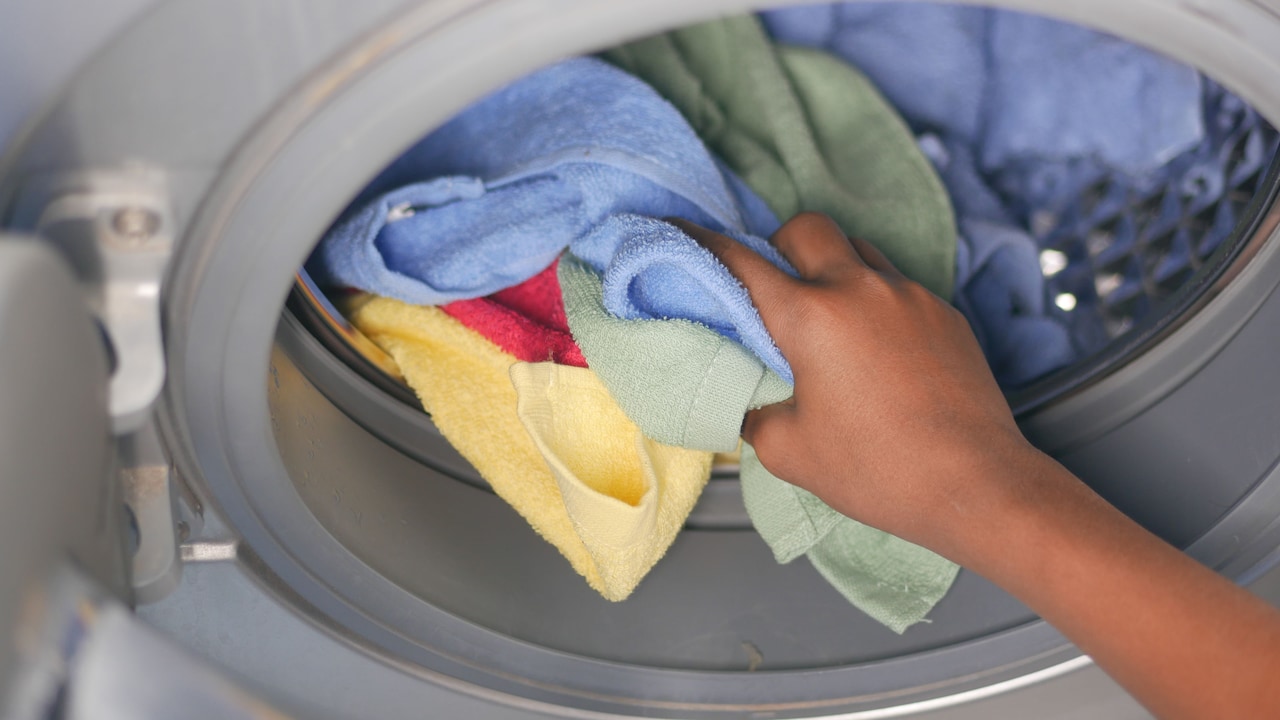
Top-Load Washer Myths Debunked: Does A Bigger Load Really Tangle Clothes?; Photo Credit: Pexels
Still, technology cannot fix every laundry mistake. How clothes are loaded, sorted and washed matters just as much as the machine itself. So, does a bigger wash load really cause more tangling? Sometimes, but the explanation is more interesting than a simple yes or no. Here are 10 top-load washer myths worth untangling.
Also Read: GOAT Sale Great Deals: 5 Top-Rated Washing Machines Under ₹12000
10 Common Top-Load Washer Myths You Should Stop Believing
1. Bigger Wash Loads Always Cause More Tangling
A large laundry load can lead to tangling, but size alone is rarely the real villain. The bigger problem is overcrowding.
Clothes need room to move through water and detergent. When the tub gets packed tightly, sleeves, dupattas, pyjama strings and bedsheets can wrap around neighbouring garments. Instead of circulating freely, everything moves as one heavy bundle. That is when unloading the washer starts to feel like solving a fabric puzzle.
A properly sized large load is different. If the machine has enough capacity and the clothes still have space to move, washing a fuller load does not automatically mean more knots.
The type of laundry matters too. A load containing several long garments, bedsheets and drawstring clothing has a higher chance of tangling than one filled with T-shirts and shorts, even when both loads weigh roughly the same.
The sensible rule is therefore not “wash less”. Avoid stuffing the drum to its limit. Clothes should sit loosely rather than being pushed down to squeeze in one final kurta or towel.
2. Filling The Washer To The Top Means It Is Overloaded
Seeing a tub full of clothes can trigger immediate guilt. Surely that much laundry must be too much? Not necessarily.
Volume can be deceptive. Ten lightweight shirts may occupy more visible space than several heavy towels, yet the towels can place a greater load on the machine once soaked with water.
The real issue is whether clothes have enough space to circulate during the wash. A top-load washer should not resemble an overstuffed travel bag before the lid closes. Pressing clothes down firmly just to make everything fit usually signals that the load has gone too far.
Modern machines also come in different capacities, so there is no universal visual line showing where every washer becomes overloaded. Manufacturer capacity guidelines remain the better reference.
There is another practical clue. If clothes repeatedly come out with detergent marks, dirty patches or unusually deep creases, the machine may have been packed too tightly.
A comfortably full washer is efficient. A crammed washer can struggle. Think of it like a crowded local train: being full is manageable; being so packed that nobody can move is another story.
Top-Load Washer Myths Debunked: Does A Bigger Load Really Tangle Clothes?; Photo Credit: Pexels
3. More Detergent Makes Clothes Cleaner
It sounds logical. More soap should mean more cleaning power. Laundry chemistry, unfortunately, does not reward enthusiasm quite so generously.
Using excessive detergent can create too many suds and make rinsing difficult. Residue may remain trapped in fabric fibres, leaving clothes feeling stiff, sticky or strangely dull. Towels can lose some of their absorbency, while dark garments may emerge with pale detergent marks.
Too much detergent can also leave residue inside the washer. Over time, that build-up may contribute to unpleasant smells in areas that remain damp between washes.
The correct amount depends on several factors, including load size, detergent concentration, water hardness and how dirty the clothes are. A lightly worn office shirt and a cricket uniform covered in dust clearly do not demand identical treatment.
Pouring detergent by instinct is where trouble begins. That generous extra splash may look helpful, but the machine still has to rinse it away.
Following the detergent measurement and the washer's recommendations generally gives better results. Laundry does not need a bubble bath worthy of a television commercial. It needs the right concentration of cleaning agents and enough water to rinse them away.
4. Hot Water Is Always Better For Washing
Hot water has an impressive reputation. It sounds powerful, hygienic and capable of defeating almost any stain. Yet turning up the temperature is not automatically the best choice for every load.
Some fabrics can shrink, fade or lose their shape when exposed to excessive heat. Bright colours may suffer sooner, while delicate garments can become damaged after repeated high-temperature washes.
Cold or moderately warm water works perfectly well for many everyday loads, particularly lightly soiled clothing. Modern detergents are also designed to perform effectively across different temperatures.
Hotter water still has its place. Certain heavily soiled items or suitable household linens may benefit from a warmer wash, provided the care labels allow it. The important detail is matching the temperature to the fabric and cleaning need rather than treating heat as a universal upgrade.
A red T-shirt that turns pale pink after repeated hot washes is not particularly clean-looking, however spotless it might technically be.
Checking garment labels takes seconds and can save favourite clothes from an early retirement. In laundry, hotter does not always mean better. Sometimes it simply means hotter.
5. Every Garment Can Go Into The Same Load
A single giant laundry load sounds efficient. Whites, dark trousers, towels, delicate tops and yesterday's gym clothes all go in together, the lid closes, and household productivity reaches heroic levels.
Then the results arrive.
Sorting laundry is not merely an obsession for people who enjoy perfectly organised cupboards. Different fabrics behave differently inside a washer. Heavy towels can rub against lightweight garments. Dark colours may release dye. Delicates may stretch or snag beside clothing with zips, hooks or rough surfaces.
Sorting by colour remains useful, particularly for newer garments that may bleed. Sorting by fabric weight can be equally valuable. Washing heavy jeans with thin tops, for example, can expose the lighter items to unnecessary friction.
Heavily soiled clothes also deserve consideration. A dusty pair of outdoor trousers probably should not share a gentle cycle with barely worn home clothing.
Nobody needs six separate loads for every laundry day. Sensible grouping is enough.
Treat the washer like a dinner table. Most combinations get along beautifully, but placing every possible guest together and hoping for harmony can occasionally produce drama.

Top-Load Washer Myths Debunked: Does A Bigger Load Really Tangle Clothes?; Photo Credit: Pexels
6. The Quick Wash Cycle Works For Everything
Quick wash feels almost magical when time is short. A pile of clothes goes in, a much smaller slice of the evening disappears, and the laundry comes out looking refreshed.
The temptation is obvious: why use anything else?
Quick cycles generally suit smaller loads of lightly soiled clothing. They save time because the machine spends less time washing, rinsing or performing certain stages. That efficiency can become a limitation when clothes carry stubborn dirt, sweat, food stains or oily marks.
Stuffing a full week's laundry into a short programme may leave some garments less thoroughly cleaned than expected. Thick fabrics can also require more time for water and detergent to move through them effectively.
The standard or appropriate specialised cycle may take longer, but that extra time has a purpose.
Quick wash is therefore best treated as a useful shortcut rather than the washer's default answer to every situation. It is brilliant when a few everyday outfits need freshening before tomorrow morning.
Asking it to rescue a mountain of heavily soiled clothes, however, is rather like expecting instant noodles to perform the duties of a wedding feast.
7. Top-Load Washers Cannot Handle Delicate Clothes
Top-load machines sometimes carry an unfair reputation for being rough on clothes. Older designs and aggressive wash settings may help explain where the idea came from, but modern machines can offer much gentler washing options.
Many models include programmes for delicate fabrics, wool-like garments or items that require reduced agitation. The machine's design also matters. Some top-load washers use an impeller rather than a traditional central agitator, creating a different type of fabric movement.
Even so, the washer cannot read minds or garment labels.
Delicate clothing still needs sensible preparation. Hooks and zips should be secured where appropriate, and vulnerable items can benefit from a mesh laundry bag. Clothing labelled for hand washing or dry cleaning should not be casually thrown into a machine simply because a gentle button exists.
Load size matters here as well. Delicates need space. Packing them beneath heavy garments defeats the point of choosing a softer programme.
The right cycle, careful loading and attention to fabric instructions can make a top-load washer perfectly suitable for many delicate items. Gentle washing is less about the direction the door opens and more about how the clothes are treated inside.
8. High Water Levels Always Give A Better Wash
A tub filled with plenty of water looks reassuring. Clothes float freely, everything appears thoroughly soaked, and it seems obvious that more water must produce cleaner laundry.
That is not always how washing works.
Modern washers often calculate or recommend water levels according to load size. Using much more water than necessary can dilute detergent beyond its ideal concentration. It also wastes water without guaranteeing improved cleaning.
Too little water can certainly create problems, particularly when clothes cannot move or become evenly saturated. The goal is balance rather than abundance.
People accustomed to older machines may find lower water levels surprising in newer models. Yet many contemporary washers use specific movements and wash systems designed to clean effectively without filling the entire tub to the brim.
Choosing an appropriate setting becomes particularly important when washing bulky items. A bedsheet behaves differently from a pile of small garments, even when their dry weight seems similar.
Think of water as part of the washing formula, not the whole formula. Detergent, movement, time, temperature and load size all work together. Simply adding more water cannot compensate for every other laundry mistake.
9. Clothes Should Be Packed Evenly Around The Drum
There is some truth hiding inside this myth, which is probably why it survives so well.
Balanced loading matters, especially when washing heavy items. A single soaked blanket or a collection of towels gathered on one side can make the drum unbalanced during spinning. The washer may shake, pause, rearrange the load or produce enough thumping to make someone in the next room wonder whether renovation work has started.
However, balanced loading does not mean arranging every shirt around the tub with mathematical precision.
Clothes should generally be placed loosely and distributed reasonably well. Avoid creating one dense bundle on one side, particularly with heavy or bulky laundry. If washing several towels, spread them rather than dropping the entire stack into one spot.
Some modern machines detect imbalance and attempt to redistribute the load automatically. That feature helps, but it should not become an excuse for careless loading.
When a machine starts shaking dramatically, stopping the cycle safely and redistributing the clothes may solve the problem.
Laundry does not require the symmetry of a rangoli. It simply needs enough balance for the drum to spin without staging its own earthquake.
10. The Washer Cleans Itself Every Time Clothes Are Washed
A washing machine spends its life surrounded by detergent and water, so surely it must remain clean automatically. Sadly, the machine that cleans the clothes still needs cleaning itself.
Detergent residue, fabric softener, lint, moisture and tiny traces of dirt can accumulate in parts of the washer. Damp conditions can also encourage unpleasant smells, especially when the lid stays closed immediately after every cycle.
Many newer top-load machines include a tub-clean programme designed specifically for maintenance. Running this according to the manufacturer's guidance can help keep the drum fresh. Dispensers and other accessible areas may also need regular cleaning.
Leaving the lid open for a period after washing, where safe and practical, allows trapped moisture to evaporate. That simple habit can make a noticeable difference.
The frequency of deeper cleaning depends on usage. A machine handling several loads every week will naturally need attention sooner than one used occasionally.
A washer is rather like the kitchen sink. Plenty of soapy water passes through it, yet nobody assumes the sink never needs scrubbing.
Keeping the machine clean also helps prevent fresh laundry from emerging with that frustrating “washed, but somehow not fresh” smell.
Products Related To This Article
1. LG 8 Kg 5 Star Smart Inverter Technology Fully Automatic Top Load Washing Machine
2. Godrej Smart Choice 7 Kg 5 Star
3. Whirlpool 7 kg Magic Clean 5 Star Fully Automatic Top Load Washing Machine Grey
4. Bosch 7 kg 5 Star Fully Automatic Top Load Washing Machine
5. Samsung 8 Kg, 5 Star, AI Wash, AI Energy Mode
6. Haier 6 kg 5 Star Oceanus Wave Drum Washing Machine Fully Automatic Top Load
7. VW 7.5 kg 5 Star Aqua Spin Semi Automatic Top Load Washing Machine AquaSpin
A bigger top wash load can increase tangling, but only when clothes become too crowded to move properly. That distinction captures the wider lesson behind most top-load washer myths: laundry results rarely depend on one dramatic rule.
More detergent is not automatically better. More water does not guarantee cleaner clothes. Hotter washes are not suitable for everything, and quick cycles cannot perform miracles simply because everyone is in a hurry.
Good laundry habits come down to matching the load, programme, detergent and water level to what is actually being washed. Leave enough room for clothes to circulate, separate items sensibly and pay attention to care labels. The washing machine can handle the clever mechanics from there.
And when a bedsheet still manages to swallow three socks and tie itself around a pair of pyjamas? Some laundry mysteries may never disappear completely. At least the myths can.
(Disclaimer: This article may include references to or features of products and services made available through affiliate marketing campaigns. NDTV Convergence Limited (“NDTV”) strives to maintain editorial independence while participating in such campaigns. NDTV does not assume responsibility for the performance or claims of any featured products or services.)