Does A Smaller OTG Cook Faster And Better? 10 Oven Myths First-Time Buyers Should Avoid
Does a smaller OTG really cook faster? This guide debunks 10 common oven myths to help first-time buyers choose the right size, features and performance without wasting money.
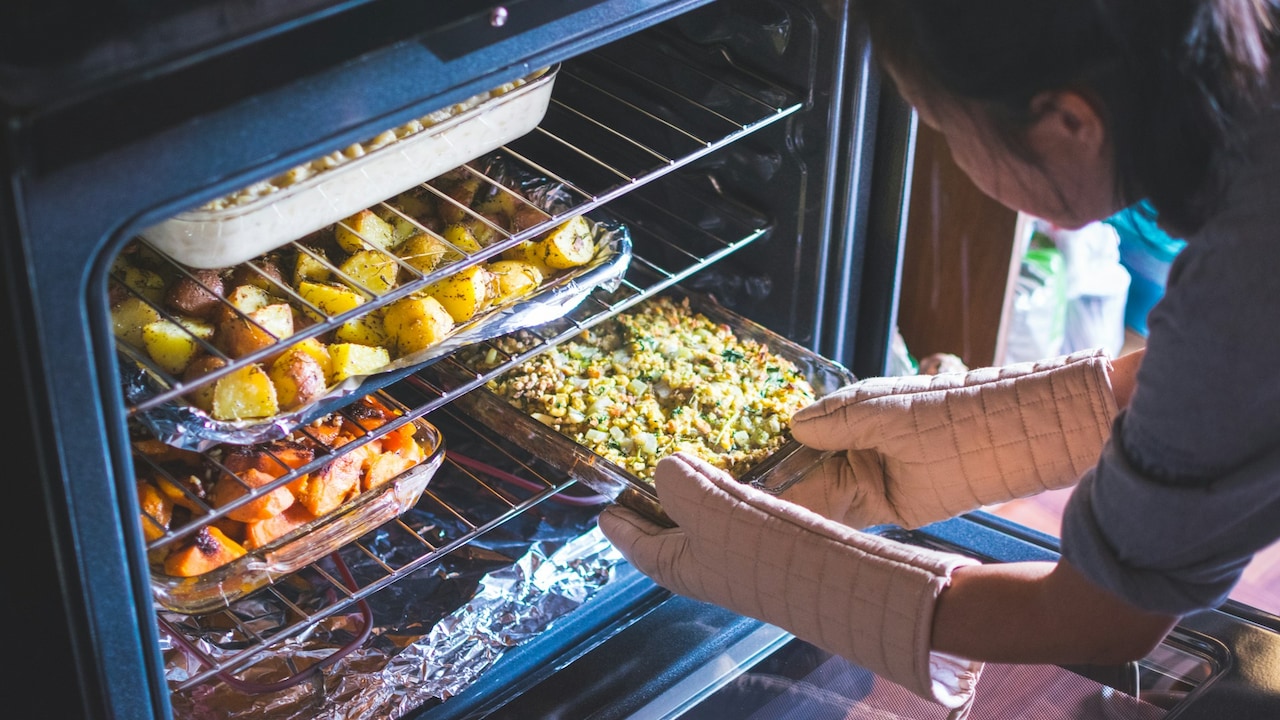
Explore common myths associated with OTGs before buying your first one
An OTG can turn an ordinary evening into something special. Garlic bread begins to crackle, paneer tikka develops smoky edges, and a homemade cake rises behind the glass door like a small domestic miracle. Yet choosing the right model can feel harder than following the recipe. First-time buyers often compare capacity, wattage, heating rods, convection fans and accessories without knowing which features actually matter. Online reviews add another layer of confusion. One buyer praises a compact 19-litre model, while another insists that nothing below 40 litres deserves counter space.
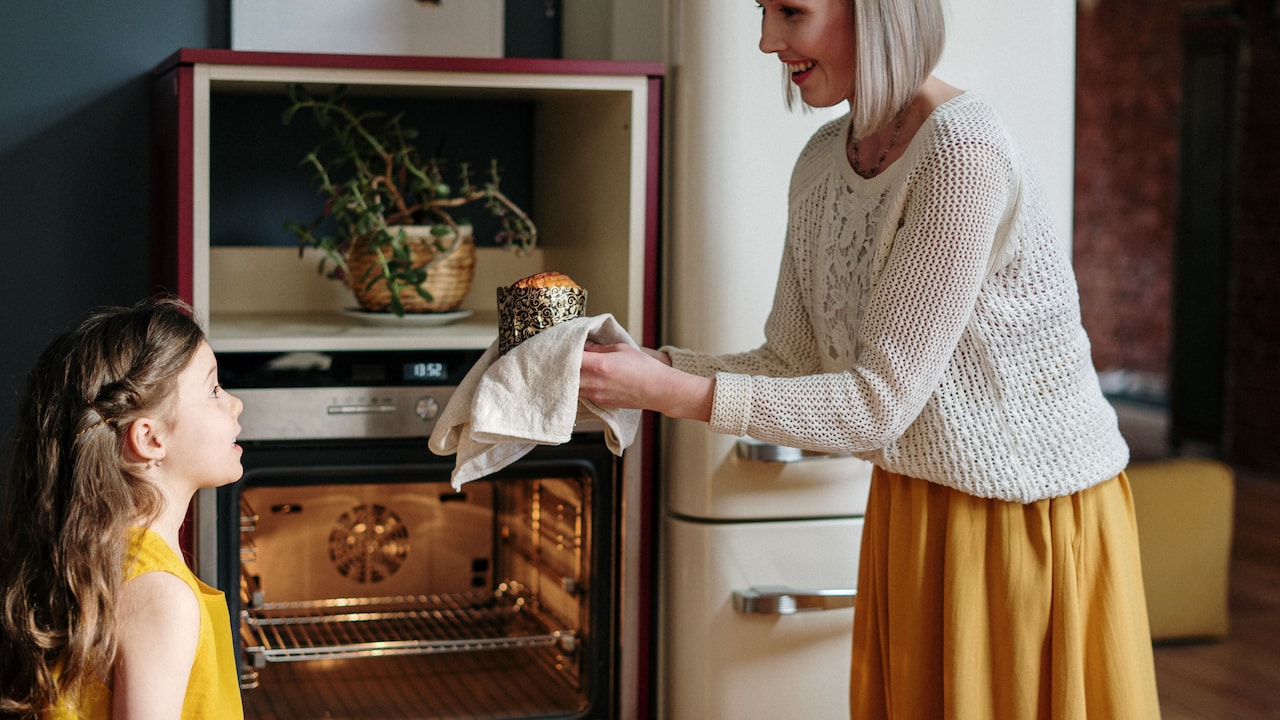
Most common OTG myths every first-time buyer should know about
Photo Credit: Pexels
The truth sits somewhere between the marketing claims and family WhatsApp wisdom. Oven performance depends on design, temperature stability, food quantity, tray placement and cooking habits. Size matters, but not always in the way people assume. Here are ten common OTG myths that deserve to cool down before they influence your purchase.
Also Read: Top 5 OTG Microwave Picks Under ₹5000 To Shop Today
10 Common OTG Myths Every First-Time Buyer Should Know
Myth 1: A Smaller OTG Always Cooks Faster
A compact OTG usually heats its empty chamber faster because there is less air and metal to warm. That sounds like a clear victory, but preheating speed does not tell the whole story.
Once food enters the oven, cooking time depends on the recipe, portion size, temperature accuracy and distance from the heating rods. A small chamber may place the top of a cake dangerously close to the upper rod. The surface can brown quickly while the centre remains sticky. Nobody celebrates a cake that looks ready for Instagram but collapses under the knife.
Smaller ovens also lose heat quickly when the door opens. Sliding in a tray of cold dough can cause a sharp temperature drop. A well-insulated larger model may recover faster and cook more evenly.
Choose a compact OTG for toast, small pizzas, grilled sandwiches and modest portions. Pick a larger one when baking tall cakes, roasting vegetables or cooking for several people. Faster preheating helps, but even heat matters far more than a head start of three or four minutes.
Myth 2: Bigger Capacity Automatically Means Better Cooking
A roomy OTG looks impressive in a showroom. It can handle wider trays, larger pizzas and multiple portions. Still, extra litres do not guarantee superior results.
Large ovens need enough heating power to warm the entire chamber effectively. A poorly designed 60-litre model may struggle to maintain temperature, especially when packed with food. Hot air can also circulate unevenly when trays block the space between heating rods.
Capacity should match household needs. A couple who mainly reheat puffs and bake small batches may find a 20-litre OTG easier to use. A family that hosts weekend dinners could benefit from 35 to 50 litres. Buying an oversized oven “for future use” often leads to longer preheating, higher electricity consumption and a counter that suddenly feels much smaller.
Check the usable internal dimensions rather than trusting the litre figure alone. Two ovens with the same stated capacity may offer very different tray widths and rack heights. The better oven is not always the bigger one. It is the one that comfortably fits the food you actually plan to cook.
Myth 3: Higher Wattage Guarantees Better Food
Wattage shows how much electrical power an OTG can draw. It does not work like a flavour rating.
A high-wattage oven may preheat quickly and recover heat well after the door opens. However, strong heating rods can scorch food when temperature control lacks precision. A lower-wattage model with good insulation and a reliable thermostat may produce more consistent cakes, biscuits and roasts.
Capacity also changes the equation. A 1,500-watt rating could suit a medium-sized OTG perfectly but feel inadequate in a very large chamber. Meanwhile, 1,200 watts may work well in a compact unit designed for small batches.
Consider electricity requirements too. Many OTGs use more power than a mixer or toaster, so they need a suitable wall socket. Extension boards and loose plugs can heat up during long baking sessions.
Look beyond the number on the box. Check heating performance, insulation, temperature range and user feedback about consistency. Wattage matters, but control matters more. After all, food needs steady heat, not an electrical wrestling match.
Myth 4: Convection Makes Every Recipe Better
The convection fan circulates hot air around the oven. This feature can improve browning, speed up roasting and help biscuits cook more evenly. Yet it does not deserve permanent employment in every recipe.
Delicate cakes, soufflés and soft breads may dislike strong air movement. The fan can dry the surface too quickly, create uneven rising or push lightweight parchment paper towards the heating rods. That tiny sheet of baking paper can suddenly behave like it has travel plans.
Convection also cooks food faster, so recipes written for conventional ovens may need a lower temperature or shorter cooking time. Reducing the stated temperature by roughly 10°C to 20°C often helps, though each appliance behaves differently.
Use convection for roasted potatoes, kebabs, cookies, granola and foods that benefit from crisp edges. Switch it off for recipes that need gentle, steady heat unless the instructions recommend otherwise.
A convection setting adds flexibility, not magic. The best results come from knowing when the fan supports the recipe and when it simply blows trouble around the chamber.
Myth 5: OTG Temperature Dials Are Always Accurate
The dial may point to 180°C, but the chamber may have other ideas.
Many OTGs cycle above and below the selected temperature as the thermostat switches the heating rods on and off. That behaviour is normal. Problems begin when the average temperature sits far from the setting. An oven running 20°C hotter can turn golden cookies into brown coasters before the timer rings.
Compact ovens often show larger temperature swings because the heating rods sit close to the food. The location of the thermostat sensor also affects how accurately the dial reflects the heat near the tray.
An inexpensive oven thermometer can reveal what actually happens inside. Place it near the centre, preheat the OTG and observe the reading over several minutes. This simple test helps identify whether the oven runs hot or cool.
Once you understand its personality, adjust recipes accordingly. Set 170°C when the appliance behaves like 180°C, or extend the preheating time when it warms slowly. Every OTG has quirks. Successful baking begins when those quirks stop being surprises.
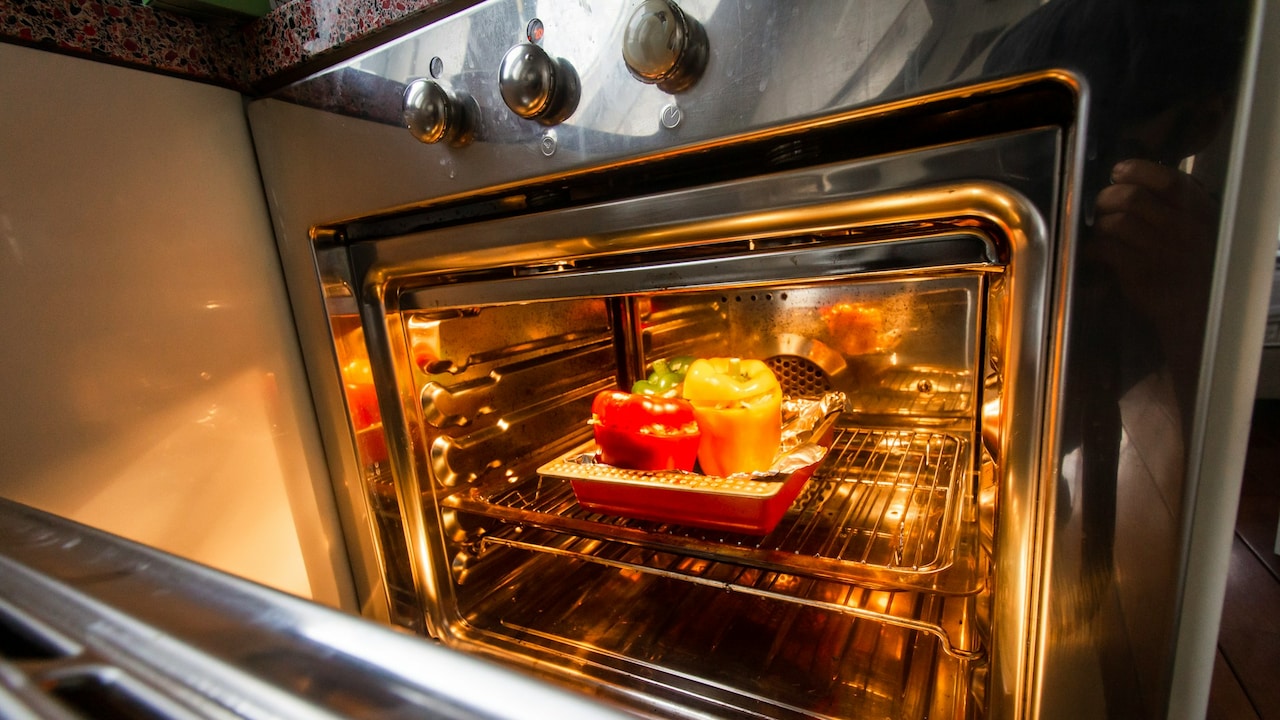
Compact ovens can have larger temperature swings because the heating rods sit close to the food; Photo Credit: Unsplash
Myth 6: Preheating Wastes Time And Electricity
Skipping preheating may save a few minutes at the beginning, but it can cost texture, rise and patience later.
Cakes, biscuits, breads and pizzas need the correct temperature from the moment they enter the chamber. During a slow warm-up, butter may melt before cookie dough sets. Cake batter may rise unevenly. Pizza bases can turn pale and chewy while the toppings overcook.
Most OTGs need around 10 to 20 minutes to preheat, depending on size, wattage and target temperature. The thermostat light may switch off before the entire chamber stabilises, so an extra few minutes often improves consistency.
Not every dish needs strict preheating. Slow-roasted nuts, some casseroles and certain reheating tasks can start in a cold oven. Still, recipes that depend on rapid rising or crispness usually cannot.
Treat preheating as part of the cooking process rather than an optional warm-up act. The oven prepares while ingredients receive their final touches. By the time the tray goes in, both cook and appliance are ready for business.
Myth 7: An OTG Works Exactly Like A Microwave
Both appliances heat food, but they approach the job from entirely different directions.
A microwave excites water molecules inside food, which makes reheating quick and convenient. An OTG uses heating rods to warm the chamber and cook food from the outside in. That dry heat creates browning, crusts and roasted flavours.
An OTG will not warm a bowl of dal in two minutes. A microwave will not usually give garlic bread the same crisp surface as an OTG. Trying to make one appliance behave like the other leads to disappointment and, occasionally, a very dry lunch.
Utensils also differ. Metal trays belong in an OTG but should never enter a standard microwave mode. Microwave-safe plastic may melt or release unpleasant fumes inside an OTG.
Choose based on purpose. Use a microwave for quick reheating, defrosting and steaming. Use an OTG for baking, grilling, roasting and toasting. Combination appliances can perform several roles, but first-time buyers should still understand each cooking mode before pressing buttons with experimental enthusiasm.
Myth 8: More Accessories Mean Better Value
A box filled with trays, skewers, racks, crumb collectors and rotisserie parts can make an OTG look like a festive bargain. Yet accessories add value only when they suit real cooking habits.
A rotisserie attachment sounds exciting, but many households use it once before storing it beside the forgotten juicer attachment. A pizza tray may look generous in photographs yet fit only a modest base. Thin trays can warp at high temperatures, while flimsy handles make hot food difficult to remove safely.
Focus on essentials. A sturdy baking tray, a strong wire rack, a removable crumb tray and a reliable tray handle cover most everyday tasks. Check whether the accessories slide smoothly into the available rack positions. Replacement trays should also be easy to find.
Do not let a long accessory list distract from build quality, temperature control or after-sales support. A dependable oven with three useful tools offers better value than an unpredictable model carrying a miniature kitchen orchestra. The best accessory remains the one that leaves the cupboard regularly.
Myth 9: Glass Doors Stay Cool During Cooking
The glass window makes it easy to watch cheese bubble and cakes rise. It also creates a dangerous illusion. Many OTG doors become extremely hot during operation.
Even double-glazed doors can heat up, especially during long baking or grilling sessions. The handle may stay comfortable, but the glass, metal edges and top surface can cause burns. Children may find the glowing chamber fascinating, while pets may wander too close during their own kitchen investigations.
Place the OTG on a stable, heat-resistant counter with enough space around the sides and back. Avoid squeezing it beneath low cabinets unless the manufacturer allows the required clearance. Never keep plastic containers, spice packets or cloth covers on top while it runs.
Use oven gloves rather than a thin tea towel when handling trays. Open the door carefully because a burst of hot air can hit the face and hands.
An OTG is simple to operate, but it remains a high-temperature appliance. Respecting the heat keeps the baking memories sweet rather than painfully unforgettable.
Myth 10: The Cheapest OTG Offers The Best Deal
A low price can feel irresistible, especially when first-time buyers remain unsure how often they will bake. However, the cheapest model may cost more over time through uneven cooking, fragile knobs, poor insulation or difficult repairs.
Value depends on performance, durability and service support. A slightly higher price may bring better door sealing, stronger trays, clearer controls and more dependable temperature regulation. These improvements reduce burnt batches and repeated cooking attempts, which also saves ingredients and electricity.
That does not mean every premium OTG deserves its price tag. Decorative finishes and digital displays can increase the cost without improving heat distribution. Compare practical features rather than brand glamour.
Set a realistic budget based on capacity and usage. For example, someone who bakes twice a month may not need a feature-packed model costing ₹20,000. At the same time, buying a poorly built unit for ₹3,000 may lead to quick frustration.
The smartest deal sits between bargain hunting and overbuying. Pay for consistent heat, safe construction and useful capacity. Cakes do not care about luxury badges, but they certainly notice a weak thermostat.
Products Related To This Article
1. Cadlec Cruise Pro 12L Multi-Function OTG for Kitchen
2. Glen Multi-Function OTG for Kitchen 35 Litre, 2100W
3. Faber 34L Double Glazed 1600W OTG|Bake, Toast
4. Cadlec MultiChef Pro 3 in 1 Breakfast Maker With Oven Toaster Griller
5. AGARO Marvel Oven Toaster Griller
6. Bajaj 2000TM 20Ltr Oven Toaster Griller (20L OTG)
7. Longway Royal OTG 12 Ltr Oven Toaster Griller with Heating Modes
A smaller OTG can preheat faster, but it does not automatically cook better. A larger model can handle generous portions, but it may waste space and energy when household needs remain modest. The right choice depends on what goes into the oven, how often it runs and how much counter space the kitchen can spare.
First-time buyers should look beyond capacity, wattage and accessory counts. Temperature stability, rack positions, insulation, usable tray size and service support influence everyday cooking far more than flashy claims.
It also helps to accept that every OTG has a learning curve. The first batch of biscuits may brown too quickly. The first pizza may need a lower rack. After a few experiments, the appliance begins to feel less like a mysterious metal box and more like a reliable kitchen partner.
Buy for real habits rather than imagined culinary fame. Choose a size that suits regular portions, learn how the thermostat behaves and treat safety as seriously as the recipe. The perfect OTG does not need to be the smallest, biggest or most expensive. It simply needs to make good food without turning every baking session into a dramatic family episode.
(Disclaimer: This article may include references to or features of products and services made available through affiliate marketing campaigns. NDTV Convergence Limited (“NDTV”) strives to maintain editorial independence while participating in such campaigns. NDTV does not assume responsibility for the performance or claims of any featured products or services.)