Electric Grill Vs Pan Cooking: Which Is Really Better For Indian Style?
Electric grills and pan cooking both shape flavour, health, and convenience in everyday home kitchens. This article compares the two to help decide which method suits desi-style cooking habits best.
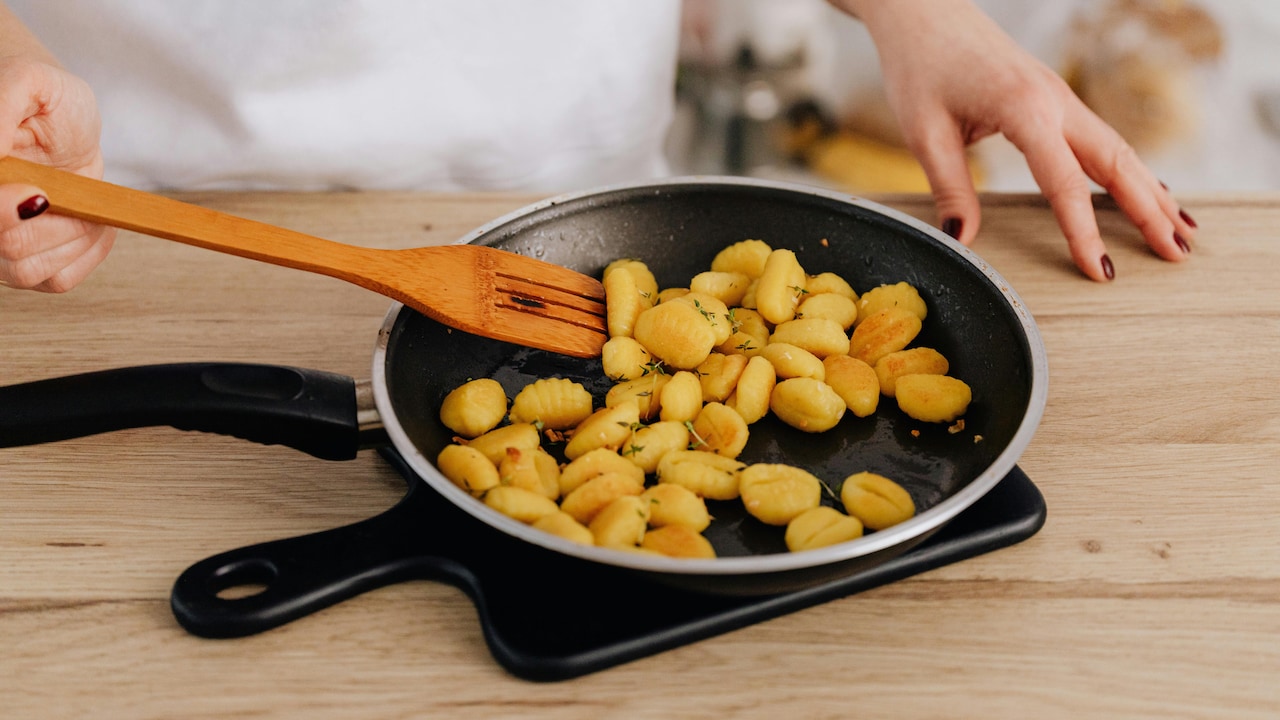
Electric Grill vs Pan Cooking: Taste, Health, Cost, and Convenience Compared.
Every kitchen tells a story. Some echo with the clang of a heavy pan, while others hum softly with the glow of an electric grill. The debate between electric grills and pan cooking pops up often, especially as homes grow smaller and lifestyles speed up. One promises low oil and neat cooking. The other delivers nostalgia, flexibility, and deep flavours.
Cooking here goes beyond feeding hunger. It carries memories of weekend breakfasts, street-side snacks recreated at home, and evening chai companions. Choosing between a grill and a pan feels less like a gadget decision and more like a lifestyle choice. This piece breaks down that choice with honesty, warmth, and a pinch of masala. No jargon, no hard sell. Just real talk for real kitchens.
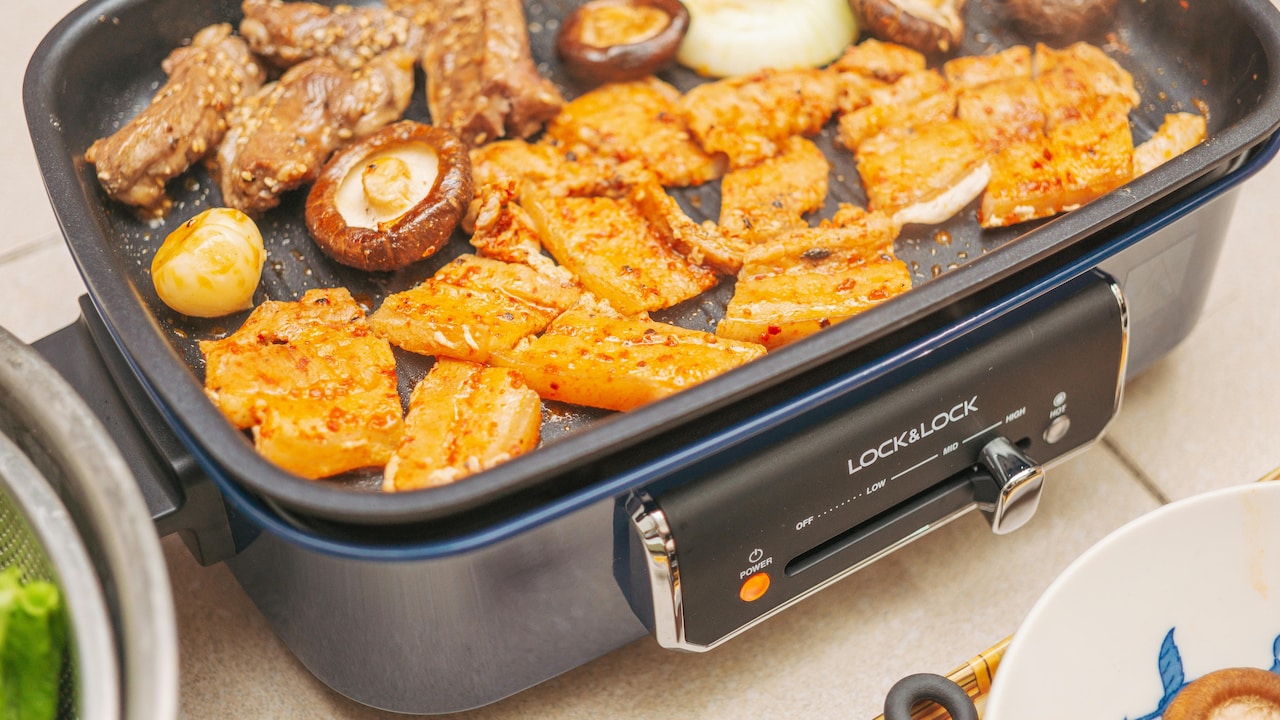
Electric Grill Or Pan Cooking: What Should You Choose For Daily Meals?; Photo Credit: Pexels
From Morning Breakfasts to Late-Night Snacks: How Each Method Fits Daily Cooking
1. Flavour and Aroma: The Heart of Every Meal
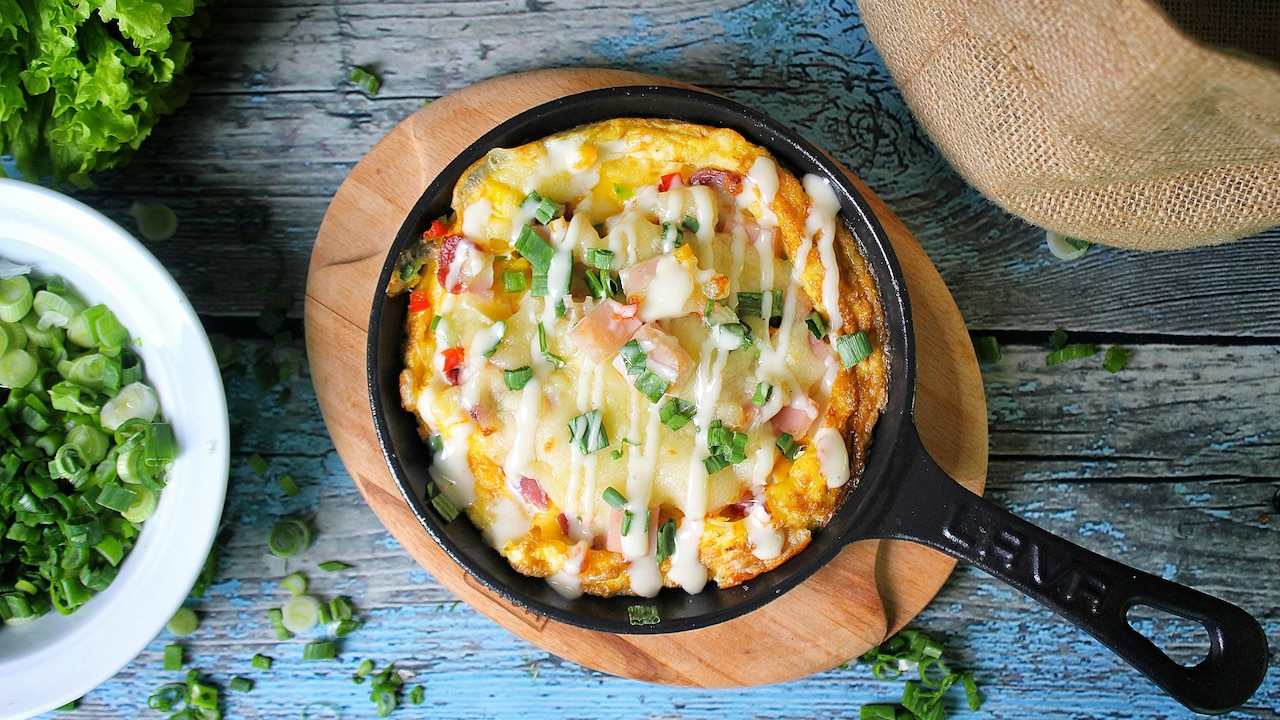
Flavour often decides the winner before logic enters the room. Pan cooking shines here. A well-heated pan allows spices to bloom in oil, releasing aromas that drift through the house. Think of mustard seeds popping or onions turning golden. That sensory drama builds taste layer by layer.
Electric grills offer a cleaner profile. They excel at browning and charring, especially for paneer, vegetables, or marinated meats. The grill marks look impressive, and the smokiness feels modern. Yet, some depth goes missing. Grills struggle with tempering spices or handling wet masalas.
For dishes that rely on slow sautéing and spice control, pans feel more forgiving. Grills suit dry preparations and snacks. The choice depends on whether a meal needs warmth and richness or lightness and speed. Both have charm, but flavour lovers often lean towards the pan.
2. Health Factor: Oil, Fat, and Balance
Health goals influence kitchen choices more than ever. Electric grills market themselves as healthier, and not without reason. They require minimal oil and allow excess fat to drip away. Grilled vegetables and cutlets feel lighter, making them popular with fitness-focused households.
Pan cooking, however, does not deserve a bad rap. With mindful oil use, pans handle balanced meals well. Traditional recipes often use oil as a flavour carrier rather than excess fat. A teaspoon goes a long way when used smartly.
Grills help reduce oil automatically. Pans demand discipline. Yet, health is also linked to variety. A pan supports curries, dals, stir-fries, and flatbreads. A grill feels limited. A healthy diet thrives on diversity, not just low oil. In that sense, pans quietly support long-term balance.
Also Read: How To Pick A Non-Stick Pan Without The Fake Coating: Top 10 Tips And 8 Picks
3. Convenience and Speed in Daily Cooking
Time crunch defines weekday cooking. Electric grills score points for ease. Plug in, set the temperature, and cook. No constant stirring. No oil splatter. Cleaning takes minutes. For quick snacks or weeknight dinners, grills feel like a blessing.
Pans demand attention. They need preheating, stirring, and timing. Multitasking becomes tricky. Yet, pans adapt to everything. One pan can fry, sauté, simmer, and reheat. That flexibility saves time overall, especially for full meals.
Grills suit batch cooking and single-dish meals. Pans handle chaos better. When rice simmers, curry bubbles, and vegetables sauté at once, pans keep up. Convenience depends on cooking style. Quick bites favour grills. Full spreads still bow to pans.
4. Cost and Value for Money
Kitchen budgets matter. A decent electric grill costs anywhere between ₹2,500 and ₹6,000. Premium models go higher. Electricity use adds to monthly bills, though not drastically.
Pans come cheaper. A sturdy non-stick pan costs around ₹800 to ₹1,500. Cast iron or stainless steel options last for decades with care. No electricity needed. Repairs feel rare.
Value lies in usage. A grill used twice a week feels expensive. A pan used daily earns its keep. Replacement also stings less with pans. For households watching expenses, pans feel practical. Grills suit those willing to invest in convenience and style. Both have value, but pans often win the long game.
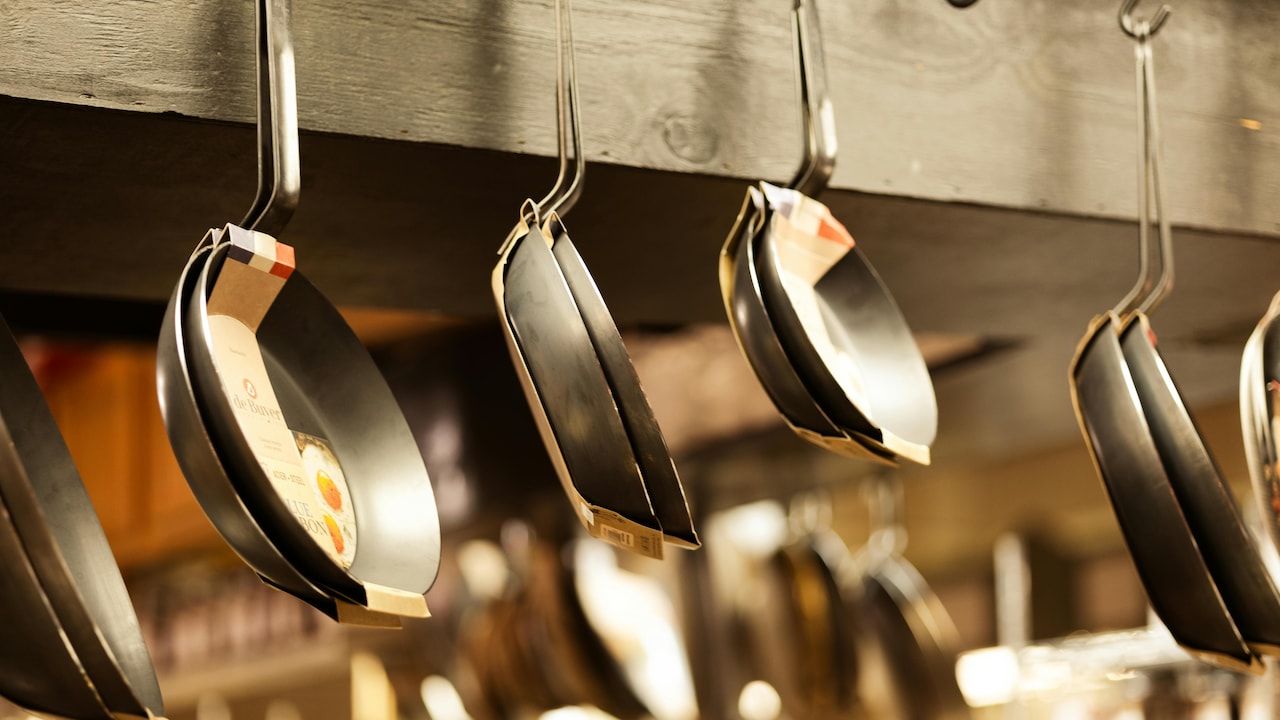
Electric Grill Or Pan Cooking: What Should You Choose For Daily Meals?; Photo Credit: Pexels
5. Space and Storage in Compact Kitchens
Urban kitchens shrink, while appliances grow. Electric grills take counter space. Some fold neatly, others do not. Storage becomes a puzzle, especially in rented homes.
Pans stack easily. They slip into cabinets and shelves without fuss. One pan replaces many tools. Space efficiency favours pans.
Grills look sleek on counters, adding a modern vibe. Yet, clutter creeps in fast. Toasters, mixers, and air fryers already compete for space. Adding a grill feels like inviting another guest to a crowded room.
For compact kitchens, pans remain the quiet heroes. Grills suit homes with breathing room and organised storage. Space often decides before taste does.
6. Versatility Across Recipes
Versatility defines kitchen survival. Pans adapt effortlessly. From breakfast dosas to lunch curries and dinner stir-fries, one pan handles it all. Even desserts sneak in.
Electric grills excel at specific tasks. Grilling sandwiches, vegetables, and kebabs feels effortless. Yet, soups, gravies, and batters stay out of reach.
Cooking traditions thrive on variety. Meals shift with mood, season, and guests. A pan keeps up. A grill demands planning. Versatility leans heavily towards pans, especially for households cooking diverse meals daily.
7. Texture and Cooking Control
Texture matters. Crisp edges, soft centres, and perfect browning define good cooking. Pans offer control. Flame adjustment and stirring allow fine-tuning. Mistakes are corrected quickly.
Grills rely on preset temperatures. Once food goes in, control reduces. Overcooking happens fast. Moist dishes dry out if ignored.
For cooks who enjoy hands-on control, pans feel satisfying. Grills suit those preferring automation. Texture-sensitive dishes often favour pans, where intuition guides heat and timing.
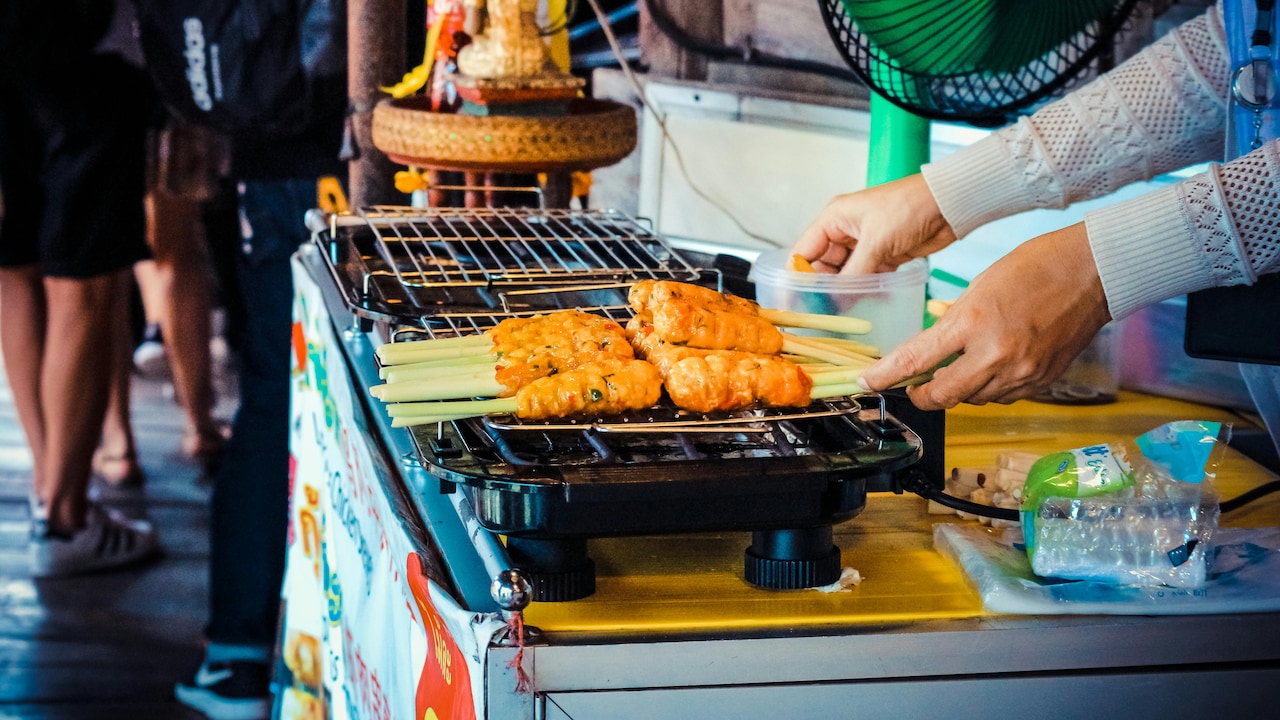
Electric Grill Or Pan Cooking: What Should You Choose For Daily Meals?; Photo Credit: Pexels
8. Cleaning and Maintenance
Nobody loves cleaning. Electric grills simplify it. Non-stick plates wipe clean. Removable parts wash easily. Less oil means less mess.
Pans vary. Non-stick pans clean quickly but need gentle care. Stainless steel and cast iron demand effort but reward with durability.
Grills win with ease. Pans win on longevity. Non-stick coatings fade, grills age, but a well-kept pan lasts for years. Maintenance style influences choice. Convenience today versus durability tomorrow.
9. Cultural Comfort and Emotional Connect
Cooking carries emotion. The sound of spices sizzling in a pan feels familiar. It connects generations. Grills feel modern, efficient, and slightly distant.
Many recipes evolved around pans. Techniques passed down rely on them. Grills introduce novelty but lack emotional weight. That does not make them inferior, just different.
For festive cooking or comfort food, pans often come out. Grills appear for experimentation and lighter meals. Emotional comfort often tips the scale.
10. Safety and Learning Curve
Safety matters, especially for beginners. Electric grills reduce flame risks. Auto shut-off features add reassurance.
Pans involve open flames and hot oil. Caution becomes essential. Yet, a learning curve builds confidence. Mastery feels rewarding.
Grills feel beginner-friendly. Pans teach skills. Safety improves with experience. Both require respect. Choice depends on comfort level and willingness to learn.
Products Related To This Article
1. Pelikas Electric Barbeque Grill 2000W Tandoori Maker Indoor Outdoor Non Stick Electric BBQ Grill
2. Prestige Non-Stick Omega Deluxe Granite Fry Pan
3. George Foreman 1350W Smokeless Indoor Outdoor Electric BBQ Grill
4. Tosaa Non Stick Diecast Mini Pan 17Cm
5. SAFERSKY Electric Barbeque Grill For Home 2000W Electric Bbq Grill Tandoori Maker Smokeless Barbeque Gril Set Indoor
6. Olpad Electric Table Grill, Indoor BBQ Grill
7. SOLARA Crownstone Premium Cast Iron Frying Pan 8 Inch
8. H Hy-tec (Device) Hybb, Traveler Foldable Charcoal Barbeque Grill With 8 Skewers & Charcoal Tray
Electric grills and pans both earn their place in modern kitchens. Grills promise convenience, health, and style. Pans deliver flavour, versatility, and emotional warmth. The better choice depends on lifestyle, space, and cooking habits.
For quick snacks and light meals, grills shine. For daily cooking and diverse dishes, pans still rule. Many homes find balance by using both. After all, cooking thrives on flexibility, not rigid choices. The best kitchen tool feels like an ally, not a compromise.
(Disclaimer: This article may include references to or features of products and services made available through affiliate marketing campaigns. NDTV Convergence Limited (“NDTV”) strives to maintain editorial independence while participating in such campaigns. NDTV does not assume responsibility for the performance or claims of any featured products or services.)