Electric Heating Lunch Boxes For Office: Everything You Need To Know
Electric heating lunch boxes keep home-cooked meals warm at work without microwaves. Discover how they work, their benefits, costs, and what to consider before buying one.
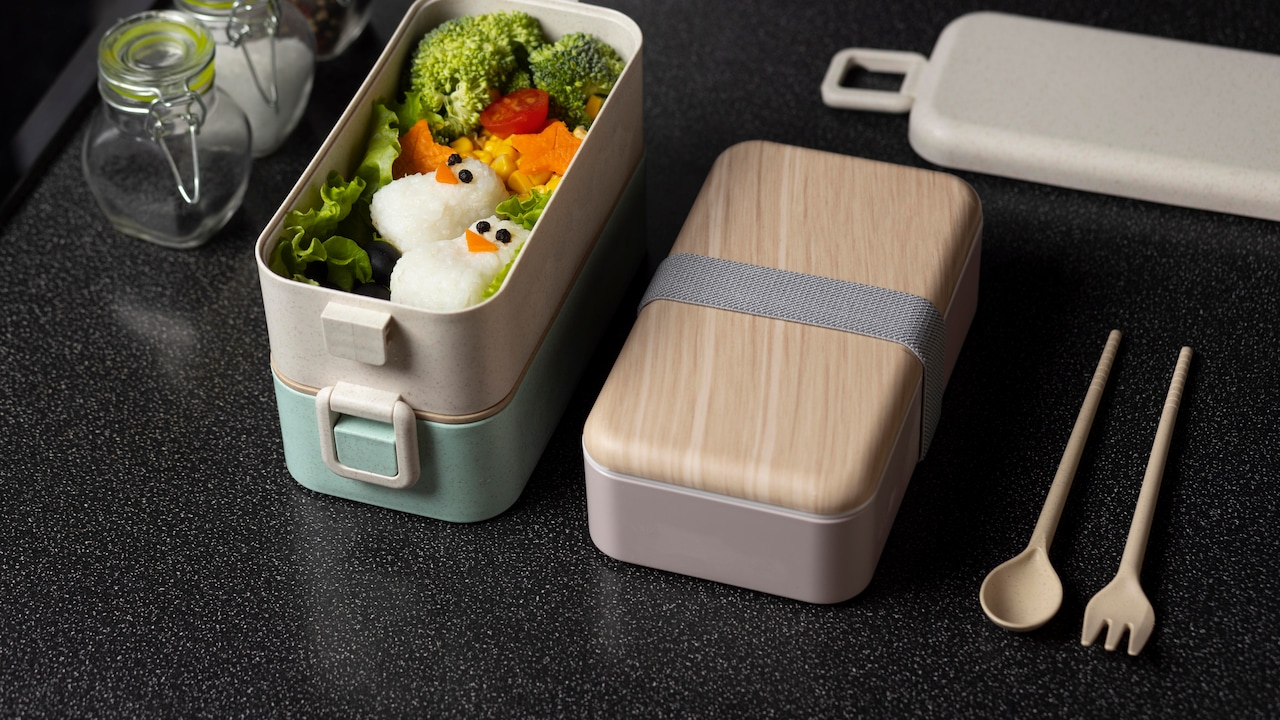
Electric Heating Lunch Boxes For Office: Benefits, Features And Buying Guide.
There is something comforting about opening a lunch box and finding a warm, home-cooked meal waiting inside. Yet, for many professionals, that experience often gets replaced by cold rotis or soggy rice eaten between meetings. Office pantries may have microwaves, but they often come with long queues, awkward timing, and uneven heating.
Electric heating lunch boxes offer a simple alternative. Plug them in, wait a few minutes, and enjoy a meal that feels freshly prepared. No fuss, no crowd, and no compromise on taste. Over the past few years, these devices have grown popular among those who prefer bringing meals from home, whether for health, budget, or comfort.
This article takes a closer look at electric heating lunch boxes, how they fit into everyday work life, and what makes them worth considering.
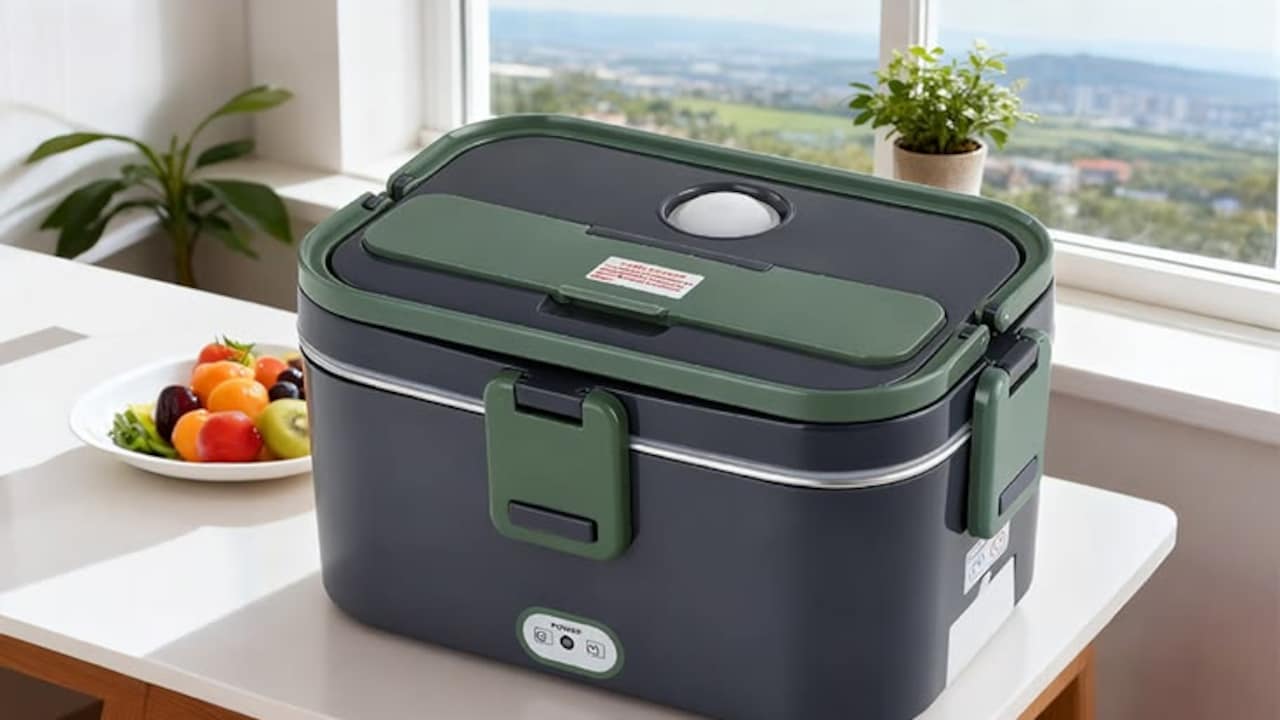
Electric Heating Lunch Boxes For Office: Everything You Need To Know; Photo Credit: Pexels
Key Things To Consider Before Buying An Electric Heating Lunch Box
What Is An Electric Heating Lunch Box?
An electric heating lunch box is a portable food container that warms meals using built-in heating elements. Unlike traditional tiffins, these come with a power cord that plugs into a socket, allowing the food inside to heat gradually.
Most models feature stainless steel compartments housed within a plastic outer body. The heating system gently warms food rather than blasting it with intense heat, which helps maintain texture and flavour. Rice stays fluffy, curries retain their consistency, and chapatis remain soft instead of turning rubbery.
These lunch boxes suit office desks, co-working spaces, and even travel situations. Some advanced versions support car charging, which makes them useful during long commutes. The idea remains simple: carry food from home and enjoy it warm, without relying on external appliances.
For many professionals, this small shift transforms lunchtime into something more relaxed and enjoyable.
Why Electric Lunch Boxes Are Gaining Popularity
The rise in electric lunch boxes reflects changing work habits and lifestyle choices. With longer working hours and tighter schedules, convenience matters more than ever. Carrying homemade food offers better control over ingredients and portions, but the lack of heating options used to be a limitation.
Electric lunch boxes solve that problem neatly. They eliminate the need to search for a microwave or wait in line during peak lunch hours. A quick plug-in at the desk brings food to the right temperature within minutes.
Cost also plays a role. Regularly ordering meals or eating at office cafeterias can easily cost ₹3,000 to ₹5,000 per month. In comparison, a one-time investment of around ₹1,200 to ₹2,500 for an electric lunch box feels reasonable.
There is also a quiet emotional factor at play. Warm food from home carries a sense of comfort that packaged meals rarely match. That familiarity can make even the busiest workday feel a little lighter.
Also Read: 5 Best Electric Lunch Boxes Under ₹1000 For Office And Travel: Get Hot Food Every Time
How Electric Heating Lunch Boxes Work
At the heart of these devices lies a simple heating mechanism. Once plugged into a power source, an internal heating plate begins to warm up. This heat transfers evenly to the food compartments placed above it.
Unlike microwaves, which heat food unevenly and sometimes dry it out, electric lunch boxes use steady heat. This ensures that meals warm gradually, preserving taste and texture. Most units take about 20 to 40 minutes to heat food, depending on the quantity and initial temperature.
Many models include safety features such as thermal cut-off systems to prevent overheating. Some also come with leak-proof lids and steam vents to manage pressure during heating.
The process feels straightforward. Plug in the box, continue with work, and return to a warm meal. There is no need to stir, rotate, or monitor constantly. This ease of use makes the device especially appealing for busy professionals who prefer minimal effort during lunch breaks.
Key Features To Look For Before Buying
Choosing the right electric lunch box depends on everyday needs and preferences. Capacity matters first. A compact 1-litre box suits light eaters, while larger options work better for those who carry multiple dishes.
Material quality plays a big role in durability and safety. Stainless steel containers tend to last longer and maintain hygiene better than plastic alternatives. A sturdy outer body ensures the device can handle daily use without wear.
Heating efficiency also deserves attention. Some models heat faster than others, which can make a difference during short lunch breaks. Power consumption remains relatively low, but checking wattage helps avoid surprises.
Portability adds to convenience. Lightweight designs with sturdy handles make carrying easier during commutes. Leak-proof seals prevent spills inside bags, which is a practical necessity.
Price varies widely, but most reliable options fall within ₹1,000 to ₹3,000. Spending slightly more often brings better build quality and longevity, which proves worthwhile over time.
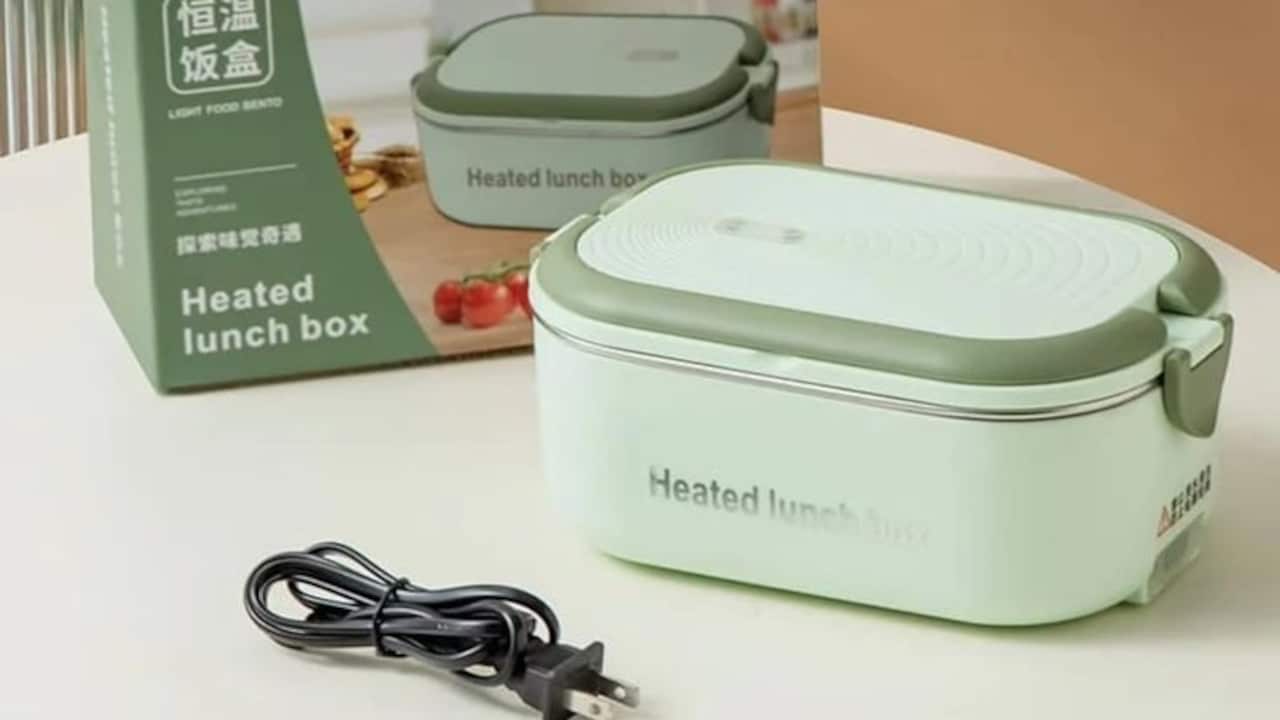
Electric Heating Lunch Boxes For Office: Everything You Need To Know; Photo Credit: Pexels
Benefits Of Using Electric Lunch Boxes At Work
The most obvious benefit lies in enjoying warm meals without depending on shared appliances. This independence saves time and avoids unnecessary hassle during busy hours.
Health improves when home-cooked meals replace outside food. Control over oil, spices, and portion sizes supports better eating habits. Over time, this small change can have a noticeable impact on energy levels and overall well-being.
Financial savings also add up quickly. Even occasional takeaways can strain monthly budgets. Switching to home-packed meals reduces daily expenses without sacrificing satisfaction.
Another advantage comes from consistency. Meals taste familiar, which brings a sense of comfort in otherwise hectic schedules. This routine often leads to more mindful eating and fewer skipped lunches.
There is also a subtle social aspect. Sharing homemade food with colleagues often sparks conversations and builds connections, turning lunchtime into a pleasant break rather than just another task.
Common Drawbacks And Limitations
Despite their advantages, electric lunch boxes are not perfect. Heating time can feel slow for those used to instant microwaving. Planning ahead becomes necessary to ensure food warms in time for lunch.
Power access remains another limitation. Not all office spaces allow easy access to plug points, especially in shared or open-plan setups. Carrying an extension cord may solve the issue, but it adds to the hassle.
Cleaning can also require extra care. Electrical components mean the outer body cannot be washed directly, which demands attention while maintaining hygiene.
Some models struggle with evenly heating certain dishes, especially thick gravies or large portions. Stirring midway can help, but that reduces convenience.
Lastly, durability varies across brands. Lower-priced options may face issues with wiring or heating elements over time. Choosing a reliable product becomes essential to avoid frequent replacements.
Comparing Electric Lunch Boxes With Microwaves
Electric lunch boxes and microwaves serve the same purpose but offer very different experiences. Microwaves heat food quickly, often within minutes, but they require access to a shared appliance. This can lead to waiting times during peak lunch hours.
Electric lunch boxes take longer but offer personal convenience. Food heats quietly at the desk without interruption. This suits professionals who prefer flexibility in their schedules.
Texture and taste differ as well. Microwave heating can dry out certain dishes, while electric lunch boxes maintain moisture better due to gradual heating. This makes a noticeable difference for items like rice and chapatis.
Energy consumption remains comparable, though microwaves use higher power for shorter durations. Electric lunch boxes use lower power over longer periods.
In the end, the choice depends on priorities. Those who value speed may lean towards microwaves, while those seeking convenience and consistency often prefer electric lunch boxes.
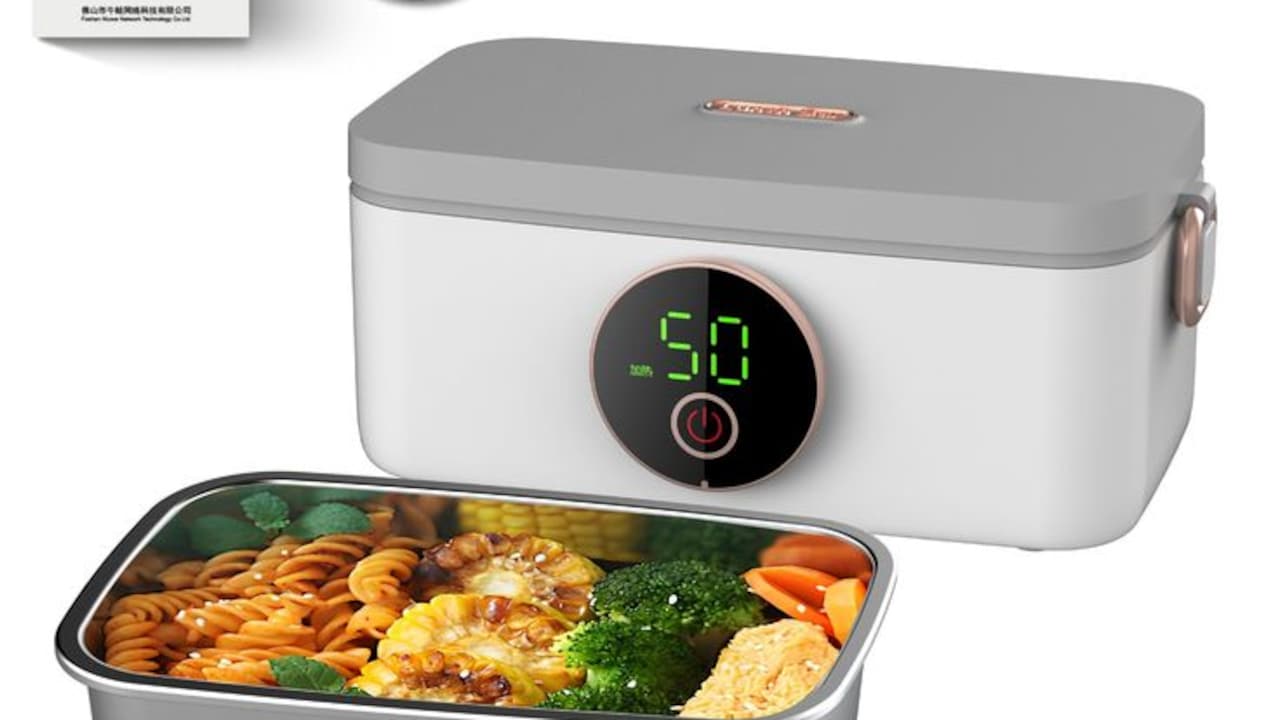
Electric Heating Lunch Boxes For Office: Everything You Need To Know; Photo Credit: Pexels
Best Practices For Daily Use
Using an electric lunch box effectively involves a few simple habits. Starting with slightly warm or room-temperature food reduces heating time significantly. Refrigerated meals may take longer to reach the desired temperature.
Arranging food properly inside compartments ensures even heating. Avoid overfilling, as this can slow down the process. Keeping liquids in sealed containers prevents spills and maintains cleanliness.
Plugging in the lunch box about 30 minutes before lunch usually works well for most meals. This timing allows food to heat gradually without overheating.
Cleaning after each use keeps the device hygienic and prevents odours. Detachable containers make this task easier. Wiping the outer body with a damp cloth maintains its condition without damaging electrical parts.
Following these small steps ensures the lunch box performs well and lasts longer, making it a reliable part of the daily routine.
Are Electric Lunch Boxes Worth The Investment?
For many office-goers, electric lunch boxes prove to be a practical and worthwhile purchase. The convenience of having warm food without relying on shared facilities adds immediate value.
The cost remains relatively low compared to long-term spending on outside meals. Even a modest saving of ₹100 per day adds up quickly over a month. Within a few weeks, the device often pays for itself.
Comfort also matters. A warm meal in the middle of a busy day can improve mood and productivity. This small luxury often goes unnoticed until experienced regularly.
However, the decision depends on the work environment and habits. Those with easy access to microwaves may not feel the need for a separate device. On the other hand, professionals in crowded offices or without pantry access often find it indispensable.
Ultimately, the value lies in how often it gets used and how much convenience it brings to everyday life.
Products Related To This Article
1. AGARO Elite Electric Lunch Box
2. Basil Bento Box - Bento Lunch Box for Kids and Teenagers
3. Xech Electric Lunch Box for Office & Travel
4. MILTON Swiftron Portable Electric Lunch Box
5. Ecoline Q4, Electric Lunch Box,Capacity 1400ml
Electric heating lunch boxes have quietly transformed the way many professionals approach their midday meals. They combine practicality, comfort, and affordability in a compact form, making them an appealing choice for modern work routines.
While they come with minor limitations, their benefits often outweigh the drawbacks for those who prefer home-cooked food. The ability to enjoy a warm meal without stepping away from the desk or waiting in line adds a sense of ease to busy schedules.
In a world where convenience often leads to compromises, these lunch boxes offer a balanced alternative. They support healthier eating habits, reduce daily expenses, and bring a touch of familiarity to the workday.
Sometimes, the simplest innovations make the biggest difference, and a warm lunch at the right time can be exactly that.
(Disclaimer: This article may include references to or features of products and services made available through affiliate marketing campaigns. NDTV Convergence Limited (“NDTV”) strives to maintain editorial independence while participating in such campaigns. NDTV does not assume responsibility for the performance or claims of any featured products or services.)