10 Reasons Electric Kettles Get Noisier Over Time And How To Reduce Scale Build-Up
Electric kettles often get louder as scale builds up and affects heating. Here are 10 common reasons behind the extra noise, plus simple ways to reduce limescale and keep your kettle running smoothly.
10 Reasons Electric Kettles Get Noisier Over Time And How To Reduce Scale Build-Up
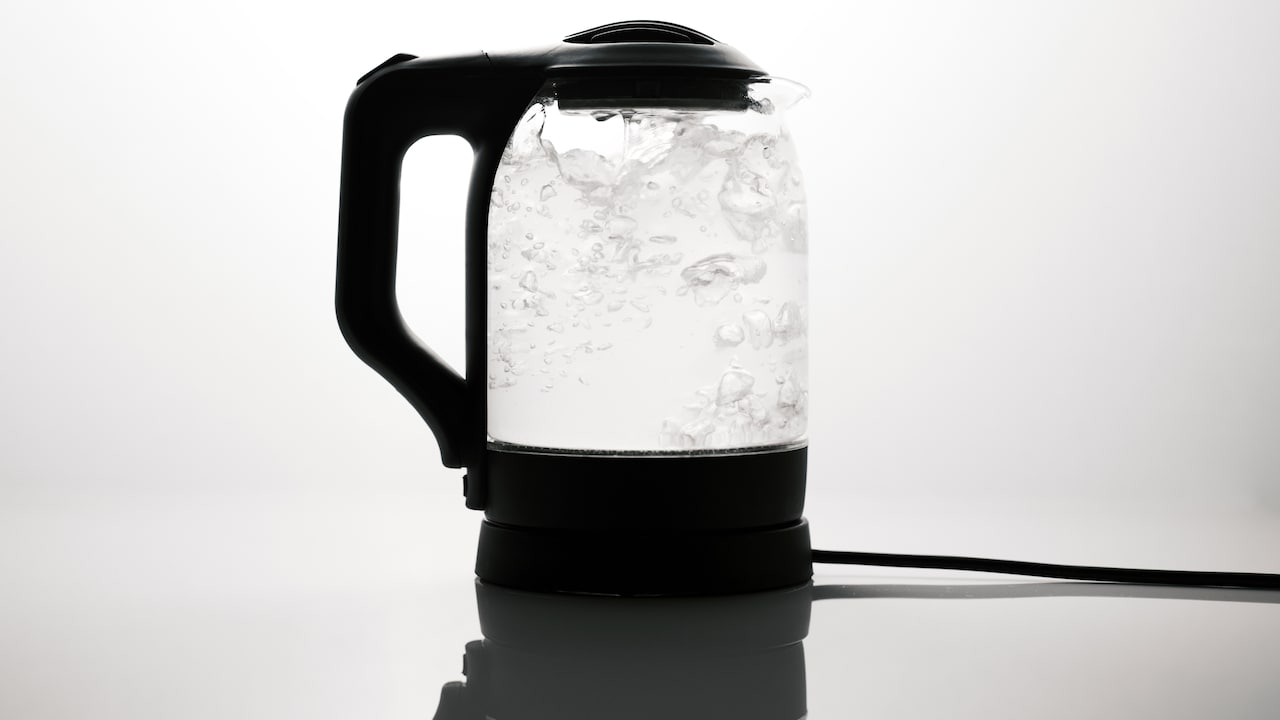
An electric kettle is one of those kitchen appliances that quickly becomes part of the daily routine. Fill it, flick the switch and carry on preparing breakfast. Nobody gives much thought to the sound until one morning the gentle hum seems to have transformed into something resembling a small pressure cooker preparing for battle. Some noise is perfectly normal. Water heating rapidly creates bubbles, vibrations and steam, so complete silence would actually be unusual. The concern begins when a once-familiar kettle becomes noticeably louder, takes longer to boil or develops a rough crackling sound.
10 Reasons Electric Kettles Get Noisier Over Time And How To Reduce Scale Build-Up
Photo Credit: Pexels
Mineral scale often sits at the heart of the problem. Water naturally contains dissolved minerals, and repeated boiling can leave some of them behind as stubborn deposits. Over time, that coating affects heat transfer and may create tiny pockets where bubbles form and collapse more violently.
Regular descaling can make a surprisingly large difference. A few sensible habits also help prevent deposits from building up too quickly. Here are ten reasons an electric kettle may become noisier with age, along with practical ways to keep scale under better control.
Why Electric Kettles Get Louder With Everyday Use
1. Mineral Scale Starts Coating The Heating Surface
The most common reason an electric kettle gets louder is also one of the least mysterious: scale builds up where heat meets water. Calcium and other dissolved minerals can remain behind after repeated boiling, eventually forming a pale, chalky layer on the kettle base or heating element.
That layer acts almost like an unwanted blanket. Instead of heat passing smoothly into the water, parts of the surface become hotter than others. Tiny bubbles then form rapidly beneath or around the deposits. When these bubbles collapse, they can produce the familiar crackling, popping or rumbling that makes an ageing kettle sound far busier than a new one.
Homes receiving harder water may notice the change more quickly. A kettle used six or seven times every day for tea, coffee and cooking water also accumulates deposits faster than one used occasionally.
Regular descaling is the simplest defence. A suitable kettle descaler can loosen mineral deposits before they become thick. Cleaning every few weeks, rather than waiting for a visible crust, usually requires less effort and helps the appliance boil more quietly.
2. Uneven Scale Creates Hot Spots
Scale rarely forms as a perfectly smooth coating. It collects unevenly, creating thicker patches in some areas and leaving other sections relatively clear. This patchy surface can cause what are effectively miniature hot spots inside the kettle.
When one area becomes hotter than the surrounding metal, water directly above it can start producing vapour bubbles before the rest of the kettle reaches boiling temperature. Those bubbles rise into cooler water and collapse quickly. The result can be a sharp crackling or fizzing noise that sounds surprisingly aggressive for such a small appliance.
The effect becomes more obvious as the mineral layer thickens. A kettle may still work, but the boiling process becomes less even and potentially slower.
Descaling before heavy deposits develop keeps the heating surface more uniform. Avoid scraping scale away with knives, steel wool or other harsh objects. Scratches can damage internal surfaces and may provide additional rough spots where deposits collect.
A gentler cleaning routine works better. After descaling, rinse the kettle thoroughly several times and boil fresh water once before preparing a drink. Preventive cleaning is far easier than wrestling with a stubborn mineral crust later.
3. Trapped Bubbles Become More Violent
A smooth kettle base allows bubbles to form and move upwards with relatively little drama. A scaled surface is different. Mineral deposits create countless rough edges, pits and tiny crevices where bubbles can gather.
As the kettle heats, these trapped bubbles expand until they suddenly break free. Some collapse almost immediately when they reach cooler surrounding water. Multiply that process across hundreds of tiny rough patches and an ordinary boil can develop a loud crackle.
This explains why a kettle covered in scale may sound noisy well before the water reaches a rolling boil. The noise often begins as a faint fizz before developing into a rumble.
Keeping the kettle reasonably clean reduces the number of rough surfaces available for bubble formation. It also helps to empty leftover water instead of repeatedly boiling the same batch throughout the day. Fresh water does not magically prevent scale, but repeatedly boiling water concentrates dissolved minerals as some water escapes as steam.
There is no need to obsessively dry the kettle after every cup. Simply boil roughly the amount needed and avoid leaving mineral-rich water sitting inside for unnecessarily long periods.
4. Reboiling Water Can Concentrate Minerals
That half-kettle of water left after breakfast often looks perfectly usable, so boiling it again for the next cup feels sensible. Occasionally doing so is unlikely to cause any noticeable problem. Making it a constant habit, however, can contribute to faster mineral accumulation.
Each heating cycle allows a little water to disappear as steam while dissolved minerals remain behind. Repeated boiling can therefore increase the concentration of minerals in the remaining water. Over time, more material may settle onto the heating surface.
The connection with noise comes back to scale. The thicker and rougher those deposits become, the more unevenly bubbles form. Eventually the kettle that once produced a gentle simmer begins announcing tea time from two rooms away.
A simple habit can help: fill the kettle with roughly the amount required. Apart from reducing repeated reheating, this can also save electricity. There is little benefit in boiling 1.5 litres for one mug.
When leftover water remains, use it for another suitable kitchen purpose rather than automatically boiling it again several times. Small everyday habits may seem insignificant, but over hundreds of boiling cycles they can influence how quickly scale develops.
10 Reasons Electric Kettles Get Noisier Over Time And How To Reduce Scale Build-Up
Photo Credit: Pexels
5. A Loose Lid Can Amplify Normal Vibrations
Not every unusual noise comes from scale. Sometimes the kettle itself simply becomes a better amplifier as it ages. Hinges, lids and small fittings can loosen slightly after months or years of daily opening, closing and heating.
A lid with a little extra movement can vibrate when the water begins boiling. What starts as an ordinary internal bubbling sound may then turn into a rattle. Because metal and hard plastic surfaces transmit vibration efficiently, the noise can appear much more serious than the underlying problem.
Check whether the lid closes firmly and whether any removable filter sits securely in place. Never attempt repairs while the kettle is plugged in or hot. If a component appears damaged rather than merely loose, replacing the kettle or using an authorised service option may be safer than improvising a repair.
Scale can make these rattles worse because vigorous bubbling produces stronger vibrations. That is why descaling occasionally seems to “fix” a mysterious lid noise even though the lid itself has not changed.
A quieter kettle often depends on several small factors working together: clean heating surfaces, secure fittings and a sensible amount of water.
6. The Removable Filter May Become Clogged
Many electric kettles have a small mesh filter near the spout. Its job is simple but useful: help stop loose pieces of limescale and other particles from ending up in a cup.
With time, that filter can collect mineral deposits. Water and steam then move around it differently, sometimes creating extra bubbling, whistling or rattling near the top of the kettle. A heavily clogged filter may also make pouring slower and less tidy.
Remove the filter only if the manufacturer has designed it to come out. Soaking it in an appropriate descaling solution can loosen chalky deposits without aggressive scrubbing. Once clean, rinse it thoroughly before placing it back.
This small component often gets forgotten because most attention goes to the visible kettle base. Yet cleaning the filter at the same time as the main chamber makes sense. A sparkling heating plate paired with a crusty filter is rather like washing a car and leaving the windscreen covered in dust.
If the filter is torn, warped or no longer fits properly, look for the correct replacement part rather than operating the kettle with a damaged component.
7. Boiling Too Little Water Can Make Heating Sound Harsher
A kettle filled close to its minimum mark may sometimes sound sharper than one containing a moderate amount of water. There is less liquid available to absorb and distribute heat, so local temperature changes around the heating surface can become more noticeable.
The effect may become particularly obvious when scale is already present. A crusted base plus a very small volume of water can produce energetic bubbling around certain areas, resulting in pronounced crackling.
This does not mean filling the kettle to the top every time. That wastes energy when only one or two cups are needed. The better approach is to stay between the appliance's clearly marked minimum and maximum levels and use a sensible quantity for the task.
Never operate a kettle below its recommended minimum level. Modern models often include boil-dry protection, but safety systems should not become part of the normal routine.
Keeping the heating surface free of heavy scale matters just as much as choosing the correct water level. When both are managed properly, the boiling process tends to remain steadier, quicker and considerably less theatrical.
8. Ageing Components Can Add Mechanical Noise
Electric kettles look simple from the outside, but several components work together every time the switch goes down. Heating systems, thermostat mechanisms, switches and electrical contacts all experience repeated cycles of heat and cooling.
After years of use, mechanical sounds may become more noticeable. A click from the thermostat is normal, particularly when the kettle switches itself off. Persistent rattling, buzzing or unusual electrical noises deserve more attention.
Scale can add extra strain by making heat transfer less efficient. When deposits cover the heating surface, the kettle may need longer to bring the same amount of water to boiling point. Longer heating cycles mean more time operating under heat.
Descaling will not repair a genuinely worn electrical component, but keeping the kettle clean can prevent mineral deposits from becoming an additional burden.
Be cautious with sudden changes. A kettle that produces a burning smell, visible sparking, leaking water or an abnormal electrical buzz should be unplugged and taken out of use. Saving ₹1,000 or ₹2,000 by stretching the life of a failing appliance is hardly worthwhile when electrical safety is involved.
9. Water Left Standing Encourages Visible Deposits
Leaving water inside the kettle overnight is common, especially after that final evening cup. While the kettle is unlikely to suffer immediately, constantly storing water inside can encourage mineral residue and make existing deposits more obvious.
As droplets evaporate from the internal surface, minerals stay behind. That familiar whitish ring around the waterline often begins this way. Given enough time, repeated wetting, heating and evaporation can produce a stubborn layer.
Emptying unused water once the kettle has cooled helps reduce this pattern. The lid can also be left open briefly after use so trapped moisture escapes, provided the appliance sits somewhere clean and safe.
Avoid turning kettle care into a complicated ceremony. Nobody needs another household chore demanding fifteen minutes after every cup of chai. The useful habits are refreshingly simple: do not store stale water for days, avoid repeated unnecessary boiling and descale periodically.
If the interior already feels rough or looks chalky, an ordinary rinse will not remove mineral scale. A proper descaling session is needed to dissolve deposits rather than merely washing over them.
10. Irregular Descaling Lets Small Deposits Become Big Problems
Scale build-up is easy to ignore because it happens gradually. A kettle rarely changes from spotless to heavily crusted overnight. Instead, a thin film appears, gets slightly thicker and quietly becomes part of the appliance.
Noise often follows the same pattern. The kettle grows louder so slowly that nobody notices until a visitor remarks on it or a brand-new kettle elsewhere suddenly sounds suspiciously peaceful.
A consistent cleaning schedule prevents this slow creep. How frequently descaling is needed depends on water hardness and kettle usage. A heavily used appliance in an area with mineral-rich water may need attention every few weeks, while another household may manage comfortably with less frequent cleaning.
Use the method recommended for the kettle. Commercial descalers provide convenient measured options, while some manufacturers permit household descaling solutions. Always check the appliance instructions because materials and recommendations vary between models.
After descaling, rinse thoroughly so no cleaning solution remains. Regular maintenance takes far less effort than trying to remove months of hardened deposits in one go and can help preserve heating performance, appearance and that pleasantly ordinary kettle sound.
10 Reasons Electric Kettles Get Noisier Over Time And How To Reduce Scale Build-Up
Photo Credit: Pexels
Products Related To This Article
1. Borosil 1380 W Cooltouch 1.5L Electric Glass Kettle
2. Usha ICHEF Programmable Kettle 2000 Watt| 1.5L
3. Milton Rapid Electric Kettle 1.8L | 1500 Watts | Stainless Steel Hot Water portable Electric Kettle for Home
4. Sujata 1380 W Electric Kettle EK01 1.5 Litre | Strix Controller
5. Glen Electric Glass Tea Kettle 1.8 Litre (SA-9001BL)
6. Westinghouse 1.7L 2200W Retro Series Electric Kettle
7. Prestige 1.7L PKGSS Stainless Steel Electric Kettle
A noisier electric kettle is not automatically a sign that replacement is overdue. In many cases, the growing rumble simply reflects mineral scale changing the way water heats and bubbles. Rough deposits create hot spots, trap bubbles and make boiling sound far more dramatic than it needs to be.
Other factors matter too. Loose fittings, clogged filters, low water levels and ageing components can introduce rattles, whistles and buzzes. Paying attention to the type of sound helps separate harmless boiling behaviour from something that deserves closer inspection.
The easiest long-term strategy is regular, sensible maintenance. Boil only the water required, avoid endlessly reheating leftovers, empty water that will not be used and descale before mineral deposits turn into a thick crust. Clean removable filters when needed and take sudden electrical noises seriously.
A kettle may be a modest appliance, but it works hard in many kitchens from the first cup of morning chai to the late-night instant noodles. A little care keeps that familiar switch-and-boil routine quicker, cleaner and, with luck, considerably quieter.
(Disclaimer: This article may include references to or features of products and services made available through affiliate marketing campaigns. NDTV Convergence Limited (“NDTV”) strives to maintain editorial independence while participating in such campaigns. NDTV does not assume responsibility for the performance or claims of any featured products or services.)