Common Baking Mistakes That Cause Cakes To Sink In The Centre And How To Avoid Them
Cakes rarely sink without a reason. Discover 10 common oven habits that can cause a collapsed centre and learn how to achieve a perfectly risen bake every time.
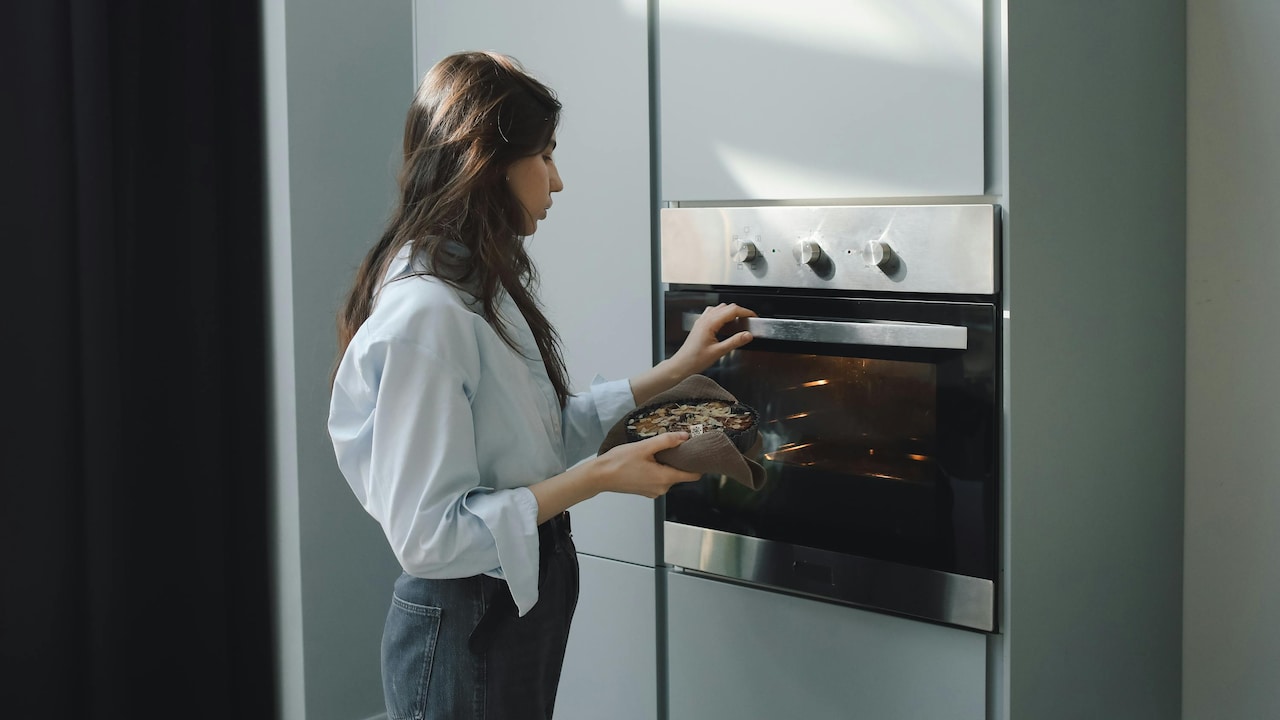
Why Does My Cake Sink In The Centre? Top 10 Baking Mistakes To Avoid
Few kitchen moments match the excitement of watching a cake rise in the oven. The batter transforms into a golden sponge, filling the home with a comforting aroma that promises something delicious. Then comes the heartbreak. The cake emerges looking perfect at first glance, only to reveal a sunken middle moments later. This baking mishap frustrates beginners and experienced bakers alike. Many assume the recipe failed, but the oven often tells a different story. Cakes rise because heat creates structure. When that structure does not form properly, the centre loses support and collapses.

Why Does My Cake Sink In The Centre? Top 10 Baking Mistakes To Avoid; Photo Credit: Pexels
The good news is that a sinking cake rarely happens without reason. Small habits, often repeated without noticing, can affect how evenly a cake bakes and whether it holds its shape. Understanding these habits can help produce lighter, fluffier cakes with a beautifully level top every time.
Why Cakes Sink In The Middle: Common Oven Mistakes To Avoid
Opening The Oven Door Too Early
Patience can be surprisingly difficult when the smell of freshly baking cake drifts through the kitchen. Many bakers cannot resist opening the oven door for a quick peek. Unfortunately, that brief glance can create a major problem.
When the oven door opens, a significant amount of heat escapes almost instantly. The sudden drop in temperature interrupts the cake's rising process at a crucial stage. The outer edges may have started setting, but the centre often remains soft and unstable. Without consistent heat, that middle section loses momentum and collapses.
Think of it like building a house and removing the scaffolding halfway through construction. The structure simply cannot support itself. Modern ovens often have glass doors, making it easier to monitor progress without disturbing the baking environment. If curiosity strikes, trust the timer and resist the temptation. A few extra minutes of patience can mean the difference between a bakery-style sponge and a cake with a crater in the centre.
Also Read: 10 OTG Oven Benefits: Budget-Friendly, Compact and Perfect For Baking, Grilling And More
Baking At The Wrong Temperature
Temperature plays a leading role in cake success. Even a small difference can change the final result dramatically. Many home ovens run hotter or cooler than the setting displayed on the dial, which creates unexpected baking issues.
An oven that runs too hot causes the cake's outer edges to set rapidly while the middle remains undercooked. The centre rises dramatically, appears promising, then collapses because it lacks internal structure. On the other hand, an oven that stays too cool may not generate enough heat to help the cake develop properly.
A simple oven thermometer can reveal whether the actual temperature matches the setting. Many bakers discover differences of 10 to 20 degrees without realising it. Consistent baking requires consistent heat. Investing a small amount in an oven thermometer often saves countless cakes and prevents the frustration of guessing what went wrong.
The oven may seem reliable, but even trusted appliances occasionally tell little white lies.
Placing The Cake On The Wrong Oven Shelf
Shelf position affects more than many people realise. A cake placed too close to the top heating element can bake unevenly, while one positioned too low may struggle to rise correctly.
The middle shelf generally provides the most balanced heat circulation. This location allows warm air to move evenly around the cake, encouraging consistent baking from top to bottom. Problems arise when bakers squeeze multiple trays into the oven or place the cake wherever space happens to be available.
A cake baked on an upper shelf often develops a firm crust before the centre finishes cooking. Once removed from the oven, the unstable middle can sink beneath the hardened top. Lower shelves can create the opposite issue, leaving the bottom overcooked while the centre remains weak. A well-positioned cake receives even heat from all directions. It may sound like a small detail, yet shelf placement frequently separates a perfect sponge from a disappointing collapse.
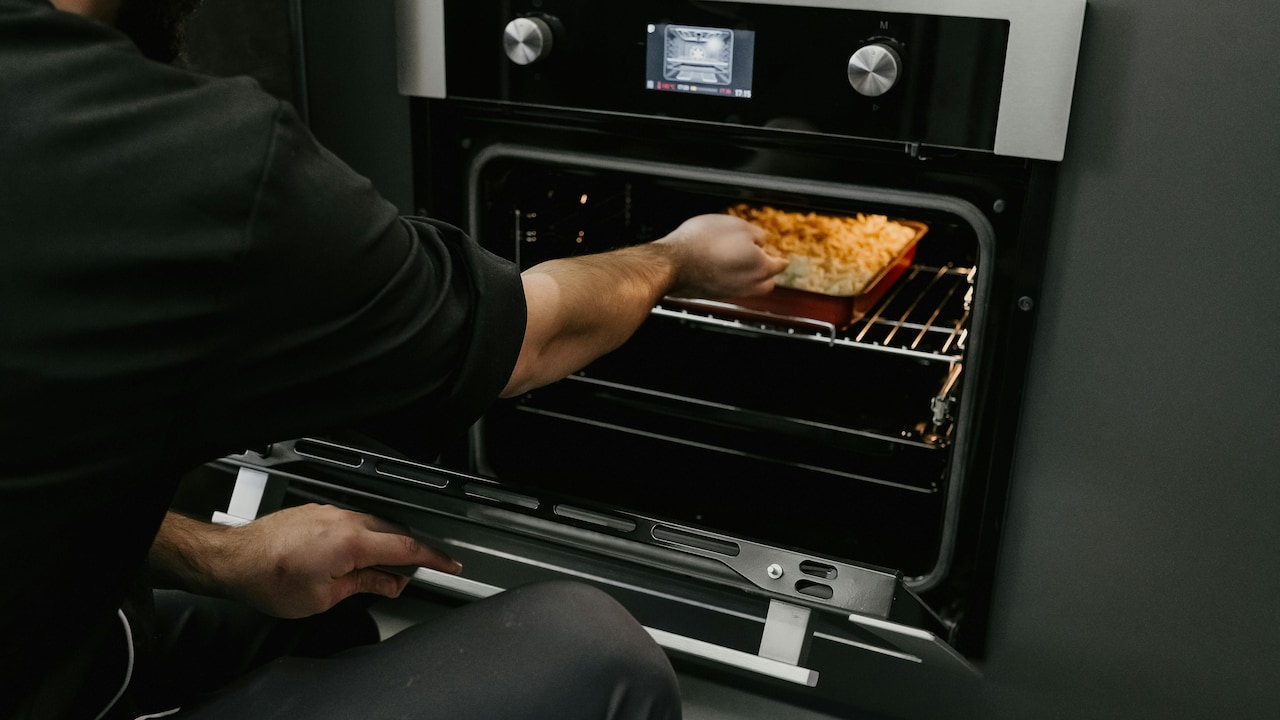
Why Does My Cake Sink In The Centre? Top 10 Baking Mistakes To Avoid; Photo Credit: Pexels
Overcrowding The Oven
During celebrations, festivals or family gatherings, many households bake several items at once. While this approach saves time, it can create conditions that prevent cakes from baking correctly.
Ovens rely on proper airflow. Heat needs room to circulate around baking tins. When trays, dishes and pans fill every available corner, airflow becomes restricted. Hot and cool spots develop, leading to uneven baking.
A crowded oven often causes cakes to rise unpredictably. Certain sections bake faster than others, leaving weak spots within the sponge. These weak areas become vulnerable once the cake cools and can trigger a noticeable dip in the middle.
The issue becomes even more common during festive seasons when kitchens resemble busy production lines. Although baking everything together seems efficient, giving a cake enough space usually produces far better results. A little extra baking time often beats serving a cake that looks like it survived a small earthquake.
Using The Fan Setting Incorrectly
Fan-assisted ovens offer excellent heat distribution, but they require adjustments. Many bakers use recipes written for conventional ovens without modifying the temperature. That simple oversight can affect the cake's structure.
Fan ovens circulate hot air continuously. This process speeds up baking and can create a stronger crust on the surface. If the temperature remains too high, the outside sets before the centre develops properly. The cake may appear beautifully risen during baking, only to collapse later.
Most baking experts recommend reducing the temperature by around 20 degrees when using a fan-assisted setting. This adjustment helps maintain a balanced bake and prevents the outer layers from racing ahead of the centre.
Every oven behaves differently, which explains why experienced bakers often spend time learning their appliance's personality. Understanding how fan settings influence baking can eliminate one of the most common causes of sunken cakes.
Removing The Cake Before It Is Fully Baked
The timer beeps, the cake looks golden, and excitement takes over. Unfortunately, appearances can be deceptive. A cake may look finished on the surface while remaining undercooked in the centre.
When removed too early, the internal structure has not fully formed. The trapped steam and air that created the rise begin escaping as the cake cools. Without sufficient support, the centre sinks.
Testing for doneness remains one of the most reliable baking habits. A skewer inserted into the centre should emerge clean or with a few dry crumbs attached. Wet batter indicates the cake needs more time.
Relying solely on colour can be misleading because ovens brown cakes at different rates. Some cakes develop a beautiful golden surface long before the interior reaches the correct stage. A few extra minutes in the oven can preserve the structure and prevent that frustrating dip in the middle.
Frequently Opening And Closing The Door
One quick peek rarely causes disaster. Repeated peeking, however, can create serious problems. Some bakers check their cakes every few minutes, especially when trying a new recipe.
Each door opening releases heat and alters the oven's internal temperature. The cake experiences repeated interruptions during the critical rising phase. These fluctuations prevent consistent development and weaken the structure.
Imagine trying to inflate a balloon while someone keeps letting air escape. Eventually, progress becomes impossible. Cakes react similarly. They depend on stable conditions to rise evenly and maintain their shape.
Modern baking often encourages constant monitoring, but cakes generally reward restraint. Trusting the recipe and allowing the oven to do its job usually produces better results than frequent inspections. Sometimes the hardest baking skill involves doing absolutely nothing.
Ignoring Oven Hot Spots
Many ovens contain hidden hot spots. One side may bake faster, while another remains noticeably cooler. Ignoring these differences can lead to uneven cakes and collapsed centres.
A hot spot causes one section of the cake to set before the rest. The uneven structure struggles to support itself during cooling. As a result, the middle may sink or develop an irregular shape.
Testing for hot spots can be surprisingly simple. Placing slices of bread across an oven tray and briefly toasting them reveals where heat concentrates. Darker areas indicate hotter zones.
Once identified, bakers can rotate cakes carefully during the later stages of baking if the recipe allows. Understanding an oven's quirks transforms baking from guesswork into a more predictable process. Every appliance has its personality, and successful bakers learn how to work with it rather than against it.
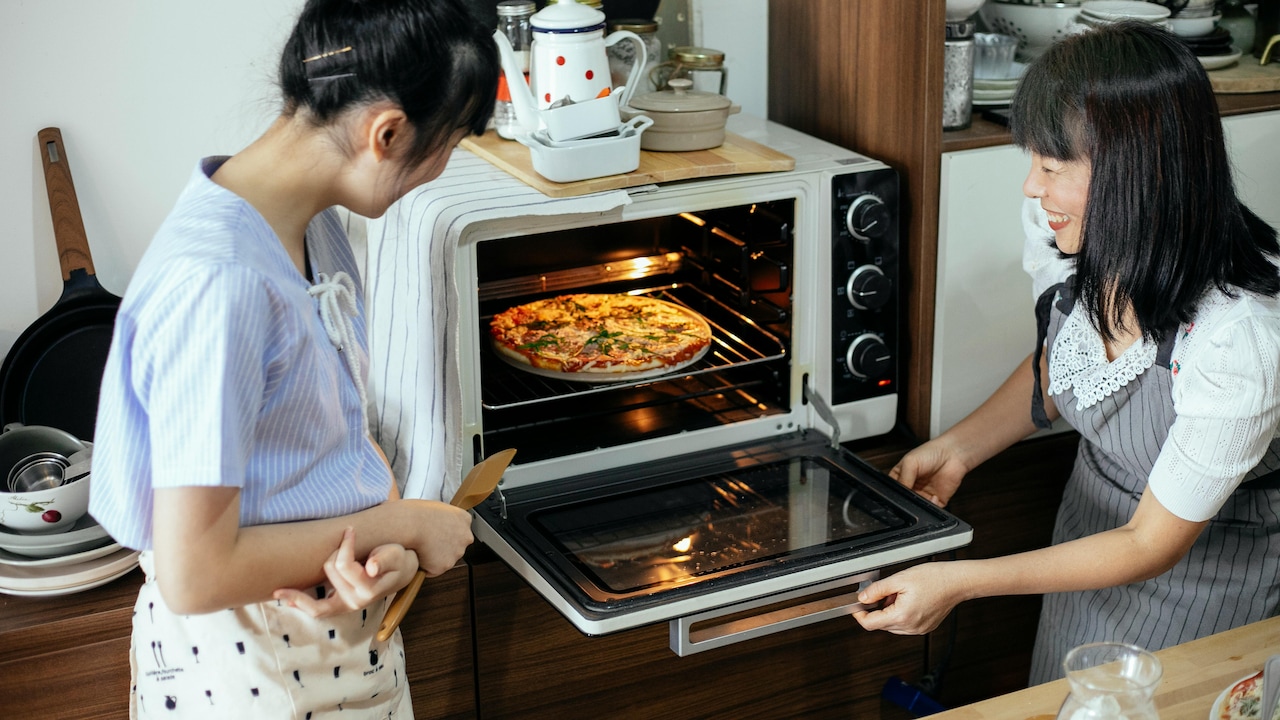
Why Does My Cake Sink In The Centre? Top 10 Baking Mistakes To Avoid; Photo Credit: Pexels
Cooling The Cake Too Quickly
Many people focus entirely on baking and forget that cooling forms part of the process. A cake continues settling after it leaves the oven. Sudden temperature changes can affect its final structure.
Placing a hot cake near an open window, under a fan or in an air-conditioned room can create thermal shock. The outer layers cool rapidly while the centre remains warm and delicate. This imbalance sometimes causes the middle to sink.
Gradual cooling allows the internal structure to stabilise. Most cakes benefit from resting in their tin for a short period before transferring to a wire rack. This gentle transition helps maintain shape and texture.
The temptation to speed up cooling often comes from excitement. After all, who wants to wait when dessert is within reach? Yet patience pays off once again. A properly cooled cake stands a much better chance of staying beautifully level.
Failing To Preheat The Oven Properly
Preheating often feels like an unnecessary delay, especially on busy days. However, skipping this step can create conditions that lead directly to a sunken cake.
Cake batter relies on immediate heat when it enters the oven. The rising agents begin working straight away. If the oven has not reached the correct temperature, the batter starts reacting before enough heat exists to support the process.
The cake may rise unevenly, develop a weak structure and collapse as it cools. Many ovens also take longer to stabilise than their indicator lights suggest. Waiting a few additional minutes after preheating can improve consistency.
Good baking depends on preparation. Just as a cricket match cannot begin without the pitch being ready, a cake performs best when the oven reaches the proper temperature before the batter goes inside.
Products Related To This Article
1. Milton 10L OTG Oven Toaster Griller for Kitchen
2. iBELL Ibleo25Lgnew 25 Liters Electric Oven Toaster Grill OTG With Rotisserie
3. Faber FOTG 20L Neo|1400 Watts OTG
4. Cadlec MultiChef Pro 3 in 1 Breakfast Maker With Oven, Toaster Griller
5. AGARO Marvel Oven Toaster Griller, 25 Litres, Motorised Rotisserie
6. IFB 24L Solo Microwave Oven with 69 Auto Cook Menus
7. Glen Multi-Function OTG for Kitchen 35 Litre
A cake that sinks in the middle can feel disappointing, but the cause often comes down to simple habits rather than baking ability. From opening the oven for baking too soon to skipping proper preheating, small actions can have a surprisingly large impact on the final result.
The encouraging part is that these mistakes are easy to fix. Paying attention to temperature, airflow, shelf placement and cooling methods can transform baking outcomes dramatically. Every successful baker has faced a collapsed cake at some point. The difference lies in learning from the experience.
The next time a cake goes into the oven, treat the process like a carefully choreographed performance. Give it steady heat, enough space, and a little patience. The reward will likely emerge golden, fluffy, and perfectly level, ready to impress everyone gathered around the table.
(Disclaimer: This article may include references to or features of products and services made available through affiliate marketing campaigns. NDTV Convergence Limited (“NDTV”) strives to maintain editorial independence while participating in such campaigns. NDTV does not assume responsibility for the performance or claims of any featured products or services.)