How To Choose A Hair Dryer That Wont Damage Your Hair
Using the wrong hair dryer can quietly damage hair over time. This guide explains how to choose the right dryer to protect shine, strength, and texture without overcomplicating the process. Say goodbye to heat damage by choosing a hair dryer that actually works.
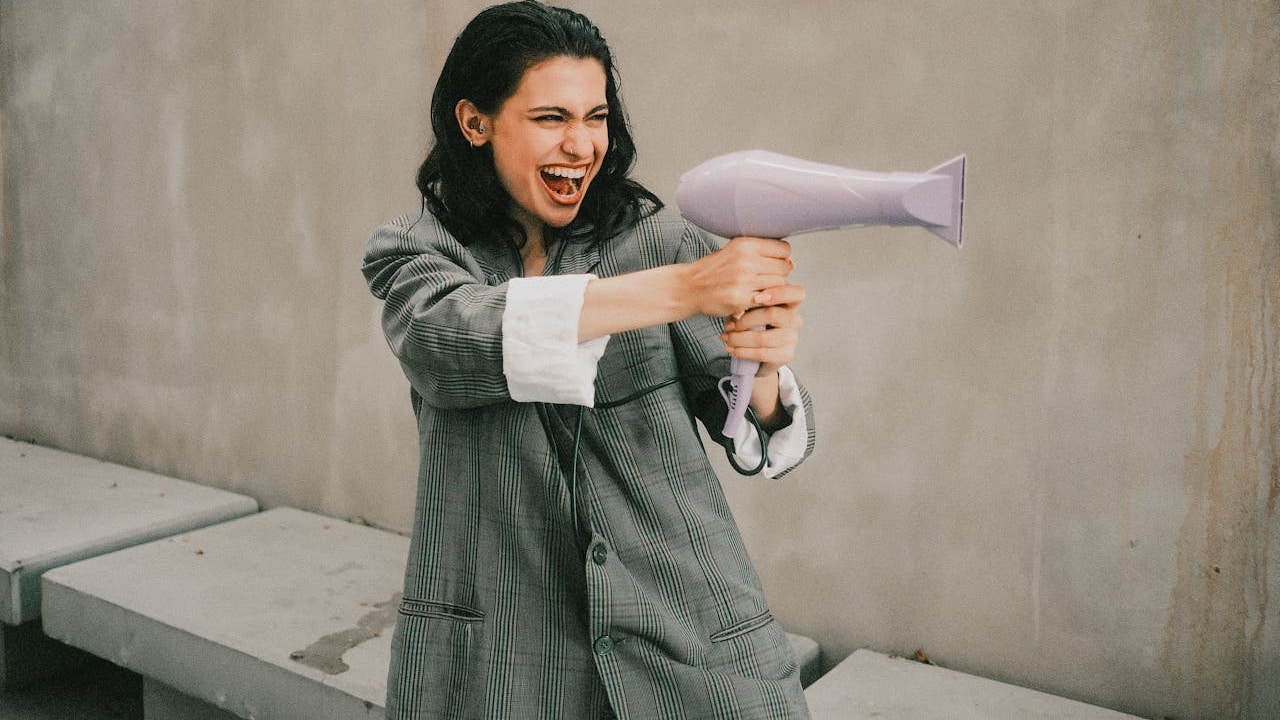
The Complete Guide To Choosing A Hair Dryer Without Ruining Your Hair.
Hair dryers sit quietly in cupboards, yet they work harder than most styling tools. They rush mornings along, rescue last-minute plans, and tame monsoon frizz. At the same time, heat damage sneaks in when choices feel rushed or confusing. Many people buy a dryer based on price or brand name alone. Later comes regret, split ends, and hair that refuses to behave.
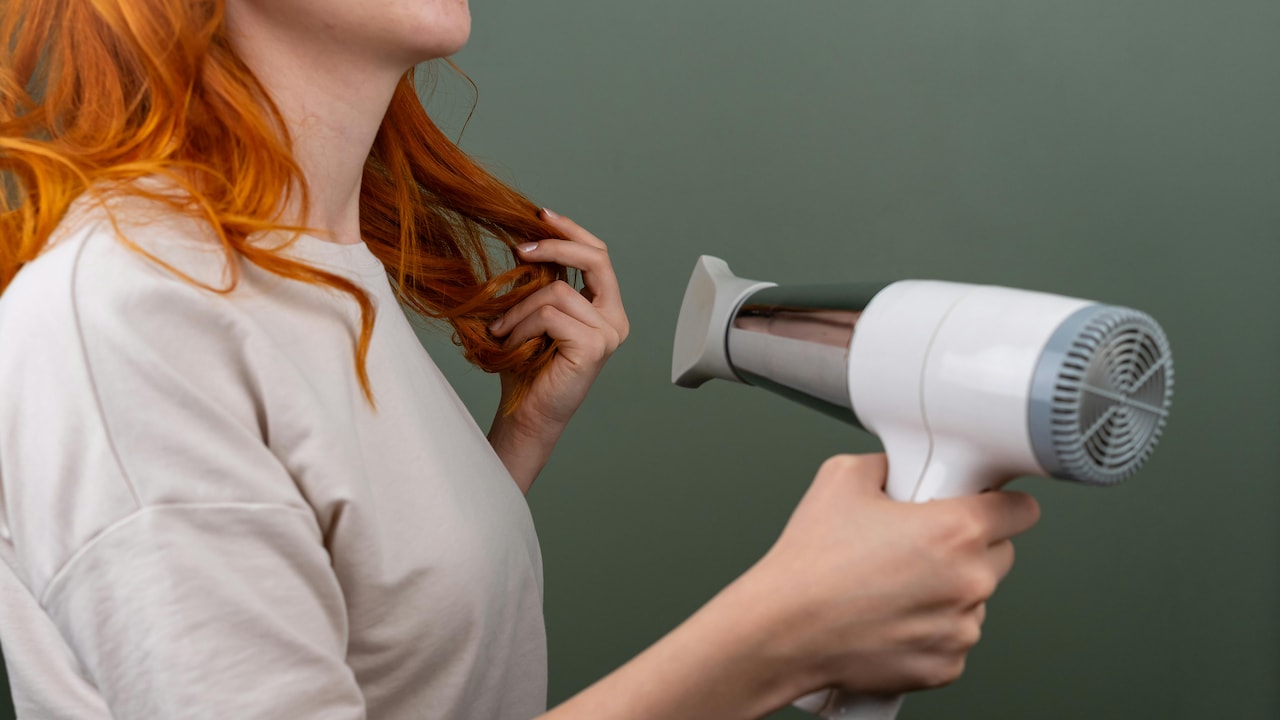
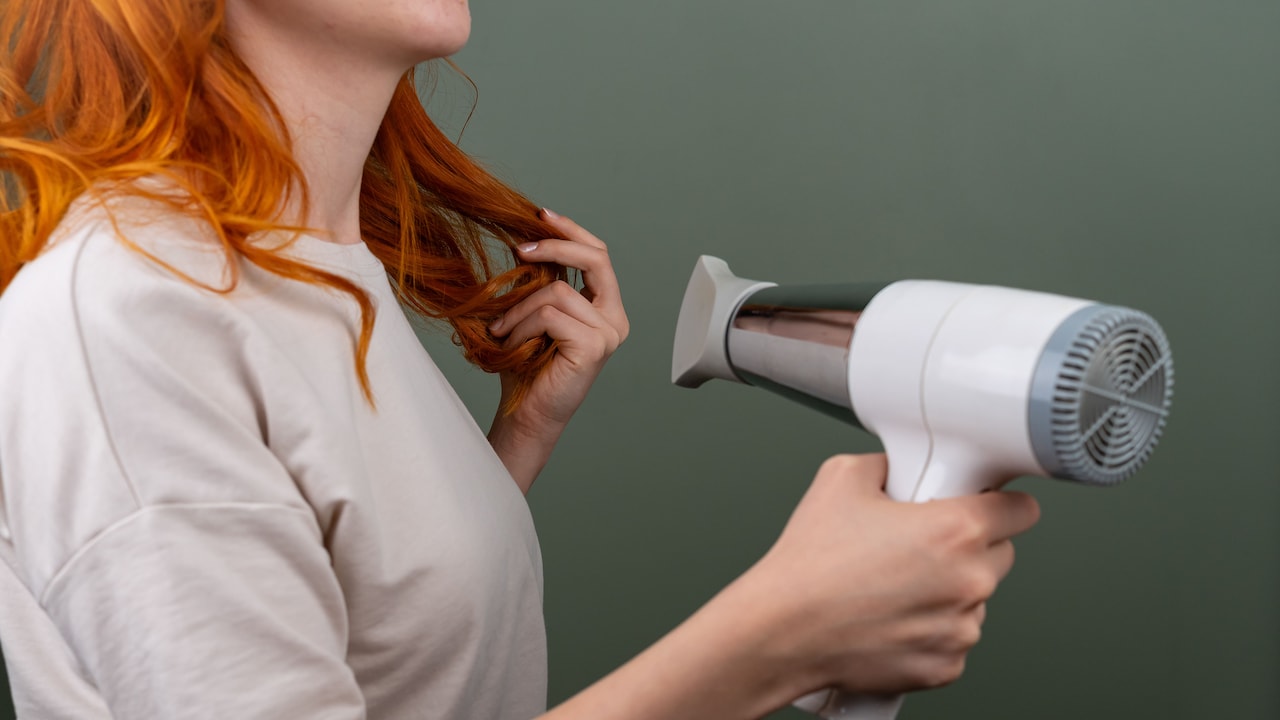
Top crucial things to consider when choosing a hair dryer for less heat damage; Photo Credit: Pexels
Choosing the right hair dryer does not need expert knowledge or a huge budget. It needs clarity. Understanding how heat, airflow, and technology affect hair makes all the difference. From thick curls to fine strands, every hair type has different needs. Climate, water quality, and daily routines also play a role.
This article walks through practical, real-world tips to help pick a dryer that works gently and effectively. No complicated science lessons. No unrealistic promises. Just clear guidance, relatable examples, and a few honest truths about what really protects hair from damage.
Also Read: Top 5 Best Hair Dryers For Women Under ₹1,000
Before You Buy: What to Look for in a Hair Dryer
1. Understand Hair Type Before Anything Else
Every good hair decision starts with knowing hair type. Fine hair reacts quickly to heat and dries fast. Thick or curly hair holds moisture longer and needs stronger airflow. Using the same dryer for all types rarely ends well.
Fine hair benefits from lower heat settings and gentle airflow. Too much heat flattens volume and causes breakage. Thick hair needs power, but not uncontrolled heat. A dryer with adjustable settings helps balance speed and safety.
Think about daily struggles. Does hair frizz the moment humidity rises? Does it feel dry even after oiling? These signs guide the choice. For example, frizz often points to uneven heat or poor airflow. Dryness signals overheating.
Ignoring hair type leads to over-drying or endless drying sessions. Both damage hair over time. A suitable dryer shortens styling time and reduces exposure to heat. Hair feels softer and looks healthier with less effort.
Before checking features or prices, pause and assess hair honestly. That single step saves money, time, and a lot of bad hair days.
2. Choose Adjustable Heat and Speed Settings
One-button dryers look simple, but simplicity often hides risk. Hair changes daily. Weather, oiling, and washing frequency affect how it reacts to heat. Adjustable settings offer control, and control protects hair.
Low heat works best for fine hair, chemically treated hair, or quick touch-ups. Medium heat suits for everyday drying. High heat should be reserved for thick, wet hair, and only for short bursts. Speed settings matter just as much. High airflow dries hair faster, which reduces heat exposure.
Many people keep dryers on maximum settings out of habit. That habit causes long-term damage. Adjustable controls encourage mindful styling. They allow a gentle start and a powerful finish when needed.
In hot summers, hair dries faster, so lower settings work better. In humid weather, controlled airflow helps smooth hair without overheating it. Flexibility keeps hair healthier across seasons.
A dryer without adjustable settings limits choices and increases risk. Spending slightly more for control often saves costly salon treatments later.
3. Look for Ionic Technology for Smoothness
Ionic technology sounds fancy, but its purpose stays simple. It reduces frizz and speeds up drying. Hair naturally carries positive charges when wet. Ionic dryers release negative ions that balance this charge.
Balanced hair dries faster and lies smoother. Cuticles stay flatter, which boosts shine and reduces tangles. This matters in humid conditions, where frizz feels unavoidable.
Hair that looks puffy after blow-drying often suffers from uneven heat and static. Ionic dryers help tame this without extra products. Less tugging with brushes also means less breakage.
Not every ionic dryer suits every hair type. Very fine hair may lose volume if over-smoothed. Adjustable settings solve this issue by allowing control over airflow and heat.
Ionic technology does not replace good technique. It supports it. Used correctly, it shortens drying time and keeps hair softer. For anyone battling frizz or dryness, this feature makes daily styling calmer and more predictable.
4. Pay Attention to Wattage Without Obsessing
Wattage indicates power, but higher wattage does not always mean better. Many assume higher wattage equals faster drying and better results. In reality, wattage needs to be balanced.
Low-wattage dryers struggle with thick hair and extend drying time. Extended heat exposure causes more damage than brief, controlled heat. Very high wattage dryers blast hair with intense heat that risks dryness if used carelessly.
For home use, a mid-range wattage often works best. It provides enough airflow to dry hair efficiently without overwhelming it. Combined with adjustable settings, it offers flexibility across hair types.
Travel dryers often have lower wattage. They suit short trips but may not serve daily needs well. Using them regularly may increase drying time and damage.
Rather than chasing the highest number, consider how the dryer feels during use. Does it dry evenly? Does it feel controllable? Those answers matter more than wattage alone.
5. Ceramic and Tourmaline Coatings Matter
The materials inside a hair dryer affect how heat reaches hair. Ceramic and tourmaline coatings distribute heat evenly. Even heat reduces hot spots that scorch hair strands.
Metal heating elements often create uneven heat. Some sections overheat while others remain damp. That leads to repeated passes over the same area, which damages hair.
Ceramic dryers emit gentle infrared heat. This heat penetrates hair evenly and dries it from the inside out. Tourmaline enhances ionic output, which further reduces frizz.
Hair that feels rough after drying often suffers from uneven heat. Coated dryers help maintain moisture balance. They also feel more forgiving during rushed mornings.
While these coatings add to cost, they protect hair long-term. Think of them as built-in insurance. Over time, they reduce the need for masks, serums, and trims caused by damage.

Look for hair dryers with ceramic and tourmaline coatings that distribute heat evenly; Photo Credit: Pexels
6. Weight and Design Affect Hair Health Too
A heavy dryer strains arms and wrists. That strain often leads to rushed styling. Rushed styling increases heat exposure and careless handling.
Lightweight dryers encourage patience and control. They make it easier to move around the head and maintain distance from the scalp. Proper distance prevents overheating and scalp irritation.
Design matters beyond looks. A well-balanced dryer feels comfortable even during longer sessions. Buttons placed thoughtfully prevent accidental changes mid-use.
Long cords add convenience. They reduce awkward angles that cause uneven drying. Concentrator nozzles help direct airflow precisely, which protects surrounding hair from unnecessary heat.
Comfort may seem secondary, but it affects technique. Good technique protects hair more than any single feature. A dryer that feels good to use often leads to better habits and healthier hair.
7. Don't Ignore the Importance of a Cool Shot
The cool shot button often gets ignored, yet it plays a key role in hair health. Cool air seals cuticles after heat styling. Sealed cuticles lock in moisture and shine.
Using cool air at the end reduces frizz and sets style gently. It also calms the scalp after heat exposure. In warm climates, this feels refreshing and practical.
Skipping this step leaves cuticles open. Open cuticles make hair vulnerable to pollution, humidity, and breakage. A quick blast of cool air reduces that risk.
Dryers without a true cool shot limit styling control. Some claim to offer cool air but still emit warmth. A proper cool setting makes a noticeable difference.
This small feature adds little cost but offers big benefits. Incorporating it into routine takes seconds and improves hair texture over time.
8. Consider Noise Levels and Daily Comfort
Loud dryers cause fatigue and irritation. Noise may not damage hair directly, but it affects daily experience. Stress often leads to rushed routines and careless handling.
Quieter dryers feel more pleasant to use. They encourage patience and mindful styling. Morning routines feel calmer, especially in shared homes.
Noise is often linked to motor quality. Better motors produce smoother airflow with less noise. Smooth airflow dries hair evenly and reduces heat concentration.
Checking noise levels before buying helps avoid regret. While shops may not allow full testing, reviews often mention sound quality. Choosing a balanced option improves long-term satisfaction.
Comfort supports consistency. Consistent, gentle routines protect hair more effectively than occasional intense care.
9. Budget Smartly Without Falling for Gimmicks
Price does not always reflect quality. Some affordable dryers perform well, while expensive ones rely on branding. Smart budgeting focuses on essentials rather than trends.
Key features matter more than flashy claims. Adjustable settings, even heat distribution, and reliable airflow protect hair. Extra attachments and colours add little value.
Think long-term. Spending ₹2,500 to ₹4,000 on a durable dryer often proves wiser than replacing cheaper models frequently. Repairs and replacements add up.
Avoid miracle promises. No dryer repairs existing damage. It can only prevent further harm. Honest expectations prevent disappointment.
A sensible budget paired with informed choices leads to satisfaction. Hair stays healthier, and money stays better spent.
10. Technique Completes the Equation
Even the best dryer fails without proper technique. Holding the dryer too close overheats hair. Moving it constantly prevents heat concentration.
Dry hair partially with a towel before using heat. Pat gently instead of rubbing. This reduces drying time and stress on strands.
Use a heat protectant spray. It adds a protective layer and improves smoothness. Comb hair gently before drying to avoid tangles.
Dry in sections. Sectioning ensures even drying and reduces repeated heat exposure. Finish with cool air to seal results.
A good dryer supports technique, but habits complete the process. Together, they protect hair and maintain its natural strength and shine.
Products Related To This Article
1. Ikonic Me Travel Express 1400W Hair Dryer with Overheat Protection & Fast Drying
2. Philips ThermoProtect HP8144/46 Hair Dryer Quick Drying 1000W
3. VEGA 1400 Watts Hair Dryer With Ionic Technology & Cool Shot Button
4. VGR V-439 1600W Professional Foldable Hair Dryer
5. Lifelong Unisex 2100 W Portable Hair Dryer
Choosing a hair dryer that won't damage hair involves more than picking a popular brand or chasing the latest trend. It requires understanding hair needs, recognising useful features, and building mindful habits. Adjustable settings, even heat distribution, and thoughtful design work together to protect hair daily.
Hair reflects care and consistency. Small decisions, like using a cool shot or lowering the heat, create visible results over time. A suitable dryer turns routine styling into a gentler experience.
With the right choice, hair feels softer, looks healthier, and behaves better. Mornings feel less stressful. Confidence grows quietly, strand by strand. A good hair dryer does not just dry hair. It respects it.
(Disclaimer: This article may include references to or features of products and services made available through affiliate marketing campaigns. NDTV Convergence Limited (“NDTV”) strives to maintain editorial independence while participating in such campaigns. NDTV does not assume responsibility for the performance or claims of any featured products or services.)