Understanding Mixer Grinder Overheating Causes And Essential Buying Tips For Long Lasting Performance
Mixer grinder overheating often stems from overloading, dull blades, or poor maintenance. Discover practical fixes, smarter buying tips, and expert advice to improve performance and extend appliance life.
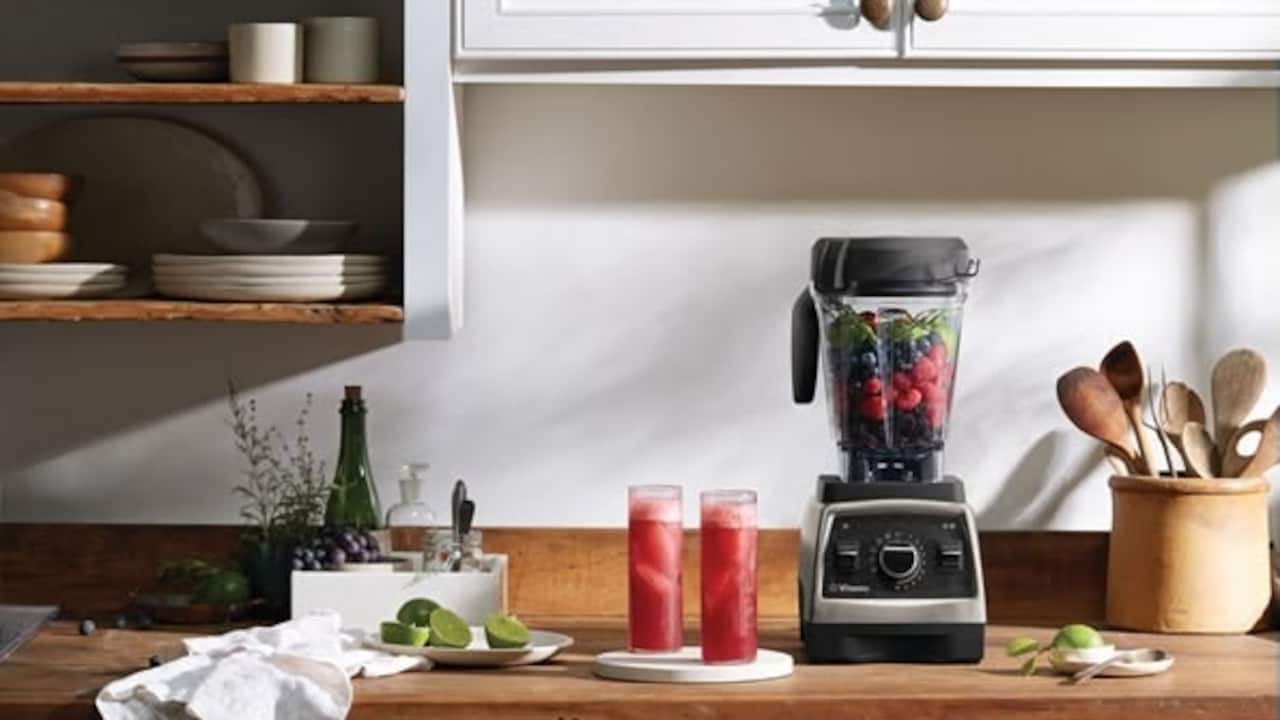
Mixer Grinder Problems Solved: Causes Of Overheating And Buying Tips
The mixer grinder sits at the centre of countless kitchens, tackling everything from coconut chutney to spice blends with admirable efficiency. It often works harder than many realise, especially during festive seasons, family gatherings, or the daily rush of preparing meals before work or school. However, despite its importance, many users overlook how delicate its motor and components can be under pressure. Overheating remains one of the most frequent complaints. The sudden warmth, strange odours, or automatic shutdown can feel alarming, particularly when dinner prep hangs in the balance. More often than not, these issues stem from overloading, poor ventilation, dull blades, or choosing the wrong machine for demanding needs.
Buying a mixer grinder also presents its own maze. Wattage, jar quality, blade design, and brand reputation all matter more than glossy advertisements suggest. A smarter purchase paired with proper care can prevent frequent breakdowns and deliver years of reliable service. With the right knowledge, this everyday appliance can remain a dependable kitchen companion rather than a recurring source of frustration.
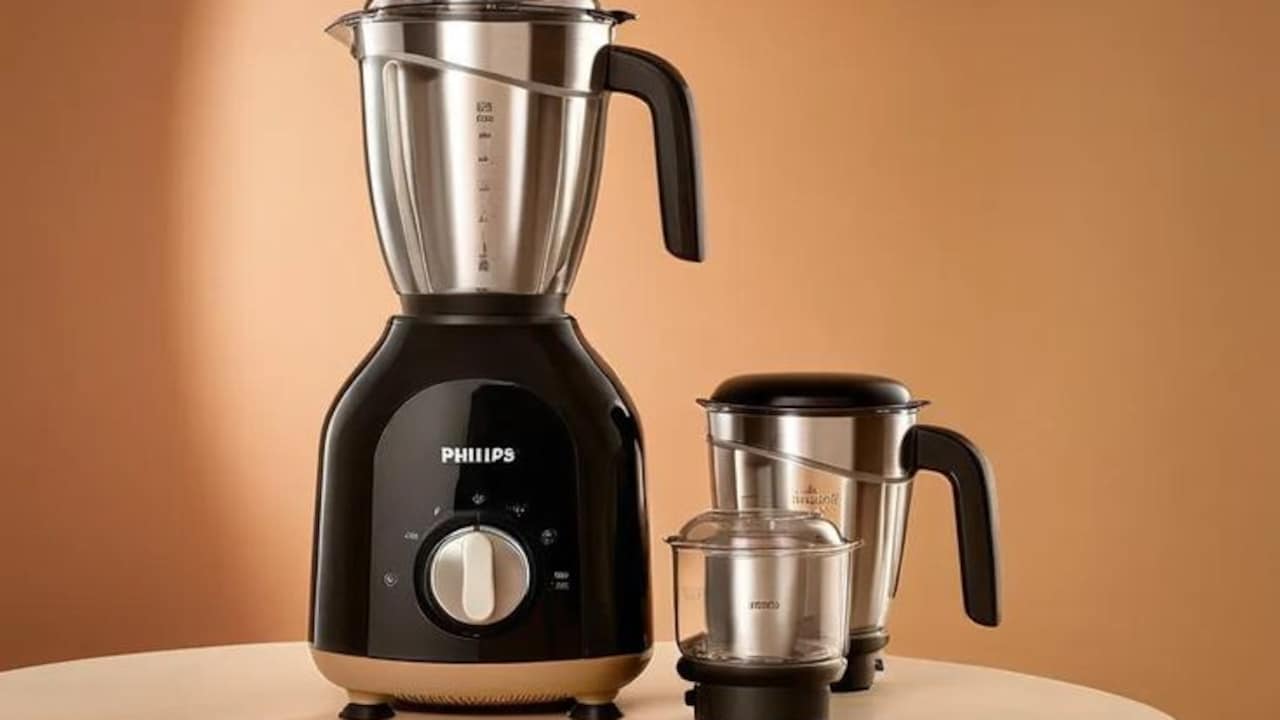
Mixer Grinder Problems Solved: Causes Of Overheating And Buying Tips; Photo Credit: Pexels
Common Causes And Practical Fixes For Mixer Grinder Overheating
Understanding Why Motors Heat Up During Daily Use
A mixer grinder motor generates heat naturally while operating, much like any hardworking machine. Problems arise when that heat builds faster than the cooling system can handle. Heavy grinding, especially with dense ingredients such as soaked lentils or thick masalas, places significant pressure on the motor. Extended sessions without breaks often push the appliance beyond its comfort zone.
In many homes, the temptation to finish large batches quickly leads to continuous use for ten minutes or more. That approach may save a few moments, but it often shortens the appliance's lifespan dramatically. Internal coils become stressed, insulation weakens, and eventually, the motor may fail altogether.
Warm weather can worsen matters. In already hot kitchens, airflow around the machine becomes crucial. Keeping the grinder pressed against walls or using it near stoves can trap heat. A simple pause between grinding sessions often makes a noticeable difference. Treating the appliance with patience rather than urgency helps preserve performance and prevents those inconvenient mid-cooking shutdowns.
The Hidden Damage Caused By Overloading Jars
Stuffing jars to the brim often seems efficient, especially during busy mornings or festive meal prep. Yet overloading remains one of the quickest ways to trigger overheating. When ingredients exceed recommended levels, blades struggle to rotate freely, forcing the motor to work far harder than intended.
This strain creates friction, excess heat, and wear on essential internal components. Grinding thick batters, dry spices, or fibrous ingredients in oversized quantities can also lead to uneven textures, leaving users frustrated with poor results despite stressing the machine.
The issue becomes particularly common when preparing larger family meals. A heaped jar may appear manageable, but ingredients expand and shift during operation. Reduced movement limits proper grinding and increases pressure. Instead, smaller batches often deliver better consistency while protecting the motor.
Though repeating the process may feel tedious, it can save thousands of rupees in repairs or replacement costs. Respecting jar capacity is less about caution and more about ensuring long-term kitchen efficiency.
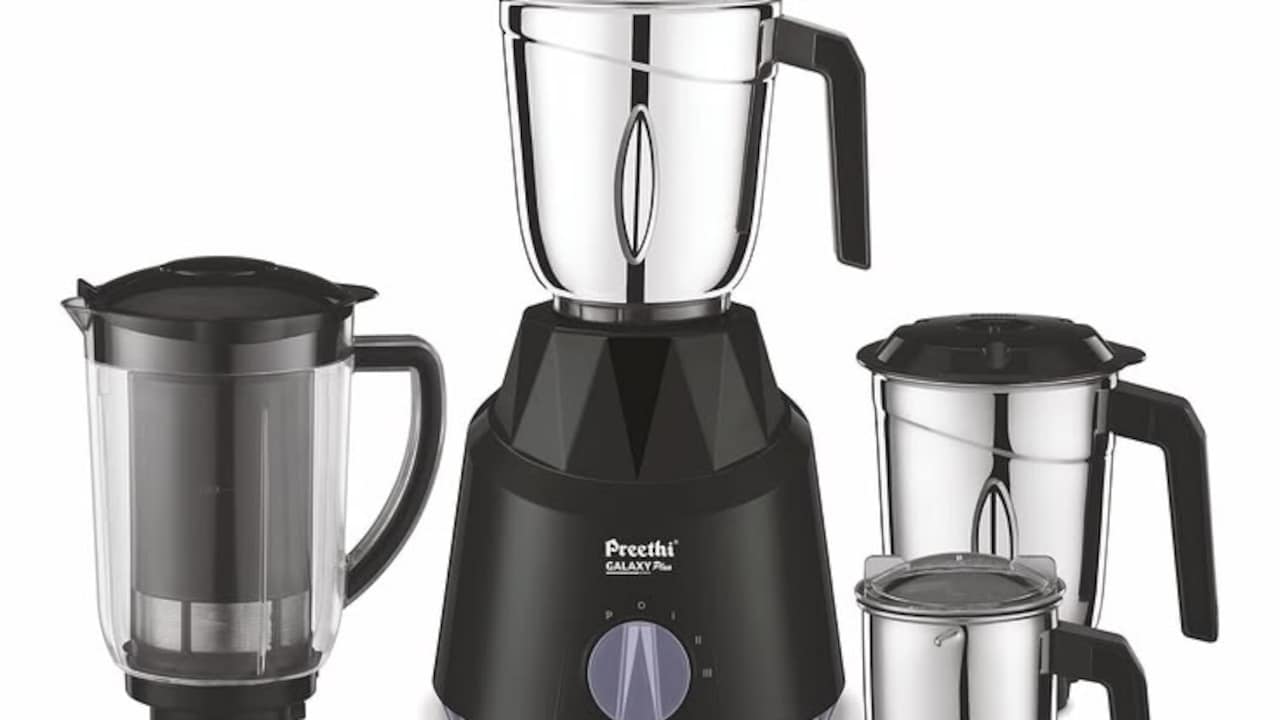
Mixer Grinder Problems Solved: Causes Of Overheating And Buying Tips; Photo Credit: Pexels
Blade Sharpness Plays A Bigger Role Than Expected
Blades rarely receive attention until performance declines. However, dull blades contribute significantly to overheating. Sharp blades cut ingredients quickly, reducing strain on the motor, while blunt edges force prolonged operation and repeated grinding attempts.
Over time, regular use naturally wears down blade edges. Hard spices, ice, and tough ingredients accelerate this process. When blades lose precision, the appliance compensates through longer running periods, generating unnecessary heat.
A common sign of dullness appears when onions, tomatoes, or masalas turn inconsistent despite normal operation. Rather than blaming motor power, checking blade condition often reveals the true culprit.
Replacing or sharpening blades periodically improves both performance and safety. It also enhances food texture, whether blending silky chutneys or smooth gravies. Ignoring blade maintenance can quietly transform an efficient appliance into an overheating headache. Sometimes, the smallest kitchen components hold the greatest influence over durability.
Ventilation and placement matter more than most realise
Where a mixer grinder sits during operation affects its health more than many expect. Appliances require proper airflow to dissipate motor heat effectively. Crowded countertops, enclosed corners, or positioning near heat sources can trap warmth and worsen overheating.
Many kitchens prioritise convenience over ventilation, tucking appliances beside microwaves, gas stoves, or walls. While practical in appearance, such placement often restricts cooling. Heat accumulation can become severe during heavy tasks.
The underside vents deserve particular attention. Dust, oil residue, or accidental blockages reduce airflow significantly. Regular cleaning prevents these obstructions from interfering with cooling systems.
Using the machine on stable, open surfaces encourages better performance. It may seem like a minor detail, but strategic placement can extend appliance longevity substantially. Good airflow costs nothing yet prevents many expensive issues. Sometimes, smarter kitchen organisation proves just as valuable as buying premium appliances.
Electrical Issues Can Quietly Trigger Bigger Problems
Not every overheating issue originates inside the mixer grinder itself. Fluctuating voltage, poor-quality extension cords, or overloaded sockets can create serious performance challenges. In many households, voltage irregularities remain surprisingly common, especially during peak electricity demand.
When power supply becomes inconsistent, motors may struggle to maintain stable speed. This instability increases internal stress, often leading to excessive heating or sudden shutdowns. Repeated exposure can damage wiring and shorten overall lifespan.
Using lightweight extension boards designed for smaller electronics often compounds the issue. Mixer grinders require substantial power, and inadequate electrical support can compromise safety.
Voltage stabilisers or reliable surge protectors offer worthwhile protection, particularly for higher-end models. Ensuring direct socket use whenever possible also reduces unnecessary strain.
Electrical awareness may not feel glamorous, but it plays a major role in appliance reliability. A powerful machine still depends heavily on stable power to perform safely and efficiently.
Cheap Build Quality Often Costs More In The Long Run
Budget-friendly mixer grinders can appear attractive, especially when balancing household expenses. A lower price tag may promise savings upfront, but poor build quality often leads to recurring frustrations and higher long-term costs.
Inferior motors, low-grade plastic jars, weak couplers, and poor insulation frequently plague cheaper models. These compromises increase overheating risks while reducing durability. What begins as a ₹2,000 bargain can quickly spiral into repeated repair bills or premature replacement.
A dependable mixer grinder should withstand daily wear without constant concern. Stainless steel jars, copper motors, overload protection, and robust warranties often justify slightly higher prices.
Consumers sometimes focus solely on wattage or promotional discounts while overlooking construction quality. Yet reliability often matters more than flashy features.
Choosing wisely means evaluating performance alongside durability. Investing ₹1,000 or ₹2,000 extra initially can prevent years of inconvenience, making it a financially smarter decision overall.
Wattage Should Match Real Kitchen Demands
Many buyers assume higher wattage automatically guarantees better performance. While wattage matters, choosing blindly can lead to unnecessary spending or underwhelming results. The right power depends largely on cooking habits.
For lighter tasks such as smoothies, chutneys, or soft ingredients, 500W to 750W models often suffice. Households regularly preparing thick batters, dry masalas, or larger portions may benefit more from 750W to 1000W options.
Underpowered machines forced into demanding tasks often overheat quickly. Conversely, overly powerful models may consume more electricity than necessary without a significant practical benefit.
Understanding usage patterns proves essential. A compact family with modest needs differs greatly from households preparing elaborate meals daily.
Selecting appropriate wattage ensures efficiency without waste. Smart buyers focus less on exaggerated marketing claims and more on genuine kitchen routines. Practicality nearly always outshines showroom theatrics.
Regular Maintenance Prevents Costly Surprises
Like any hardworking appliance, mixer grinders thrive on routine maintenance. Unfortunately, this aspect often receives little attention until problems emerge. Residual food particles, moisture, worn gaskets, and neglected blades gradually compromise efficiency.
Cleaning jars immediately after use prevents residue hardening around blades or seals. Periodic checks on couplers and lids can reveal wear before major breakdowns occur. Motor bases also benefit from external cleaning to prevent dust accumulation around vents.
Ignoring minor maintenance may seem harmless, but small issues often snowball into expensive repairs. Strange sounds, reduced efficiency, or burning smells rarely resolve themselves.
Simple habits can preserve performance for years. A few extra minutes spent cleaning and inspecting the appliance can save considerable money and stress. Reliable kitchen tools reward consistency, much like any valued household companion.
Safety Features Are Worth Prioritising
Modern mixer grinders increasingly include protective features that many buyers overlook. Overload protection, secure lid locks, anti-skid bases, and thermal cut-offs can dramatically improve both safety and longevity.
Overload protection proves especially valuable, automatically shutting down the appliance before severe motor damage occurs. This feature alone can prevent costly repairs. Thermal cut-offs similarly guard against dangerous overheating during intense tasks.
While premium features may slightly raise initial prices, they often provide substantial practical benefits. In busy households, accidental overloading or rushed operation becomes inevitable. Safety systems offer essential backup.
Ignoring these additions to save a modest amount can prove shortsighted. A dependable appliance should not only perform well but also protect itself and its users. Practical safety often outweighs cosmetic appeal.
Smarter Buying Means Looking Beyond Brand Hype
Well-known brands often command trust, but reputation alone should never dictate purchases. Marketing campaigns can create impressive perceptions while masking average product quality. Savvy consumers examine specifications, warranty terms, customer reviews, and after-sales service rather than relying solely on logos.
Local service accessibility matters greatly. Even excellent appliances may require occasional repairs, and inaccessible support can become frustrating. Warranty duration also offers insight into the manufacturer's confidence.
Hands-on considerations such as noise levels, jar versatility, ergonomic design, and ease of cleaning often influence daily satisfaction more than branding prestige.
Comparing real-world functionality against price ensures better value. A thoughtfully chosen appliance should blend performance, convenience, and reliability seamlessly.
Buying smart means prioritising genuine needs over advertising glamour. In the end, practical wisdom nearly always triumphs over flashy promises.
Products Related To This Article
1. Philips Stainless Steel Mixer Grinder + Food Processor
2. Longway Super Pro Juicer Mixer Grinder
3. Lifelong LLMG23 Power Pro 500-Watt Mixer Grinder with 3 Jars
4. Bajaj 500 Watt GX-1 Mixer Grinder with 3 Jars- white
5. Longway Super Dlx Mixer Grinder with Kwid 1100W Dry Iron
6. Prestige Apex 500 Watt Mixer Grinder with 3 Stainless Steel Jars
7. Morphy Richards Icon Superb 750 Watts Mixer Grinder
A reliable mixer grinder transforms daily cooking from tedious labour into an efficient routine, but overheating and breakdowns can quickly disrupt that harmony. Fortunately, many common problems stem not from bad luck but from avoidable habits, neglected maintenance, or poor purchasing decisions.
Understanding motor strain, respecting jar limits, maintaining blade sharpness, ensuring ventilation, and investing in quality all contribute to better long-term performance. Equally, selecting the right wattage and prioritising safety features can prevent countless frustrations.
A mixer grinder should serve as a trusted kitchen ally, not a recurring repair expense. Smarter choices and better care can significantly extend appliance life while improving cooking results. In bustling kitchens where efficiency matters, a little knowledge goes a remarkably long way.
(Disclaimer: This article may include references to or features of products and services made available through affiliate marketing campaigns. NDTV Convergence Limited (“NDTV”) strives to maintain editorial independence while participating in such campaigns. NDTV does not assume responsibility for the performance or claims of any featured products or services.)