How To Season A Cast Iron Pan For The First Time At Home
Wondering how to season a cast iron pan for the first time? Learn simple step-by-step seasoning tips, mistakes to avoid, and cast iron care essentials.
How To Season A Cast Iron Pan For The First Time At Home
There's something deeply satisfying about cooking in a cast-iron pan. Whether it's crispy potatoes, perfectly seared chicken, or buttery parathas, cast iron cookware brings a rich flavour and texture that ordinary non-stick pans often fail to deliver. That's exactly why more home cooks are investing in cast-iron cookware again, especially now, when durable kitchen essentials are becoming far more important than quick-fix appliances.
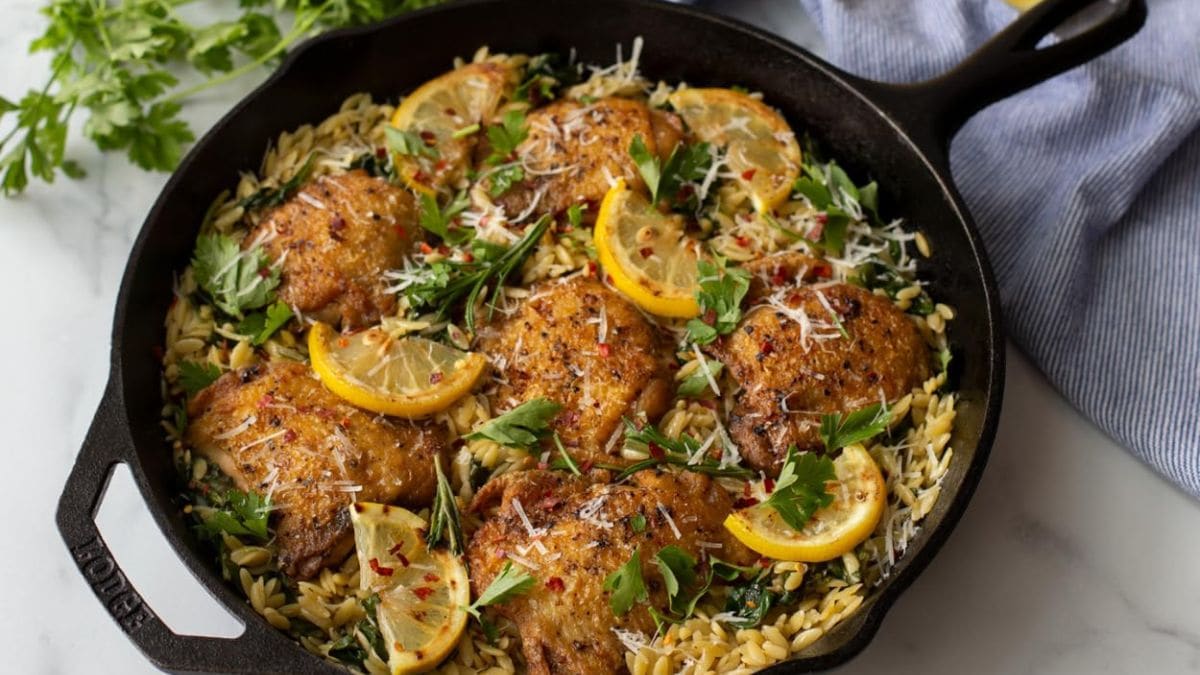
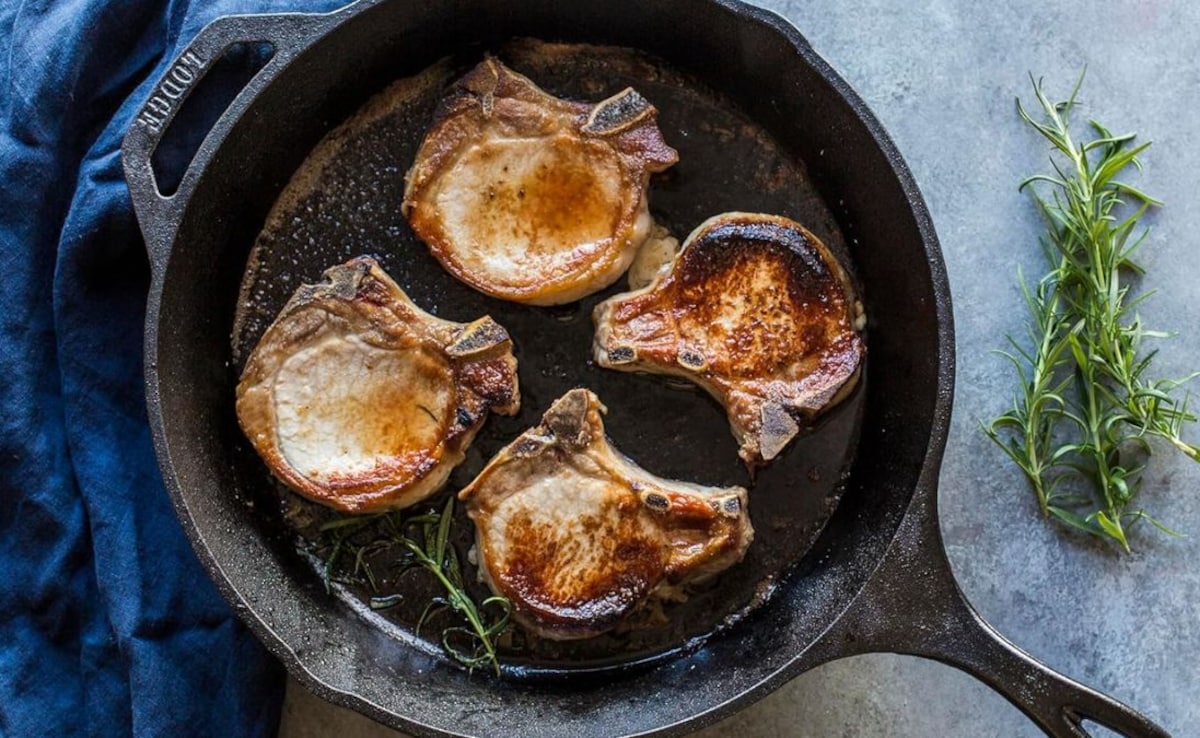
Discover essential step-by-step seasoning tips and common cast iron mistakes to avoid for care; Photo Credit: Amazon
The good news? Once you understand the process, seasoning a cast iron pan at home becomes incredibly simple and surprisingly rewarding too. If you've recently bought a cast iron skillet and are wondering where to begin, this guide walks you through everything you actually need to know, from choosing the right oil to maintaining that glossy non-stick finish for years.
Also Read: Top 5 Frying Pans, Cast Iron, Non-Stick And More, To Buy On Amazon
How Seasoning A Cast Iron Pan Makes Cooking Better
A cast iron pan is very different from regular cookware. Unlike coated non-stick pans, cast iron develops its own naturally smooth cooking surface over time through seasoning. This process involves applying a thin layer of oil and heating it until it bonds to the metal surface. That protective layer helps prevent rust, improves cooking performance, and gradually creates the effortless-release finish people love.
Interestingly, many popular cast iron pans available on Amazon already come pre-seasoned with vegetable oil. Brands like Lodge mention that their cookware is factory seasoned and ready for use. Once you see the deep black sheen develop properly on your cast iron pan, you'll understand why its fans are so loyal.
What You Need Before You Start Seasoning A Cast Iron Pan
Before seasoning your pan, keep these essentials ready. The process itself is simple, but the right tools make a noticeable difference.
- Key Essentials For Cast Iron Seasoning
- Mild dish soap
- Warm water
- Microfibre cloth or paper towels
- Neutral cooking oil
- Oven
- Aluminium foil or a baking tray
The type of oil matters more than people realise. Most cast iron experts recommend oils with a high smoke point because they bond better during heating. Grapeseed oil, canola oil, sunflower oil, and flaxseed oil are commonly used options.
How To Season A Cast Iron Pan Step By Step
Step 1: Wash The Pan Properly
Even if your pan is labelled "pre-seasoned", it's still a good idea to wash it before use. Manufacturers often put protective coatings or light oils on the cookware during packaging and shipping, and honestly it can be a bit stubborn when you go to clean it. Try using warm water, add a small amount of gentle soap, then gently scrub the surface.
Don't let the pan sit in water for long, because cast iron soaks up moisture quickly and it can start rusting. After that, dry it right away with a cloth or paper towel, whichever you have.
If you want even better results, set the pan on low heat for about two to three minutes so any leftover dampness disappears completely.
Step 2: Apply A Very Thin Layer Of Oil
This is where many first-time users go wrong. More oil does not mean better seasoning.
Take a small amount of cooking oil and rub it across the entire pan, inside, outside, handle, and edges. Then wipe away all visible excess oil using a clean cloth. The surface should look lightly coated, not greasy.
If the pan looks shiny or sticky before baking, there's probably too much oil on it. A thin layer creates a smoother seasoning layer and prevents patchy residue later.
Step 3: Bake The Pan Upside Down
Preheat your oven to around 230°C. Place aluminium foil or a tray on the lower rack to catch oil drips.
Now place the cast iron pan upside down on the upper rack and bake it for one hour. This heating process polymerises the oil, thereby creating the protective seasoned coating.
After one hour, turn off the oven and let the pan cool naturally inside. Rushing the cooling process can sometimes affect the finish. Already noticing a darker surface? That's exactly what you want.
What Mistakes Can Ruin Cast Iron Seasoning
A well-seasoned cast iron pan can last decades, sometimes even generations. But a few common mistakes can damage the surface quickly.
Using Too Much Oil: Sticky patches usually happen because excess oil was left on the pan before heating. Thin layers always work better than thick coatings.
Leaving Water In The Pan: Cast iron and moisture simply don't work well together. Always dry the pan immediately after washing.
Cooking Acidic Foods Too Early: Tomato-heavy sauces, vinegar-based dishes, or lemon-rich recipes can weaken fresh seasoning layers. It's better to wait until your seasoning becomes stronger after several cooking sessions.
Skipping Regular Maintenance: Seasoning is not a one-time task forever. Every time you cook with oil, the surface improves gradually. That's why frequent use actually makes cast iron cookware better over time.
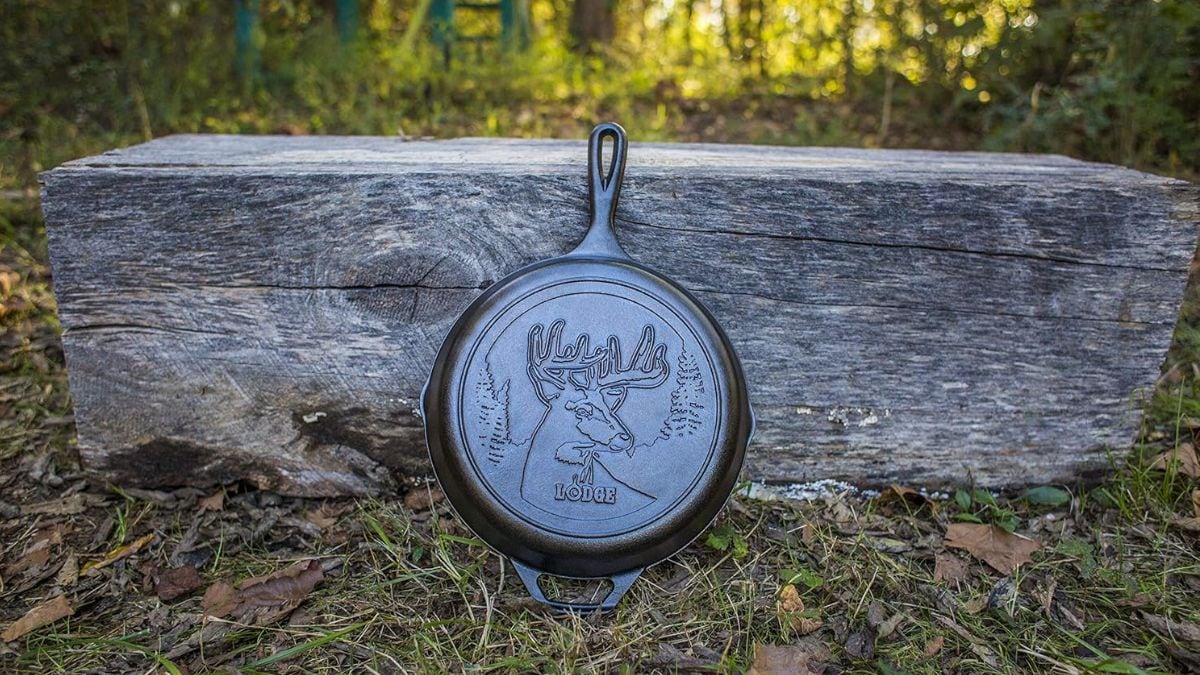
A beginner's guide to seasoning and caring for your new cast iron pan effectively; Photo Credit: Amazon
How To Maintain Your Cast Iron Pan After Seasoning
Once your pan is seasoned properly, maintenance becomes surprisingly easy. Once you finish cooking, clean the pan gently with warm water and a soft scrubber. Dry it all the way, then rub in a very small layer of oil while the pan is still a little warm. It's a small, steady habit that keeps the seasoning in excellent shape and helps stop rust from showing up.
Lots of Amazon shoppers also rely on cast iron care add-ons such as pan scrapers, chainmail scrubbers, seasoning sprays, and silicone handle covers, so upkeep feels way easier. The best part? The more consistently you use your pan, the more naturally non-stick it becomes.
A good iron pan is a kitchen basic that lasts for years. It heats well, holds heat for longer, and gives a nice sear to dosas, chapatis, eggs, and meats. With a bit of care, it gets better with use and adds a natural touch to your food. You can pick from flat tawa styles, deep pans for curries, or skillets for grilling. If you want to cook food that tastes great and skip non-stick worries, this is a smart pick. Shop now on Amazon
Some Cast Iron Products You May Like
1. Lodge Logic Pre-Seasoned Cast Iron Skillet 12 Inch
2. Lodge Seasoned Cast Iron Skillet Set 8, 10.25 & 12 Inches
3. Lodge Cast Iron Care Kit 5-Piece Set
4. Lodge 10.25-Inch Pre-Seasoned Cast Iron Skillet
5. Lodge Cast Iron 5-Piece Set
6. Lodge Seasoned Cast Iron 3 Skillet Bundle
7. Lodge Silicone Hot Handle Holder
8. Pristino Cast Iron Cleaning Spray
Frequently Asked Questions (FAQs)
1. Do I need to season a pre-seasoned cast-iron pan?
Not necessarily, but adding a little extra seasoning at home often helps the surface perform better and gives more protection from the start.
2. Which oil is best for seasoning cast iron cookware?
Most people go with canola oil, grapeseed oil, sunflower oil, and flaxseed oil because they sit well under heat and usually form a tougher protective film.
3. Why does my cast iron pan feel sticky after seasoning?
That sticky feel in a cast iron pan is usually from applying too much oil before baking. Try using an ultra-thin, barely-there coating next time for a smoother finish.
4. How often should I re-season my cast iron pan?
You don't need full oven seasoning frequently. Light oil maintenance after cooking is usually enough unless the surface starts looking dull or rusty.
5. Can soap damage cast iron seasoning?
A small amount of mild soap generally won't ruin modern seasoning layers when used occasionally. However, avoid harsh scrubbing or soaking the pan for long periods.
(Disclaimer: This article may include references to or features of products and services made available through affiliate marketing campaigns. NDTV Convergence Limited (“NDTV”) strives to maintain editorial independence while participating in such campaigns. NDTV does not assume responsibility for the performance or claims of any featured products or services.)