How To Use A Steam Inhaler Correctly For Sinus Relief In Monsoon
Learn how to use a steam inhaler correctly for sinus relief during monsoon, including step-by-step instructions, safety tips, and common mistakes.
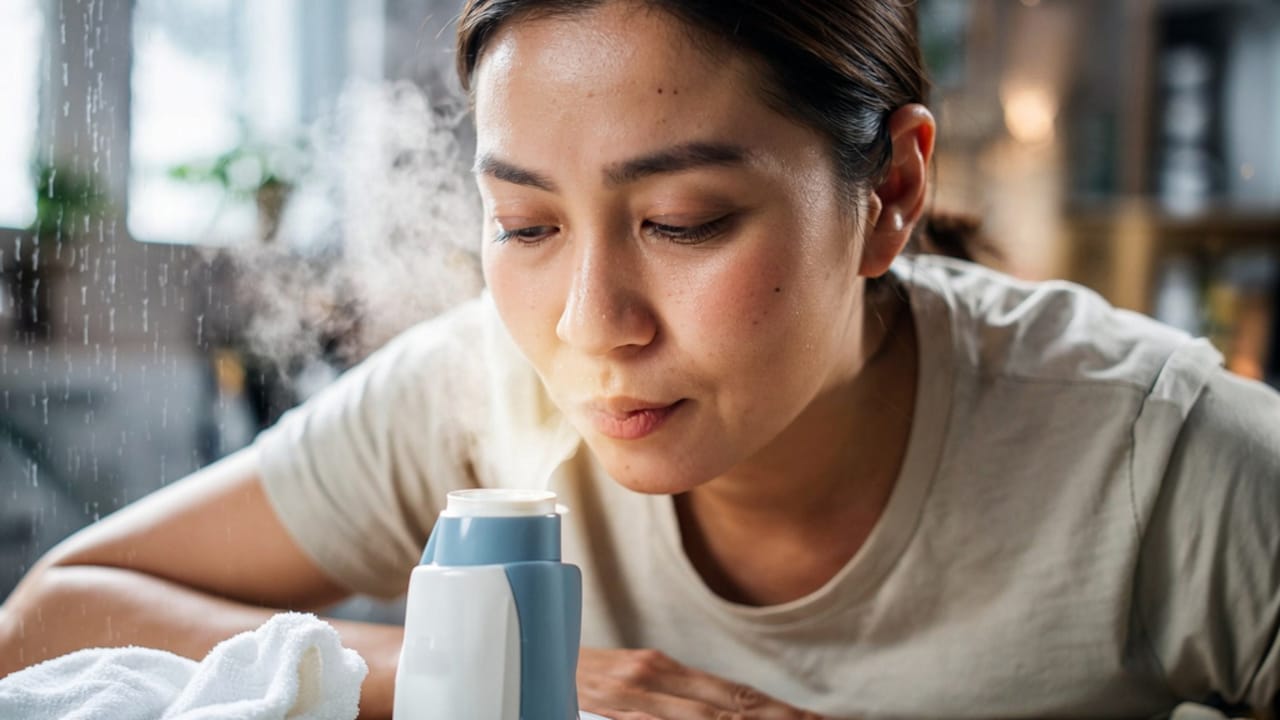
How To Use A Steam Inhaler Correctly For Sinus Relief In Monsoon
Monsoon season brings this real welcome relief from that summer heat, but at the same time it also drags in health worries. With all that added humidity, plus sudden shifts in weather, a lot of folks end up with blocked noses, sinus congestion, and that annoying breathing discomfort when it starts raining.
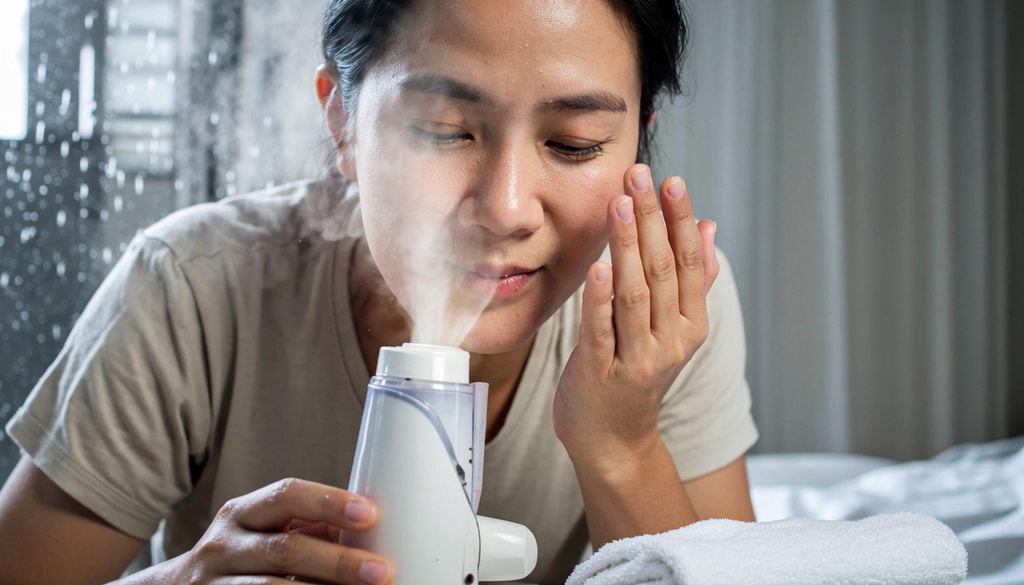
Discover step-by-step instructions and safety tips for using a steam inhaler to treat sinuses.
Photo Credit: iStock
If you've been relying on a steam inhaler to calm the sinus pressure, then it's fair to ask if you're doing it the right way. Using steam the proper way can help ease the nasal passages and bring a bit of comfort; still, the technique matters a lot. This guide walks you through how to use a steam inhaler correctly for sinus relief during monsoon, with key precautions too, plus a few practical tips.
Also Read: Clear Acne And Blackheads, Here Are 5 Facial Steamers To Get Glowy Skin
Why Sinus Congestion Becomes Common During Monsoon
Monsoon weather creates this situation where allergens, dust mites, mould, and other airborne irritants can settle in and basically grow well. The extra moisture in the air might make sinus discomfort worse for some people, so you can notice symptoms like nasal blockage and facial pressure, and it feels harder to breathe comfortably.
How Monsoon Weather Affects Sinus Health
The mix of humidity and raising temperatures can make the nasal passages feel more easily irritated or just extra sensitive. A lot of people notice a more stuffy nose during the rainy season, since allergens and airborne particles become more common, both inside and outside, and somehow it all adds up.
Why Steam Inhalation Is A Popular Home Remedy
Steam inhalation has been used for generations as a simple way to get temporary relief from nasal congestion. The warm moisture can help calm those irritated nasal passages, so many people choose it when monsoon season brings sinus discomfort. In practice it seems to work like a quick, gentle easing.
Benefits Of Using A Steam Inhaler For Sinus Relief
While steam inhalation is not a treatment for sinus infections or chronic sinus conditions, it is often used to provide temporary relief from common symptoms. Here are some ways a steam inhaler may help improve comfort during monsoon-related sinus congestion.
1. Helps Loosen Mucus Build-Up
Warm steam can help thin out the mucus that sometimes gets stuck inside the nasal passages. In turn, it may make it easier for the body to sweep away congestion on its own, and that can give a brief sort of comfort when your nose feels blocked.
2. May Soothe Irritated Nasal Passages
During monsoon season, that constant face with dust, allergens, and the weather that keeps shifting can make your inner nose lining feel irritated. Steam inhalation adds more moisture into the airways; it may help calm the dryness and that stubborn discomfort.
3. Promotes More Comfortable Breathing
When the nasal passages feel a bit less congested, breathing through the nose can turn out to be easier and also more comfortable. Even if the improvement doesn't last long, a lot of people notice that steam inhalation helps with sinus-related discomfort, especially around the rainy season.
How To Use A Steam Inhaler Correctly
Step 1: Prepare The Steam Inhaler Properly
Before starting, ensure your steam inhaler is clean and in good working condition. First, fill the water chamber following the manufacturer's instructions, and please don't overfill it. Then let the device warm up the water until steam actually starts to form. Also never try to use a damaged inhaler, because it might not work safely or effectively like it should.
Step 2: Sit In A Comfortable Position
Pick a steady chair or a table where you can sit properly. Using good posture helps you breathe a bit more natural during the session, and it also lowers the chance of random spills or those small, annoying discomforts.
Place the steam inhaler on a flat surface, and get yourself set up so the mask or nozzle sits comfortably with your face. Try to line it up right, not too high and not too low, as it matters.
Step 3: Maintain A Safe Distance
Don't keep your face right up too near the steam source. If the temperature is excessive, it can make your skin feel irritated and also bother the nasal passages a bit.
Most steam inhalers are built to give a steady, safe stream of steam through the mask attachment. So, read and follow what the device instructions say, and let the steam arrive to you at an easy comfort level instead of leaning in so close that you're basically chasing it.
Step 4: Breathe Slowly And Deeply
Take slow and relaxed breaths through your nose whenever it works; let the air be gentle. This helps the warm moisture get to the nasal passages more effectively.
If your nose is really blocked, try switching between breathing through your nose and your mouth. Do not do fast or forceful inhalation.
Step 5: Continue For The Recommended Duration
Most steam inhalation sessions last about 5–10 minutes, depending on the device instructions, and it varies a little. If you end up using a steam inhaler for longer than that, it doesn't always mean better results, and sometimes it can feel uncomfortable. So, just stick to the manufacturer's recommended usage guidelines, and don't improvise beyond what they said.
Common Mistakes To Avoid While Using A Steam Inhaler
1. Using Excessively Hot Steam
A lot of users think more hot steam is what gets you relief sooner, but overly heated steam can end up irritating the skin and nasal passages. The steam should feel warm and soothing, not harsh, not too intense.
2. Ignoring Device Maintenance
A steam inhaler really needs to be cleaned from time to time, following the manufacturer's instructions. Good upkeep helps keep it clean enough, and it can keep the whole gadget working well as the weeks go on.
Steam inhalation is generally straightforward, but a few precautions are worth keeping in mind. Always let the device cool down before you start cleaning, also use clean water, and please stop the session if you feel dizzy or uncomfortable. If you already have a respiratory condition or you keep having persistent symptoms, then talk to a healthcare professional first before steam inhalation becomes a regular habit for you.
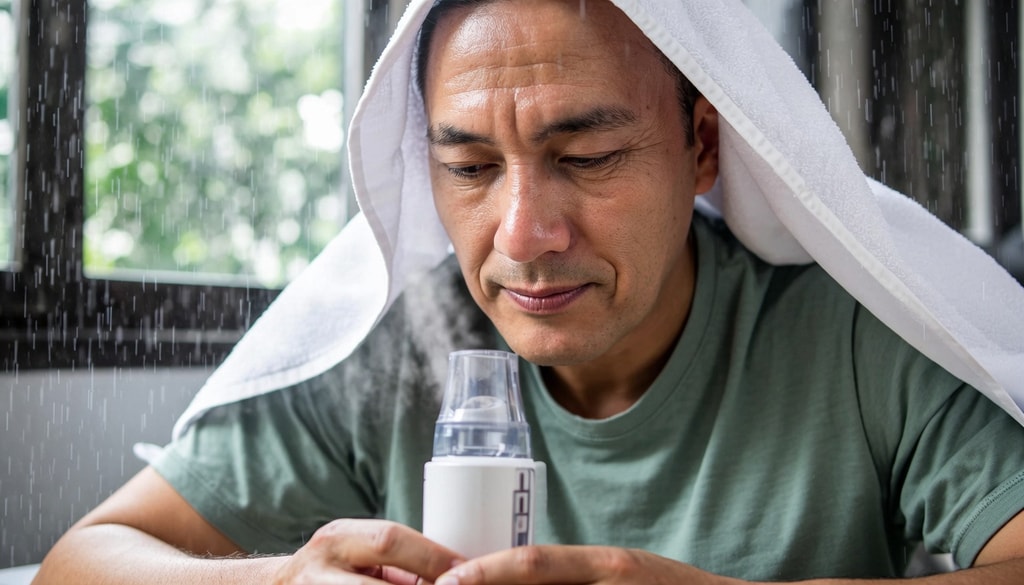
Master the proper way to use steam inhalers for quick sinus relief during rainy days.
Photo Credit: iStock
Top Steam Inhaler Options To Consider
1. CRESCENT Steam Inhaler Vaporizer
2. BENSTEN Steam Vaporizer
3. MARLA Portable Steam Inhaler Machine
4. DPCP 3-in-1 Vaporizer and Steam Inhaler
5. RCSP Steam Vaporizer
6. SYNOCARE 3 in 1 Steamer for Cold & Cough
7. GRANDGLOW Facial Steamer and Steam Inhaler
8. HealthSense Steamer for Cold & Cough
Frequently Asked Questions (FAQs)
1. How often can I use a steam inhaler for sinus relief?
A lot of people do steam inhalation once or twice each day, just for short-term relief.
2. Does steam inhalation cure sinus infections?
Steam inhalation might help ease the discomfort, but it doesn't really work on the deeper, underlying issue behind a sinus infection.
3. Can I add essential oils to a steam inhaler?
Only use additives if the manufacturer specifically states they are safe for your device. Some inhalers are designed for water only.
4. Is steam inhalation safe during monsoon season?
Yes, when steam inhalation is used properly and based on the device instructions in monsoon, it's often used as quick congestion relief.
5. How long should a steam inhalation session last?
Most sessions typically last between 5 and 10 minutes, though you should always follow the instructions provided with your steam inhaler.
(Disclaimer: This article may include references to or features of products and services made available through affiliate marketing campaigns. NDTV Convergence Limited (“NDTV”) strives to maintain editorial independence while participating in such campaigns. NDTV does not assume responsibility for the performance or claims of any featured products or services.)