Why Can Air Coolers Make A Room Feel Sticky: Top 10 Tips For Humid Weather
Air coolers can leave rooms feeling damp and sticky when humidity rises. These ten practical tips can improve airflow, reduce moisture build-up and make cooling more comfortable.
Why Air Coolers Make Rooms Feel Sticky And 10 Ways To Fix It
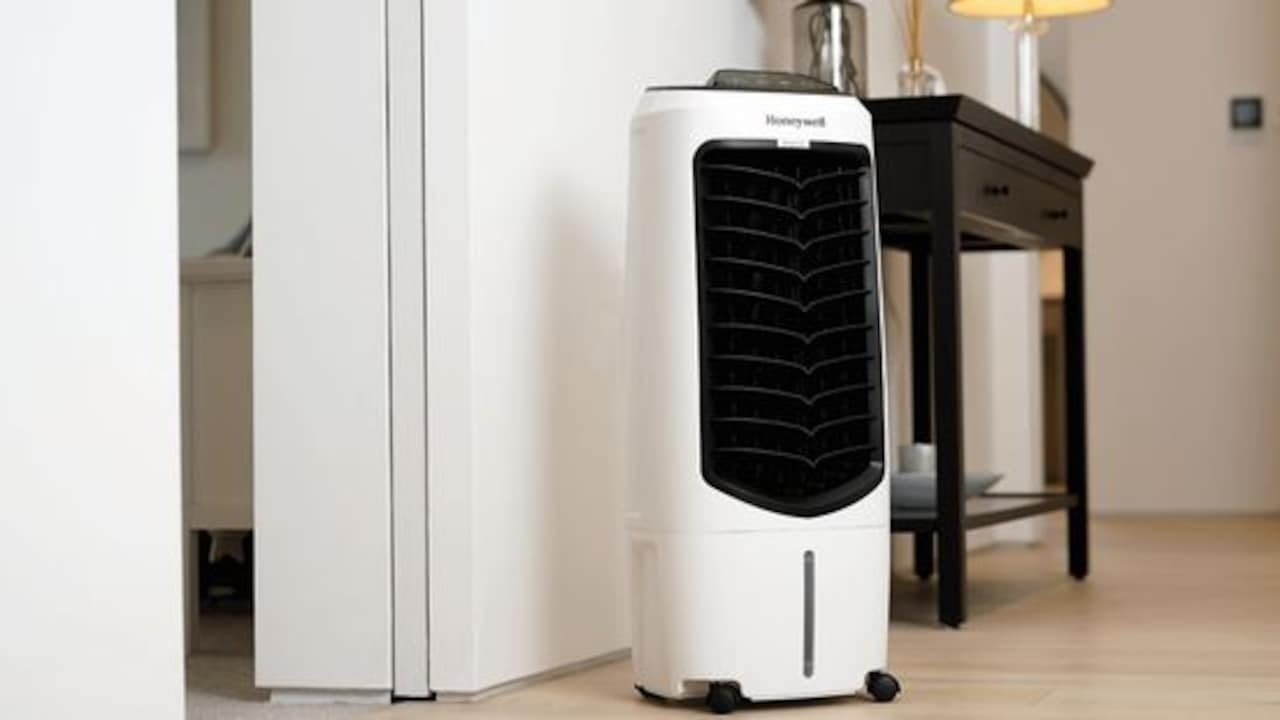
An air cooler can feel like a lifesaver when summer heat settles over the house. Fill the tank, switch on the pump, and wait for that familiar rush of cool air. Yet on certain days, the result feels less like a refreshing breeze and more like sitting inside a warm, damp towel. The floor begins to feel slightly clammy. Bedsheets lose their crispness. Hair turns frizzy within minutes, and even freshly washed clothes seem reluctant to dry. The cooler may still be running at full speed, but the room feels sticky rather than comfortable.
Why Air Coolers Make Rooms Feel Sticky And 10 Ways To Fix It; Photo Credit: Pexels
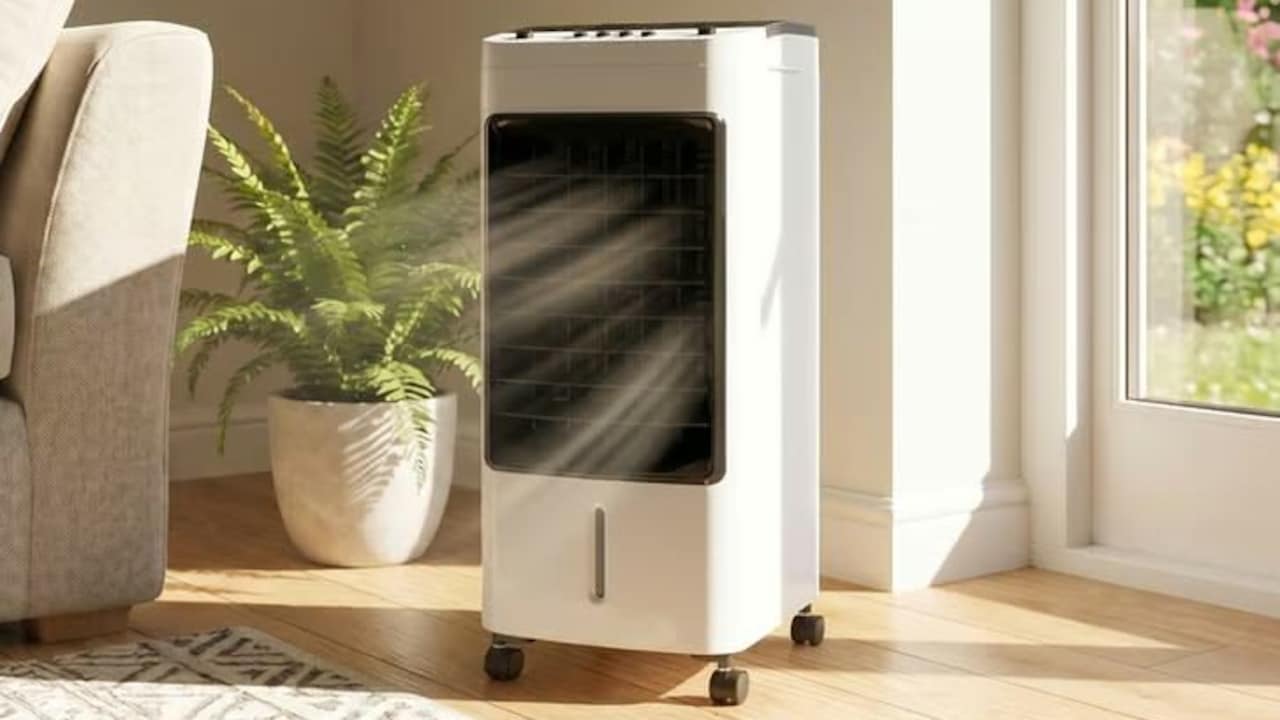
This happens because air coolers do not work like air conditioners. They cool the air through evaporation. Water passes over cooling pads, while a fan pulls warm air through them. As the water evaporates, it absorbs heat and lowers the air temperature. However, that same process adds moisture to the room.
In dry weather, the extra moisture often feels pleasant. In humid weather, the air may already contain more water vapour than it can comfortably handle. Adding even more can reduce the body's ability to release heat through sweat. The result is a room that feels heavy, damp and strangely warmer than the thermometer suggests. Fortunately, a few sensible changes can make a noticeable difference.
How To Make Your Air Cooler Work Better In Humid Weather
Keep A Door Or Window Open
The biggest mistake people make while using an air cooler is shutting every door and window as though the appliance were an air conditioner. A cooler needs a steady supply of fresh air. Without it, moist air keeps circulating inside the same room.
As the cooler runs, it continuously adds water vapour. In a sealed space, that moisture has nowhere to escape. Humidity gradually rises, and the room begins to feel stuffy. The cooler may lower the temperature slightly, but comfort levels can still drop.
Keep one window or door partly open on the opposite side of the room. This creates a path for warm, humid air to move out while fresh air enters. The arrangement works particularly well when the cooler faces an open window and pushes air across the room.
There is no need to leave the entire house wide open. Even a modest opening can improve ventilation. Think of it as giving the room an exit route. Without one, the cooler simply keeps recycling the same damp air, like a ceiling fan endlessly stirring steam inside a kitchen.
Also Read: Beat The Heat: 10 Best Budget-Friendly Mini Coolers For Summer 2026
Position The Cooler Near Fresh Air
An air cooler performs best when placed near an open window, balcony door or another source of fresh outdoor air. Positioning it in the middle of a closed room often reduces its effectiveness, especially during muggy weather.
The cooler needs warm, relatively fresh air to pass through its wet pads. When placed beside a window, it can draw air from outside, cool it, and push it into the room. The older, humid air then moves towards another opening and escapes.
Avoid placing the cooler deep inside a room where it can only pull in air that has already passed through the cooling pads. Reusing the same moisture-filled air makes evaporation less efficient. The pads remain wet, the fan keeps working, but the cooling effect becomes disappointing.
Make sure the back of the cooler has enough breathing space. Pressing it tightly against a wall can block airflow and strain the motor. A gap of around 30 to 60 centimetres usually helps.
Good placement costs nothing, yet it can make the difference between a room that feels breezy and one that resembles a laundry area on a rainy afternoon.
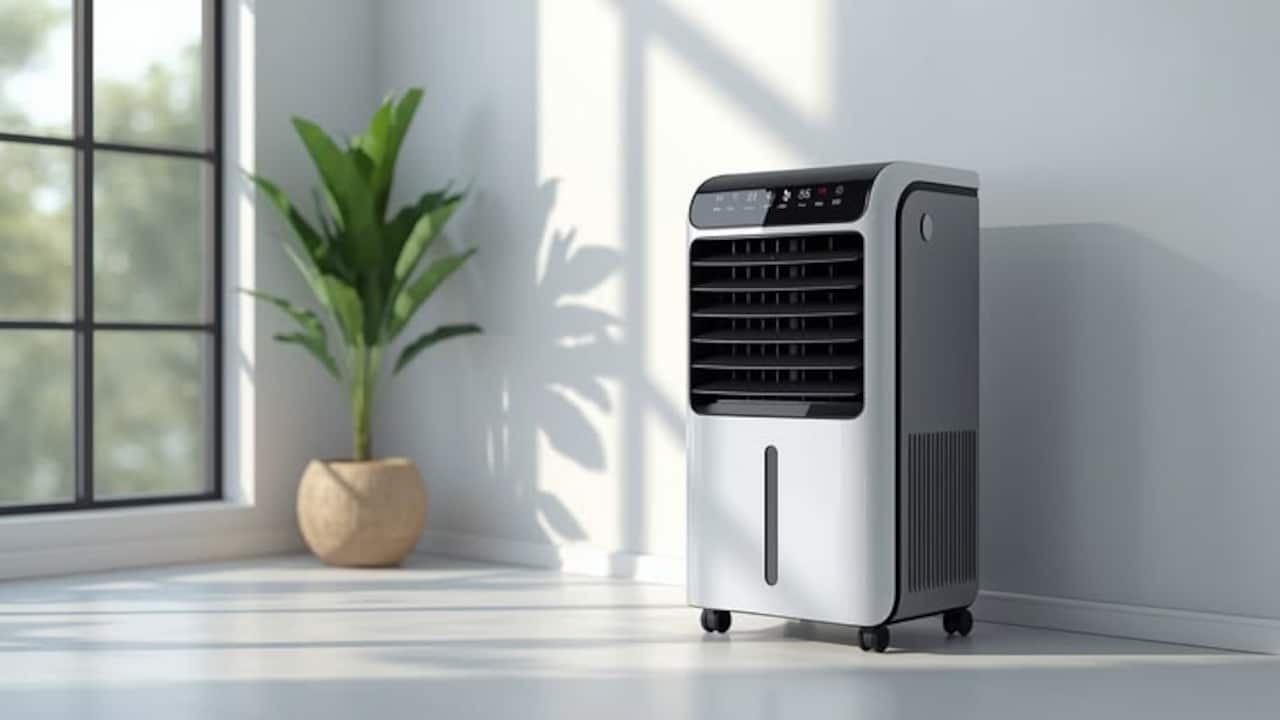
Switch Off The Water Pump Occasionally
Most air coolers allow the fan and water pump to run separately. This feature becomes particularly useful when the air starts feeling too damp.
The pump circulates water over the cooling pads. When it remains switched on continuously, the cooler keeps adding moisture to the air. During humid weather, try turning off the pump for short periods while allowing the fan to continue running.
The dry fan mode helps move air around the room without introducing additional water vapour. It may not cool as strongly as the full evaporative mode, but it can make the space feel less sticky. After 15 to 30 minutes, the pump can be switched on again if the room starts warming up.
This approach works well during evenings, after rain or whenever outdoor humidity suddenly rises. Some households also use the pump only during the hottest part of the afternoon and rely on fan mode later.
There is no universal schedule because room size, weather and ventilation vary. Pay attention to how the space feels. When the air starts feeling heavy, give the water pump a break. Sometimes less cooling water creates more comfort.
Why Air Coolers Make Rooms Feel Sticky And 10 Ways To Fix It; Photo Credit: Pexels
Use The Cooler At The Right Time
Air coolers usually perform better during hot, dry parts of the day than during humid mornings, rainy afternoons or damp nights. Timing their use can prevent the room from becoming unnecessarily clammy.
During dry afternoon heat, evaporation happens quickly. The cooler can lower the air temperature without making the room feel excessively wet. After sunset, however, humidity often rises. The air can hold less additional moisture, so the same cooler may suddenly feel less effective.
Running it continuously through a humid night can leave pillows, curtains and mattresses feeling damp by morning. If the weather already feels muggy, use the cooler with the pump switched off or reduce the number of hours it runs.
Checking a weather app can also help. When humidity climbs above roughly 60 to 70 per cent, evaporative cooling may feel less comfortable. The exact experience depends on airflow and temperature, but high humidity remains a useful warning sign.
Treat the cooler like a seasonal tool rather than an appliance that must run constantly. A pressure cooker does not belong in every recipe, and a water-based cooler does not suit every hour of summer.
Reduce The Water Flow To The Pads
More water does not always mean better cooling. Cooling pads need to stay evenly damp, but they should not become excessively soaked or drip continuously.
When too much water flows over the pads, the cooler may add unnecessary moisture to the room. The excess water can also create splashing, leakage or uneven airflow. Some models have a water-flow control knob that allows users to reduce the pump rate.
Start with a moderate setting. Check whether the pads feel uniformly moist rather than drenched. If water streams down them heavily, lower the flow. Older coolers without adjustable settings may need their internal distribution pipes checked for blockages or oversized openings.
The aim is to support evaporation, not create a miniature waterfall. Water must spread across the pads in a thin, consistent layer. That allows air to pass through easily and pick up enough moisture to cool down.
Also inspect the pads for sagging or damage. Worn-out pads may hold too much water in some areas and remain dry in others. A balanced water supply improves cooling efficiency while limiting the damp, swamp-like feeling that appears when the system becomes overenthusiastic.
Clean Or Replace Old Cooling Pads
Dirty cooling pads can make a cooler feel humid without providing much relief from heat. Dust, mineral deposits and algae gradually clog the tiny gaps that allow air to pass through.
When airflow drops, evaporation becomes uneven. The pads remain wet, but the cooler struggles to push enough properly cooled air into the room. Users may then increase the fan speed or water flow, which adds noise and moisture without solving the real problem.
Inspect the pads every few weeks during regular use. Honeycomb pads often collect mineral scale, especially in areas with hard water. Grass pads may become compressed, patchy or foul-smelling. Clean them according to the manufacturer's instructions and let them dry completely before reinstalling.
Replace pads that remain clogged, brittle or misshapen after cleaning. Fresh pads absorb water evenly and allow better airflow. They can improve both cooling and air quality.
A musty smell is another warning sign. Damp organic matter trapped inside neglected pads can turn the cooler into a rather unfortunate room fragrance machine. Regular maintenance keeps the air fresher and prevents the appliance from pumping warm moisture through a layer of accumulated grime.
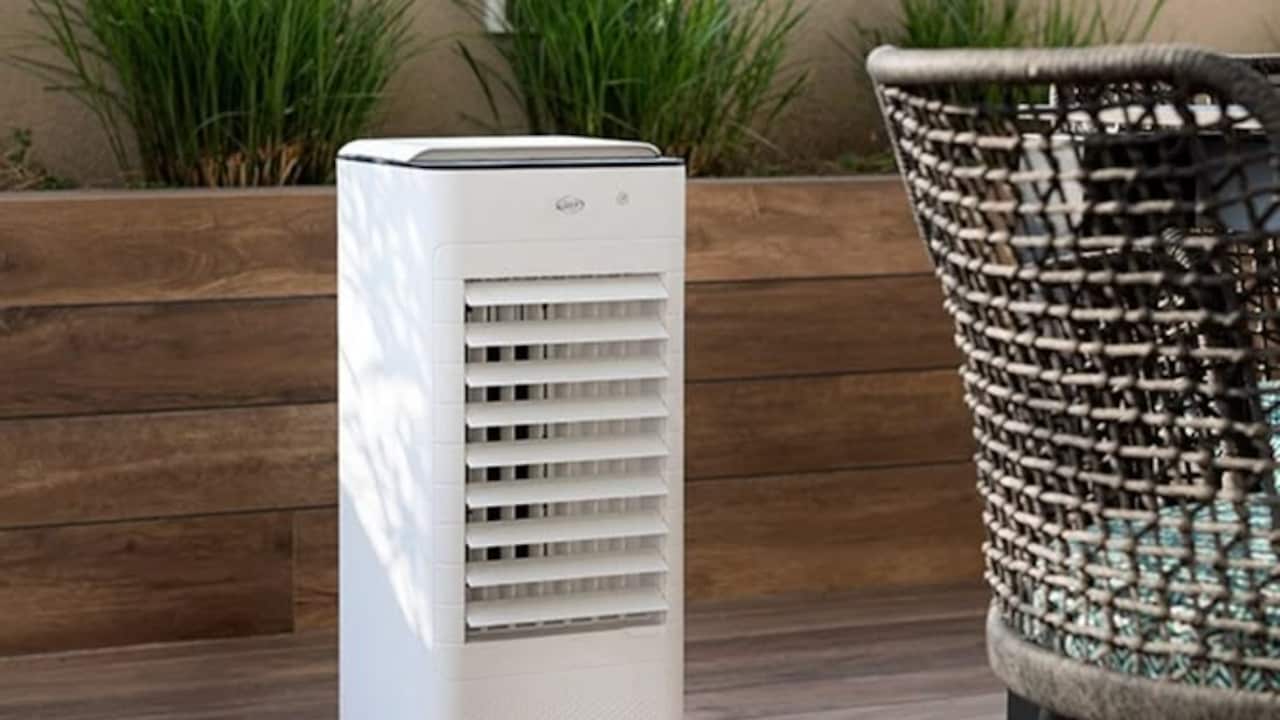
Avoid Overfilling The Water Tank
Filling the tank to the very top may seem practical, especially when the cooler needs to run for several hours. However, overfilling can cause splashing, leakage and excessive wetting of internal components.
Always follow the maximum water-level mark provided by the manufacturer. Leaving a little space at the top allows water to move safely when the cooler is shifted or when the pump circulates it.
An overfilled tank may also send more water than necessary towards the pads, depending on the cooler's design. This can increase moisture output without creating better cooling. In some cases, water may seep onto the floor, adding another source of dampness to the room.
Check the float valve if the cooler connects directly to a water supply. A faulty valve can keep filling the tank after it reaches the correct level. Mineral deposits may also stop it from closing properly.
Avoid topping up the cooler automatically whenever the tank appears slightly low. Let the level fall within the recommended range. The appliance needs enough water for evaporation, not enough to host a small pool party. Controlled water use improves safety, reduces mess and helps prevent an already humid room from becoming wetter.
Why Air Coolers Make Rooms Feel Sticky And 10 Ways To Fix It; Photo Credit: Pexels
Improve Cross-Ventilation With Another Fan
A ceiling fan or pedestal fan can make an air cooler feel much more effective, provided it helps move air towards an exit rather than simply creating turbulence.
Place the cooler near an open window and keep another door or window open across the room. A ceiling fan at low or medium speed can spread the cooled air more evenly. A pedestal fan may help direct humid indoor air towards the open exit.
Avoid pointing two powerful fans directly at each other. This can create confused air currents and prevent moisture from leaving the room efficiently. The goal is to establish a clear flow: fresh air enters, passes through the cooler, moves across the room and exits.
Cross-ventilation becomes especially useful in long rooms, shared bedrooms and spaces with awkward corners. It prevents pockets of damp air from settling near beds, sofas or wardrobes.
Experiment with fan direction for a few minutes. Lightweight curtains can act as useful visual clues. When they move gently towards the open exit, the air is probably travelling in the right direction. Good airflow often improves comfort more than simply lowering the temperature by another degree.
Keep Damp Fabrics Away From The Room
A cooler may not be the only source of moisture in the room. Wet towels, drying clothes, freshly mopped floors and damp bathroom air can all raise humidity levels.
During monsoon-like weather, indoor laundry releases a surprising amount of water vapour. Add an evaporative cooler to the same space, and the room can quickly feel sticky. Bedsheets may absorb the moisture, wardrobes can develop a musty smell, and wooden furniture may feel slightly damp.
Dry clothes on a balcony, terrace or well-ventilated utility area whenever possible. Do not hang wet garments directly in front of the cooler. The moving air may help them dry, but all that moisture enters the room first.
After mopping, open windows and let the floor dry before running the cooler at full water mode. Keep bathroom doors closed after hot showers, particularly when the bathroom shares ventilation with the bedroom.
Small habits matter. Even a bucket of wet clothes waiting beside the washing machine can affect a compact room. Controlling other moisture sources gives the cooler a fair chance to work without turning the entire space into an accidental steam chamber.
Pair The Cooler With Moisture Control
In persistently humid weather, ventilation alone may not fully solve the problem. A dehumidifier can remove excess moisture from the air, although running it alongside an air cooler may seem slightly contradictory.
The two appliances perform opposite tasks. The cooler adds moisture while lowering temperature, whereas the dehumidifier removes moisture and releases a little heat. Used together continuously, they may waste electricity. A better approach is to use them at different times.
Run the cooler during the hottest, driest hours. Later, switch it off and use a dehumidifier to bring indoor moisture down. Moisture-absorbing boxes can help inside wardrobes and cabinets, though they will not control humidity across an entire room.
An air conditioner set to dry mode offers another option during extremely muggy weather. It removes moisture more effectively than an air cooler, though electricity costs will usually be higher.
Choose the appliance according to the weather rather than habit. Coolers suit dry heat. Dehumidifiers and air conditioners handle damp heat more effectively. No single machine wins every summer battle, despite what enthusiastic advertisements may suggest.
Products Related To This Article
1. Kenstar Wondercool HC 90 Desert Air Cooler 90L Honeycomb Pads
2. WelTherm 6L Tower Air Cooler for Room
3. Orient Electric Durachill 40 L Portable Air Cooler For Home
4. Bajaj DMH 90 Neo 90L Desert Air Cooler for Home
5. V-Guard Arido T25 H Tower Air Cooler
6. Crompton Ozone Royale 75 Litres Desert Air Cooler for home
7. Kenstar TURBOCOOL NEO HC 45 BLUE Air Cooler with Honeycomb Cooling Media
Air coolers make rooms feel sticky when evaporation adds more moisture than the surrounding air can comfortably absorb. The problem becomes worse in sealed rooms, rainy weather and spaces with poor airflow.
Opening an exit, placing the cooler near fresh air, controlling the pump and maintaining the cooling pads can improve comfort considerably. It also helps to reduce other moisture sources and use the appliance only when the weather suits evaporative cooling.
A cooler should create a light, refreshing breeze, not make the room feel like a damp changing room. With thoughtful placement and a few practical adjustments, it can still remain a useful and economical companion through hot weather.
(Disclaimer: This article may include references to or features of products and services made available through affiliate marketing campaigns. NDTV Convergence Limited (“NDTV”) strives to maintain editorial independence while participating in such campaigns. NDTV does not assume responsibility for the performance or claims of any featured products or services.)