Ink Tank Printers vs Cartridge Printers: What Saves More in the Long Run?
Choosing the right printer often feels like picking a favourite from two stubborn cousins, both claim to be affordable, dependable and efficient. This is a detailed look at which type, ink tank or cartridge, keeps your wallet happier over the years.
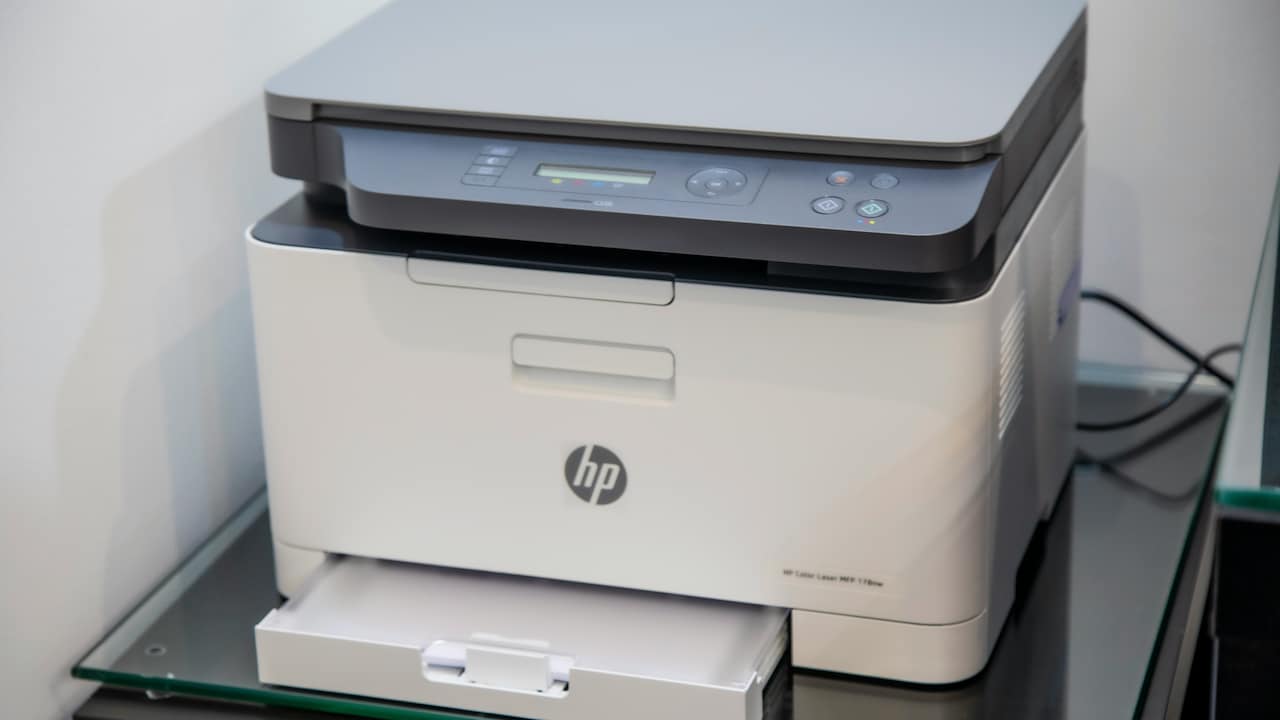
Best Printer for Home Use: Ink Tank or Cartridge? Full Cost Comparison Explained.
Every home and small office reaches a point where printing stops being an occasional need and becomes a regular chore. School projects, travel documents, business invoices, or those last-minute ID proofs, printing quietly weaves itself into daily life. That's when the burning question appears: ink tank printers vs cartridge printers, which printer saves more money in the long run? One promises high volume at a low cost, while the other boasts simplicity and convenience. But the real answer lies beyond brochures and flashy discounts. It comes from analysing running costs, print volume, maintenance demands and the surprising expenses that pile up over time.
Here's an engaging, clear and practical breakdown that helps readers choose a printer, ink tank or cartridge, that treats both their needs and their pockets with respect.
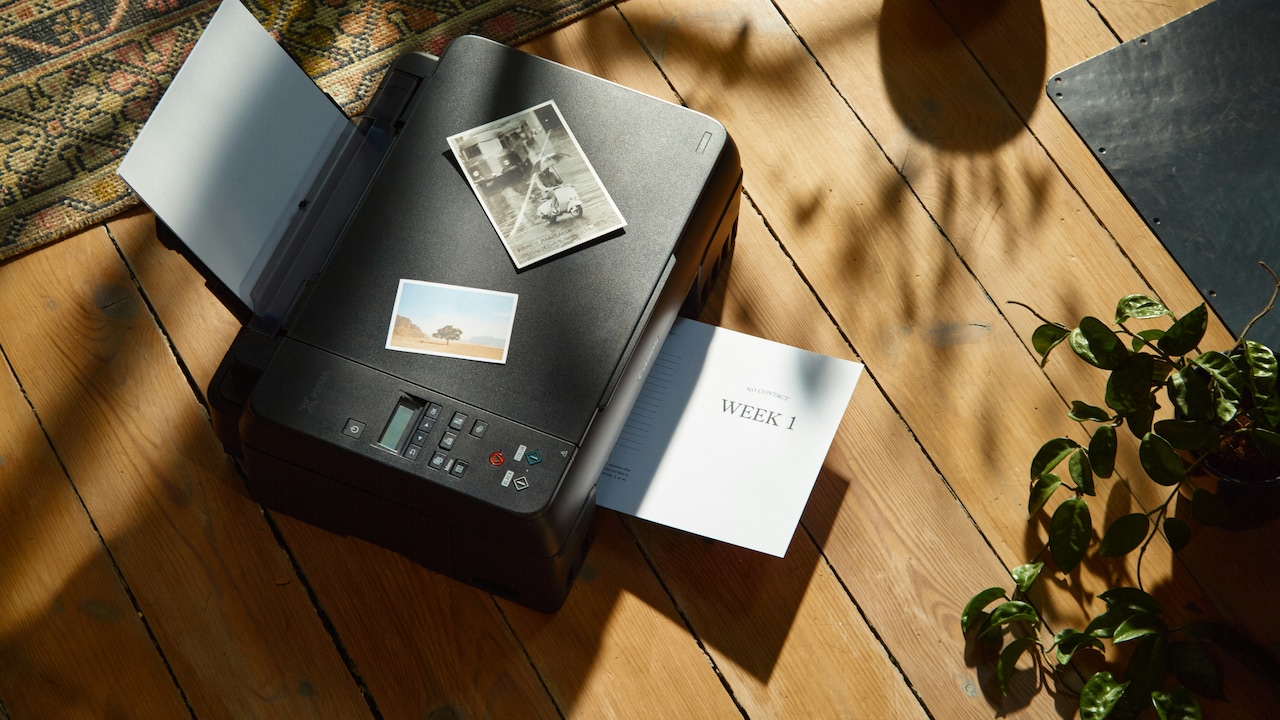
Ink Tank Printers vs Cartridge Printers: What Saves More in the Long Run?
Photo Credit: Unsplash
What You Should Know Before Choosing A Printer
1. Upfront Cost: Ink Tanks Usually Charge More at the Start
Ink tank printers walk into the store with a bigger price tag, often leaving buyers wondering why they should pay extra. Cartridge printers, on the other hand, look friendly and inexpensive, with entry-level models starting as low as ₹3,000–₹4,000. Ink tank models usually sit between ₹10,000 and ₹18,000 for decent variants. This difference can feel steep, especially when planning a one-time purchase.
But the story changes once you flip the box and glance at the long-term numbers. Cartridge printers lure buyers with affordability, yet their recurring ink refills can slowly drain a wallet. Ink tank printers charge more at the beginning because their design supports high-volume, low-cost printing. Designed for families, freelancers and small offices that constantly print, they promise far lower running costs.
So the upfront price difference is real, but it doesn't tell the whole tale. The real question becomes: Are you paying more now to save later, or paying less now only to spend more over time?
2. Cost per Print: Ink Tanks Win by a Long Shot
This is usually the deciding factor. Cartridge printers generally cost anywhere between ₹4–₹8 per black-and-white print and even more for colour pages. When printing becomes frequent, like a child's multiple worksheets or a small business's daily receipts, the numbers start adding up faster than expected.
Ink tank printers operate in an entirely different league. Their cost per print often falls as low as 20–30 paise for black and roughly 40–50 paise for colour. The difference feels almost unbelievable until real-life usage drives the point home. A family that prints 200–300 pages a month could spend ₹1,200–₹2,000 on cartridge refills, whereas an ink tank user may barely touch ₹150–₹200 for the same volume.
Over a year, this turns into serious savings, enough to recover the higher upfront cost with ease. For anyone who prints regularly, the ink tank's economical output becomes not just an advantage but a long-term financial blessing.
3. Print Volume: Frequent Users Benefit More from Ink Tanks
People who print only once a month may never fully enjoy the advantages of an ink tank. But households juggling school assignments every other day or small offices printing catalogues and paperwork know that volume matters. Cartridge printers simply aren't built to handle heavy workloads at a low cost.
Ink tank printers run efficiently even for thousands of pages a month. Many models claim yields of 5,000–7,000 pages per refill. For users who print frequently, this creates a comfortable sense of freedom, no more counting pages or worrying about ink suddenly running out before a deadline.
Cartridge printers, while convenient for occasional tasks, struggle when put through heavy usage. Not only do refills become expensive, but replacement cycles also disrupt workflow. So for anyone whose printer works almost as hard as their kitchen mixer, ink tanks remain the economical and practical choice.
4. Refill Costs: Bottled Inks Are Kinder to the Pocket
One of the biggest reasons ink tank printers shine is the affordability of bottled ink refills. A complete set often costs between ₹600 and ₹800, and these bottles last an impressively long time. The simple refill process, pouring ink into transparent tanks, also reduces waste and avoids messy surprises.
Cartridge printers use sealed ink cartridges that cost anywhere from ₹500 to ₹1,200 each. The yield per cartridge rarely justifies the price, especially for colour prints. Users often find themselves buying multiple colour cartridges because one shade has run out, an annoyance that leaves both cupboards and wallets lighter.
Refilling an ink tank feels like filling a scooter's fuel tank: quick, budget-friendly and oddly satisfying. Cartridge replacements feel more like paying for expensive mini fuel bottles every few weeks. Over time, the cost gap becomes hard to ignore.
Also Read: Amazon Great Indian Festival Tech Deals: Epson To HP, Printers Every Home Needs
5. Maintenance & Printhead Issues: Pros and Cons for Both Types
Ink tank printers need occasional maintenance because ink can dry in the printhead when usage drops. Light users sometimes worry about clogging, but modern printers come with built-in cleaning cycles that handle most issues. Running a print every few days keeps everything smooth and trouble-free.
Cartridge printers take a different approach; many models include the printhead inside the cartridge itself. So if a clog appears, a new cartridge solves the problem instantly. But this design adds to recurring costs since each replacement includes both ink and hardware.
Ink tanks reward regular usage with seamless performance, while cartridge printers offer convenience for sporadic printing. However, the extra spending on printhead-containing cartridges starts feeling unnecessary, especially when high-volume users need multiple replacements a year. The maintenance picture ultimately favours ink tanks for regular users and cartridge models for those who print only when necessary.
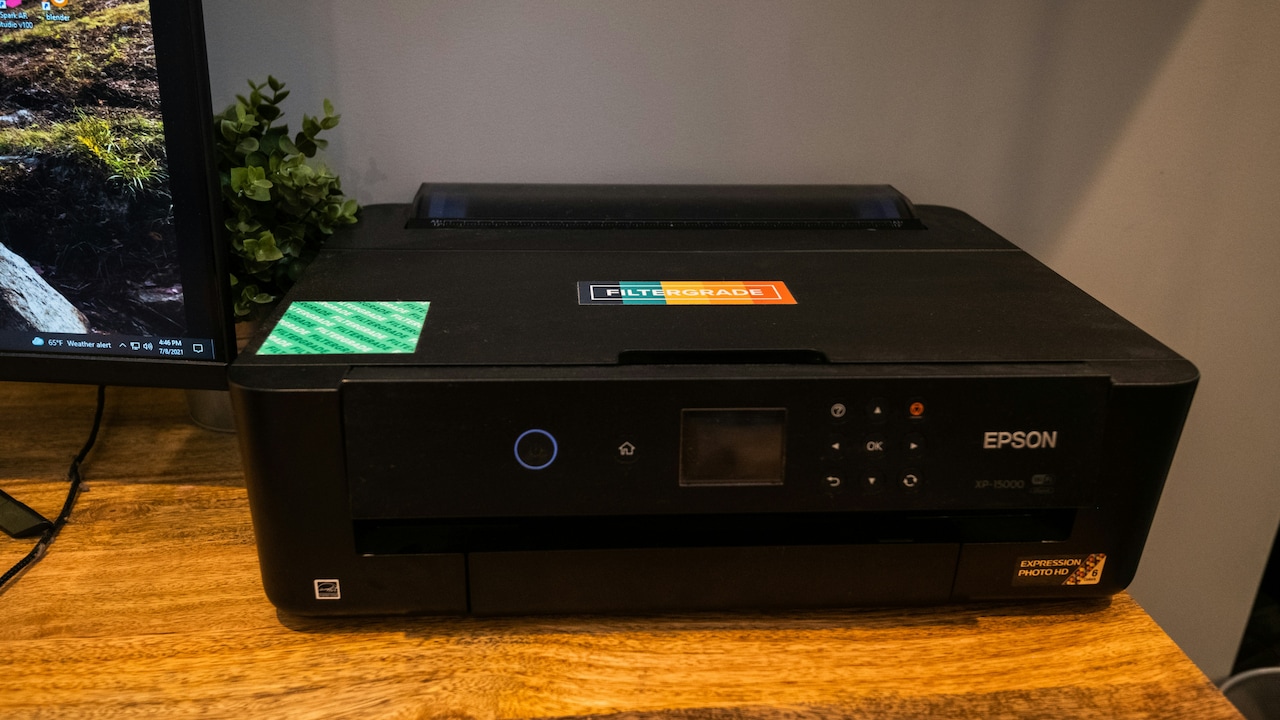
Ink Tank Printers vs Cartridge Printers: What Saves More in the Long Run?
Photo Credit: Unsplash
6. Print Quality: Cartridges Shine in Photos, Ink Tanks Lead in Daily Text
When it comes to sharp text and crisp documents, both printer types handle the job well. Yet cartridge printers often deliver richer colour quality for photo printing. Their dye-based inks produce deeper tones and smoother gradients, making them a popular choice for those who love snapping and framing memories at home.
Ink tank printers have improved significantly over the years. Many now offer pigment-based black ink and dye-based colour inks that produce vibrant, smudge-free prints suitable for everyday tasks. While they may not match the highest-end cartridge models in photo perfection, they balance good quality with massive savings.
For everyday work, school notebooks, office proposals, ID proofs, or colourful charts, ink tanks provide excellent results. For dedicated photo enthusiasts who print photo albums or wall art at home, cartridge printers may still offer a slight edge. But the gap continues to shrink with each new generation of ink tank machines.
7. Long-term Durability: Ink Tanks Built for Marathon Use
Ink tank printers are designed like long-distance runners, steady, economical and reliable for heavy workloads. Their larger tanks, stronger internal components and efficient ink systems make them ideal for continuous or high-frequency printing.
Cartridge printers work more like sprinters, quick, affordable, upfront and suitable for light use. They perform well for simple tasks, but repeated cartridge changes and limited duty cycles make them less durable for long-term heavy printing.
An ink tank printer typically lasts several years with proper care. Most models feature transparent tanks that allow users to monitor ink levels easily, reducing the risk of running the machine dry. Cartridge printers, in contrast, often require expensive part replacements after prolonged usage.
For users with heavy printing demands, durability alone becomes a convincing reason to choose ink tanks. Cartridge models still serve occasional users well, but they rarely match the longevity of their tank counterparts.
8. Environmental Impact: Ink Tanks Reduce Waste Significantly
Every cartridge replaced adds plastic waste to the environment. Over a year, households or offices may discard several cartridges, black and colour. Multiply that across thousands of homes, and the environmental toll becomes significant.
Ink tank printers offer a cleaner alternative. A single set of bottled inks lasts for months or even a year, depending on usage. The refill bottles themselves use minimal plastic and generate far less waste. Many brands now offer recycling programmes, making the refilling process greener and more responsible.
The reduction in plastic waste also makes ink tank printers a thoughtful choice for those who prefer eco-conscious decisions. Cartridge printers still serve a purpose, but their disposable nature contributes more to landfill accumulation. When long-term sustainability matters, ink tanks clearly stand ahead.
9. Convenience And Ease of Use: Different Strengths for Different Users
Cartridge printers score well in pure convenience. Pop in a cartridge, close the lid, and you're ready to print. There's no ink pouring, no tank monitoring and no risk of accidental spills.
Ink tank printers require a bit more involvement during the refill process. The bottles, however, are designed for drip-free filling, and the see-through tanks help users know exactly when to top up. Once the initial fear of refilling fades, the experience becomes simple and even satisfying.
The bigger convenience factor with ink tanks lies in not needing frequent replacements. A single refill runs for thousands of pages, meaning fewer interruptions. Cartridge printers, though easier to operate, often demand attention more regularly because of low ink capacity.
Both systems have their charm, but the long-term ease of high-volume printing favours ink tanks strongly.
10. Total Cost of Ownership: Ink Tanks Deliver Clear Long-term Savings
When all factors are considered, initial cost, refill price, print yield, maintenance and durability, ink tank printers almost always emerge as the more economical choice over time. The upfront investment pays itself back within months for moderate to heavy users.
Cartridge printers remain budget-friendly options for light printing needs. They serve occasional users without demanding much maintenance, and their upfront affordability makes them appealing for those who print only when necessary.
But for families with school-going children, freelancers printing designs, or home offices producing regular paperwork, ink tanks reduce long-term expenses by thousands of rupees. The lower cost per print and rare refill cycles create a satisfying feeling of control over printing expenses.
In simple terms, cartridge printers save money today; ink tanks save money every day.
Products Related To This Article
1. Epson Colour Ecotank L3210 A4 All-in-One Ink Tank Printer
2. Canon PIXMA MegaTank G3000
3. HP Smart Tank 580 All-in-One WiFi Colour Wireless Solid Ink Printer
4. Epson Picturemate PM-520 Photo Colour Printer
5. Canon PIXMA MegaTank GM4070 All in One
Choosing between an ink tank printer and a cartridge printer depends on how often printing happens. Casual users may appreciate the simplicity and affordability of cartridge models. But those who rely on printing as part of their daily routine find ink tank printers far more economical and efficient in the long run.
Ink tanks offer low running costs, fewer interruptions, long-lasting refills, and clear long-term savings. For most homes and small offices, they strike the perfect balance between quality, convenience and cost-efficiency. Cartridge printers still serve special purposes, particularly photo printing and occasional use.
Ultimately, the printer that saves more over time is the one that matches real-life needs. And for anyone who prints regularly, ink tanks deliver unbeatable value, both in performance and in protecting your hard-earned money.
(Disclaimer: This article may include references to or features of products and services made available through affiliate marketing campaigns. NDTV Convergence Limited (“NDTV”) strives to maintain editorial independence while participating in such campaigns. NDTV does not assume responsibility for the performance or claims of any featured products or services.)