Ionic vs. Regular Hair Dryer: Which Dries Faster In Monsoon Humidity
Tired of frizzy hair during the rainy season? We break down whether an ionic or regular hair dryer wins against monsoon humidity so you can get smoother blowouts.
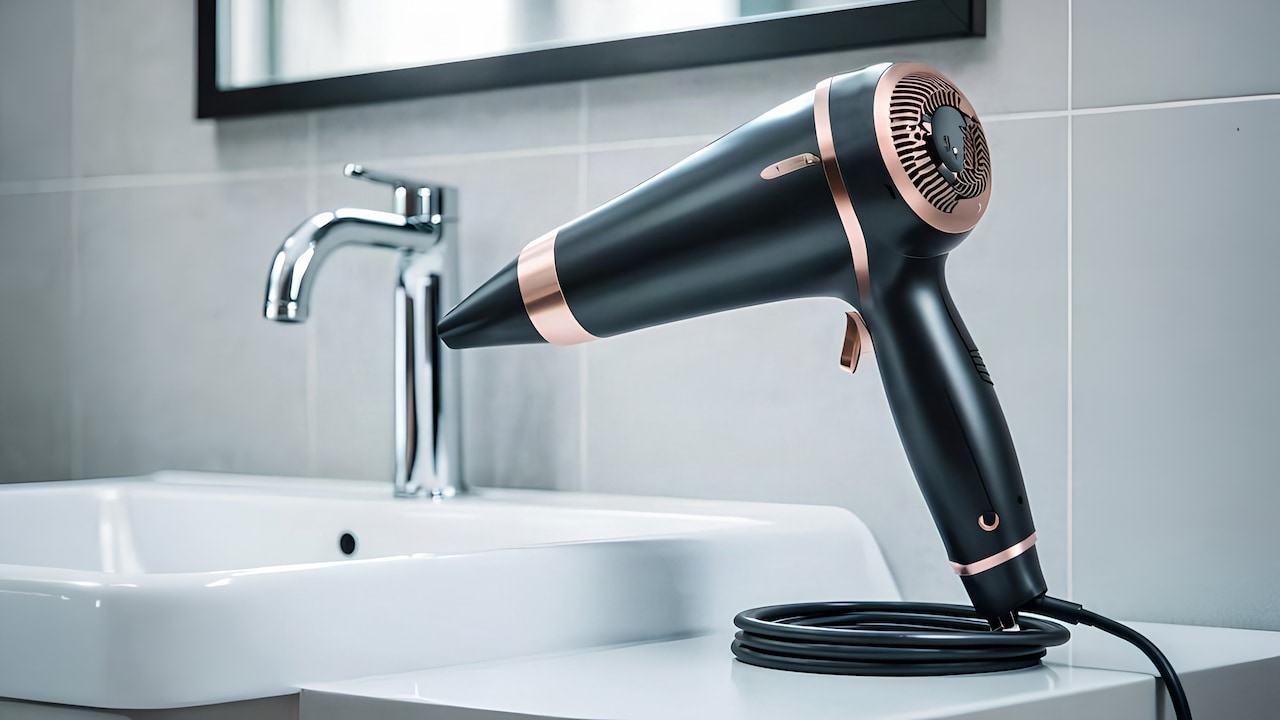
Ionic Vs Regular Hair Dryer: Which Dries Faster In Monsoon Humidity?
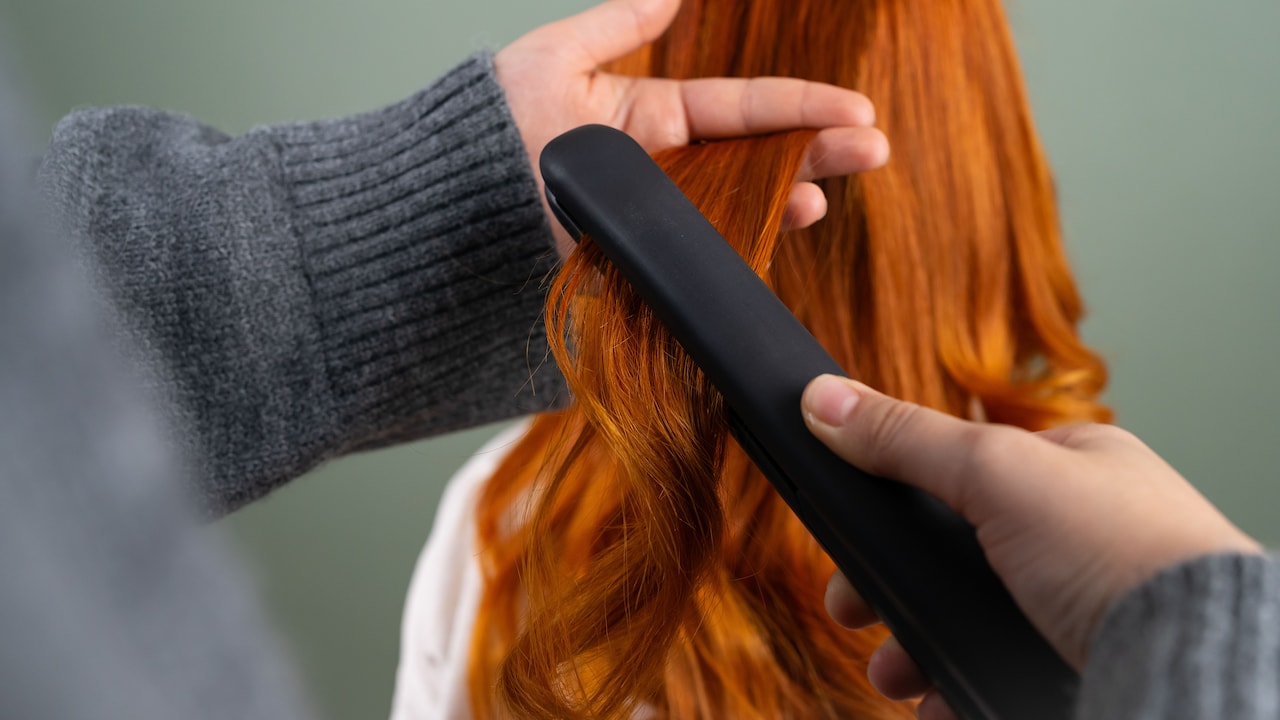
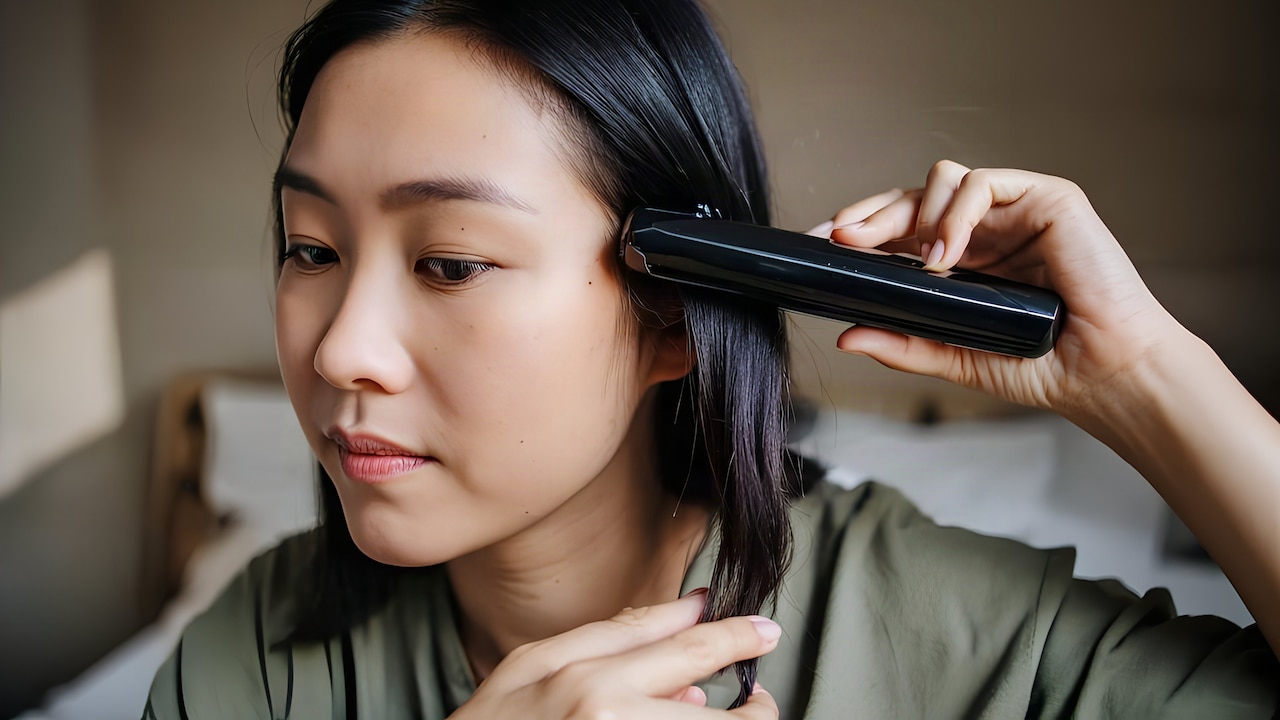
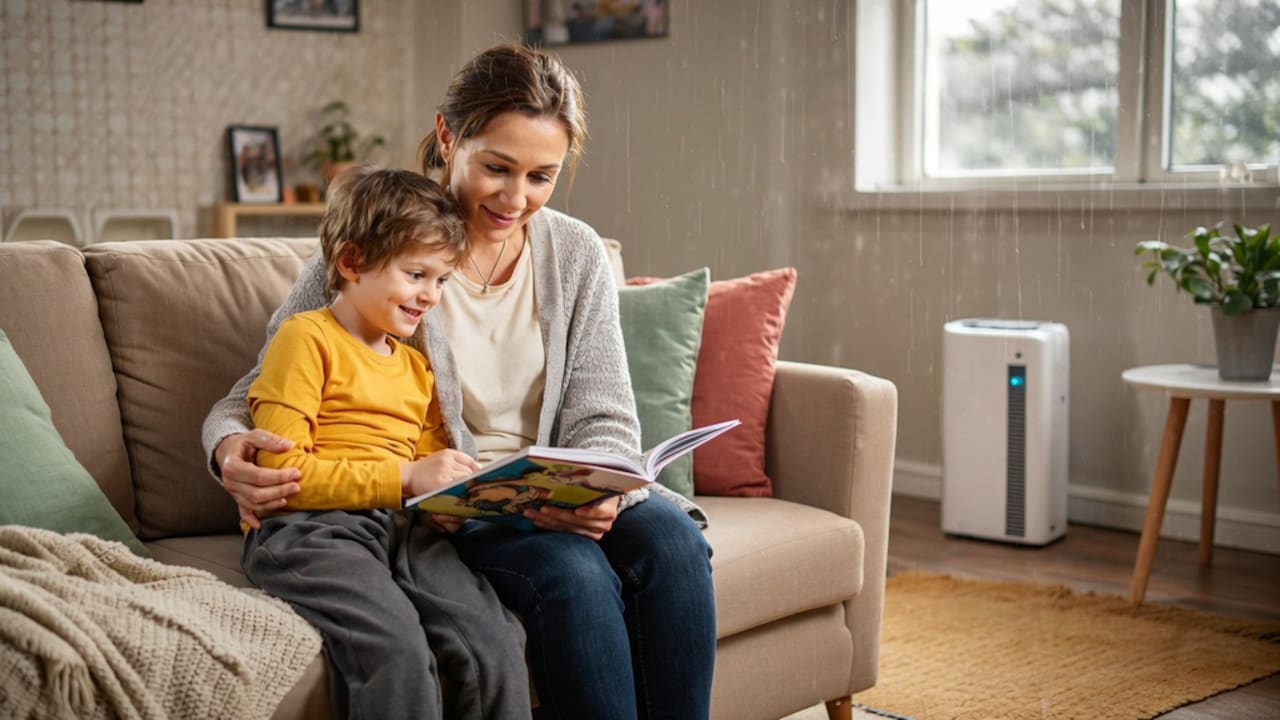
Ever washed your hair right before heading out, only to stand in front of the mirror twenty minutes later wondering why it's still soaking wet? It is easily one of the most annoying parts of monsoon mornings. When the air outside is saturated with moisture, achieving completely dry hair becomes a challenging task. Naturally, this leads many of us to ask: Is it actually worth dropping cash on a fancy Ionic blow-dryer, or can a basic regular model get the job done just as well?
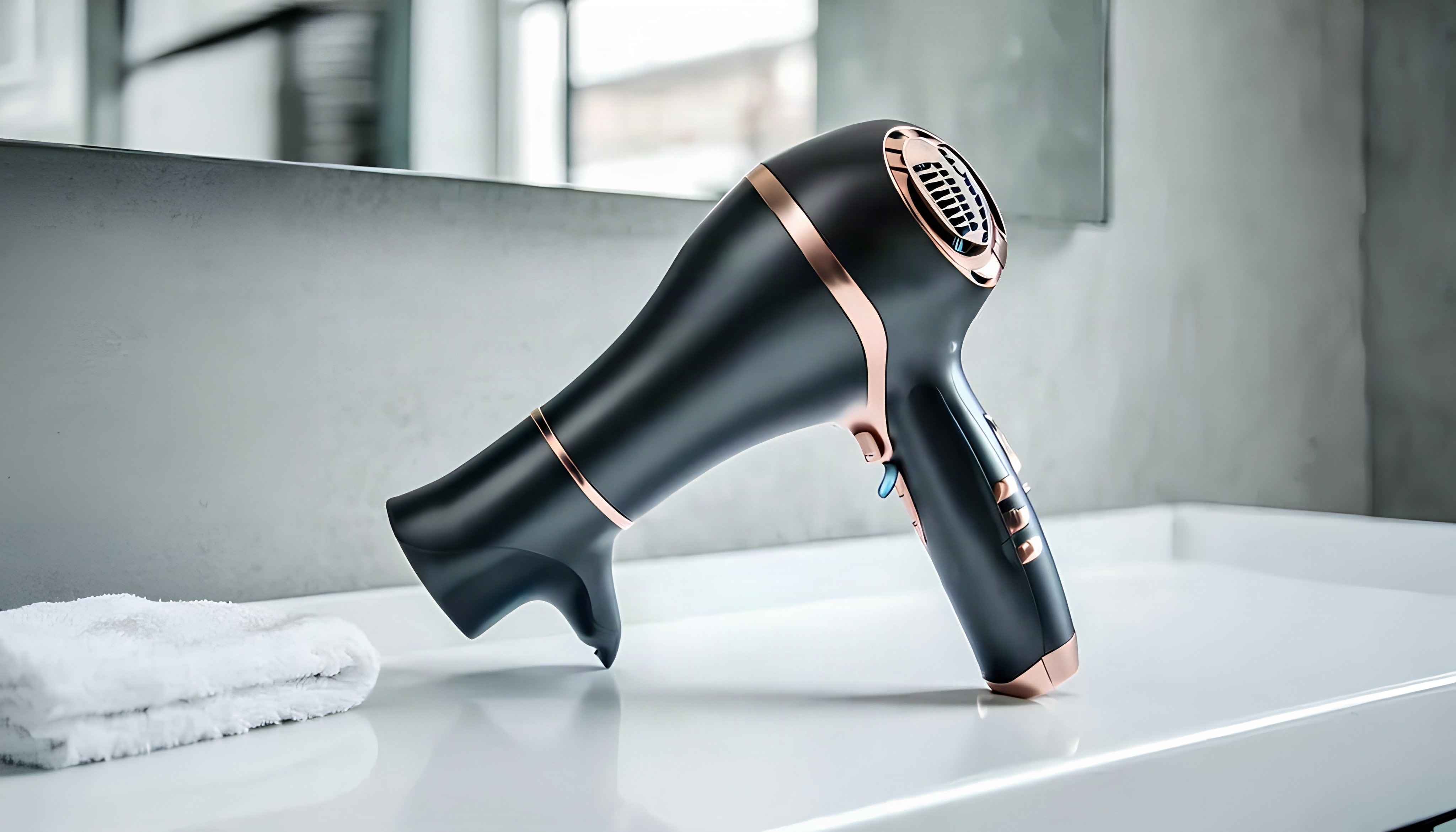
Ionic Vs Regular Hair Dryer: Which Dries Faster In Monsoon Humidity?
Photo Credit: iStock
Look, both options have their perks. However, the ultimate decision depends on your natural texture, styling frequency, and the weather conditions on any given day. Let's break down what you actually need to know before hitting "buy" on your next dryer this season.
Why Monsoon Humidity Makes Hair Harder to Dry
It's definitely not just in your head; your hair legitimately takes forever to dry when it rains. Because the air is already saturated with water vapour, there's simply less room for the moisture in your strands to evaporate into the atmosphere. The result? You're left with limp, damp hair that poofs into a frizzy mess the second you step out the front door.
Your choice of tools is crucial to the success of your morning routine. A standard, traditional blow dryer relies almost entirely on raw heat and wind to push water off your head. An ionic dryer operates a bit differently: it fires off negatively charged ions that actively break down water droplets into tiny micro-particles. This significantly accelerates the evaporation process while also sealing the outer cuticle layer to prevent static and humidity-induced puffiness.
If you're dealing with thick, coarse, or naturally wavy hair, switching to ionic technology is usually a lightbulb moment. On the flip side, if your hair is fine, straight, or relatively short, a standard model will likely give you plenty of power without the extra price tag.
Also Read: Top 5 Best Hair Dryers For Women Under ₹1,000
How To Choose Between An Ionic And Regular Hair Dryer
Step 1: Realistically Assess Your Natural Hair Type
Thick, unruly, or frizz-heavy tresses almost always thrive under ionic tech. However, if your hair is short or thin, a standard blow dryer will dry your hair quickly, without the need for any fancy features.
Step 2: Pay Attention to the Wattage
Aim for a wattage between 1,800W and 2,200W for standard home use. Higher power means stronger airflow, which dries your hair much faster without needing to blast it with damaging, scorching heat.
Step 3: Prioritise Multiple Temperature Controls
No two hair types handle heat the same way. Having separate heat and speed toggles lets you dial in the exact setting you need, keeping unnecessary heat damage to a minimum while giving you better control over your style.
Step 4: Don't Skip Out on the Attachments
A sleek concentrator nozzle is essential for achieving smooth, straight finishes, while a wide diffuser is crucial for maintaining defined natural curls. Grabbing a dryer with the right attachments makes styling in high humidity infinitely easier.
Step 5: Read Through Real Customer Reviews
Before adding anything to your cart, skim reviews from people who actually share your hair profile. Genuine buyer feedback often provides a clear perspective on the actual noise level, weight, and durability of a dryer, cutting through marketing jargon.
Common Hair-Drying Mistakes People Make During The Monsoon
Even the most expensive, top-tier dryer won't save your look if your technique is off. Avoid these common habits that can leave hair feeling crispy, damp, or unnecessarily frizzy:
1. Blasting Hair That Is Still Dripping Wet:
Trying to blow-dry dripping hair is a massive waste of time and energy. Always squeeze out excess moisture with a soft microfibre towel first, this drastically cuts down your drying time and shields your hair from prolonged heat exposure.
2. Cranking the Heat to Maximum Every Single Time:
Blasting hot air isn't always the fastest path to dry hair. A medium heat setting paired with high airflow usually dries your hair just as fast while preventing extreme dryness, split ends, and long-term fried texture.
3. Holding the Nozzle Right Against Your Strands:
Pressing the dryer directly onto your hair cooks the strands in one spot. Hold the barrel a few inches away and keep it moving continuously across your head for an even, healthy blow-dry.
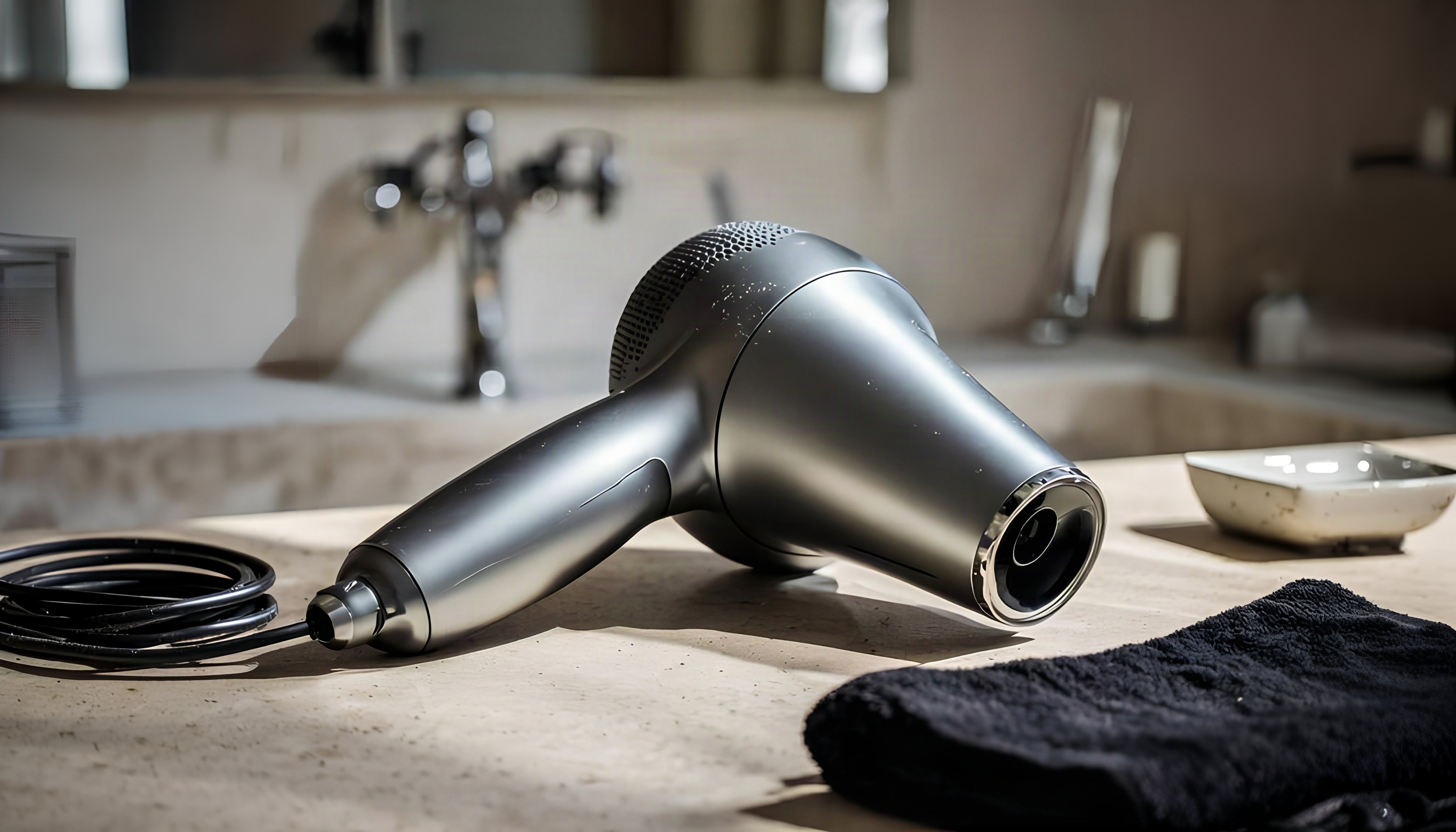
Ionic Vs Regular Hair Dryer: Which Dries Faster In Monsoon Humidity?
Photo Credit: iStock
Some Hair Dryer Products You May Like
1. Havells Styling Hair Dryer Hypersonic Motor
2. BEARDO Studio Professional Tornado Hair Dryer With 2000 Watts Power
3. AGARO 2000W AC Professional Hair Dryer with Comb, Concentrator & Diffuser Nozzles
4. WINSTON Turbo Pro Hair Dryer - 1800W Quick-Drying Blow Dryer
5. Laifen Hair Dryer SE Lite White, 150 Million Negative Ionic Blow Dryer With 100,000
6. Airluxe AirStorm BLDC Ionic Hair Dryer 110,000 RPM High-Speed Brushless Motor
7. Bombae Ionic Hair Dryer 1600 Watts Cool Air Setting
8. Pigeon Elegant BLDC 1600 Watts 2-In-1 Hair Dryer 3 Speed & 4 Temperature Settings
In monsoon humidity, an ionic hair dryer generally dries hair faster than a regular hair dryer because it helps break down water droplets more efficiently while reducing frizz caused by excess moisture in the air. Regular hair dryers can still get the job done, but they often require more drying time and may leave hair looking puffier during humid weather. If you frequently struggle with damp, frizzy hair during the rainy season, investing in an ionic hair dryer can make your grooming routine quicker, smoother, and more convenient. For occasional use, however, a regular hair dryer remains a budget-friendly option that delivers reliable results.
Frequently Asked Questions (FAQs)
1. Which hair dryer dries hair faster during the monsoon?
Hands down, an ionic hair dryer usually wins the race. The negative ion tech breaks down water molecules far quicker than standard heat alone, cutting down your total drying time in sticky weather.
2. Is an ionic hair dryer better for frizzy hair?
Definitely, by smoothing down the hair cuticle and taming static, ionic dryers are a game-changer for anyone struggling with frizz, volume control, or unruly curls.
3. Can I use a regular hair dryer during the rainy season?
Of course! A standard dryer works totally fine, particularly if your hair is on the finer or shorter side. It might just take a few extra minutes if you have a lot of hair.
4. Does an ionic hair dryer damage hair less?
While no heat tool is 100% damage-free, ionic dryers tend to be gentler simply because they dry your hair much faster, reducing the total amount of time your hair spends under heat.
5. What features should I look for in a hair dryer?
Look out for independent heat and speed controls, a motor rating between 1,800W–2,200W, a cold shot button to lock in styles, and useful attachments like concentrators or diffusers.
(Disclaimer: This article may include references to or features of products and services made available through affiliate marketing campaigns. NDTV Convergence Limited (“NDTV”) strives to maintain editorial independence while participating in such campaigns. NDTV does not assume responsibility for the performance or claims of any featured products or services.)