10 Reasons Kitchen Chimney Oil Collectors Fill Up Faster During Frying
Frying can make a chimney’s oil collector fill surprisingly fast. Here are 10 practical reasons behind quicker grease build-up, from high heat and moist food to suction speed and frying habits.
Why Does Your Kitchen Chimney Oil Collector Fill Up So Fast? 10 Reasons
Few kitchen moments are as satisfying as hearing onions sizzle in hot oil or watching a batch of pakoras turn perfectly crisp. Unfortunately, frying also sends something less exciting into the air: tiny droplets of oil, grease and food vapour. A kitchen chimney catches much of this airborne mess before it settles on cabinets, tiles and appliances. Depending on the chimney design, some of the trapped grease eventually reaches an oil collector. That small container can sometimes look half-full after what feels like only a handful of frying sessions. It may seem as though the chimney is producing oil from nowhere. It is not. The collector simply reveals how much grease would otherwise have travelled around the kitchen. Some households notice faster filling than others because cooking styles, temperatures, chimney use and maintenance habits vary widely. Understanding the reasons helps explain whether that rapidly filling collector is normal or a sign that something needs attention.
Why Does Your Kitchen Chimney Oil Collector Fill Up So Fast? 10 Reasons; Photo Credit: Pexels
Why Your Chimney Collects More Oil During Frying
1. High-Temperature Frying Creates More Airborne Oil
Frying needs heat, and that heat is one of the biggest reasons an oil collector fills quickly.
When oil becomes hot, moisture escaping from food creates vigorous bubbling. Those bubbles burst at the surface and throw microscopic oil droplets into the surrounding air. The hotter and more energetic the frying process becomes, the more droplets can rise towards the chimney.
Think about the difference between gently sautéing jeera in a teaspoon of oil and frying a large batch of pooris. The second situation produces far more bubbling, spluttering and greasy vapour. Naturally, the chimney has more work to do.
Extremely high temperatures can make the situation worse. Oil that starts smoking is not merely creating an unpleasant smell. It is also producing more fumes and fine particles that can become part of the greasy residue captured inside the chimney.
Keeping frying temperatures under control therefore matters. Oil should be hot enough to cook food properly without reaching the point where the kitchen resembles a railway platform tea stall during the morning rush.
Also Read: Kitchen Transformation With These Top 5 Electric Chimneys
2. Deep Frying Uses A Much Larger Oil Surface
The amount of oil sitting exposed in a kadai or frying pan makes a noticeable difference.
During shallow frying, only a limited quantity of oil usually comes into contact with heat. Deep frying, however, creates a much larger pool of hot oil. That means a broader surface from which droplets and vapours can escape.
A deep kadai filled for jalebi, kachori or festive snacks may remain hot for quite some time. Every bubbling batch releases another cloud of tiny grease particles. The chimney pulls these particles upwards, where filters and internal channels capture them before some eventually reach the collector.
This is why families that deep-fry several times a week may need to empty the oil cup much more frequently than households that mostly steam, boil or pressure-cook meals.
There is another small factor at work. Food entering deep oil often contains moisture. When that moisture meets intense heat, it turns rapidly into steam. The resulting bubbling throws oil droplets upwards.
So the collector is not necessarily filling because something has gone wrong. Sometimes the menu itself is responsible.
3. Moist Ingredients Make Hot Oil Splutter More
Anyone who has dropped a slightly wet vegetable into hot oil already knows how dramatic the reaction can be.
Water and hot cooking oil are an energetic combination. Because water turns into steam very quickly at frying temperatures, moisture trapped on or inside food expands suddenly. That expansion creates bubbles and splashes, carrying fine droplets of oil into the air.
Freshly washed vegetables can be a common culprit when they have not been dried properly. Batter-heavy foods can have a similar effect because they contain plenty of moisture. Even frozen ingredients may introduce extra water through frost or ice crystals.
The more spluttering that occurs beneath the chimney, the greater the quantity of grease available for its suction system to capture.
Drying ingredients before frying can reduce unnecessary splashes. It also makes cooking a little calmer, which is always welcome when hot oil is involved.
There is a bonus too. Less surface moisture can sometimes help food achieve a better texture instead of steaming before it crisps. Your chimney gets an easier shift, while dinner may turn out better as well.
Why Does Your Kitchen Chimney Oil Collector Fill Up So Fast? 10 Reasons; Photo Credit: Pexels
4. Longer Frying Sessions Give Grease More Time To Collect
A ten-minute tadka and a ninety-minute frying session are very different challenges for a chimney.
Many households prepare fried food in batches. Perhaps there are enough pakoras for guests, several rounds of pooris for a family gathering or a large quantity of snacks being prepared ahead of a festival. The chimney may remain switched on throughout the process.
Every additional minute gives it more airborne grease to capture.
A small amount of oil collected during each batch may not seem significant. Across an extended cooking session, however, those tiny amounts accumulate. By the time the final plate leaves the kitchen, the collector can look surprisingly full.
This gradual build-up explains why people sometimes assume the oil cup suddenly filled overnight. In reality, one long session may have produced the equivalent grease load of several ordinary meals.
Long frying also keeps nearby surfaces warm. Grease vapours can stay mobile before being drawn into the chimney instead of settling immediately.
For regular large-batch cooking, checking the collector more frequently makes sense. An overflowing grease cup is far less charming than the snacks responsible for filling it.
5. Cooking Too Close To The Chimney Increases Grease Capture
The distance between the cooking surface and chimney affects what gets pulled into the appliance.
A chimney positioned effectively above the hob can capture rising smoke, steam and oil particles before they escape into the wider kitchen. During frying, this efficient capture may cause the oil collector to fill faster than expected.
That sounds like a disadvantage, but it can actually indicate that grease is being intercepted instead of landing elsewhere.
Imagine those particles without effective suction. Some might settle on cabinet doors, spice containers, wall tiles and the tops of appliances. Over time, that creates the familiar sticky kitchen film that seems determined to attract every speck of dust in the neighbourhood.
Chimney placement still needs to follow the manufacturer's recommended installation height. A unit installed unusually low can face excess heat and grease exposure, while one fitted too high may struggle to capture fumes effectively.
If the installation is correct and the collector fills faster during heavy frying, efficient grease capture may simply be part of the explanation.
The little oil cup is often collecting a mess that would otherwise require plenty of scrubbing.
6. Higher Suction Settings Pull In More Greasy Vapour
Turning the chimney to a powerful suction setting during frying is sensible. Strong extraction helps remove smoke, smells and oil-laden air quickly.
It also means more grease enters the chimney.
At lower speeds, some cooking fumes may drift away from the extraction zone before they are captured. A higher setting moves more air through the chimney and can collect a greater share of suspended oil droplets.
That can make the oil collector fill noticeably faster during dishes that produce heavy fumes.
The effect is particularly obvious when frying spices, onions, fish, puris or battered snacks. These activities can produce a lively mixture of steam, smoke and grease. Strong suction gives that cloud fewer opportunities to wander towards curtains and cupboards.
So a collector filling quickly while the chimney is running at high speed does not automatically suggest poor performance. Quite the opposite may be happening.
The useful habit is matching suction strength to the cooking task. Gentle cooking rarely needs maximum power, while vigorous frying often does. There is little point giving boiling dal the extraction power normally reserved for a smoky kadai.
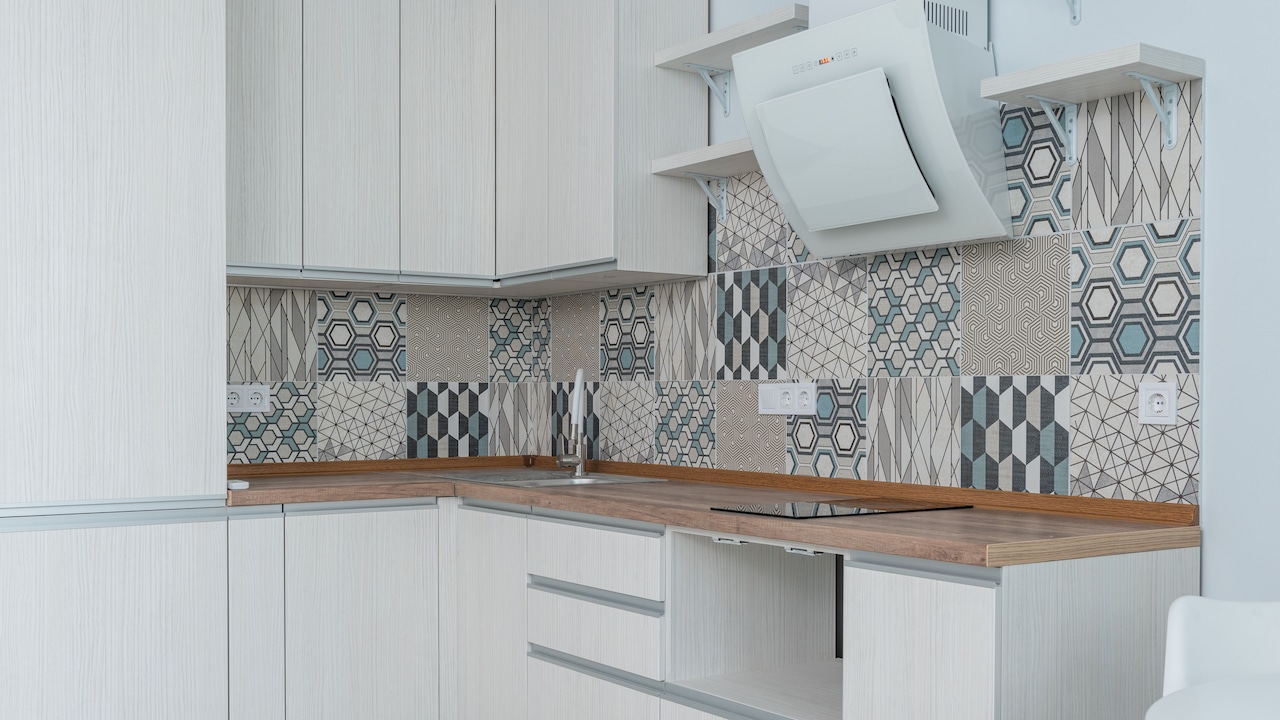
Why Does Your Kitchen Chimney Oil Collector Fill Up So Fast? 10 Reasons; Photo Credit: Pexels
7. Dirty Filters Can Change How Grease Moves Inside
Chimney filters sit directly in the path of cooking fumes, so cleanliness matters.
As grease accumulates on filters, airflow can become restricted. The sticky surface may also change how fresh oil droplets move through the chimney. Instead of draining smoothly, residue can collect unevenly, form heavier deposits and eventually travel towards drainage channels or the oil collector.
During frequent frying, this process can accelerate.
Baffle filters, for example, are designed to separate grease from moving air. They still need regular cleaning. Once layers of old oil and cooking residue build up, performance can suffer and unpleasant smells may appear.
Cleaning frequency depends on how often the kitchen handles oily meals. A home where frying happens most evenings naturally needs more frequent attention than one where the kadai comes out occasionally.
A collector filling unusually fast alongside thick, sticky filters is therefore worth investigating.
The solution is not to ignore the cup and hope for a miracle. Cleaning removable components according to the manufacturer's instructions helps keep airflow and grease drainage working as intended. It also prevents yesterday's frying session from becoming a permanent resident inside the chimney.
8. Reused Oil May Produce More Smoke And Residue
Reusing frying oil is common in many homes, especially when a fair quantity remains after cooking. The condition of that oil, however, affects what happens when it is heated again.
Repeated heating gradually changes cooking oil. Food crumbs, batter particles and other residues may remain behind, while the oil itself can deteriorate with continued exposure to high temperatures.
Old or heavily used oil may start smoking sooner than fresh oil. More smoke and suspended residue means the chimney has additional material to capture.
That can contribute to faster grease accumulation inside the appliance and its collector.
Straining oil after cooking removes loose food particles, but it does not return degraded oil to its original condition. Oil that has developed an unusual smell, darkened considerably, become excessively thick or starts smoking unusually early should not simply continue its career indefinitely.
Fresh oil does not make frying grease-free, of course. No chimney gets that lucky.
Still, good oil management can reduce unnecessary fumes while improving flavour. The difference can be especially noticeable when preparing delicate foods whose taste is easily affected by repeatedly heated oil.
9. Overcrowding The Frying Pan Causes Extra Bubbling
Putting too much food into hot oil at once looks like a shortcut. Often, it creates more trouble than it saves.
An overcrowded kadai releases a large amount of moisture simultaneously. Oil temperature can drop sharply, bubbling may become intense and ingredients can jostle against one another. The result is often more splashing and a longer frying time.
Both factors increase the chimney's exposure to greasy air.
Consider a batch of pakoras. Adding a manageable quantity lets the oil recover its temperature and gives individual pieces room to cook. Pouring in an ambitious mountain of batter may create impressive bubbling, but the kitchen chimney sees that spectacle as extra work.
Overcrowding can also produce less crisp food because the temperature falls too much. That means the supposed time-saving trick may lead to longer cooking anyway.
Smaller batches usually make frying easier to control. Oil remains closer to the desired temperature, food cooks more evenly and splattering can become more manageable.
The collector may still gather grease, but the cooking process becomes far less chaotic. Sometimes patience really is the cheapest kitchen gadget available.
10. Frequent Frying Naturally Builds Up Grease Faster
Sometimes there is no hidden mechanical mystery. The chimney is simply being used exactly as intended.
A household that fries breakfast items, prepares tadka several times a day and enjoys weekend snacks will generate considerably more airborne oil than one relying mainly on steaming, grilling or pressure cooking.
Small quantities add up quickly.
Even dishes that do not look particularly oily can release grease when ingredients hit a hot pan. Add regular deep frying to that routine and the collector receives a steady supply.
Cooking habits can also change temporarily. Wedding preparations, festive weeks, visiting relatives or school holidays may suddenly increase kitchen activity. A collector that normally takes weeks to fill might need attention much sooner.
Keeping a rough eye on how quickly it fills provides useful information. A sudden dramatic change without any change in cooking habits could justify checking filters, internal drainage or installation. Gradual filling that clearly follows frequent frying is far less mysterious.
In many cases, a busy oil collector is simply evidence of a busy kitchen. And where hot snacks keep appearing, nobody is likely to complain too loudly.
Products Related To This Article
1. Faber Hood Trendy 60cm 1500 m³/hr BLDC Autoclean Slant Shape Chimney
2. Beyond Appliances Cube Pro Plug N Play Ductless Kitchen Chimney
3. Livpure Fenix 90 cm | T-Shape Chimney
4. Cadlec PeakFlow 60cm 1400m³/hr Filterless Auto Clean T-Shape Kitchen Chimney
5. Glen Hood Senza Black Kitchen Chimney 60cm
6. Livpure Dyce 60 cm | Wall Mounted | Ductless
7. Faber Pluto 60 cm 1000 m³/hr Wall Mounted Kitchen Chimney
A kitchen chimney oil collector rarely fills quickly for just one reason. High frying temperatures, large quantities of oil, moist ingredients, powerful suction and long cooking sessions can all increase the amount of grease travelling upwards.
Maintenance matters too. Clean filters and clear grease channels help the chimney handle that residue properly, while sensible frying habits can reduce unnecessary splattering and smoke.
Most importantly, a rapidly filling collector does not always signal a fault. During frequent or heavy frying, it may simply show that the chimney is successfully capturing grease before it spreads across tiles, cabinets and appliances.
Pay attention to sudden changes rather than the oil cup alone. If cooking habits stay the same but grease collection suddenly rises sharply, cleaning or inspection may be worthwhile.
Otherwise, empty the collector regularly, keep the chimney maintained and carry on cooking. After all, washing one small grease cup is considerably easier than discovering that an entire kitchen has quietly acquired a shiny layer of last Sunday's pakoras.
(Disclaimer: This article may include references to or features of products and services made available through affiliate marketing campaigns. NDTV Convergence Limited (“NDTV”) strives to maintain editorial independence while participating in such campaigns. NDTV does not assume responsibility for the performance or claims of any featured products or services.)