Sandwich Makers That Toast Bread Evenly on Both Sides
Looking for sandwich makers that toast bread evenly on both sides? Discover the key features that ensure perfectly crisp sandwiches every time, from balanced heating plates to smart thermostats and durable designs.
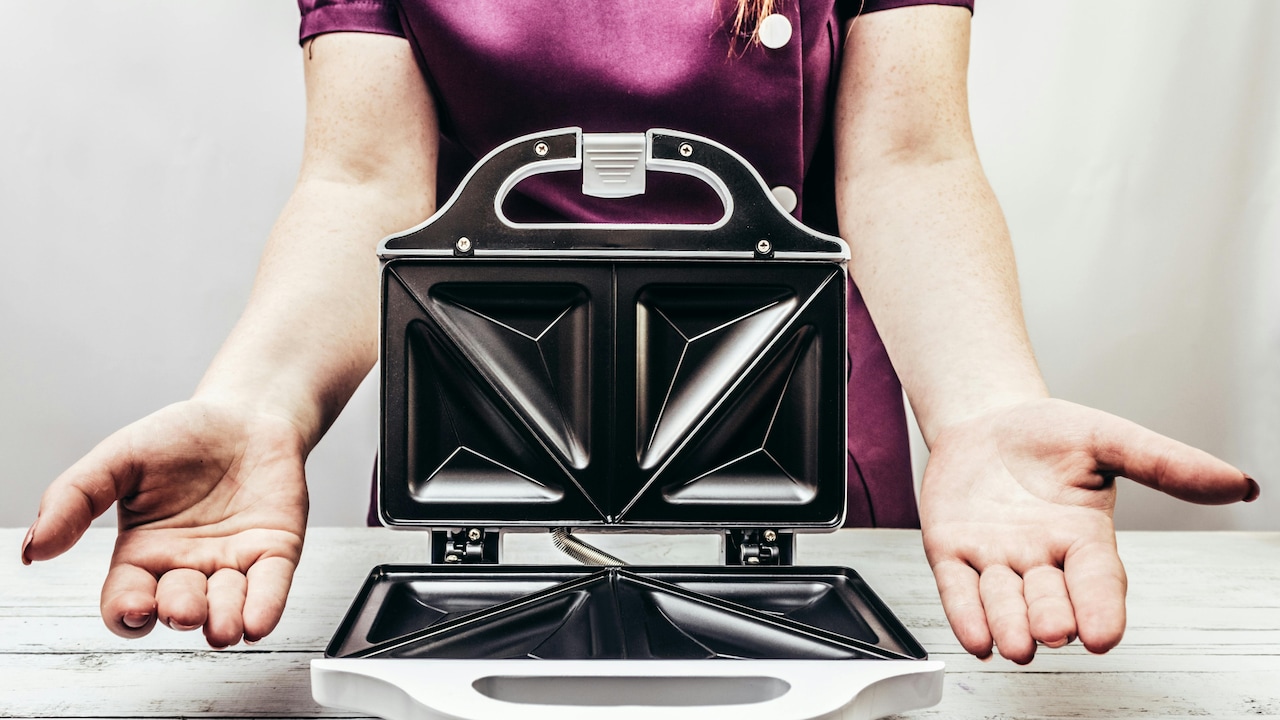
Sandwich Makers That Toast Bread Evenly On Both Sides: A Smart Buyer's Guide.
A toasted sandwich holds a special place in many kitchens. The aroma of crisp bread, the gentle melt of cheese, and the warmth of a freshly pressed snack can turn an ordinary moment into a small comfort. From rushed weekday mornings to relaxed weekend evenings, a sandwich maker often becomes one of the most frequently used appliances in a home.
Yet not all machines perform equally. Many leave one side crisp and the other pale, which ruins the texture. Uneven heating can also cause fillings to spill or bread to dry out. A well-designed sandwich maker solves these problems by distributing heat evenly across both plates. When both sides toast at the same time, the result feels satisfying with every bite.
Modern sandwich makers now offer thoughtful improvements. Floating hinges adjust to thick fillings. Non-stick plates reduce cleaning time. Thermostats maintain steady heat so bread browns evenly instead of burning. Small details like these transform a simple appliance into a reliable kitchen companion.
Across households where quick meals matter, the demand for consistent toasting has grown. Families preparing evening snacks, students assembling midnight sandwiches, and office workers grabbing a fast breakfast all expect the same thing: a crisp, evenly toasted sandwich without fuss.
The sections ahead explore key features and design elements that help sandwich makers toast bread evenly on both sides. Understanding these details helps shoppers choose a machine that delivers reliable results every time.
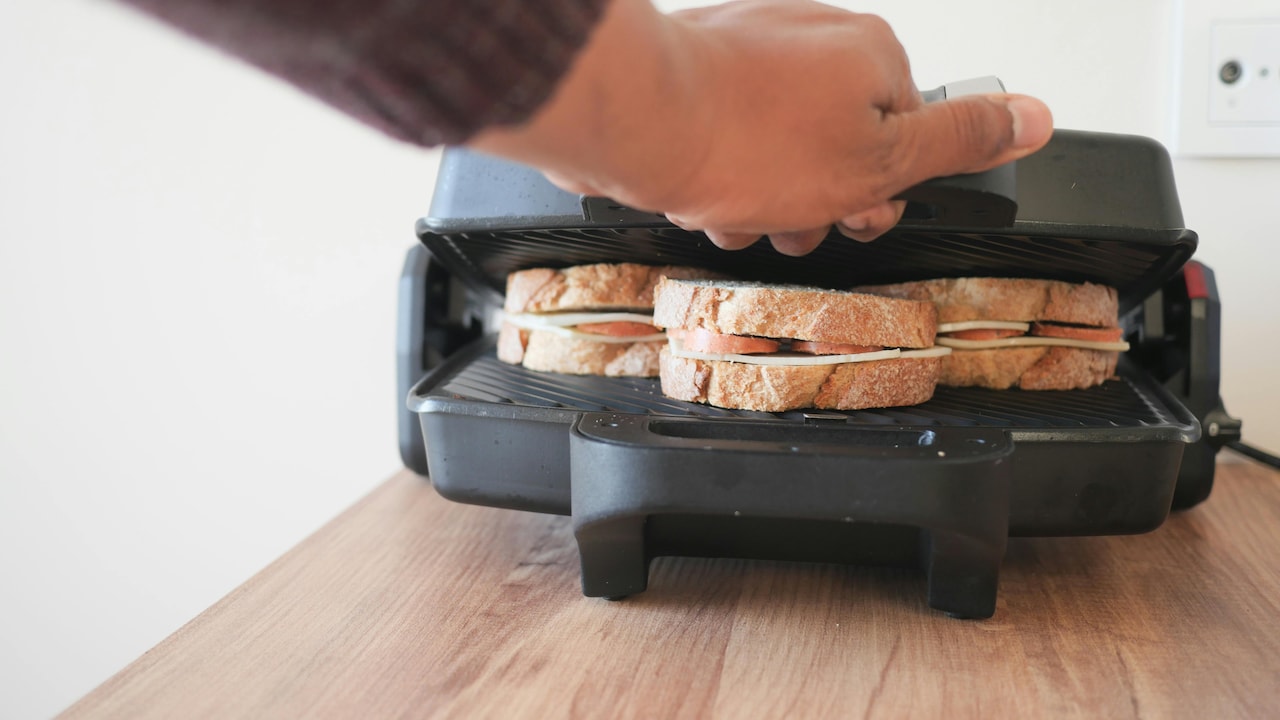
Sandwich Makers That Toast Bread Evenly on Both Sides; Photo Credit: Pexels
What Makes A Sandwich Maker Toast Bread Evenly On Both Sides
Balanced Heating Plates
Even heating begins with the plates themselves. High-quality sandwich makers use carefully engineered heating plates that distribute heat across the entire surface rather than concentrating it in the centre. When heat spreads evenly, each corner of the bread receives the same treatment.
Poorly designed plates often create “hot spots”. One area browns quickly while another remains soft. This uneven result can feel frustrating, especially when preparing snacks for guests or children waiting impatiently at the dining table.
Balanced heating plates prevent that issue. Manufacturers often design them with thicker metal layers or integrated heating coils that ensure consistent temperature throughout the surface. This design allows both slices of bread to toast evenly at the same time.
For households that prepare sandwiches regularly, this consistency matters. Whether the filling includes spicy chutney, cheese, vegetables, or leftover paneer from dinner, balanced heat ensures the bread crisps without overcooking the filling.
A sandwich maker with reliable heating plates saves time and reduces guesswork. No need to flip sandwiches or reheat one side. Simply close the lid, wait a few minutes, and enjoy a perfectly toasted snack.
Floating Hinges For Even Pressure
A sandwich maker must apply equal pressure to both slices of bread. Without balanced pressure, one side presses firmly while the other barely touches the hot plate. This imbalance leads to uneven toasting.
Floating hinges solve the problem. These hinges allow the top plate to adjust automatically depending on the thickness of the sandwich. Whether the filling includes thin slices of cucumber or a generous layer of cheese and vegetables, the plates remain aligned.
The design also prevents squashed sandwiches. Some older machines press down too hard, forcing fillings to spill out of the edges. A floating hinge keeps the lid stable while still allowing room for thicker fillings.
Consider a sandwich loaded with potatoes, capsicum, and cheese. Without a flexible hinge, the top plate may tilt slightly, leaving part of the bread barely toasted. A floating hinge keeps the surface level and ensures both sides receive equal heat and pressure.
This simple feature transforms the overall cooking experience. The sandwich emerges golden and crisp on both sides while the filling stays intact. For busy kitchens where quick snacks matter, floating hinges provide dependable results every time.
Also Read: Top 5 Sandwich Makers That Don't Squish The Bread Too Flat, From Milton, Prestige, Kent to iBell
Non-Stick Coating For Smooth Browning
The surface of the plates plays a crucial role in achieving even toasting. Non-stick coatings allow bread to brown gradually without sticking to the plate. This smooth interaction ensures the bread maintains its texture and colour.
Without a non-stick surface, bread often clings to the hot plate. When that happens, parts of the crust tear away and leave uneven patches. Cleaning the machine also becomes difficult.
Modern sandwich makers use durable coatings designed to handle repeated heating cycles. These coatings distribute heat efficiently while preventing food from sticking. The bread, therefore, browns evenly instead of forming dark, burnt patches.
Another advantage involves minimal oil usage. A well-coated plate allows sandwiches to toast beautifully with little or no butter. This feature appeals to households that prefer lighter snacks while still enjoying a crisp finish.
Cleaning also becomes effortless. After the plates cool, a gentle wipe with a cloth usually removes crumbs and residue. No aggressive scrubbing required.
In daily kitchen routines, convenience matters. Non-stick plates make both cooking and cleaning simple, ensuring the sandwich maker stays ready for the next snack.
Thermostat Control For Stable Heat
Heat stability often determines whether a sandwich turns out perfectly toasted or disappointingly uneven. A built-in thermostat helps regulate temperature during the cooking process.
When a sandwich maker heats without control, the temperature may rise too quickly. One side of the bread burns while the inside remains soft. Thermostat control prevents such problems by maintaining a steady temperature throughout the cooking cycle.
Once the appliance reaches the optimal heat level, the thermostat adjusts the power supply to keep that temperature stable. This steady environment allows bread to toast gradually on both sides.
Stable heat also protects the filling. Cheese melts evenly instead of bubbling excessively. Vegetables warm gently without releasing too much moisture. The final sandwich feels balanced, crisp outside and warm inside.
For households that prepare sandwiches daily, consistent temperature reduces the need for constant monitoring. Simply place the sandwich inside, close the lid, and allow the machine to manage the heat.
This feature may seem technical, yet it greatly improves reliability. A thermostat ensures that every sandwich receives the same careful treatment.
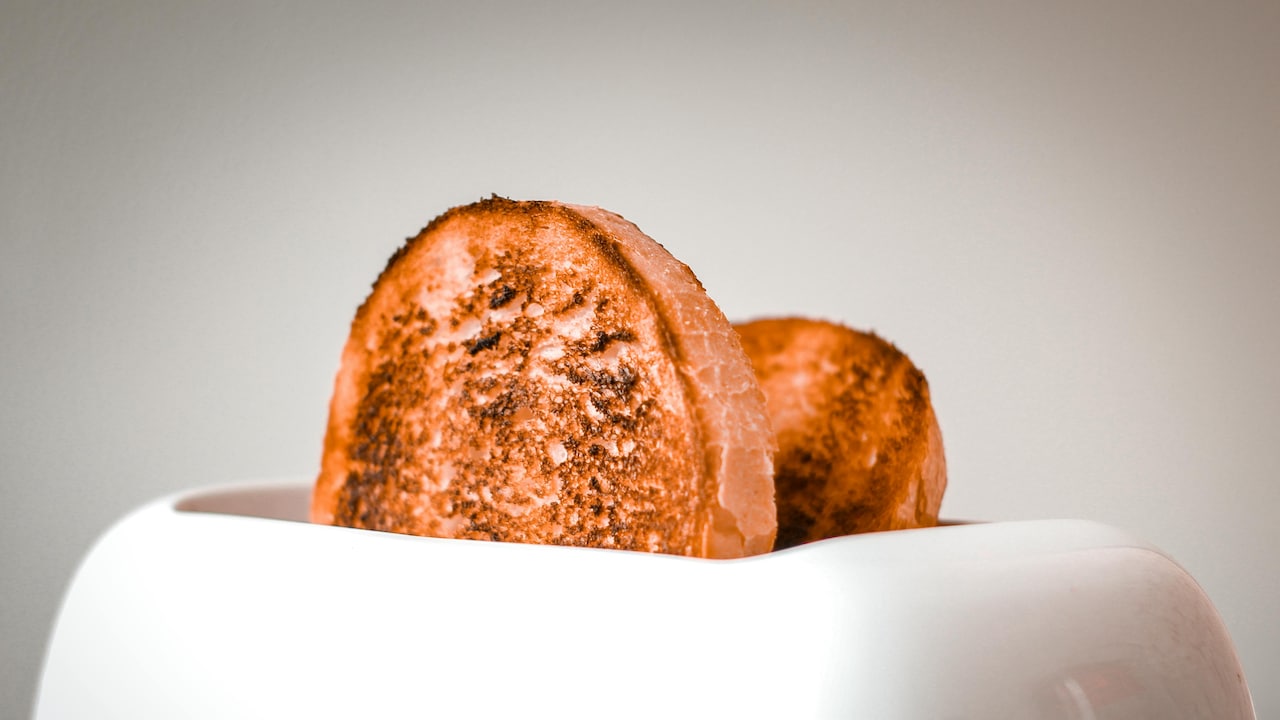
Sandwich Makers That Toast Bread Evenly on Both Sides; Photo Credit: Pexels
Deep Grids For Better Heat Distribution
Some sandwich makers include deep grid patterns on the plates. These grids create small channels that improve heat circulation around the bread.
Instead of pressing the entire surface flat, the grids allow hot air and heat to move evenly across the sandwich. This circulation prevents moisture from collecting in one area, which often causes soggy spots.
Deep grids also help seal the edges of the bread. When the plates close, the edges press together and form a crisp pocket around the filling. This sealed structure keeps ingredients from leaking onto the plates.
The grid pattern, therefore, contributes to both texture and convenience. The outer surface becomes evenly crisp while the inside remains soft and warm.
Imagine a vegetable sandwich prepared during the monsoon season, when humidity often affects bread texture. A deep grid pattern helps maintain crispness despite the moisture in the air.
Though this design appears simple, it significantly improves the final result. Even heat circulation, combined with sealed edges, creates sandwiches that feel satisfying with every bite.
Fast Heating Elements
Speed matters in modern kitchens. Many people expect a sandwich to be ready within minutes, especially during busy mornings before work or college. Fast heating elements help achieve that convenience.
Advanced heating elements warm the plates quickly and distribute heat evenly across the surface. Instead of waiting several minutes for the appliance to reach cooking temperature, the machine becomes ready almost immediately.
Quick heating also improves toasting consistency. When the plates reach the correct temperature faster, bread begins browning evenly from the moment the lid closes.
Older machines often require preheating that feels slow and unpredictable. During that time, users may open the lid repeatedly to check progress, which interrupts the heating process.
A faster heating system removes this uncertainty. Indicator lights usually signal when the appliance reaches the ideal temperature. Once the sandwich goes in, the cooking process moves smoothly.
For households where breakfast preparation already feels rushed, this feature saves valuable minutes. Within a short time, the kitchen fills with the familiar aroma of toasted bread and melted cheese.
Thick Plates That Retain Heat
Heat retention influences the quality of toasting. Plates made from thicker materials hold heat more effectively than thin metal sheets.
When plates retain heat well, the temperature remains stable even after placing the sandwich inside. Thin plates lose heat quickly, causing uneven browning and longer cooking times.
Thicker plates create a more controlled environment. As soon as the sandwich touches the surface, both sides begin to toast at the same pace. The bread develops a consistent golden colour without frequent temperature fluctuations.
This design also benefits households that prepare multiple sandwiches in a row. After finishing one batch, the plates remain warm enough to cook the next without a long wait.
During evening snack time, when several family members gather around the kitchen counter, this feature becomes especially helpful. Each sandwich emerges evenly toasted without delays.
Durability forms another advantage. Thick plates withstand repeated use and high temperatures better than thinner alternatives. Over time, this strength contributes to reliable performance.
In simple terms, strong heat retention leads to dependable results and smoother cooking.
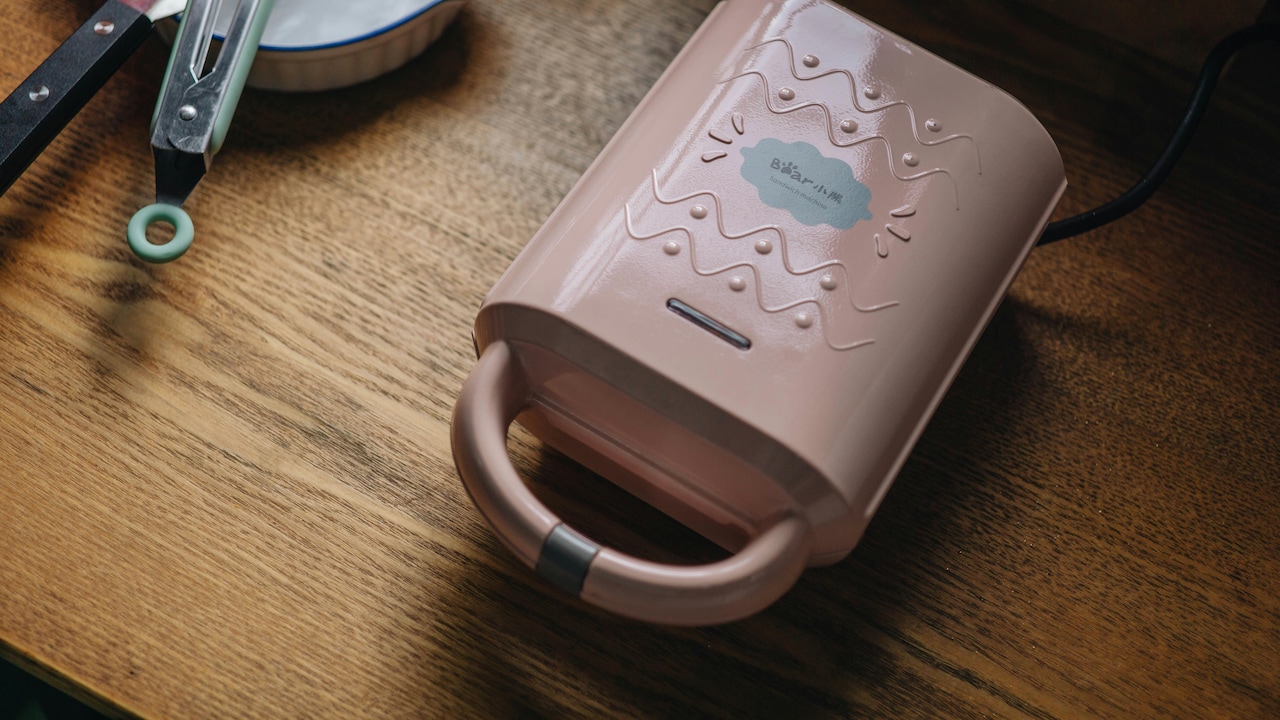
Sandwich Makers That Toast Bread Evenly on Both Sides; Photo Credit: Pexels
Smart Indicators For Perfect Timing
Indicator lights may seem like a small detail, yet they greatly influence the cooking experience. A well-designed sandwich maker includes lights that signal both power status and readiness.
These indicators remove guesswork. Instead of opening the lid repeatedly to check the bread, users simply watch the light. Once the appliance reaches the correct temperature, the indicator confirms it.
Many machines also include a second light that signals when the sandwich has toasted sufficiently. While cooking times vary slightly depending on fillings, these signals provide helpful guidance.
Accurate timing contributes to even toasting. Opening the lid too early interrupts heat distribution and may leave one side pale. Indicators encourage patience and allow the appliance to complete the process properly.
The feature proves particularly helpful for beginners or younger family members learning to prepare simple snacks. A quick glance at the light reveals when the sandwich maker is ready.
Though simple, smart indicators improve consistency and confidence. Each sandwich emerges crisp, evenly browned, and ready to enjoy.
Compact Design With Even Heat Spread
Compact sandwich makers often surprise users with their efficiency. A well-designed compact appliance concentrates heat within a smaller cooking space, which improves overall distribution.
When heat travels across a shorter distance between plates, the temperature remains more consistent. This design ensures that both slices of bread receive the same amount of heat simultaneously.
Compact models also fit comfortably on crowded kitchen counters. Many households prefer appliances that store easily in cupboards or small shelves.
Despite their smaller size, modern compact sandwich makers still handle generous fillings. Floating hinges and deep plates allow enough space for cheese, vegetables, and spreads without compromising heat distribution.
The compact design, therefore, combines practicality with performance. Even heating, easy storage, and simple operation make the appliance suitable for everyday use.
Whether preparing a quick breakfast before the morning commute or an evening snack during a cricket match, a compact sandwich maker performs reliably without occupying much space.
Durable Build For Consistent Performance
A sandwich maker that toasts evenly today should continue doing so for years. Durability, therefore, becomes an essential factor.
Machines built with sturdy materials maintain their heating performance over time. Loose hinges, thin plates, or weak heating elements often cause uneven toasting after repeated use.
A durable build keeps the plates aligned properly. When both surfaces remain parallel, heat reaches each slice of bread evenly. The result stays consistent across hundreds of sandwiches.
Strong outer casing also protects the internal components. Many households use sandwich makers several times each week, which places significant demand on the appliance.
Reliable construction ensures that the heating system remains stable. The sandwich maker continues delivering crisp results without unexpected performance changes.
Long-term durability also offers good value. Spending around ₹2,000 to ₹4,000 on a well-built appliance often proves wiser than replacing cheaper machines repeatedly.
When reliability meets thoughtful design, the sandwich maker becomes a trusted companion in the kitchen for many years.
Products Related To This Article
1. Wipro Elato BS206 1000 Watt Ceramic Grill Sandwich Maker
2. MILTON Express 800 Watt Grill Sandwich Maker | Electric Toaster Griller Sandwich Maker
3. Lifelong 750W 4-Slice Sandwich Maker for Grilling & Toasting
4. iBELL SM1515 Sandwich Maker with Floating Hinges
5. Kenstar SNACKY 750W Sandwich Maker | Non-Stick 2-Slice Grill Plates
A sandwich maker may appear simple, yet its design determines whether each snack turns out satisfying or disappointing. Even toasting depends on several factors working together: balanced heating plates, stable temperature control, flexible hinges, and durable construction.
When these features combine effectively, the result feels effortless. Bread turns golden on both sides, fillings warm gently, and each bite delivers the comforting crunch that defines a good toasted sandwich.
For households that value quick meals and dependable appliances, choosing the right sandwich maker matters. A reliable machine transforms everyday ingredients into warm, crispy snacks within minutes.
In kitchens across the country, the humble toasted sandwich continues to bring small moments of joy. With the right appliance, every sandwich can emerge evenly toasted, delicious, and ready to brighten the day.
(Disclaimer: This article may include references to or features of products and services made available through affiliate marketing campaigns. NDTV Convergence Limited (“NDTV”) strives to maintain editorial independence while participating in such campaigns. NDTV does not assume responsibility for the performance or claims of any featured products or services.)