Should You Buy A Styling Tool During The Sale Season
Should you buy a styling tool during the sale season: What to check, which deals genuinely hold up, and what to avoid buying in all hair tool sales.
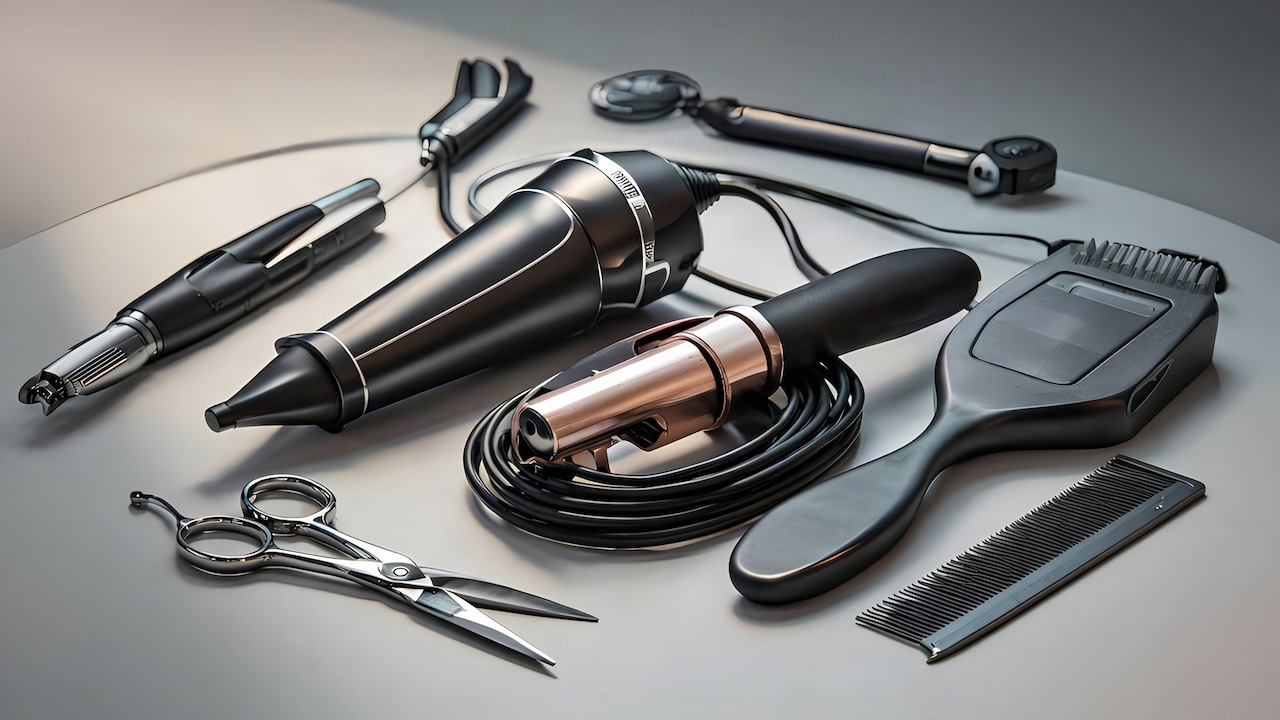
How to choose hair styling tools and what is the right time to buy
Sale season is one of those things that feels like a good time to buy a styling tool , until you get home and realise the sixty percent discount was off a price nobody was ever actually paying. Hair tools are one of the more common categories where inflated original prices make ordinary discounts look like something they are not, and figuring out which deals are real takes a bit more digging than most people bother with.
Is sale season actually a good time to buy a styling tool?
Photo Credit: iStock
If you have been sitting on the fence about picking up a straightener, a crimper, or a multi-styler during an upcoming sale , the answer is not really yes or no. It depends on what you are looking at and whether the spec on the discounted version is actually worth buying at any price. This guide goes through how to read a sale deal on a styling tool , what to prioritise, what to skip, and how to spot the difference between a genuine saving and a discount that is mostly theatre.
Also Read: What Are The Top Hair And Beauty Tools Every College Student Should Own
How Do Sale Season Prices Work For Styling Tools?
Most styling tools on Indian e-commerce platforms carry an MRP that nobody pays, and the discount percentage is calculated off that number. An MRP of five thousand with a sixty percent off tag could still be more expensive than the actual market rate you would find by looking at a few different listings or checking the price history tool available on most browsers as an extension.
The second thing that happens during sale season is that brands push older inventory. Last season's crimper or a styling tool that did not sell well through the year gets discounted more aggressively, and it is worth asking why. Sometimes it is just clearance. Other times it is because a better version launched and the older one has limitations you would notice quickly.
When Is It Worth Buying A Styling Tool On Sale?
Not every sale purchase is a mistake, and there are genuinely good reasons to pick up a styling tool during a sale if you know what to check.
Step 1: Understand When The Deal Is Real
A genuine deal on a styling tool involves a meaningful discount off a price that the tool was actually selling at in the recent past. Price history tools and tracker extensions make this easy to verify, and it is worth doing before assuming any percentage off is real. Ceramic and tourmaline tools from established brands that have been stable in price for months and then drop significantly during a sale event are generally the most legitimate deals to chase.
Step 2: Know When To Wait
Buying a styling tool on a deal that runs every month is not really a deal , it is just a standard price with a sale badge on it. If the tool has been at that same discounted price for a few months before the sale, waiting for the sale added no value. The products worth waiting for are the ones that hold their price between events and genuinely drop during major sale windows.
What Specs Should You Prioritise In A Sale Styling Tool?
Price is the starting point of a sale decision, but it should not be the ending point. A cheap styling tool that damages hair over six months costs more than a slightly more expensive one that does not.
Step 1: Look At The Plate Or Barrel Material
Ceramic and tourmaline coatings matter for everyday hair health in a way that shows up over months, not one session. Ceramic heats evenly and reduces hot spots that cause breakage. Tourmaline adds negative ion release that cuts down on frizz without the hair needing to work as hard. Metallic or uncoated plates heat unevenly and the difference is genuinely noticeable on fine or damaged hair. A sale on a tool with poor plate quality is not a saving regardless of the percentage off.
Step 2: Consider Their Limitations
Sale season is also when tools with no temperature control, short cords, or missing auto shut-off end up prominently featured because they can be priced very low. Missing auto shut-off is a safety issue. A cord shorter than 1.5 metres is a practical nuisance in most bathrooms. No temperature control means the tool runs at a fixed heat that may be wrong for your hair type. These are not features to trade off for a lower price.
Seasonal Sale Vs Year-Round Availability: What Actually Changes?
The honest answer is that for popular styling tools from mainstream brands, the price difference between a sale and non-sale period is often smaller than it looks.
For lesser-known or newer brands , sale season is sometimes when they choose to launch at a discounted price to build initial reviews and ranking. Those can be genuinely good value if the spec is solid. For established brands like VEGA, Bombae, or Winston, the discount is usually real but smaller, ten to twenty percent rather than the sixty or seventy percent that headline sale numbers imply. Setting a realistic expectation of what constitutes a good deal for the type of tool you are looking at saves disappointment when the actual saving turns out to be four hundred rupees off a three thousand rupee tool.
A lot of people end up buying something they did not actually need because the timing felt urgent , and the styling tool they already own would have been fine for another year.
How Can You Avoid Making A Bad Styling Tool Purchase During Sales?
The combination of countdown timers, flash deals, and limited stock banners is designed to shortcut careful decision-making. A few habits make it easier to stay level-headed.
1. Check The Price History Before Any Purchase
Browser extensions that track price history on Amazon are free and take thirty seconds to install. Checking the 90-day price graph on any styling tool before buying eliminates the inflated MRP problem entirely. A tool that was at the same price last Tuesday is not on sale today no matter what the badge says.
2. Read The Negative Reviews Specifically
Positive reviews on styling tools are easy to inflate through early incentivised purchases. Negative reviews from verified buyers who have used the tool for three to six months tell you what actually goes wrong. Common patterns in negative reviews, like the coating peeling, the heat cutting out, or the cord fraying, matter more than the star average.
3. Compare Watt Ratings Honestly
Wattage in styling tools correlates with consistent heat maintenance. A lower-watt tool will lose temperature faster between passes during a session, which means more passes and more cumulative heat exposure for the hair. During sales, high-watt tools are often discounted less than low-watt ones because the margin is thinner, but they are usually the better value over time.
4. Do Not Buy A Tool You Were Not Already Considering
Sale season is the moment when people who were not looking for a volumiser end up buying a volumiser because it had a good discount. Only tools you had an actual need for before the sale started belong in the cart. Buying because the deal appeared is how styling tools end up unused in a drawer by March.
Should You Buy A Styling Tool This Sale Season?
The answer is yes if you have a tool in mind, you have checked the actual price history, the spec matches your hair type, and the current price is lower than it has been in at least the past month. That combination of conditions is genuinely met by some products during some sale events , and those are real deals worth taking.
The answer is no if the urgency is coming from the timer on the listing, if you have not checked what the tool was actually selling for a week ago, or if you are buying a type of tool you have never owned before without knowing whether you will actually use it. Sale season works best for people who already know what they want and are waiting for the price to move, rather than for people who are figuring out what they want in the middle of a flash sale window.
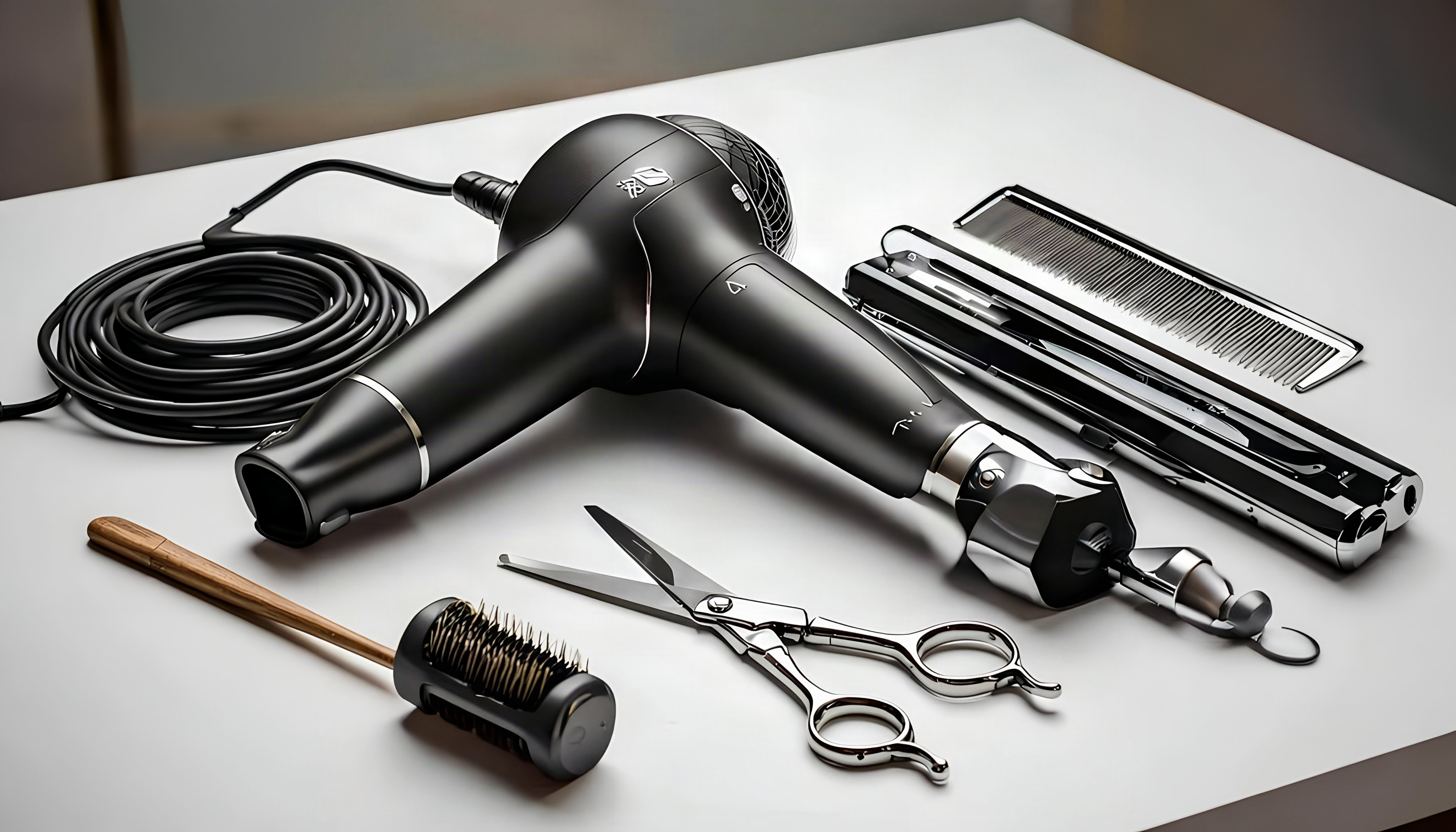
Seasonal Sale Vs Year-Round Availability: What Actually Changes?
Photo Credit: iStock
Some Styling Tool Products You May Like
1. Heatwave Hair Straightener Anti-Frizz Smoothing
2. Urban Hair Brush Straightener Volumizer
3. VEGA Classic Hair Crimper
4. Tash Hair Straightener Multi-Styler
5. Professional Tourmaline Hair Straightener
6. Professional Tourmaline Hair Straightener
7. BOMBAE Volumizer Straightener Ceramic Frizz-Free
8. WINSTON Hair Styling Blow Brush
Frequently Asked Questions (FAQs)
1. Is sale season actually a good time to buy a styling tool?
Sometimes. It depends on whether the price has actually dropped from what the tool was selling at recently, not just from an inflated MRP. Checking price history before buying is the only reliable way to know whether a sale price is genuinely lower or just normally priced with a badge on it.
2. What plate material should I look for in a discounted styling tool?
Ceramic or tourmaline-coated plates are worth prioritising even at a slightly higher price. They distribute heat more evenly and cause less long-term damage than uncoated metallic plates. A discount on a tool with poor plate quality is not really a saving over time.
3. Are sale prices on hair tools always real?
Not always, honestly. Many styling tools carry an MRP that is significantly higher than the actual selling price, which makes percentage discounts look larger than they are. Price tracker extensions on browsers can show the 90-day price history on any Amazon listing in seconds, and that is worth checking before assuming any deal is what it appears to be.
4. Should I buy a styling tool type I have never used before during a sale?
It's better to try before you commit during a sale. Buying a new tool type because it is on sale, without knowing whether it suits your routine, is how styling tools end up unused. Sale season is more useful for buying a better version of something you already own and know you will use.
5. What features should I never compromise on regardless of the price?
Auto shut-off and adequate cord length are the two non-negotiables. Auto shut-off is a safety feature that matters every single day you forget to switch it off before leaving. A cord shorter than 1.5 metres becomes a practical nuisance in most bathrooms within a week of regular use.
(Disclaimer: This article may include references to or features of products and services made available through affiliate marketing campaigns. NDTV Convergence Limited (“NDTV”) strives to maintain editorial independence while participating in such campaigns. NDTV does not assume responsibility for the performance or claims of any featured products or services.)