Should You Buy Big Appliances During The Sale Season
Is it worth buying big appliances during the sale season? What actually changes in pricing, which deals hold up, and how to avoid buying the wrong thing.
Should You Buy Big Appliances During The Sale Season
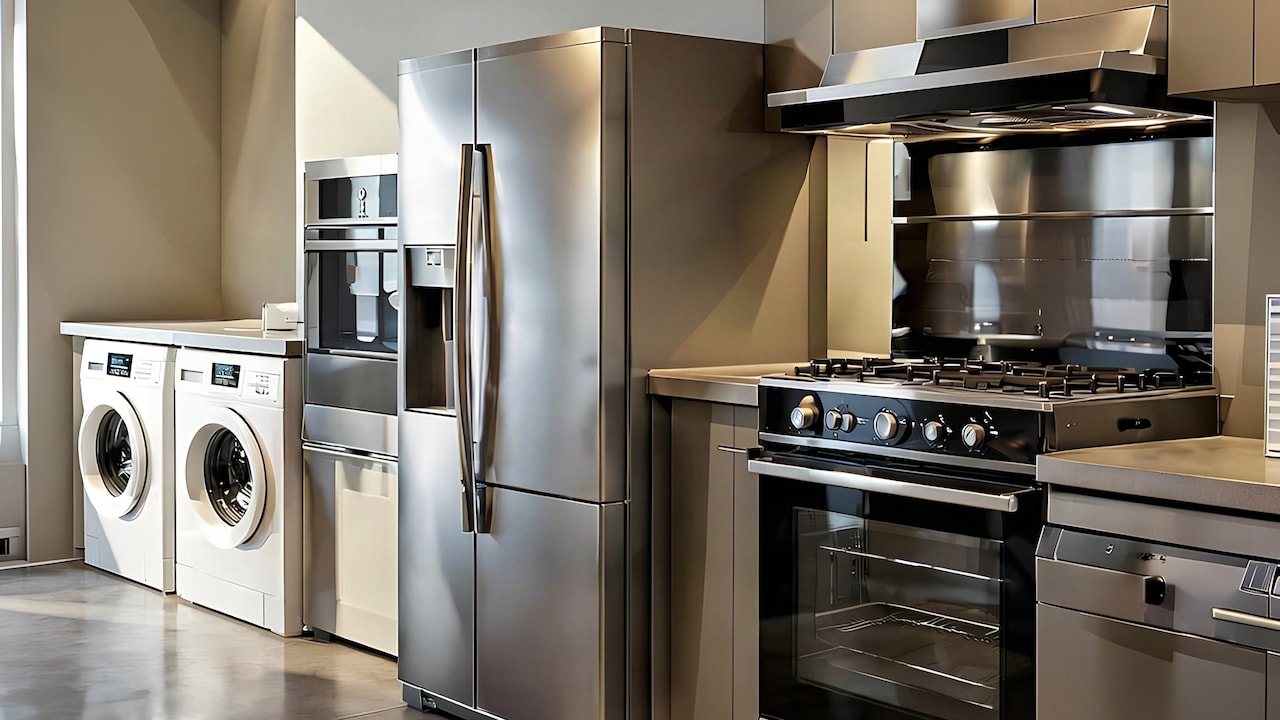
Big appliance purchases during sale season feel like a straightforward win, until you look at the price history and realise the refrigerator you just bought for thirty percent off was also thirty percent off three weeks ago with no sale banner attached. Kitchen and home appliances are one of the categories where Indian e-commerce platforms use the highest MRPs, and the gap between what something actually sells for day-to-day and what gets listed as the original price is often larger than it looks. If you have been waiting for a sale to pick up an air fryer, a mixer grinder, an induction cooktop, or something else that has been sitting on your list, this guide is not going to give you a simple yes or no. The answer depends on which appliance, which brand, and whether you have checked the price history before clicking add to cart. This is a walkthrough of how sale pricing actually works for big appliances, what to watch for, and how to make a purchase that holds up after the sale window closes.
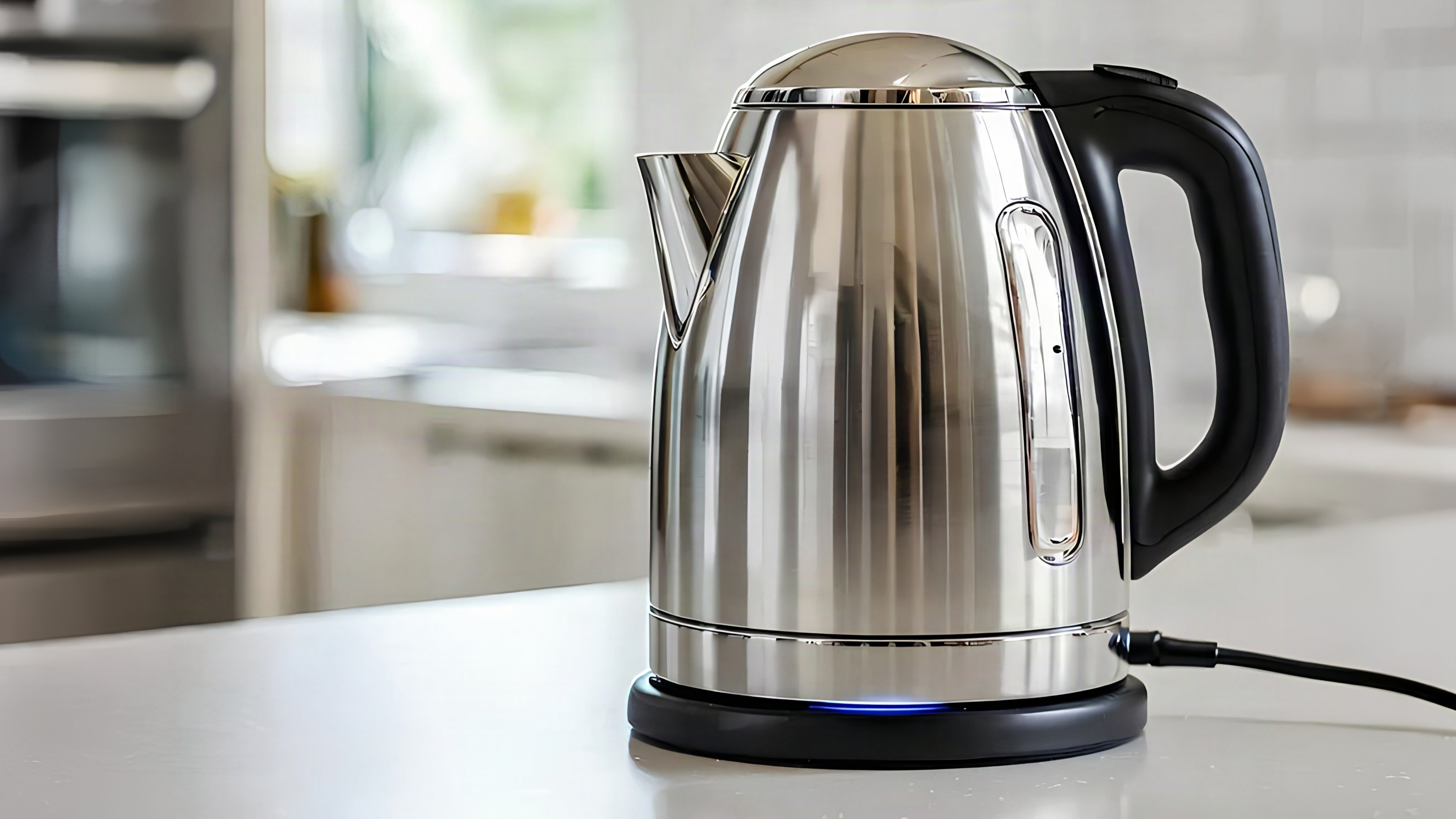
How Does Sale Season Pricing Work For Big Appliances?; Photo Credit: iStock
How Does Sale Season Pricing Work For Big Appliances?
The mechanics of sale discounts on appliances are not mysterious once you see them clearly. Brands set an MRP that is higher than the market expects to pay, the retailer runs a discount off that number, and the resulting percentage looks impressive even if the final price is close to what the product was selling for last month.
Also Read: Top 5 Home Appliances Under ₹10,000 That Are Worth A Second Look
When Is It Actually Worth Buying A Big Appliance On Sale?
Not all sale purchases are regrettable, and there are specific conditions under which buying a big appliance during a sale makes genuine financial sense.
Step 1: Understand When The Deal Is Real
A deal is real when the current price is lower than the price the same product sold for in the past 30 to 60 days. Browser extensions that show price history graphs on Amazon listings exist specifically for this check and take under a minute to use. Appliances that have held a stable price for months and then drop during a sale event are the most legitimate deals, especially from established brands, where a margin cut represents a real saving rather than just an MRP adjustment.
Step 2: Know When To Pass
The clearest signal to pass on a sale deal is when the product has been at the same discounted price for several months without any sale badge. At that point the sale adds nothing; the price was already where it is. The second signal to pass is when the product has a newer version available. Older model appliances get pushed during sales because new stock arrived, and the limitation in the older model is the reason it is being cleared rather than a true discount on a current-generation product.
How Can You Make a Better Decision on Sale Appliances?
Making a good purchase decision during a sale is mostly about slowing down the parts of the process that the sale format is designed to speed up.
1. Install A Price Tracker Before The Sale Starts
The time to install a browser extension that tracks Amazon price history is before the sale begins, not when you are staring at a deal that expires in forty minutes. Having the tool already in place means the price graph appears automatically on any listing you visit, and the decision becomes fact-based rather than urgency-based.
2. Read the One- and Two-Star Reviews
One and two-star reviews on appliances tell you the failure modes that show up after weeks or months of use. Common patterns like the plastic warping on a kettle, the motor noise on a mixer grinder increasing after three months, or the coating on an air fryer basket degrading are the things that shape whether an appliance is worth buying at any price. These reviews are available right now, before the sale, and reading them costs nothing.
3. Check Counter Space and Power Supply Before Buying
An appliance that arrives and does not fit the counter, or that trips a circuit breaker because the kitchen wiring is shared with too many other high-draw appliances, is a problem that the sale price does not fix. Checking the dimensions and wattage before buying rather than after unboxing is the one step most people skip.
4. Compare the Bundled Extras Honestly
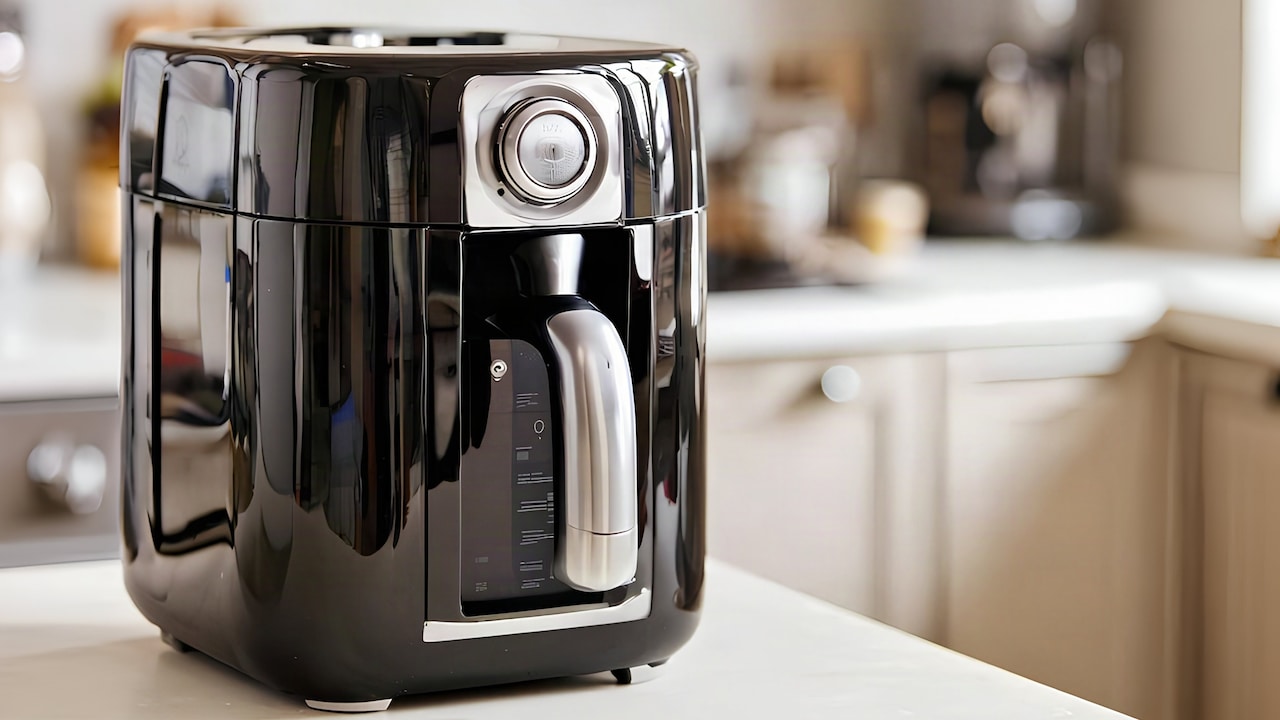
Sales on appliances often come with bundled accessories, an extra jar for the grinder, an additional basket for the air fryer, a free kettle with the OTG, and so on. These bundles sound like additional value but are sometimes filled with items the buyer does not actually need. The right comparison is the appliance price alone versus the price on a non-sale day, not the bundle price versus the hypothetical cost of buying everything separately.
Should You Buy Big Appliances This Sale Season?
The short answer is yes for kitchen and countertop appliances where a genuine price drop is visible in the history, and you have verified the warranty terms, checked the practical fit, and read the negative reviews before the sale clock started. Those conditions being met simultaneously is less common than the sale format makes it feel, but it does happen, and those are the purchases worth making.
The longer answer is that the sale format is deliberately designed to shortcut careful thinking, and any appliance purchased primarily because the discount looked large and the time was short is a purchase made on the sale's terms rather than yours. Knowing what you want before the sale, checking the price the week before, and being genuinely indifferent to the countdown timer separates buyers who come out ahead from those who spent more than they needed to on something they did not quite want.
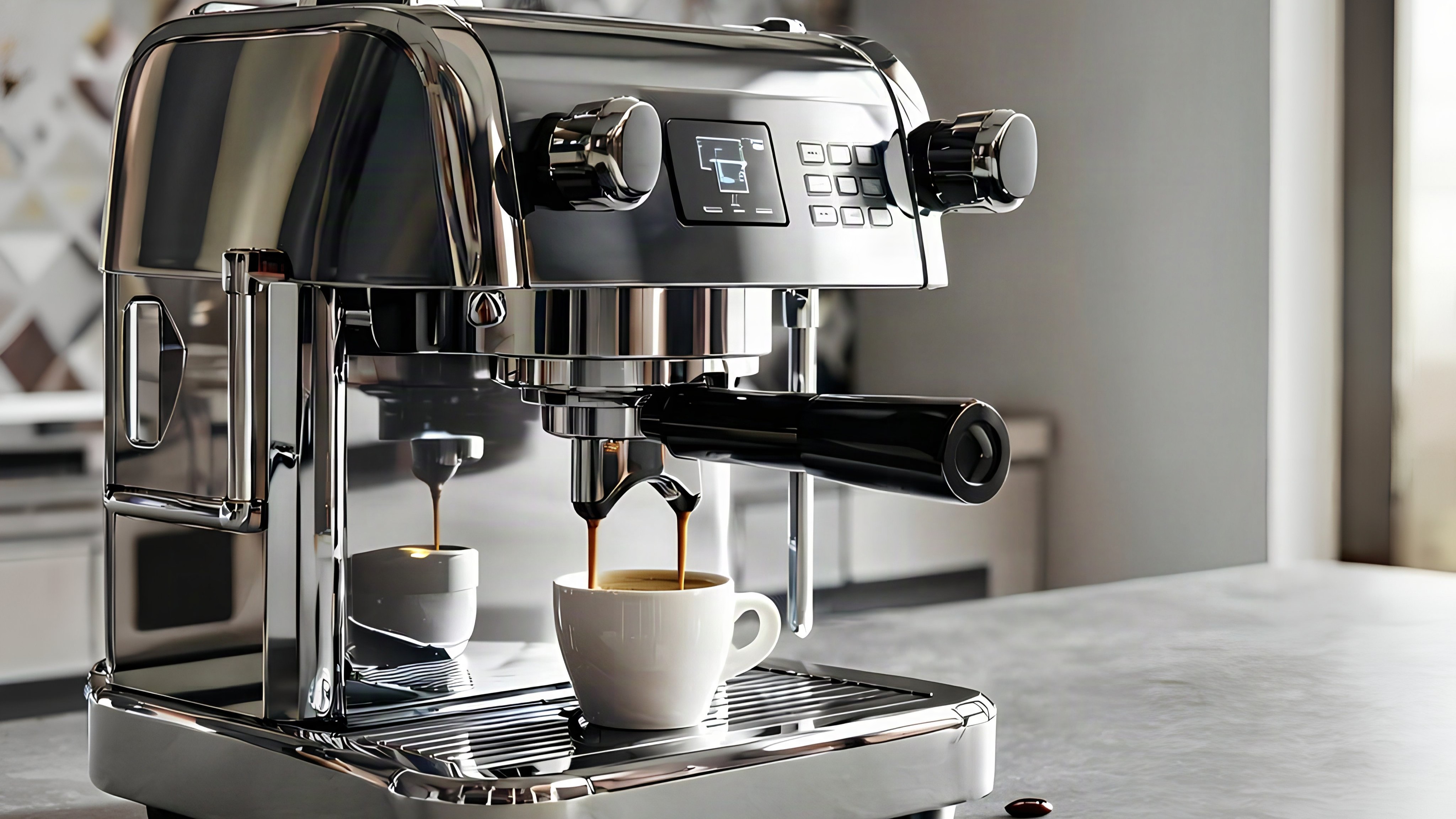
When Is It Actually Worth Buying A Big Appliance On Sale?; Photo Credit: iStock
Some Big Appliance Products You May Like
1. PHILIPS Air Fryer HD9200
2. Prestige Electric Kettle Stainless Steel
3. Glen 12 Function OTG With Rotisserie And Dehydrate
4. InstaCuppa Electric Chopper With Attachments
5. IBELL Induction Cooktop With Warranty
6. VANTRO Professional Juicer Adjustable Temperature
7. coldSky Rechargeable Portable Fan With Remote
8. Maharaja Whiteline Smart Mixer Grinder
The best buy is not always the cheapest one or the one with the longest spec sheet. Rather, it is the one that fits how you actually live. Make a single comparison, make a wise choice, and you won't regret it. All five are available on Amazon, and prices may vary with seasonal offers, so check the listing before you click that button. Shop now on Amazon.
Frequently Asked Questions (FAQs)
1. Is sale season actually the best time to buy big appliances?
For kitchen and countertop appliances, sometimes yes. The real test is whether the price has actually dropped from recent weeks rather than just from an inflated MRP. Price history tools make the price check quick, and skipping it is the main reason people feel they overpaid after the sale ends.
2. What should I check before buying an appliance on sale?
Warranty terms, price history, negative reviews, counter space or installation requirements, and power draw are the five things worth checking before any appliance purchase during a sale. If any one of these factors is wrong, it makes the deal worse, no matter how high the discount percentage is.
3. Are sale prices on large appliances always genuine?
Not always. Major white goods like refrigerators and air conditioners tend to discount less dramatically than the headline sale numbers suggest; the savings are more often bundled as free installation or extended warranty rather than direct price cuts. Smaller kitchen appliances are more likely to show genuine price movement during sale events.
4. Should I buy a brand I have not tried before during a sale just because it is cheap?
A sale is generally not the right moment to try an unknown brand for the first time on a large appliance. The returns process is more complicated, service centre availability is harder to verify, and replacement parts are less predictable. Better to wait for a genuine deal on a brand with an established service network.
5. What features should I never compromise on to get a lower sale price?
Warranty length, service centre availability in your city, and the appliance meeting your actual capacity needs are the three non-negotiables. An appliance that is too small for how you actually cook, or that has no service centre within a reasonable distance, costs you more in inconvenience than the discount you save.
(Disclaimer: This article may include references to or features of products and services made available through affiliate marketing campaigns. NDTV Convergence Limited (“NDTV”) strives to maintain editorial independence while participating in such campaigns. NDTV does not assume responsibility for the performance or claims of any featured products or services.)