Steam Irons Spitting Water On Clothes? Tank Maintenance Mistakes Most People Ignore
Steam irons often spit water because of ignored tank maintenance mistakes like hard water build-up, overfilling, and poor cleaning habits. Simple fixes can stop stains, leaks, and ruined clothes.
Why Your Steam Iron Leaks Water On Clothes And The Tank Mistakes
Steam irons rarely get much attention until they start acting up. They sit quietly in cupboards, survive festival seasons packed with endless kurta ironing, and somehow become the unsung heroes before interviews, school functions, and family gatherings. Yet, despite regular use, very few people actually maintain them properly. The biggest complaint in many homes revolves around water stains and random spurts of hot droplets landing on clothes. A clean white shirt suddenly ends up looking like it survived a monsoon splash. Panic follows. The fan goes on full speed. Someone searches for a hairdryer. Another person mutters that the iron has become useless.
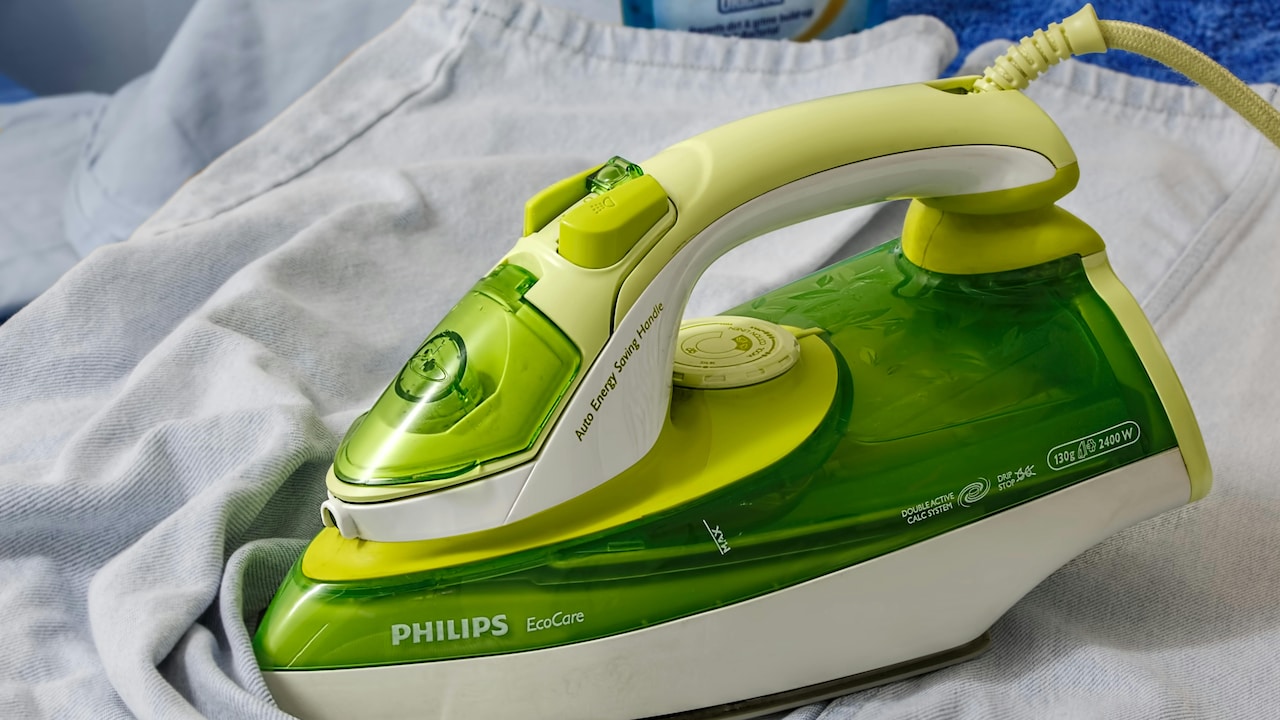
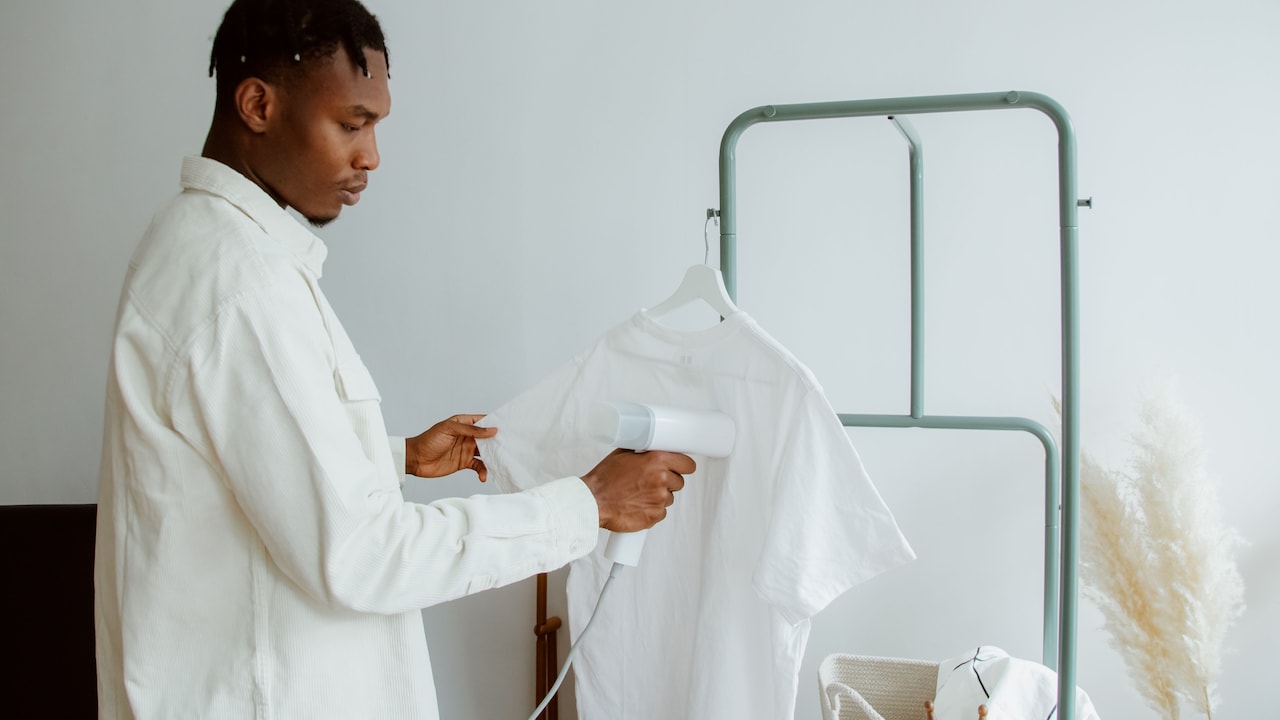
Why Your Steam Iron Leaks Water On Clothes And The Tank Mistakes; Photo Credit: Pexels
In reality, steam irons often give warning signs long before the drama begins. Strange noises, weak steam, brown stains, or leaking water all point towards neglected tank care. Most owners focus on the soleplate because it is visible, while the tank quietly collects minerals, residue, and trapped moisture inside. The good news is that steam irons do not demand expensive servicing or complicated cleaning routines. A few smart habits can prevent the most common problems. More importantly, proper maintenance saves money. Replacing a good steam iron every year can cost anywhere between ₹1,500 and ₹6,000, depending on the brand and features. That is a painful expense for something avoidable. Understanding these ignored mistakes can make ironing smoother, cleaner and far less stressful.
Tank Maintenance Mistakes That Make Steam Irons Spit Water On Clothes
Using Tap Water Without Checking Mineral Content
One of the most common mistakes begins with a simple assumption that any water works fine inside a steam iron. Technically, the iron heats water and creates steam, so many people pour ordinary tap water without a second thought. Unfortunately, mineral-heavy water slowly turns into the biggest enemy of the tank.
Hard water contains calcium and magnesium deposits. Over time, these minerals settle inside the tank and the steam vents. At first, the build-up looks harmless. Then the iron begins sputtering tiny white flakes onto clothes. Eventually, water flow becomes uneven and random droplets start escaping instead of smooth steam.
This problem becomes more noticeable in areas where water leaves chalky stains on taps and bathroom tiles. If kettles at home develop white crusts quickly, the steam iron likely faces the same issue.
Many manufacturers recommend distilled or filtered water because it reduces mineral deposits significantly. Yet some people avoid buying filtered water for ironing because it feels unnecessary. Ironically, spending ₹30 on filtered water occasionally can prevent spending thousands on a replacement appliance.
Another overlooked issue involves mixing fragrance oils or fabric fresheners into the tank. While the idea sounds clever, these additives clog the steam system and damage internal parts. Steam irons are not perfume diffusers, despite what social media hacks suggest. Clean water may sound boring, but it remains the secret behind consistent steam and spotless clothes.
Overfilling The Water Tank Before Every Use
Many users believe filling the tank to the brim improves steam performance. In reality, overfilling creates chaos inside the appliance. Steam irons require air space within the tank to regulate pressure properly. Without that space, water struggles to convert evenly into steam.
The result often appears as sudden leaks or splutters during ironing. Instead of producing dry steam, the iron throws hot water droplets directly onto the fabric. Light-coloured shirts suffer the most because every mark becomes painfully visible.
This mistake usually happens during rushed mornings. Someone preparing for work quickly pours water without checking the maximum fill line. Five minutes later, the iron behaves like an irritated pressure cooker.
Excess water also increases condensation inside the appliance. When steam cools too quickly, it returns to liquid form and drips through the soleplate holes. Many users wrongly assume the appliance is defective when the actual problem sits inside the overfilled tank.
Modern steam irons clearly mark water limits, yet these markings often disappear under poor lighting or wear off over time. Taking an extra moment to check the level prevents unnecessary frustration later.
Another common habit involves shaking the iron aggressively while ironing. Combined with an overfilled tank, this movement pushes water directly through the vents. Suddenly, the carefully ironed saree or shirt gains mysterious wet spots.
Steam irons work best with balance. Too little water weakens steam output, but too much turns the appliance into a miniature fountain.
Ignoring Regular Tank Cleaning
Most households clean the soleplate because burnt fabric residue looks ugly and affects ironing performance. However, the tank itself rarely receives attention. Months pass. Sometimes years. Meanwhile, mineral deposits quietly settle inside like unwanted guests who never leave.
A dirty tank affects more than steam quality. It also creates unpleasant smells and discoloured water stains. Brown or yellow marks on clothes often come from residue trapped inside the tank rather than dirt on the soleplate.
Regular cleaning sounds tedious, but it actually takes less time than scrolling through online shopping apps during tea breaks. Many steam irons include self-clean functions specifically designed to flush out mineral build-up. Sadly, countless owners never use them because the instruction manual disappeared long ago.
Simple cleaning methods can make a huge difference. Filling the tank halfway with water and running the self-clean mode every few weeks helps clear residue before it hardens. Some people also use diluted vinegar solutions for deep cleaning, though manufacturers sometimes advise caution depending on the model.
Ignoring tank cleaning eventually affects heating efficiency. The appliance works harder, consumes more electricity, and produces weaker steam. Clothes take longer to iron, turning a quick task into an exhausting chore.
Anyone who has battled stubborn wrinkles during summer humidity understands the frustration. The iron glides back and forth while the shirt refuses to cooperate. Often, the clogged tank sits at the centre of the problem.
A clean tank keeps steam powerful, steady, and reliable.
Why Your Steam Iron Leaks Water On Clothes And The Tank Mistakes; Photo Credit: Pexels
Leaving Water Inside The Tank After Ironing
Many people finish ironing, unplug the appliance, and place it back on the shelf without emptying the tank. It feels harmless because the water simply stays there until next use. Unfortunately, stagnant water creates multiple problems over time.
First, leftover water encourages mineral deposits to settle faster. As the water evaporates slowly, minerals remain behind and harden inside the tank. Second, trapped moisture creates conditions for bacterial growth and unpleasant odours. That strange smell during ironing often comes from stale water sitting inside for days.
This habit becomes particularly risky during humid weather. Moisture trapped inside the tank and steam channels struggles to dry properly. Eventually, rust can develop in internal metal components, especially in older models.
Some people store irons horizontally with water still inside. This positioning increases leakage risk because residual water slowly seeps into the steam vents. The next time the appliance heats up, random splashes appear on clothes.
Emptying the tank takes less than a minute, yet many skip the step out of convenience. Ironically, those same people later spend half an hour trying to remove fresh water stains from clothing before an event.
Proper storage matters too. Keeping the iron upright after emptying allows any remaining moisture to evaporate naturally. This simple habit extends appliance life considerably.
Steam irons may look sturdy, but internally they rely on delicate systems. Leaving water inside continuously stresses those components. Think of it like leaving wet laundry trapped in a washing machine overnight. Problems eventually appear.
Dry storage keeps the tank healthier and prevents surprises during the next ironing session.
Using The Wrong Temperature Settings For Steam
Steam settings confuse many users because the appliance appears straightforward at first glance. Turn it on, wait for the heat, and start ironing. However, steam irons require correct temperature levels to produce proper steam. Using steam on low heat often causes spitting and leaking.
When the iron lacks sufficient heat, water inside the tank fails to convert completely into steam. Instead, partially heated water escapes through the soleplate holes. This explains why delicate fabrics sometimes end up soaked despite careful ironing.
People often lower temperatures excessively out of fear of burning clothes. The concern makes sense, especially when handling expensive outfits before weddings or celebrations. Yet steam functions usually work best at medium or high heat settings, depending on fabric type.
Another issue appears when users press the steam burst button repeatedly before the appliance reaches full temperature. The iron responds by ejecting hot water rather than steam. Frustration follows immediately.
Modern irons usually include indicator lights showing readiness, but impatience wins many battles in busy households. Waiting those extra thirty seconds can prevent embarrassing water marks on freshly ironed clothes.
Incorrect settings also strain internal components. The heating element works inconsistently, causing uneven steam production and increased condensation. Over time, this inconsistency contributes to tank wear and reduced performance.
Understanding fabric labels helps tremendously. Cotton and linen handle stronger steam well, while delicate synthetics require gentler settings. Matching temperature with fabric type improves ironing quality and reduces tank-related issues simultaneously.
Steam irons perform best when heat and steam remain balanced. Without proper temperature control, the appliance simply cannot function efficiently.
Forgetting To Descale The Iron Regularly
Descaling sounds like a technical maintenance procedure best left to repair shops, but it simply means removing mineral deposits from inside the appliance. Unfortunately, many people ignore this process entirely until the iron practically gives up.
Scale build-up narrows steam passages and disrupts water flow. Initially, steam weakens slightly. Then strange noises begin. Eventually, the iron spits dirty water or stops steaming altogether.
The warning signs usually appear gradually. Clothes take longer to iron. Steam feels inconsistent. White residue appears around the vents. Yet most users continue using the appliance normally, assuming ageing causes the problem.
Regular descaling prevents these issues from escalating. Many modern irons include anti-calc systems or self-cleaning features specifically designed for this purpose. Ignoring them defeats the entire design.
Homemade descaling methods often involve vinegar and water mixtures. While effective in moderation, excessive vinegar use can damage rubber seals and internal coatings. Following manufacturer guidelines remains safer.
Descaling frequency depends heavily on water quality and usage patterns. Homes using hard water may need monthly maintenance, while filtered water users can wait longer.
Skipping descaling also affects energy efficiency. Mineral-coated heating elements require more power to generate steam. Electricity bills quietly rise while performance declines.
There is also the emotional frustration factor. Few things feel more irritating than ironing a perfectly washed outfit only to discover rusty droplets splattered across it seconds before leaving home.
A properly descaled iron produces smooth, consistent steam without unpleasant surprises. It also lasts significantly longer, saving money and avoiding emergency replacement shopping trips.
Storing The Iron Incorrectly Between Uses
Storage habits influence steam iron performance far more than most people realise. Many owners simply wrap the cord around the appliance tightly and shove it into crowded cupboards. Unfortunately, careless storage slowly damages both the tank and internal mechanisms.
Placing the iron flat immediately after use traps residual moisture inside. This moisture settles around the steam vents and encourages mineral build-up. Over time, leakage problems become more frequent.
Cord damage creates another hidden issue. Tight wrapping strains electrical connections and sometimes affects heating consistency. An iron struggling to maintain a steady temperature often produces uneven steam and random water spurts.
Some people store irons near windows or balconies where humidity fluctuates constantly. Moisture exposure accelerates rust formation inside metal components. During the monsoon season, this problem becomes particularly noticeable.
Dust also deserves attention. Open steam vents attract fine particles when appliances sit unused for weeks. Once heated, trapped dust mixes with moisture and exits through the soleplate. The result usually appears as dirty marks on clothing.
Proper storage does not require fancy accessories or expensive cabinets. Keeping the appliance upright in a dry space works perfectly. Allowing it to cool fully before storing also prevents condensation issues.
Another overlooked habit involves storing irons with partially open tank caps. This invites dust and insects into the water compartment. Tiny contaminants eventually clog steam channels and reduce performance.
An iron may look tough externally, but its internal system remains surprisingly sensitive. Respectful storage habits protect those components and reduce the likelihood of embarrassing wardrobe disasters later.
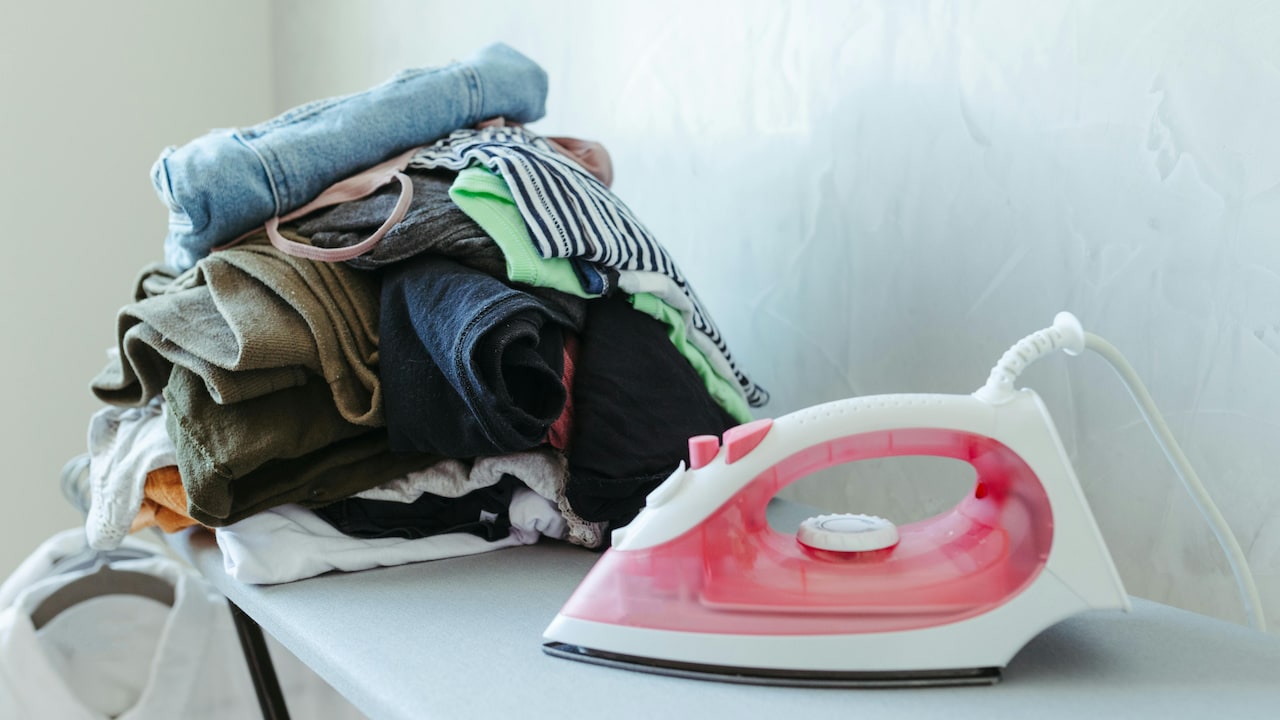
Why Your Steam Iron Leaks Water On Clothes And The Tank Mistakes; Photo Credit: Pexels
Skipping Manufacturer Instructions Entirely
Instruction manuals rarely receive much love in households. Most people open appliance boxes, throw aside the booklet, and begin using the product immediately. Steam irons suffer heavily from this habit because different models often require specific care routines.
Some irons support tap water, while others strongly recommend distilled water. Certain models include anti-drip systems that only work under particular temperature settings. Ignoring these details creates unnecessary problems that owners later blame on poor manufacturing.
The funniest part is how many people search online for solutions while the exact answer sits quietly inside the forgotten manual drawer beside expired warranty cards and mystery charger cables.
Manufacturers design maintenance instructions based on internal engineering. Following recommended cleaning schedules, water types, and storage methods significantly improves performance.
Another overlooked issue involves incompatible cleaning hacks shared online. Viral tricks using toothpaste, salt, baking soda, or aggressive chemicals may damage protective coatings or block steam vents permanently.
Steam burst functions also differ across models. Excessive use in some appliances causes condensation build-up and leakage. Yet many users repeatedly press the steam buttons like arcade game controls during stubborn wrinkle battles.
Understanding the appliance properly helps avoid these mistakes. Even spending ten minutes reading the manual can prevent years of frustration.
There is also a financial angle. Warranty claims sometimes fail when improper usage causes damage. Nobody enjoys hearing that a ₹4,000 appliance cannot receive free servicing because maintenance instructions were ignored.
Modern steam irons include features specifically designed to improve convenience. Using them correctly transforms ironing from a stressful task into a smoother household routine.
Using The Iron Immediately After Refilling
Refilling the tank midway through ironing seems harmless. Water runs low, the user tops it up quickly, and ironing continues immediately. However, this rushed habit often triggers sudden spitting and leaking.
Freshly added water lowers internal temperature temporarily. The heating system needs a moment to stabilise before generating proper steam again. Without that recovery time, the appliance pushes partially heated water through the vents.
This issue becomes obvious during heavy ironing sessions before festivals, weddings, or family events when multiple outfits need urgent attention. Impatience takes over, and the iron responds with wet patches across freshly pressed clothes.
Temperature shock also stresses internal components. Repeatedly adding cold water to a hot system encourages condensation and mineral accumulation over time.
Some users even refill directly from refrigerated water bottles during the summer. While refreshing for humans, icy water shocks heating elements unnecessarily and disrupts steam consistency.
Allowing the appliance a short reheating period after refilling makes a noticeable difference. Waiting patiently for indicator lights or temperature recovery ensures smoother steam production.
Another hidden issue involves accidental overfilling during quick refills. Distracted users pour too much water while multitasking, leading straight back to leakage problems.
Ironing already tests patience on humid afternoons when clothes wrinkle faster than they can be folded. A misbehaving steam iron only amplifies that frustration.
A few extra moments after refilling help maintain consistent steam pressure and protect clothing from unexpected water marks.
Treating Steam Irons Like Indestructible Appliances
Steam irons often survive years of rough handling, which creates the illusion that they are nearly indestructible. People bang them against ironing boards, yank cords aggressively, and continue using them despite obvious warning signs.
Unfortunately, durability has limits.
Ignoring small problems usually leads to larger failures later. A tiny leak today can become a complete steam failure within months. Weak steam output may indicate clogged vents or internal scale build-up already affecting performance.
Many users continue ironing despite hearing unusual clicking sounds or noticing inconsistent heating. Appliances rarely repair themselves, yet people somehow expect steam irons to recover magically overnight.
Dropping irons also causes internal tank damage even when external surfaces appear fine. Tiny cracks or loosened seals eventually trigger water leakage issues. Since the damage stays hidden initially, owners often blame water quality or temperature settings instead.
Another common mistake involves forcing stubborn cords into awkward positions during storage. Electrical strain gradually affects heating consistency and steam generation.
Regular maintenance checks help spot problems early. Looking for residue near steam holes, checking for leaks, and monitoring steam quality takes only moments but prevents expensive repairs.
Household appliances perform better when treated with basic care. Steam irons especially rely on balanced heat, water flow, and clean internal systems. Neglecting those needs guarantees performance decline sooner or later.
Nobody wants an iron malfunctioning moments before an important meeting or a celebration outfit change. Yet many of these stressful situations stem from months of ignored maintenance habits.
A little care keeps the appliance reliable, efficient, and ready whenever wrinkle emergencies appear.
Products Related To This Article
1. Philips Steam Iron
2. Usha 3713 1300Watt Steam Iron with Self Cleaning Function
3. Bajaj MX 3 Neo Steam Iron
4. Tefal Maestro Plus Steam Iron
5. Havells Glaze 1250 Watts Steam Iron with Self-Cleaning Function
6. Wipro Elato GS 208 1250 W Steam Iron With 160 Ml Water Tank
7. Tefal Express Steam Iron | No.1 Ironing Brand in Europe
Steam irons rarely demand attention until they start spraying water across clothes like tiny indoor fountains. By then, frustration levels rise quickly, especially when precious outfits are under attack minutes before heading out.
The surprising truth is that most steam iron problems begin with simple tank maintenance mistakes. Hard water deposits, skipped cleaning routines, overfilling, improper storage, and ignored descaling quietly build trouble over time. These habits may seem minor individually, but together they slowly damage performance and shorten appliance life.
Fortunately, preventing these issues does not require expensive servicing or technical expertise. Using cleaner water, emptying the tank after use, cleaning regularly, and respecting temperature settings can dramatically improve reliability. Small changes often deliver the biggest results.
A well-maintained steam iron works smoothly, produces consistent steam, and keeps clothes looking sharp without unexpected stains or leaks. More importantly, it saves money and avoids the stress of replacing appliances unnecessarily.
Ironing may never become anyone's favourite household chore, especially during humid weather when wrinkles seem immortal. Still, a properly maintained steam iron makes the task far less annoying and far more efficient.
Sometimes, the difference between crisp clothes and embarrassing water stains comes down to a neglected little water tank hiding inside the appliance.
(Disclaimer: This article may include references to or features of products and services made available through affiliate marketing campaigns. NDTV Convergence Limited (“NDTV”) strives to maintain editorial independence while participating in such campaigns. NDTV does not assume responsibility for the performance or claims of any featured products or services.)