Why Silicone Baking Mats Are Replacing Butter Paper For Home Bakers
Home bakers are increasingly swapping butter paper for silicone baking mats. Reusable, eco-friendly, and reliable, these flexible mats simplify baking while delivering better results and long-term savings.
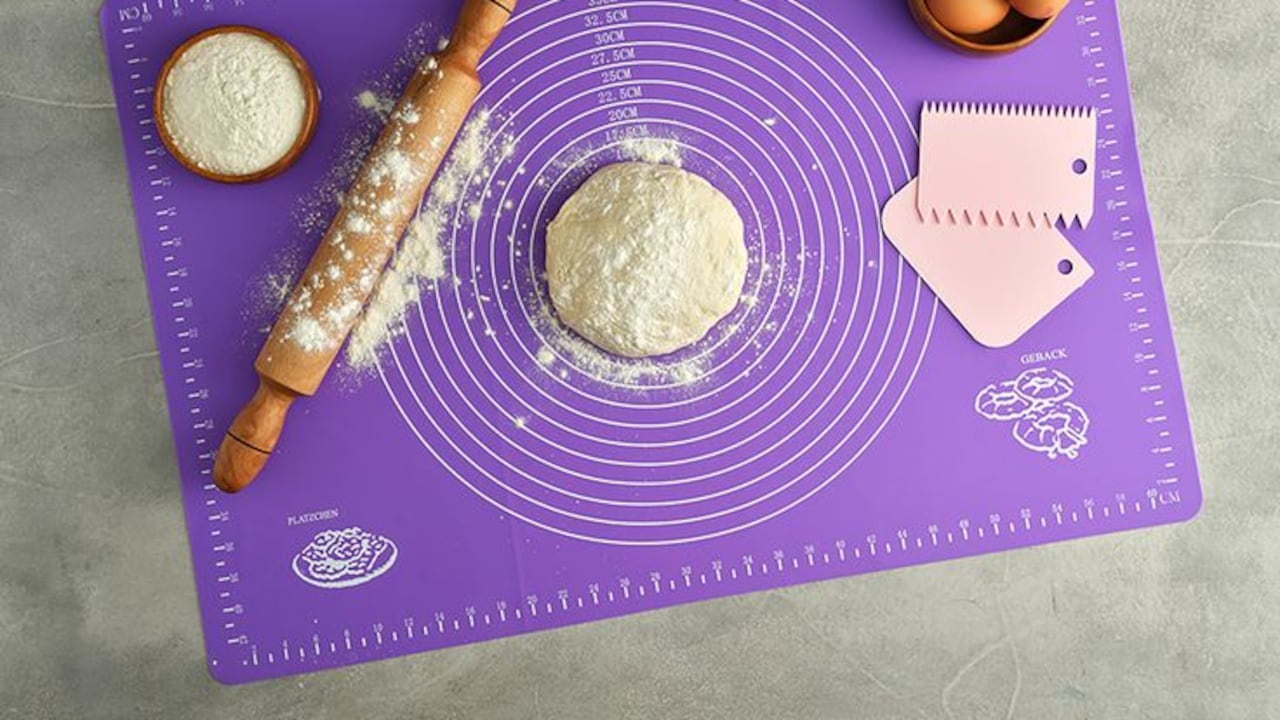
The Rise Of Silicone Baking Mats: Why Home Bakers Prefer Them Over Butter Paper.
Weekend baking has slowly turned into a comforting ritual in many homes. The soft whirr of a mixer, the smell of vanilla drifting through the kitchen, and trays of cookies waiting to go into the oven create a small moment of joy in otherwise busy routines. For years, butter paper remained a trusted companion during these baking sessions. It prevented sticking, simplified cleanup, and worked well for everything from biscuits to sponge cakes.
Yet many home bakers have started to notice something new appearing in kitchen drawers and baking kits. Silicone baking mats have quietly entered the scene, and they are not leaving anytime soon. These flexible, reusable mats promise the same non-stick magic as butter paper but with added advantages that appeal to both beginners and experienced bakers.
A quick scroll through baking groups or conversations with enthusiastic home bakers reveals a clear shift. More people are choosing silicone mats for everyday baking tasks. The reasons extend beyond trend or novelty. Practicality, sustainability, and better baking performance all play a role.
Silicone baking mats do more than replace butter paper. They change the way home bakers approach baking itself. From saving money in the long run to delivering perfectly baked cookies, these mats bring small yet meaningful improvements to the kitchen.
The growing popularity of silicone baking mats raises an interesting question: why are so many bakers making the switch? The answer lies in a combination of convenience, durability, environmental awareness, and surprisingly satisfying baking results.
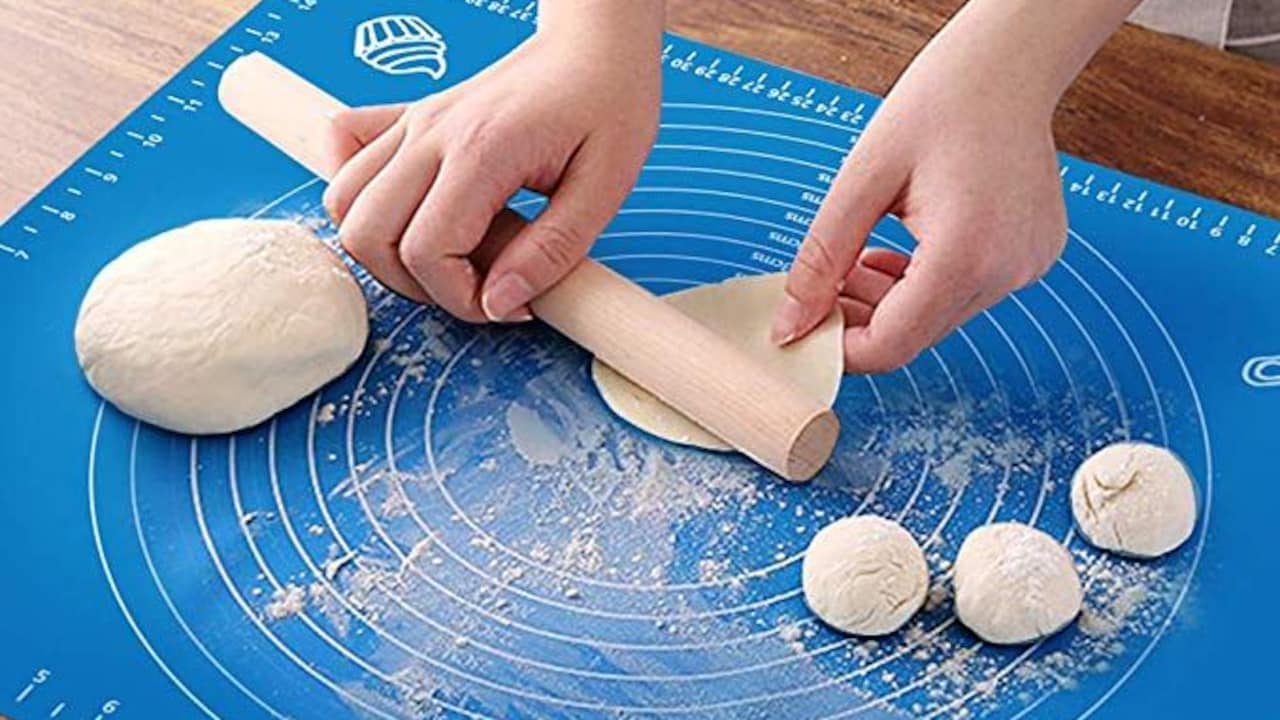
Why Silicone Baking Mats Are Replacing Butter Paper In Home Baking; Photo Credit: Pexels
The Practical Reasons Home Bakers Are Switching To Silicone Mats
Reusable Convenience That Makes Baking Easier
Butter paper serves its purpose well, but it comes with one small frustration. Every baking session requires a fresh sheet. After one or two uses, the paper usually ends up in the bin, and the cycle repeats the next time cookies or roasted vegetables appear on the menu.
Silicone baking mats completely change this routine. One mat can last through hundreds of baking sessions. Simply place it on the tray, bake, wash it, and store it for the next round. The convenience feels almost magical for anyone accustomed to tearing off sheets of butter paper.
Home bakers often appreciate tools that simplify kitchen work. A silicone mat does exactly that. No cutting paper to fit trays. No worrying about the paper curling at the edges inside a hot oven. The mat lies flat and stays in place.
Many first-time users describe a small sense of relief when switching to silicone mats. Baking becomes smoother and more predictable. A quick rinse with warm water and mild soap restores the mat to its clean state.
In busy households where baking often happens late at night or during rushed weekends, reusable tools make a real difference. Silicone mats quietly remove a tiny inconvenience and replace it with effortless reliability.
A Cost-Effective Choice Over Time
At first glance, butter paper appears cheaper than a silicone baking mat. A roll costs around ₹150 to ₹300, depending on the brand, while a good silicone mat may cost between ₹700 and ₹1,200. The price difference can make the mat seem unnecessary at first.
However, the numbers tell a different story over time. Regular bakers may go through multiple rolls of butter paper every few months. Each baking session consumes a few sheets, especially when cookies bake in batches.
A silicone baking mat, on the other hand, keeps working for years. Many manufacturers claim durability of over 1,000 baking cycles when used properly. Even conservative estimates suggest a mat can last several years in a typical home kitchen.
When viewed across months of baking, the mat often becomes the more economical option. Instead of buying roll after roll of butter paper, a single purchase continues to deliver value.
This financial advantage feels particularly satisfying for enthusiastic home bakers. Baking already requires ingredients, equipment, and occasional experimentation. Saving money on a frequently used tool feels like a small victory.
Over time, silicone mats quietly prove that spending a little more upfront often reduces kitchen expenses in the long run.
Also Read: 8 Baking Tools That Can Make a Difference For Beginners
More Consistent Baking Results
Anyone who has baked cookies knows the delicate balance between golden perfection and slightly overdone edges. Small factors like heat distribution can affect how evenly the bake.
Silicone baking mats help create more consistent baking conditions. The material acts as a gentle buffer between the baking tray and the food. Instead of direct metal heat hitting the dough, the mat distributes warmth more evenly.
This difference may sound subtle, yet many bakers notice it immediately. Cookies often bake with a uniform colour, softer centres, and crisp edges. Delicate items such as macarons or choux pastry benefit especially from this stable surface.
Butter paper provides non-stick protection but does not influence heat distribution as effectively. The thin paper layer offers minimal insulation, while silicone introduces a slightly thicker barrier that improves temperature balance.
For home bakers chasing that perfect tray of cookies, this small improvement matters. Each batch emerges from the oven looking more uniform and professionally baked.
A silicone mat, therefore, becomes more than a simple replacement. It quietly upgrades baking performance without requiring extra effort.
A Sustainable Option For Conscious Kitchens
Kitchen habits increasingly reflect a broader awareness of environmental impact. Small daily choices, even something as simple as baking paper, contribute to overall waste.
Butter paper often contains coatings that make recycling difficult. After a baking session, the paper usually ends up in household waste. Frequent bakers may throw away dozens of sheets every month.
Silicone baking mats offer a refreshing alternative. Their reusable design dramatically reduces single-use waste. One mat replaces hundreds of sheets of disposable paper.
Many home bakers enjoy the sense of responsibility that comes with this switch. Baking remains a comforting hobby, yet it aligns better with environmentally conscious habits.
The impact becomes particularly noticeable in households that bake regularly for family gatherings, festivals, or school events. A single silicone mat quietly prevents piles of discarded paper from accumulating over time.
Sustainable choices often start with small steps. In the world of baking, silicone mats represent one such step. They allow kitchens to remain warm, creative spaces while reducing unnecessary waste.
Why Silicone Baking Mats Are Replacing Butter Paper In Home Baking; Photo Credit: Pexels
Superior Non-Stick Performance
The promise of non-stick baking forms the entire reason butter paper became popular in the first place. Cakes release cleanly, cookies slide off easily, and cleanup remains manageable.
Silicone baking mats elevate this experience. The surface naturally resists sticking without requiring grease or oil. Even sticky doughs behave well on silicone.
Chocolate chip cookies, caramel biscuits, and cheesy baked snacks often release effortlessly. A gentle lift with a spatula separates the baked goods from the mat without leaving stubborn residue behind.
This reliability feels especially reassuring for beginner bakers. Baking already demands attention to measurements and timing. Removing the worry of sticking reduces one more source of stress.
Butter paper can occasionally wrinkle or tear during baking, which may cause uneven surfaces or sticking patches. Silicone mats avoid these problems with their smooth and durable structure.
The result feels delightfully simple. Place dough on the mat, bake, and lift off the finished treats without drama. That small moment of satisfaction makes silicone mats feel like a quiet upgrade in the baking routine.
Versatility Beyond Just Baking
One of the most pleasant surprises about silicone baking mats lies in their versatility. Although designed for baking trays, they adapt easily to many kitchen tasks.
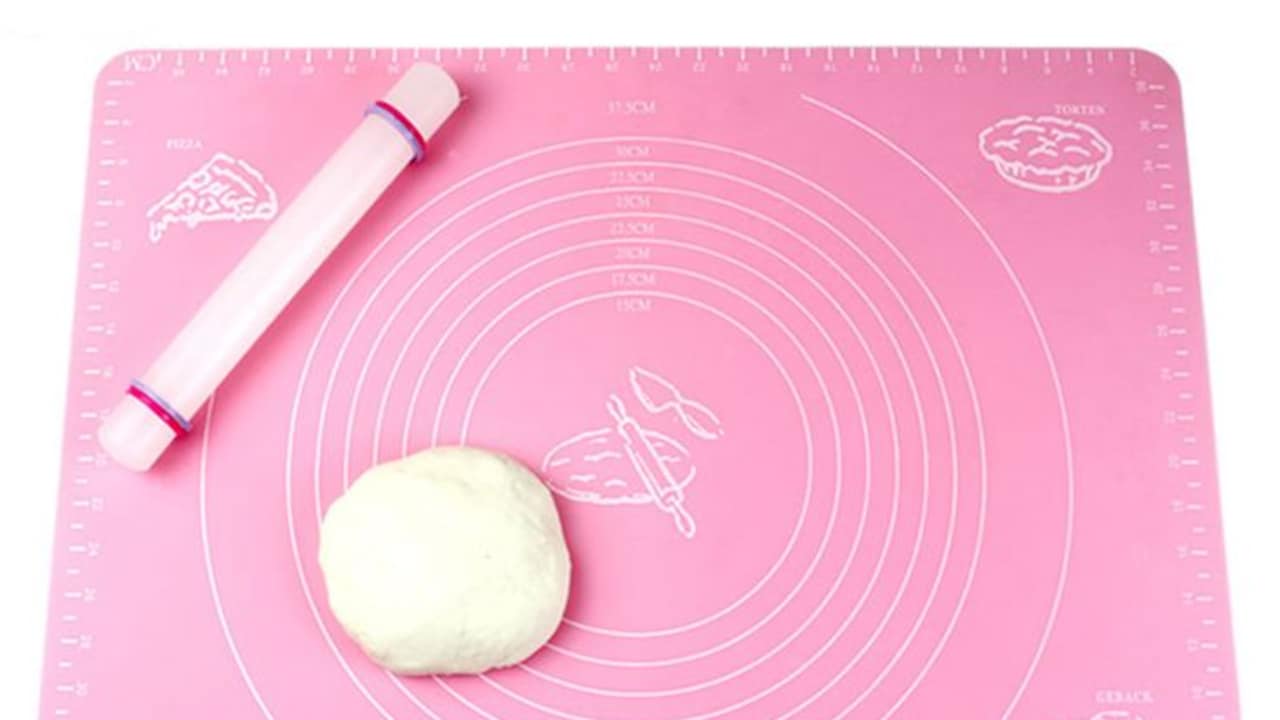
Rolling dough becomes far easier when a silicone mat provides a non-stick work surface. Cookie dough, chapati dough, and pastry crusts roll out smoothly without excessive flour.
Many bakers also use these mats for roasting vegetables. A tray of spiced potatoes or paneer tikka cooks evenly while the mat prevents burning and sticking.
Caramel and brittle preparations also benefit from silicone surfaces. Sticky sugar mixtures cool and release cleanly without damaging the work surface.
Even freezing delicate desserts becomes easier with silicone mats placed on trays. Items such as chocolate clusters or frozen yoghurt bites lift off easily once set.
This flexibility means the mat rarely stays idle in the kitchen. From baking cookies to rolling pastry, it quietly supports multiple cooking tasks.
For home cooks who enjoy experimenting, silicone mats transform into a dependable multi-purpose tool.
Easy Cleaning And Maintenance
Kitchen tools often succeed or fail based on how easy they are to clean. Complicated maintenance quickly discourages regular use.
Silicone baking mats score highly in this area. Cleaning usually requires nothing more than warm water, mild soap, and a soft sponge. Most residue slides away without much effort.
Occasionally, a mat may develop a slightly oily surface after baking buttery treats. A simple soak in warm soapy water restores its original texture.
Some mats even tolerate dishwasher cleaning, although gentle hand washing tends to extend their lifespan.
Butter paper offers convenience because it requires no cleaning at all, but that convenience leads directly to waste. Silicone mats strike a balance between practicality and sustainability.
After washing, the mat dries quickly and rolls up neatly for storage. No bulky equipment or special care becomes necessary.
For busy kitchens juggling multiple tasks, tools that clean up easily earn a permanent spot in the drawer. Silicone baking mats fit comfortably into that category.
Why Silicone Baking Mats Are Replacing Butter Paper In Home Baking; Photo Credit: Pexels
Perfect For Delicate Bakes
Certain baked treats demand precision and patience. Macarons, meringues, and lace cookies require stable surfaces that support delicate textures.
Silicone baking mats excel in this area. Their smooth surface allows delicate batters to spread evenly while maintaining shape during baking.
Macaron shells, for instance, benefit from the even heat distribution and non-stick surface of silicone. The shells lift off cleanly without cracking or sticking.
Butter paper sometimes shifts slightly on trays, especially when piping batter. This movement can distort shapes or create uneven results.
Silicone mats remain firmly in place due to their slightly grippy texture. Piping bags glide smoothly across the surface without disturbing the tray.
For bakers exploring intricate desserts, this stability proves extremely valuable. The mat quietly supports accuracy without requiring additional equipment.
Many home bakers eventually discover that silicone mats feel almost essential when working with delicate recipes.
Heat Resistance And Durability
Ovens operate at high temperatures, and baking tools must withstand repeated heat exposure. Butter paper performs well within typical baking temperatures but can burn or darken after extended use.
Silicone baking mats handle heat far more comfortably. Most high-quality mats tolerate temperatures up to 230°C or even slightly higher.
This resilience allows them to handle everything from roasting vegetables to baking crisp biscuits. The material remains stable and flexible despite repeated oven cycles.
Durability also extends to physical wear. Silicone mats resist tearing, curling, and warping. Even after months of use, the surface usually maintains its smooth texture.
For enthusiastic home bakers who experiment frequently, this durability brings peace of mind. The mat becomes a dependable companion rather than a disposable accessory.
Over time, the ability to withstand heat and repeated use reinforces the value of silicone baking mats in everyday kitchens.
A Small Upgrade That Feels Surprisingly Satisfying
Sometimes the most enjoyable kitchen improvements come from the smallest changes. Silicone baking mats fall into this category.
The first baking session with a silicone mat often produces a small moment of delight. Cookies slide off easily. The tray cleans up quickly. The mat rolls up neatly for storage.
These small conveniences accumulate over time. Baking begins to feel smoother and less cluttered. Instead of worrying about running out of butter paper, the mat quietly waits in the drawer.
Home bakers often share enthusiastic recommendations with friends after discovering this tool. A simple mat transforms routine baking into a slightly more enjoyable experience.
The appeal does not rely on flashy gadgets or expensive equipment. Silicone baking mats offer quiet practicality, the kind that improves everyday tasks without demanding attention.
In a kitchen filled with aromas of cinnamon, chocolate, and freshly baked bread, that simple upgrade feels surprisingly satisfying.
Products Related To This Article
1. Zollyss Silicone Baking Mat 2Pcs
2. Silicone Baking Mat 50x40 cm
3. Silicone Baking Mat Roti mat for Kitchen Chapati matAtta Kneading Mat
4. Zollyss Non-Stick Silicone Baking Mat Pad
5. EasyOh Silicone Pastry Mat 100% Non-Slip With Measurement Counter
The shift from butter paper to silicone baking mats reflects more than just a passing kitchen trend. It highlights how home bakers constantly search for tools that make baking easier, more reliable, and slightly more thoughtful.
Silicone mats deliver a compelling combination of advantages. They reduce waste, save money over time, improve baking results, and simplify cleanup. At the same time, they remain versatile enough to support a wide range of kitchen tasks.
For anyone who enjoys baking, whether occasional weekend cookies or elaborate festive desserts, this simple tool quietly enhances the entire experience.
Butter paper will likely remain a familiar presence in many kitchens. Yet silicone baking mats continue to earn loyal supporters with each tray of perfectly baked treats.
Sometimes the best kitchen upgrades do not arrive with fanfare. They slip quietly into the drawer, wait patiently beside the baking tray, and slowly become indispensable.
Silicone baking mats seem to have found exactly that place in modern home kitchens.
(Disclaimer: This article may include references to or features of products and services made available through affiliate marketing campaigns. NDTV Convergence Limited (“NDTV”) strives to maintain editorial independence while participating in such campaigns. NDTV does not assume responsibility for the performance or claims of any featured products or services.)