Does A Strong Motor Mean The Coupler Will Last Longer Too? 10 Mixer-Grinder Myths Explained
A powerful motor cannot protect a mixer-grinder coupler from heavy loads, poor jar placement or sudden starts. Here are ten common myths that can shorten the life of this everyday kitchen workhorse.
Does A Strong Motor Mean The Coupler Will Last Longer Too? 10 Mixer-Grinder Myths Explained
A mixer-grinder often announces trouble through a small but unmistakable sign. The motor hums, yet the blades refuse to move. Sometimes the jar rattles, produces a burning smell or makes a harsh grinding sound. Since the appliance still switches on, many households immediately suspect an expensive motor fault. Quite often, however, the modest coupler sitting between the motor and the jar has caused the disruption. The coupler transfers the motor's rotation to the blade assembly. It may look like a simple plastic or rubber part, but it regularly handles sudden torque, thick ingredients and hurried jar changes. Everyday habits can place more pressure on it than most people realise.
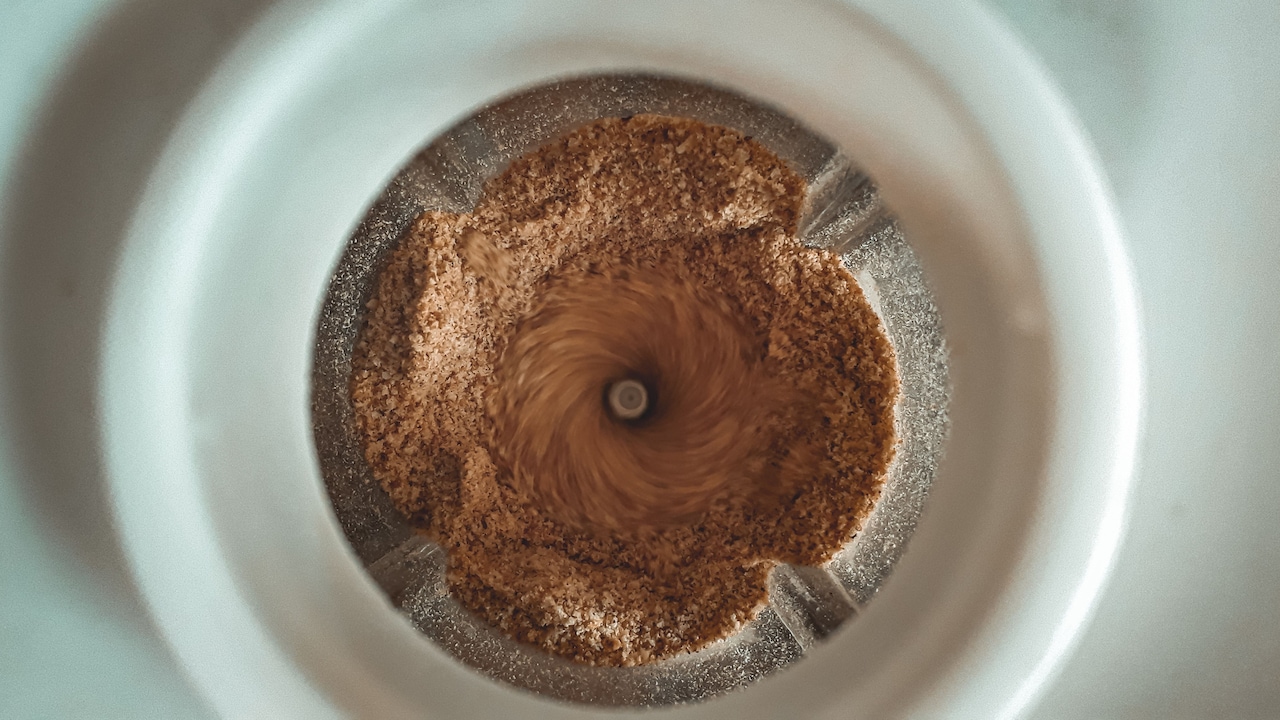
Does A Strong Motor Mean The Coupler Will Last Longer Too? 10 Mixer-Grinder Myths Explained
Photo Credit: Pexels
A higher-wattage motor doesn't automatically give the coupler a longer life. In some situations, that extra strength can expose a struggling coupler to even greater force. Understanding how the appliance works helps separate useful advice from kitchen folklore. These ten mixer-grinder myths explain why couplers wear out and how sensible use can prevent an untimely breakdown.
The Truth Behind Common Mixer-Grinder Beliefs
1. Myth: A Stronger Motor Always Makes The Coupler Last Longer
Motor strength and coupler durability don't rise together automatically. The motor creates rotational force, while the coupler transfers it to the jar's blade assembly. A powerful motor may grind tough ingredients efficiently, but it can also place greater stress on the coupler when the blades jam or the jar carries too much food.
Imagine trying to grind a dense mixture of soaked dal with very little water. If the blades struggle to turn, a high-powered motor may continue pushing force through the coupler. The motor survives because its internal components can handle the load, but the coupler's teeth may strip or crack.
Material quality, alignment, load size and operating habits influence coupler life far more than wattage alone. A well-made coupler paired with a moderately powerful motor can outlast a poor-quality one fitted to a heavy-duty model.
Motor power certainly matters when choosing a mixer-grinder. However, it tells you how effectively the appliance can process ingredients, not how long every connected component will survive.
2. Myth: Couplers Wear Out Only In Cheap Mixer-Grinders
Price can influence build quality, but an expensive appliance doesn't make its coupler indestructible. Even premium mixer-grinders use couplers as contact points between the base and jars. These parts absorb friction, pressure and minor alignment errors every time someone operates the appliance.
A costly model may feature better materials and more precise construction. Yet frequent grinding of coconut, turmeric, dry masalas or thick batter can still wear down its coupler. Careless jar placement can damage it even faster. Starting the mixer before the jar sits correctly may force the coupler teeth to collide rather than engage smoothly.
Usage patterns also matter. A basic mixer-grinder used gently for chutneys and shakes may remain trouble-free for years. A premium model used several times a day for heavy grinding can require a replacement sooner.
Price often buys better performance, stronger safety features and improved service support. It doesn't cancel mechanical wear. Treating the appliance carefully remains essential, whether it costs ₹2,000 or ₹10,000. The brand name on the base cannot protect a coupler from repeated misuse.
3. Myth: A Running Motor Proves The Mixer-Grinder Works Properly
A familiar motor sound can create false reassurance. If the appliance hums when switched on, many people assume everything inside works perfectly. Yet the motor can rotate while a worn coupler fails to transfer that movement to the blades.
Watch the jar rather than relying only on sound. If the motor runs but the ingredients remain still, the coupler may have lost its grip. Rounded teeth, cracks or surface wear can make it slip against the matching part beneath the jar. The appliance may also produce an uneven rattling or clicking sound.
Continuing to run it in this condition won't restore the connection. Instead, repeated slipping creates heat and shaves more material from the damaged coupler. Fine black or coloured particles around the jar seat can provide another warning.
Switch off the appliance, unplug it and inspect the visible coupler for obvious damage. Avoid touching or dismantling internal parts unless you have the required technical knowledge. A running motor only confirms that the motor receives power. It doesn't prove that the blades receive power safely.
4. Myth: Overloading The Jar Only Affects Grinding Quality
An overfilled jar may produce uneven chutney or leave chunks in a masala paste, but poor texture isn't the only consequence. Excess ingredients increase resistance against the blades. The motor then pushes harder, and the coupler must transfer that added force.
Thick mixtures create even greater strain. A jar packed with roasted spices may still allow some movement, while a dense paste of soaked pulses can hold the blades almost still. When the blade stalls, the coupler becomes a mechanical weak point. Its teeth may deform, slip or break under repeated pressure.
Leaving some space inside the jar allows ingredients to circulate. It also helps the blades build momentum instead of fighting a tightly packed mass. When processing a large batch, two or three smaller rounds usually protect the appliance and produce a more even result.
Adding liquid can help with suitable recipes, but pouring water blindly may spoil the dish. Pulse the mixture, scrape the sides after unplugging the appliance and continue gradually. A few extra minutes of preparation cost far less than a damaged coupler or blade assembly.
5. Myth: Any Jar That Fits The Base Is Safe To Use
Two jars may appear identical, yet their coupler height, tooth pattern and locking design can differ slightly. A jar that sits on the base isn't necessarily compatible with the mixer-grinder. Even a small mismatch can prevent the upper and lower couplers from engaging correctly.
An unsuitable jar may wobble, sit too high or require pressure to remain in place. During operation, its coupler can strike the drive coupler at an angle. That repeated contact gradually rounds the teeth and creates vibration. In a worse case, the jar may shift unexpectedly while the blades rotate.
Replacement jars from local markets often look convincing from a distance. Before buying one, check the model number and confirm compatibility with the manufacturer or an authorised service centre. Carrying the original jar or a clear photograph of its base can help, but precise model information offers better protection.
Never force a jar into position simply because its shape seems right. The correct jar should sit securely and engage without a struggle. Compatibility involves more than diameter; the hidden connection underneath determines whether the appliance operates smoothly and safely.
6. Myth: Pressing The Jar Down Harder Improves The Grip
When a jar rattles or the blades hesitate, pressing down on the lid can feel like an easy solution. Extra pressure may briefly improve contact, but it can also push misaligned couplers against each other with greater force. That hardly counts as a repair.
A jar usually needs steady support during operation, especially if the model lacks a locking mechanism. However, support and force aren't the same. Leaning heavily on the jar can strain the coupler, jar socket and motor shaft. It may also hide warning signs such as worn teeth, a damaged base or an incorrect fit.
If the mixer only works when someone presses the jar at a particular angle, stop using it and inspect the connection. Check whether food particles have collected around the seating area. Make sure the jar matches the appliance and rests evenly. A damaged jar coupler may also need replacement.
That familiar household move of holding the jar like it owes someone money may keep breakfast moving for a day, but it invites a larger fault. Proper engagement should come from correctly fitting parts, not extra body weight.

Does A Strong Motor Mean The Coupler Will Last Longer Too? 10 Mixer-Grinder Myths Explained
Photo Credit: Pexels
7. Myth: Starting At The Highest Speed Saves Time
Jumping straight to the highest setting feels efficient, especially during a busy morning. In reality, an abrupt start can send a sharp burst of torque through the coupler. Heavy or settled ingredients make this jolt more severe because the blades must overcome resistance instantly.
Beginning at a lower speed allows the ingredients to shift and the blades to gain movement gradually. Once the mixture starts circulating, you can increase the speed if the recipe requires it. The pulse setting also works well for dry ingredients, chopped vegetables and mixtures that tend to settle around the blade.
The right approach depends on the appliance and its manufacturer's guidance. Some modern models include soft-start technology, which controls the initial surge automatically. Others rely entirely on the user's speed selection.
A high setting won't always shorten grinding time. Ingredients may stick to the walls, spin above the blades or form an air pocket. Short pulses and gradual speed changes often produce better results with less strain. Treat the speed dial like a gearbox, not an emergency launch button. Smooth acceleration protects the coupler and keeps the jar more stable.
8. Myth: A Burning Smell Always Means The Motor Has Failed
A burning smell deserves immediate attention, but it doesn't automatically confirm motor failure. Friction from a slipping coupler can generate heat and create the odour of warm plastic or rubber. Food trapped near the drive socket may also heat up during operation.
The smell itself can offer clues, although guesswork shouldn't replace inspection. A sharp electrical odour, smoke or repeated tripping may point towards wiring or motor trouble. A hot-plastic smell accompanied by rattling and stationary blades may suggest coupler damage. In either case, switch off the appliance and unplug it at once.
Allow the mixer-grinder to cool before checking the accessible area around the jar seat. Remove crumbs, spice powder or dried batter with a soft, dry brush. Don't pour water into the base or poke tools near the shaft.
Avoid restarting the machine repeatedly to “see if the smell goes away”. Each attempt may worsen the damage. A technician can identify whether the fault lies in the coupler, motor, wiring or blade assembly. Early attention often turns a frightening smell into a relatively small repair.
Also Read: Top 5 Mixer Grinders For Indian Cooking Under ₹3,000
9. Myth: Regular Oil Will Keep The Coupler Running Smoothly
Lubricating every moving part sounds sensible, but household oil doesn't belong on the exposed mixer-grinder coupler. Cooking oil attracts dust, spice powder and crumbs, creating a sticky layer around the drive socket. Machine oil may attack certain plastics or reach areas where it shouldn't.
The coupler needs clean, accurate contact rather than a slippery coating. Lubrication can make the teeth slide instead of grip, especially if someone applies too much. Oil may also spread onto the jar base and kitchen counter, turning a misguided maintenance attempt into a stubborn cleaning job.
Keep the coupler area dry and free from debris. Unplug the appliance before cleaning it, then use a soft brush or dry cloth around accessible surfaces. Never pour liquid directly onto the mixer base. If the shaft feels stiff or the appliance makes unusual sounds, arrange professional servicing rather than experimenting with oil.
Some internal bearings or mechanical components may require specialised lubricant during repair. A trained technician should handle that work. The bottle beside the stove may rescue a squeaky hinge, but it cannot serve as universal medicine for every kitchen appliance.
10. Myth: Coupler Damage Happens Suddenly And Cannot Be Prevented
A coupler may appear to fail without warning, but damage often builds gradually. Small signs can emerge days or weeks earlier. The jar may wobble, the blades may hesitate, or the appliance may make a clicking sound during startup. Grinding may also take longer despite the motor sounding normal.
Paying attention to these changes can prevent a complete breakdown. Place the jar properly before switching on the mixer. Avoid overloading it, remove hard seeds or stones from ingredients and add suitable liquid to dense mixtures. Never use a damaged blade assembly or force a stiff jar onto the base.
Cleaning habits matter too. Spilled batter and spice powder can settle around the coupler, interfering with proper contact. Wipe the jar base after use and keep the motor unit dry. If the blades become difficult to rotate when the jar sits empty and unplugged, the jar assembly may need attention.
No coupler lasts forever because regular use creates wear. Still, careful handling can extend its working life considerably. Most failures don't begin with dramatic smoke; they begin with a small sound that everyone chooses to ignore.

Does A Strong Motor Mean The Coupler Will Last Longer Too? 10 Mixer-Grinder Myths Explained
Photo Credit: Pexels
Products Related To This Article
1. Atomberg Zenova Mixer Grinder For Kitchen | Intelligent BLDC Motor
2. Lifelong LLMG23 Power Pro 500-Watt Mixer Grinder with 3 Jars
3. Maharaja Whiteline 500W Livo Pro Mixer Grinder with 3 Stainless Steel Jars
4. CÜRAA BlendLab by Chef Sanjyot Keer
5. Philips Stainless Steel Mixer Grinder + Food Processor
6. Nutri Blender Pro Mixer Grinder 900W | 4 Unbreakable Jars
7. Cookwell Bullet Mixer Grinder (5 Jars, 3 Blades, Silver)
A mixer-grinder's motor may provide the muscle, but the coupler performs the crucial handshake between that power and the blades. Wattage alone cannot protect it from overloaded jars, mismatched parts or rough starts. Gentle handling, correct jar placement and prompt attention to unusual sounds can prevent needless damage. Sometimes the smallest component deserves the most respect.
(Disclaimer: This article may include references to or features of products and services made available through affiliate marketing campaigns. NDTV Convergence Limited (“NDTV”) strives to maintain editorial independence while participating in such campaigns. NDTV does not assume responsibility for the performance or claims of any featured products or services.)