Top 10 Reasons Kitchen Chimney Suction Becomes Weak And How To Restore Airflow
Weak kitchen chimney suction can result from clogged filters, blocked ducts, poor installation or motor issues. Discover 10 common causes of reduced airflow and practical ways to restore strong, efficient chimney performance.
10 Reasons Kitchen Chimney Suction Becomes Weak And How To Restore Airflow
A sizzling tadka can announce dinner before anyone reaches the dining table. That aroma feels wonderful for a few minutes. When the same smell settles into curtains, cushions and yesterday's freshly washed clothes, however, the charm disappears quickly. That is where a kitchen chimney earns its place. A well-functioning chimney pulls smoke, grease particles, steam and cooking odours away from the hob. Yet suction rarely stays equally strong forever. Many households notice the change gradually. Smoke starts drifting sideways. The kitchen feels warmer. The chimney sounds louder, but somehow clears less air.
10 Reasons Kitchen Chimney Suction Becomes Weak And How To Restore Airflow
Photo Credit: Pexels
Weak suction does not always mean the appliance has reached the end of its life. In many cases, a simple blockage, neglected maintenance or unsuitable installation causes the trouble.
Also Read: Best Chimneys Under ₹5000 For Smoke-Free Cooking In Compact Indian Kitchens
Finding the reason matters because random fixes can waste both time and money. Before considering a new chimney, check these ten common causes of poor suction and the practical ways to bring healthy airflow back.
Common Causes Of Weak Kitchen Chimney Suction
1. Grease-Clogged Filters Restrict Airflow
Filters sit directly in the path of greasy cooking vapours, so they naturally collect a surprising amount of residue. Frying pakoras, making parathas, tempering dal or preparing a rich masala can send tiny oil droplets upwards. Over weeks, those droplets settle on the filter and create a sticky layer.
As grease builds, air struggles to pass through. The motor may continue running at full speed, yet the chimney pulls noticeably less smoke. This often creates the confusing situation where the appliance sounds perfectly normal but performs poorly.
Regular cleaning usually restores much of the lost suction. Baffle filters can often handle warm water and a suitable kitchen degreaser, although the manufacturer's cleaning instructions should always take priority. Let the filters dry completely before refitting them.
Cleaning frequency depends on cooking habits. A kitchen that handles daily frying needs attention more often than one used mainly for boiling or steaming.
Treat filters like the chimney's lungs. Once grease chokes those passages, even a strong motor struggles to breathe properly. Keeping them clean remains one of the simplest ways to preserve steady airflow.
2. The Chimney Duct Has Become Blocked
Sometimes the filter looks spotless while suction remains disappointing. In such cases, the trouble may sit farther inside the exhaust route.
A duct carries extracted air from the chimney towards an outside outlet. Grease particles can gradually coat its internal surface, especially when oily cooking happens frequently. Dust, debris or even pest activity near an external vent can also reduce the available passage.
Restricted ducting forces the motor to work against additional resistance. Smoke then clears slowly, and odours may linger despite the chimney running on a high setting.
Inspect accessible duct sections for visible grease deposits, crushed areas or obvious obstructions. Professional cleaning may make more sense when the duct runs behind cabinetry or through a wall. Avoid pushing random rods or sharp objects into concealed sections because they can puncture flexible ducting.
The exterior vent deserves attention as well. A jammed flap or accumulated debris can create an unexpected bottleneck.
Think of the duct as an expressway for kitchen fumes. Even the strongest chimney cannot move air efficiently when that expressway suddenly narrows to one lane.
3. Too Many Bends In The Duct Reduce Suction
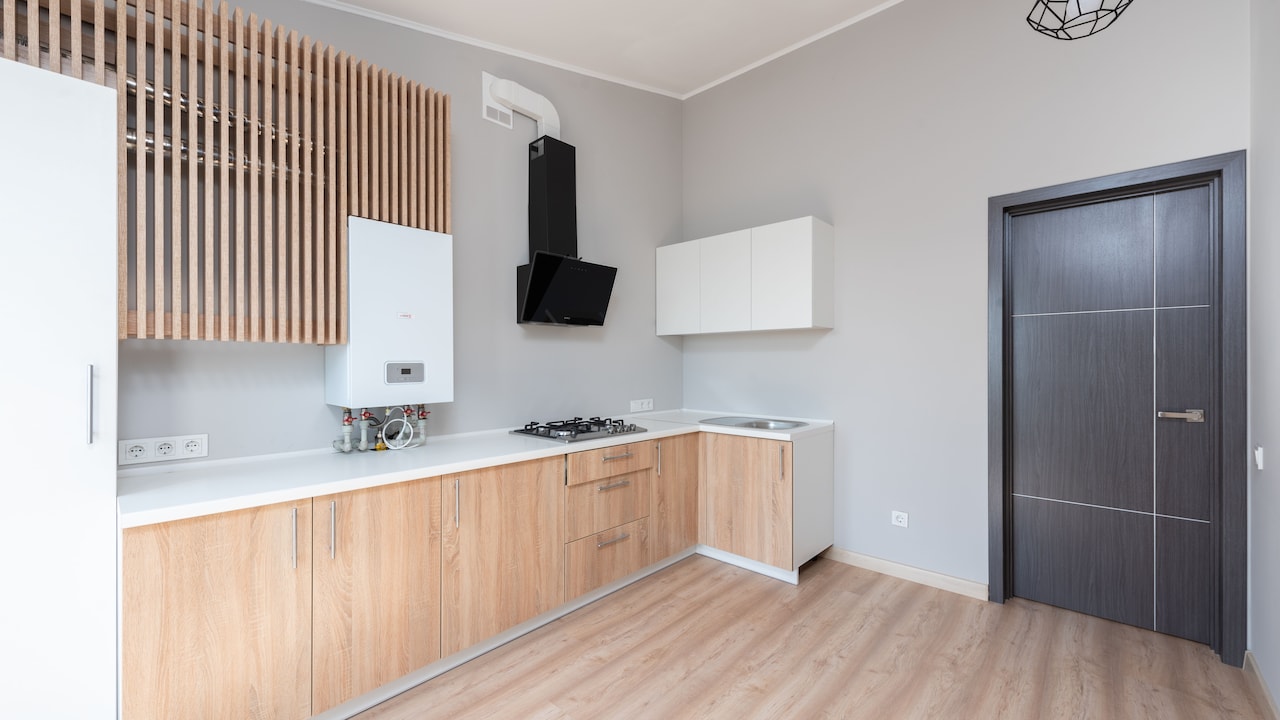
Duct layout plays a bigger role in chimney performance than many kitchen designs suggest. A beautiful modular kitchen can hide an exhaust route that twists like a hill road, and every unnecessary bend costs some airflow.
Air travels most efficiently through a short, reasonably straight duct. Sharp turns create resistance and turbulence, forcing the chimney motor to work harder. Two or three awkward bends can make a powerful appliance feel surprisingly weak at the hob.
This problem often appears after renovation. Cabinet placement may force installers to redirect the pipe around shelves, beams or storage units. The chimney still operates, so the layout receives little suspicion when suction later disappoints.
Where practical, shorten the duct and reduce the number of turns. Gentle bends usually allow smoother movement than abrupt right angles. The duct diameter should also match the appliance manufacturer's recommendation rather than shrinking midway to accommodate cabinetry.
Installation aesthetics matter, but airflow needs room to travel.
A neat cupboard is useful; a chimney that actually removes smoke is more useful. Good planning keeps both goals in balance and prevents decorative choices from quietly stealing extraction performance.
4. The Duct Pipe Is Too Narrow
A chimney can only move as much air as its exhaust path allows. Connecting a high-capacity appliance to an undersized duct creates a mismatch similar to trying to drain a bucket through a drinking straw.
A narrow pipe increases resistance and restricts the volume of air that can escape. The motor may become noisier because it works harder, while actual extraction near the hob remains weaker than expected. Kitchens with heavy frying often expose this limitation quickly because smoke production rises faster than the system can remove it.
Check the chimney manual for the recommended duct diameter. During installation or renovation, avoid reducing that size simply because a smaller pipe looks easier to conceal. Adapters that narrow the outlet can also hurt performance.
Replacing unsuitable ducting involves some effort, but it can produce a major improvement when poor pipe sizing causes the problem.
This is also why judging chimney strength purely by motor specifications can mislead buyers. Powerful suction figures mean little when the outgoing air meets a narrow exit.
Strong airflow requires the entire system to work together, from the filter and blower to the final outlet outdoors.
5. The Chimney Is Mounted Too High Above The Hob
Installation height directly affects how efficiently a chimney captures rising smoke and vapour. When the unit sits too far above the hob, cooking fumes gain space to spread sideways before entering the suction zone.
The difference becomes particularly noticeable during high-heat cooking. A sizzling kadai can release smoke quickly, and a distant chimney may capture only part of it. The rest drifts into the room, making the appliance appear underpowered even when its motor works correctly.
At the same time, placing the chimney excessively close to the hob creates other concerns, including heat exposure and installation safety. The correct distance depends on the chimney design, hob type and manufacturer's specifications.
If weak suction began after a new installation or kitchen redesign, measure the mounting height and compare it with the recommended range. Adjusting the position can greatly improve smoke capture without touching the motor.
A chimney does not need to swallow fumes from across the room. It works best when rising air reaches the intake before getting a chance to wander.
Correct positioning gives suction a head start, which matters enormously during busy evening cooking.
6. The Motor Or Blower Has Lost Performance
Chimney motors work hard. They pull warm, grease-laden air through filters and push it towards the exhaust outlet, sometimes for years. Eventually, wear can reduce their ability to maintain strong airflow.
Typical signs include weaker suction across every speed setting, unusual humming, rattling or a noticeable change in the motor's sound. The chimney may start slowly or struggle to reach its previous performance even after the filters receive a thorough cleaning.
A damaged blower wheel can cause similar symptoms. Grease accumulation may throw rotating components off balance, while worn bearings can create extra resistance.
Electrical and motor-related repairs deserve professional attention. Opening the motor housing without the right knowledge can damage components and introduce a safety risk. A qualified technician can inspect the blower, capacitor, bearings and motor condition before recommending repair or replacement.
Do not assume that every weak chimney needs an entirely new unit. Replacing one failing component may cost far less.
When the airflow path is clean but performance still feels tired, the machinery itself deserves investigation. Even dependable kitchen workhorses occasionally need more than a scrub.
10 Reasons Kitchen Chimney Suction Becomes Weak And How To Restore Airflow
Photo Credit: Pexels
7. The Chimney Capacity Does Not Match The Kitchen
Sometimes nothing is technically wrong with the chimney. The appliance simply faces a bigger job than it can comfortably handle.
Cooking intensity, kitchen size, hob width and layout all influence the amount of extraction required. A compact chimney that performs adequately over two burners may struggle above a wide hob during simultaneous frying and pressure cooking.
Open kitchens create an additional challenge because smoke and odours can travel into a larger connected space. Heavy cooking also demands more effective extraction than occasional light meals.
If suction has always felt weak rather than gradually becoming weaker, inadequate capacity may be the real issue. Compare the appliance specifications with the kitchen setup and usual cooking routine. A wider chimney that properly covers the hob can often capture rising fumes more effectively.
Running an undersized chimney permanently at maximum speed offers only limited help and usually produces more noise.
Buying purely according to cabinet width or a tempting discount can backfire later. The right chimney should suit how the kitchen actually behaves at dinner time, not how calm and spotless it looked in the showroom. Capacity matters most when the tadka starts flying.
8. Airflow Around The Kitchen Is Poor
A chimney pushes air out of the kitchen, but replacement air needs to enter from somewhere. In a tightly closed room, poor ventilation can make extraction less efficient.
This becomes more noticeable in modern homes with sealed windows and doors. When the chimney runs at high speed, it creates a pressure difference. Without enough incoming air, the appliance can struggle to maintain smooth exhaust flow.
A simple experiment can reveal the issue. Open a nearby window slightly and observe whether smoke clears faster. If suction improves noticeably, limited make-up air may be contributing to the problem.
That does not mean every door and window needs to remain wide open. Excessive cross-breezes can push cooking fumes away from the chimney before capture. The goal is controlled ventilation rather than a miniature wind tunnel beside the stove.
Kitchen planning should allow fresh air to enter without creating strong sideways drafts around the hob.
Chimneys work as part of the room, not in isolation. Giving outgoing air a sensible replacement path can improve extraction and make the space feel less stuffy, particularly during long cooking sessions.
Sometimes the appliance needs fresh air almost as much as the cook does.
9. The Blower Or Internal Housing Is Coated With Grease
Cleaning the visible filters can create a satisfying sparkle, yet grease does not always stop there. Fine oily particles may travel deeper into the chimney and settle on the blower wheel, internal housing and surrounding surfaces.
Over time, the coating can interfere with smooth blower movement and reduce the amount of air shifted during each rotation. Heavy deposits may also create imbalance, leading to vibration or unusual noise.
This hidden grease often explains why an older chimney still feels weak immediately after routine filter cleaning.
Internal cleaning needs more care than washing removable filters. Disconnecting power before any accessible maintenance is essential, and the manufacturer's instructions should guide what users can safely clean. Deep servicing often deserves a trained technician, particularly when dismantling electrical or moving components becomes necessary.
Periodic professional maintenance can remove residue from places ordinary cleaning never reaches.
The situation resembles cleaning a ceiling fan without ever touching the dust on top of its blades. The visible surface might look presentable, but performance tells another story.
A clean airflow path must include the hidden parts too, especially in kitchens where rich gravies, deep-frying and daily tempering keep grease production high.
10. Everyday Usage Habits Are Reducing Extraction
Not every suction problem comes from a mechanical fault. Small habits around the hob can influence how effectively the chimney catches smoke.
Switching the chimney on only after the kitchen has already filled with fumes makes its job much harder. Starting it shortly before high-heat cooking establishes airflow early and helps guide rising vapour towards the filters. Keeping it running briefly after cooking can also clear remaining odours and airborne grease.
Using very low fan speeds during heavy frying can produce similar frustration. Choose a speed that suits the amount of smoke rather than leaving the appliance on one familiar setting every day.
Cookware placement matters too. A pan positioned far beyond the chimney's capture area can release fumes that escape around the sides. Using the burners directly beneath the hood during smoky cooking improves collection.
Even ceiling fans can interfere. Strong airflow across the hob may blow smoke away before the chimney catches it.
These adjustments cost nothing, yet they can noticeably improve day-to-day performance. A chimney works best when cooking habits support its airflow rather than accidentally competing with it.
10 Reasons Kitchen Chimney Suction Becomes Weak And How To Restore Airflow
Photo Credit: Pexels
Products Related To This Article
1. Beyond Appliances Cube BLDC Plug N Play Ductless Kitchen Chimney
2. Faber Pluto 60 cm 1000 m³/hr Wall Mounted Kitchen Chimney
3. Glen Hood Anya Black Kitchen Chimney 60cm
4. Wonderchef Power Elite Chimney
5. Beyond Appliances Cube Pro Plug N Play Ductless Kitchen Chimney
6. Elica 60cm 1600 m3/hr Baffle Filter T-Shape Kitchen Chimney
7. Livpure Fenix 60 cm | T-Shape Chimney
Weak kitchen chimney suction rarely appears without a reason. Grease-clogged filters, dirty ducts, excessive pipe bends, incorrect installation height and poor ventilation can all reduce airflow. Motor wear and inadequate chimney capacity may also play a role, especially when basic cleaning makes little difference.
Start with the simple checks. Clean the filters, inspect accessible vents and notice whether opening a window improves extraction. Pay attention to unusual sounds and changes in performance. When the problem involves internal components, concealed ducting or electrical parts, professional servicing offers the safer route.
Regular maintenance prevents many of these problems before they become frustrating. It also helps the chimney work efficiently during the moments when it matters most, whether someone is frying Sunday breakfast, preparing a spicy evening curry or handling three pans at once before guests arrive.
A good chimney should quietly remove the evidence of energetic cooking, not become another thing demanding attention. Keep the airflow path clean, give the motor sensible working conditions and use the appliance thoughtfully. The reward is simple: less smoke, fewer stubborn smells and a kitchen that feels pleasant long after the last tadka hits the pan.
(Disclaimer: This article may include references to or features of products and services made available through affiliate marketing campaigns. NDTV Convergence Limited (“NDTV”) strives to maintain editorial independence while participating in such campaigns. NDTV does not assume responsibility for the performance or claims of any featured products or services.)