Wet And Dry Vacuums For Balcony Cleaning: How Much Suction Power Do You Really Need?
Wet and dry vacuums make balcony cleaning easier, but how much suction is actually needed for tiles and tight corners? A practical guide to choosing the right power for efficient, hassle-free cleaning.
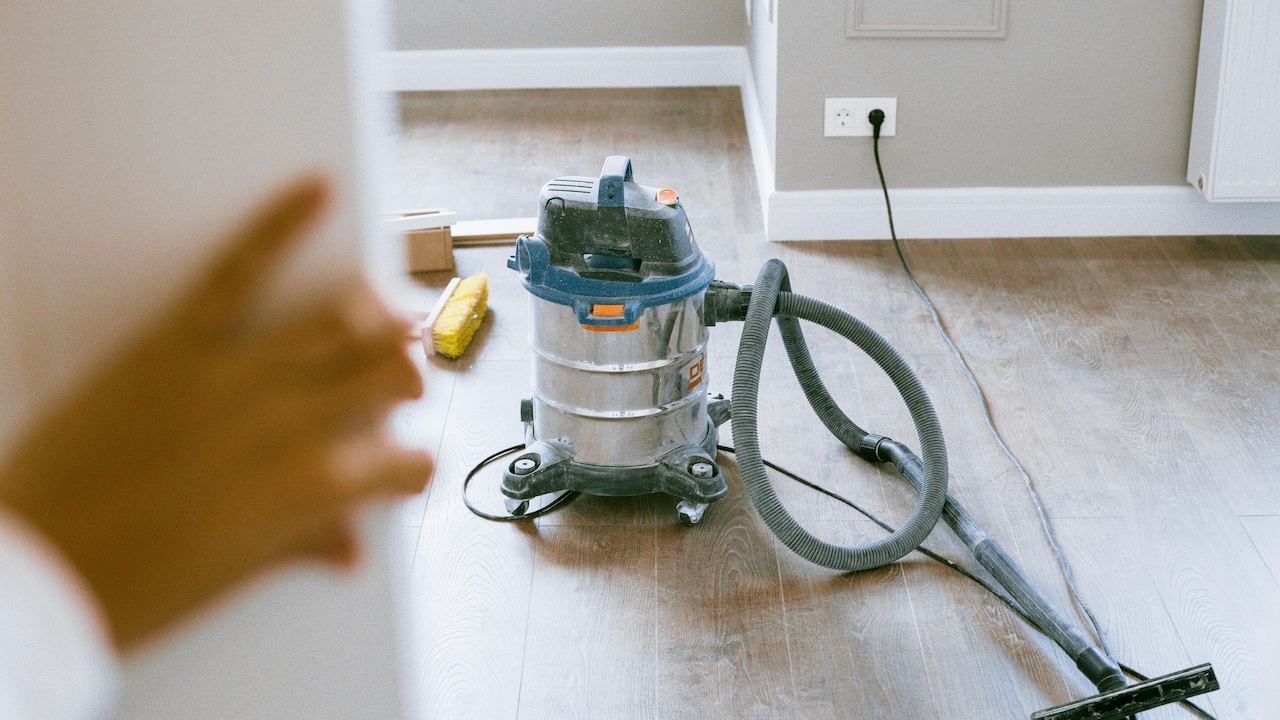
Wet And Dry Vacuums For Balcony Cleaning: How Much Suction Is Enough For Tiles And Corners? Check Now.
Balconies occupy a special place in urban living. They host evening chai conversations, drying clothes, small gardens, and sometimes even impromptu workouts. Yet they also attract an impressive amount of dirt. City dust drifts in daily, monsoon winds leave muddy footprints, and pigeon feathers appear as if delivered by express courier.
Traditional sweeping often pushes dirt from one corner to another. Mopping helps, but struggles with textured tiles or narrow edges. Enter the wet and dry vacuum cleaner, a device that promises to handle both dust and liquid mess without complaint. The idea sounds simple: stronger suction equals better cleaning. Reality, however, proves slightly more nuanced.
Choosing suction power involves understanding tile surfaces, debris types, balcony size, and cleaning habits. Too little suction leaves grit behind. Too much can feel unnecessarily loud, heavy, and expensive. The goal lies in balance, enough power to lift stubborn dirt while remaining practical for regular use.
This discussion explores what suction really means, how it affects balcony cleaning, and how households can select a vacuum that performs efficiently without overspending. Because a balcony should invite relaxation, not cleaning anxiety.
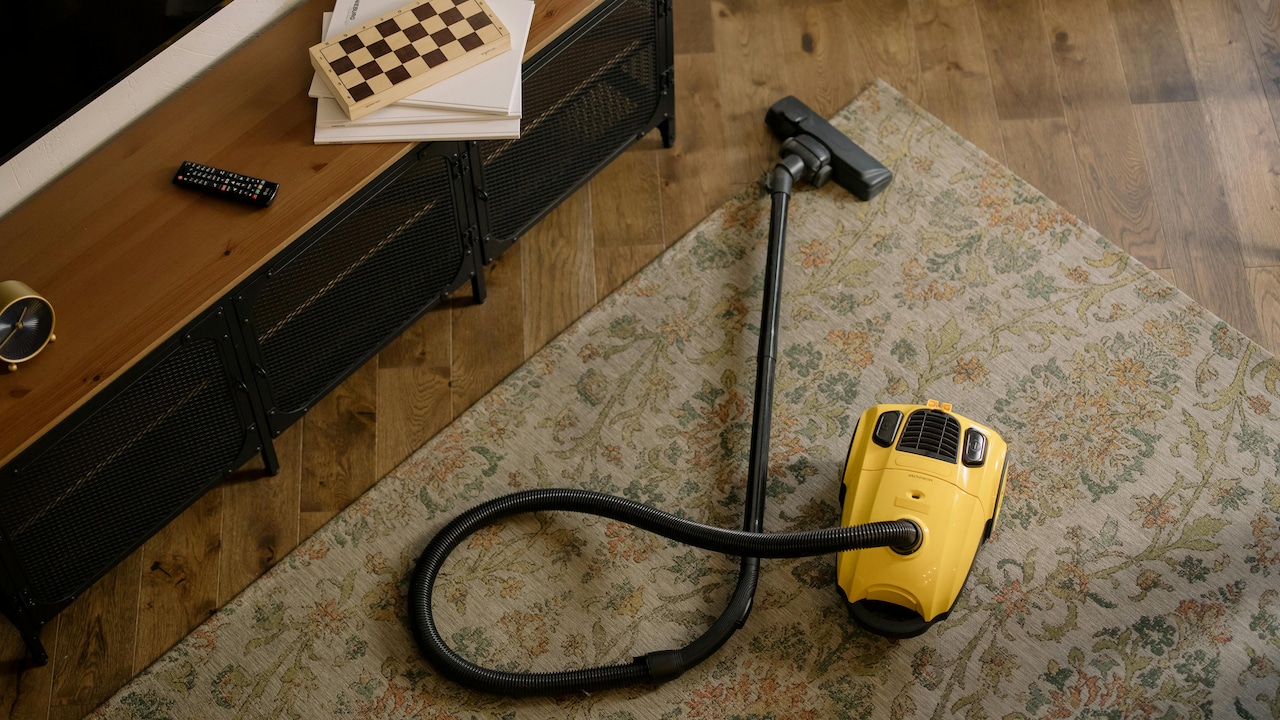
Wet And Dry Vacuums For Balcony Cleaning: How Much Suction Power You Need; Photo Credit: Pexels
Finding The Right Suction Balance For Everyday Balcony Cleaning
Understanding Suction Power Beyond Marketing Numbers
Suction power often appears as the headline feature on vacuum packaging. Wattage figures shout loudly, suggesting higher numbers guarantee superior cleaning. Yet wattage measures electricity consumption, not actual suction efficiency. The real performance depends on airflow design, sealing quality and motor engineering.
Manufacturers sometimes mention air watts or kilopascals, which offer better insight into pulling strength. For balcony cleaning, the suction must handle heavier debris than indoor dust. Sand particles carried by wind behave differently from soft carpet lint. They cling to grooves and require consistent airflow rather than raw force alone.
A common misconception suggests that maximum suction suits every situation. In reality, excessive suction can make manoeuvring difficult across rough tiles. The vacuum head may stick stubbornly, turning cleaning into a mini wrestling match. Moderate yet stable suction often proves more effective.
Think of suction like water pressure in a shower. Too weak feels useless, while too strong becomes uncomfortable. The sweet spot delivers efficiency without effort. Understanding this principle helps buyers look beyond flashy labels and focus on performance that matches real balcony conditions.
Why Balcony Tiles Demand Specific Suction Strength
Balcony tiles differ significantly from indoor flooring. Many feature anti-skid textures designed to prevent slipping during rain. These textured surfaces trap dust inside tiny ridges, creating miniature hiding places for dirt.
Low-powered vacuums struggle here. They skim the surface while grit remains lodged below. Over time, this leftover dust mixes with moisture and forms dull patches that regular mopping cannot fully remove. Adequate suction lifts particles directly from grooves, restoring the tile's natural appearance.
Ceramic tiles usually require moderate suction, while stone or matte-finish tiles benefit from slightly stronger airflow. Glossy tiles demand gentler handling to avoid scattering debris outward. Wet and dry vacuums shine because they adapt to both dry dust and damp residue after rainfall.
Consider a balcony after a windy evening. Leaves crumble into fragments, soil spills from plant pots, and fine dust settles everywhere. A vacuum with balanced suction collects this mix quickly, saving time compared to sweeping multiple times. Proper suction transforms cleaning from a repetitive chore into a swift routine that takes minutes rather than an entire weekend morning.
Also Read: Need A New Vacuum Cleaner? These 5 Picks Are Worth It
Corners, Edges, And The True Test Of Cleaning Power
Corners reveal the real capability of any vacuum cleaner. Open balcony spaces funnel dust toward edges, where it accumulates quietly. These zones receive less foot traffic, allowing grime to build layers over weeks.
Standard broom cleaning often fails here because bristles cannot reach tight angles. A wet and dry vacuum equipped with a crevice nozzle uses focused suction to pull debris directly outward. The strength required does not need to be extreme, but it must remain concentrated.
Insufficient suction leaves stubborn residue, especially near drainage outlets where damp dirt hardens over time. Excessive suction, on the other hand, may lift lightweight mats or small decorative items unexpectedly. Balance again becomes essential.
Households with balcony plants understand this challenge well. Soil spills during watering sessions settle into corners like permanent residents. A vacuum with steady suction clears these patches effortlessly, preventing ants or insects attracted by organic debris.
Effective corner cleaning often determines whether a balcony feels genuinely clean or merely looks tidy from a distance. Strong yet controlled suction ensures hidden dirt disappears rather than relocating elsewhere.
Wet Messes And Monsoon Realities
Rain changes everything. Water carries dust, bird droppings and outdoor pollutants onto balcony floors, forming muddy layers that traditional vacuums cannot handle safely. Wet and dry vacuums solve this problem by separating liquids from dry debris.
Suction requirements shift slightly when handling water. High airflow helps remove pooled moisture quickly, preventing slippery surfaces. However, extreme suction proves unnecessary. What matters more is consistent intake combined with proper filtration.
During monsoon months, balconies often remain damp for days. Moisture trapped between tiles encourages odours and stains. Using a wet vacuum function speeds up drying, reducing cleaning time dramatically. Many households discover this feature after struggling with endless mopping sessions.
Imagine returning home after heavy rain only to find muddy footprints everywhere. Instead of dragging buckets across the floor, a wet and dry vacuum clears water and dirt in one pass. Efficient suction removes grime before it settles permanently, preserving tile condition and reducing long-term maintenance costs.
Reliable performance during wet conditions often justifies investing slightly more upfront, especially when considering the yearly cleaning effort saved.
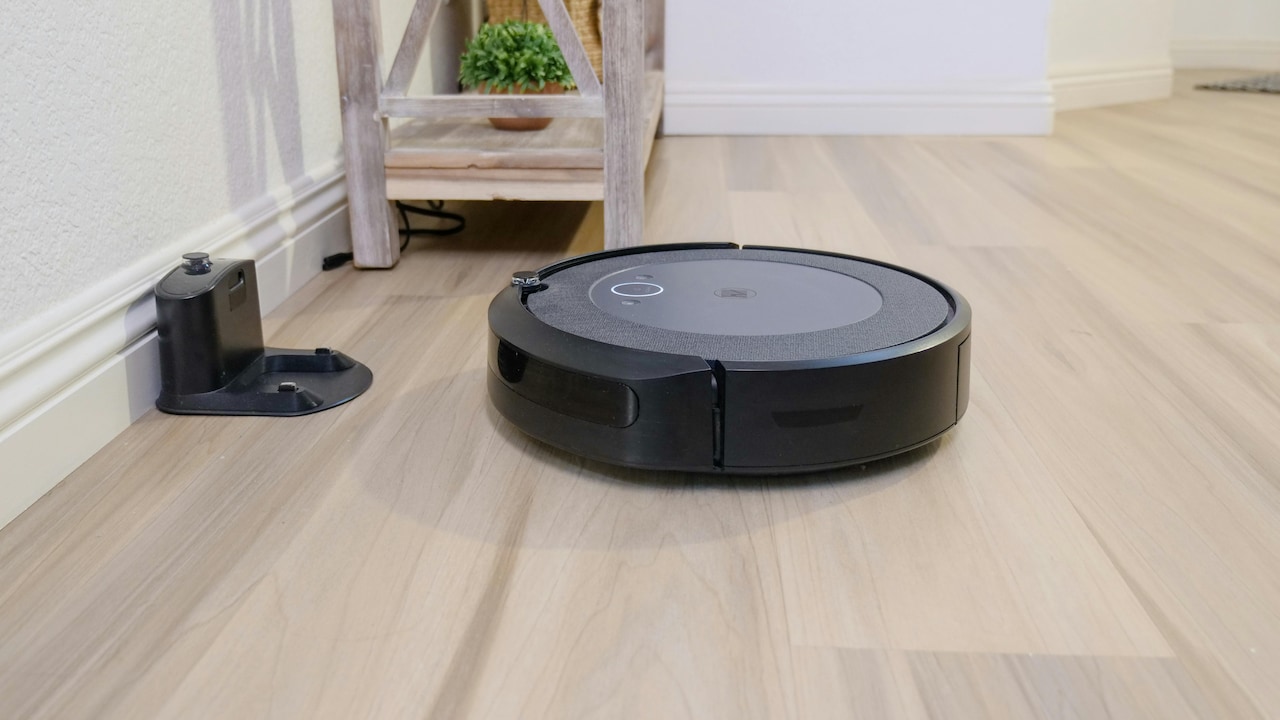
Wet And Dry Vacuums For Balcony Cleaning: How Much Suction Power You Need; Photo Credit: Pexels
Balcony Size And Suction Requirements
Not every balcony requires industrial-level suction. A compact apartment balcony differs greatly from a spacious terrace filled with furniture and plants. Matching suction power to area size prevents overspending and unnecessary noise.
Small balconies benefit from lightweight vacuums offering moderate suction. These models remain easy to store and convenient for frequent use. Cleaning takes only a few minutes, so portability matters more than maximum power.
Larger balconies accumulate heavier debris due to greater exposure to wind and outdoor elements. Here, stronger suction helps cover wider areas efficiently. Otherwise, cleaning becomes repetitive and tiring.
Noise also plays a role. High-powered machines often produce louder operation, which may feel disruptive during early mornings or late evenings. A balanced vacuum keeps peace with neighbours while maintaining effectiveness.
Energy consumption deserves attention, too. Choosing a vacuum solely for high wattage may increase electricity usage without meaningful cleaning improvement. Practical suction aligned with balcony size delivers better value over time, ensuring efficient cleaning without unnecessary operating costs.
Attachments Matter As Much As Suction
Many discussions focus entirely on suction strength while ignoring attachments. Yet accessories often determine cleaning success more than raw power alone. A well-designed nozzle channels airflow precisely where needed.
Wide floor heads suit open tile areas, allowing fast coverage. Crevice tools target corners and railing edges where dust hides stubbornly. Brush attachments loosen dried dirt gently without scratching surfaces.
Without proper attachments, even a powerful vacuum struggles. Airflow spreads instead of concentrating, reducing efficiency. With the right tools, moderate suction suddenly feels remarkably effective.
Balcony railings provide a good example. Dust clings to narrow bars, and sweeping simply redistributes particles. A small brush attachment lifts debris directly, leaving surfaces noticeably cleaner.
Versatility also extends to upholstery tools useful for balcony chairs or cushions. Cleaning becomes a single continuous process rather than multiple separate tasks. When selecting a wet and dry vacuum, attachment variety often predicts satisfaction more accurately than suction numbers printed on the box.
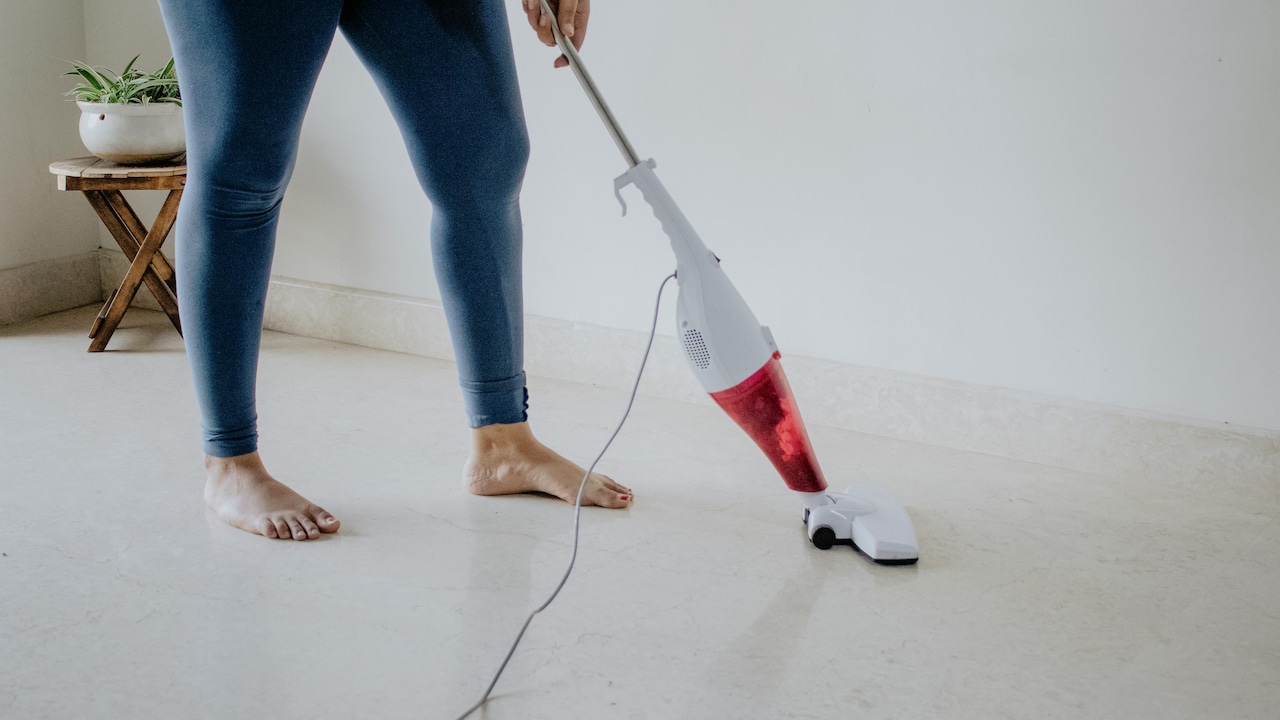
Wet And Dry Vacuums For Balcony Cleaning: How Much Suction Power You Need; Photo Credit: Pexels
Balancing Power With Practical Everyday Use
Cleaning tools succeed only when used regularly. Overly bulky or complicated machines often remain stored away, defeating their purpose. The ideal vacuum combines sufficient suction with comfortable usability.
Weight plays a significant role. Carrying a heavy unit across rooms discourages frequent cleaning sessions. Compact designs encourage quick maintenance, preventing dirt buildup altogether.
Cord length or battery life also affects experience. Limited reach interrupts cleaning flow, while adequate mobility makes the process smoother. Consistent suction matters more than peak performance that fades quickly.
Maintenance deserves equal attention. Easy-to-empty tanks and washable filters reduce hassle. If cleaning the machine feels harder than cleaning the balcony, enthusiasm disappears quickly.
A balanced vacuum becomes part of routine life rather than a special-event appliance. Short weekly cleaning sessions maintain freshness effortlessly, eliminating the need for exhausting deep cleans before festivals or family visits.
Practicality ultimately determines whether suction power translates into genuine convenience.
Cost Versus Performance: Finding Value Without Overspending
Price ranges for wet and dry vacuums vary widely, from around ₹3,000 to above ₹20,000. Higher prices often promise stronger motors, yet balcony cleaning rarely demands commercial-grade performance.
Mid-range models typically provide sufficient suction for tiles, corners and occasional wet messes. Spending more makes sense only when cleaning large terraces or handling heavy renovation debris regularly.
Durability often matters more than raw power. A reliable motor that maintains steady suction over the years proves more valuable than impressive specifications that decline quickly. Checking build quality and warranty support helps ensure long-term satisfaction.
Electricity efficiency also contributes to the overall cost. A slightly more efficient model saves small amounts monthly, which add up over time. Choosing wisely avoids both underpowered frustration and unnecessary luxury spending.
Smart buyers focus on performance suited to actual needs rather than marketing hype. Balcony cleaning requires consistency, not industrial ambition. The right balance ensures every rupee contributes to genuine usefulness.
Common Mistakes When Choosing Suction Power
Many buyers assume stronger suction solves every cleaning challenge. This belief leads to oversized machines that feel inconvenient for daily use. Others choose extremely low-power devices, hoping to save money, only to face repeated cleaning attempts.
Another common mistake involves ignoring filtration systems. Poor filtration allows fine dust to escape back into the air, defeating the purpose of vacuuming. Balcony cleaning often involves outdoor pollutants, making effective filtration essential.
Some households overlook noise levels until after purchase. Constant loud operation discourages regular use, especially in shared residential buildings.
Storage considerations also matter. Large machines require dedicated space, which may not exist in compact homes. A practical size encourages accessibility and frequent cleaning.
Choosing suction wisely means evaluating lifestyle rather than chasing specifications. A vacuum aligned with real habits delivers consistent results, turning balcony maintenance into a manageable routine rather than a dreaded obligation.
The Ideal Suction Range For Balcony Cleaning
So, how much suction is enough? For most balconies with tiled surfaces, moderate-to-strong suction provides the best results. Typically, vacuums offering around 15–20 kPa suction or balanced airflow equivalent handle dust, soil and moisture effectively.
This range lifts grit from textured tiles without becoming difficult to manoeuvre. Combined with suitable attachments, it tackles corners, edges and wet patches comfortably.
Higher suction may benefit large open terraces exposed to heavy debris, while smaller balconies function perfectly with slightly lower power. The key lies in consistency rather than extremes.
Testing usability often matters more than numbers. Smooth movement, steady airflow and manageable noise indicate a well-balanced performance. When cleaning feels effortless, suction strength is likely appropriate.
Ultimately, the ideal vacuum supports regular upkeep, allowing balconies to remain welcoming spaces rather than seasonal cleaning projects. The goal involves maintaining comfort and cleanliness with minimal effort.
Products Related To This Article
1. KARCHER WD 3 SV Wet & Dry Vacuum Cleaner, 1000W
2. Tineco Floor ONE S5 Plus Smart Cordless Wet & Dry Vacuum Cleaner and Mop for Hard Floors
3. SEZNIK Vacuum Cleaner for Home Use Wet and Dry
4. AGARO Ace Wet & Dry Vacuum Cleaner for Home, 1600 Watts
5. Eureka Forbes Wet & Dry Endura Vacuum Cleaner 22 kPa High Power Suction
6. BLACK+DECKER BDWDS12-IN Corded WET & DRY Vacuum Cleaner For Home,1000 Watts,18.5 kPA Suction Power
7. AMERICAN MICRONIC® Wet & Dry Vacuum Cleaner 21L
Balconies reflect everyday living. They witness quiet mornings, sudden rain showers, plant care routines, and casual conversations over steaming cups of chai. Keeping this space clean should feel simple, not overwhelming.
Wet and dry vacuums offer an efficient solution, but success depends on choosing the right suction level rather than the highest available power. Moderate, consistent suction paired with practical attachments handles tiles, corners, and wet messes effectively.
Understanding surface types, balcony size, and cleaning habits helps households invest wisely. A thoughtfully chosen vacuum saves time, reduces effort, and preserves flooring quality over years of use.
In the end, enough suction means achieving cleanliness without struggle. When cleaning becomes quick and satisfying, balconies regain their true purpose: a small escape above the busy rhythm of city life, always ready for fresh air and peaceful moments.
(Disclaimer: This article may include references to or features of products and services made available through affiliate marketing campaigns. NDTV Convergence Limited (“NDTV”) strives to maintain editorial independence while participating in such campaigns. NDTV does not assume responsibility for the performance or claims of any featured products or services.)