What Is The Difference Between IPL And Laser Hair Removal At Home
IPL vs. laser hair removal at home can feel confusing. Learn the key differences, benefits, and how to choose the right treatment for smoother skin at home safely and effectively today.
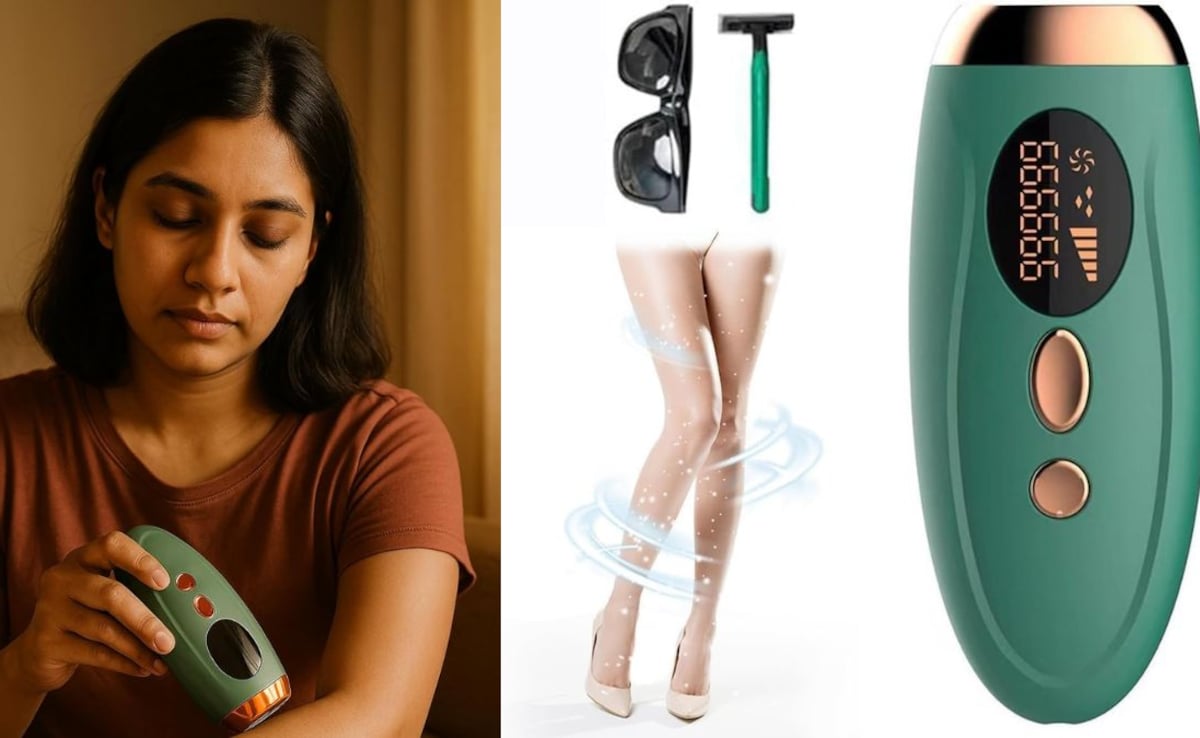
What Is The Difference Between IPL And Laser Hair Removal At Home
In recent times, hair removal equipment that can be used at home has been gaining huge popularity among those who desire to achieve permanent effects without visiting a salon. IPL and laser hair removal treatments are the most frequently discussed hair removal tools. Despite some similarity, the ways they operate may vary considerably.
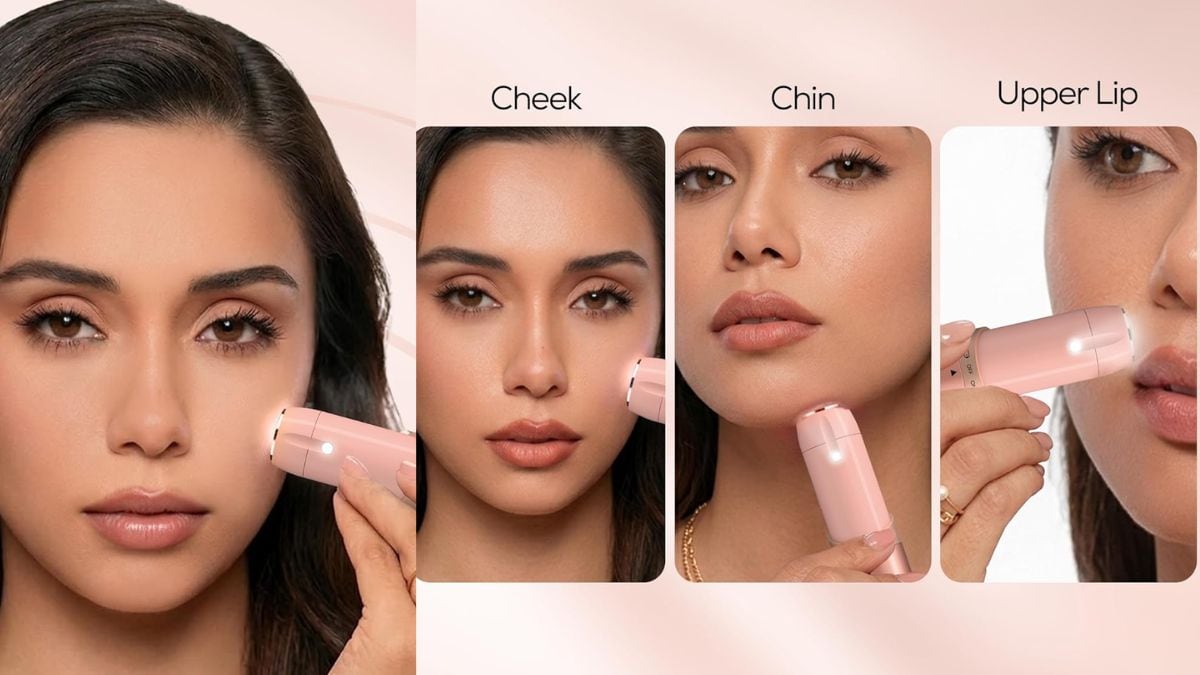
Discover how to choose the right home hair removal treatment for smoother skin safely.
Photo Credit: Amazon
In terms of technology, both treatments apply light beams to get rid of unwanted hair growth, but when it comes to the kind of light used, precision, and results, everything changes. These factors may affect the treatment's effectiveness and its impact on your skin, hair colour, and removal.
Those who consider getting IPL vs. laser hair removal at home need to take several things into account. Here's what sets them apart and what you should know before choosing one:
Also Read: Top 5 Hair Removers For Women Under ₹2,500
What Is The Difference Between IPL And Laser Hair Removal At Home? Here's What To Know
Home hair removal devices make long-term hair reduction more convenient, especially for those who want to skip regular salon appointments. Two of the most popular options are IPL and laser hair removal. Although people often compare IPL and laser hair removal, they are not the same.
Both IPL and laser treatments use light energy to target the pigment in the hair follicle to reduce regrowth. However, there are some distinct differences between these two approaches as far as the wavelength of light being used, the way of targeting hair, and the effectiveness of various skin types and hair colours.
Understanding how each method works will help you decide between IPL and laser hair removal at home. That's what makes them special.
1. IPL uses spectrum light, while lasers use a focused beam
IPL emits different wavelengths of light over a larger area of skin. Laser hair removal uses one wavelength of energy that is more specifically absorbed by the hair follicle. Therefore, laser devices are often more targeted, while IPL covers larger areas more quickly.
2. They can differ in results, comfort, and suitability
Home-use IPL devices are common and are recommended, especially when you want to remove hair from large body parts such as legs and arms. Laser devices are believed to be more precise and hence suitable for removing thick hair. However, its effectiveness depends on several factors, including its skin and hair colour The choice will ultimately be based on personal preferences and how the skin reacts to the treatment.
Key Factors Affecting The IPL And Laser Hair Removal At Home
1. IPL Uses Broad Pulses Of Light
IPL or Intense Pulsed Light, uses a broad spectrum of light that is diffused over a larger area of skin. Its action is aimed at the pigment in the hair follicle to reduce hair growth over time. IPL is often used for legs, arms, underarms, and other bigger treatment areas at home, as it covers larger areas all at once. This method is a popular option for those seeking convenience and all-around use.
2. Laser Uses A More Targeted Beam
Laser hair removal systems deliver a single pulse of light to the hair follicle. The laser is able to focus its energy better as a result. For a more focused beam and better control when using the device, consider an at-home laser hair remover.
3. Treatment Speed Can Feel Different
The IPL device will usually affect a greater patch of the skin, making treatment sessions quicker than with a laser system. With a laser system, the procedure tends to take slightly longer due to the targeted nature of the process.
4. Results And Suitability May Vary By Skin And Hair Type
Both technologies are designed to reduce regrowth over time, yet their effectiveness depends on the individual's skin tone, hair colour, and hair thickness, as well as the regularity of their application. IPL may suit people with dark hair better. Device compatibility can vary based on skin tone.
5. Comfort And Sensation Can Differ
Both can feel like a warm snap or quick tingling sensation on the skin, but comfort levels are different for everyone. Depending on the area you're treating and how high you've set the intensity on the device, you may feel it differently.
How To Choose Between IPL And Laser Hair Removal At Home
Choosing between IPL and laser hair removal at home can be confusing, as both are meant to reduce unwanted hair over time. The main difference between them is that both utilise light therapy in an attempt to target the hair follicle but with different approaches and with varying degrees of precision. Understanding the key differences will assist you in determining which device to choose.
1. Consider your skin tone and hair colour
Most at-home IPLs and laser devices target pigment in hair follicles, so the results may vary depending on your skin tone and hair colour. Usually, the darker the hair, the better the reaction, as it has more pigment. Many devices also have skin tone sensors or compatibility charts, so it's worth checking those out before you purchase to help you select the best one.
2. Think about the area you want to treat
IPL devices generally treat a larger area, so they are suitable for legs, arms, or the back. Some people prefer laser devices, as they are more focused and precise for smaller areas such as the upper lip, chin, or underarms. It will depend on your treatment area as to which device is more convenient.
3. Look at comfort, time, and maintenance
Both IPL and laser hair removal require several sessions over time to see results and occasional touch-ups for maintenance. IPL sessions might feel quicker because they treat more skin at once. In contrast, laser devices may provide a more targeted treatment experience. Comfort is also relative to your level of sensitivity and the level of intensity used.
Both options can work well at home, but the right choice often depends on your skin tone, hair type, budget, and how you prefer to do your hair removal routine.
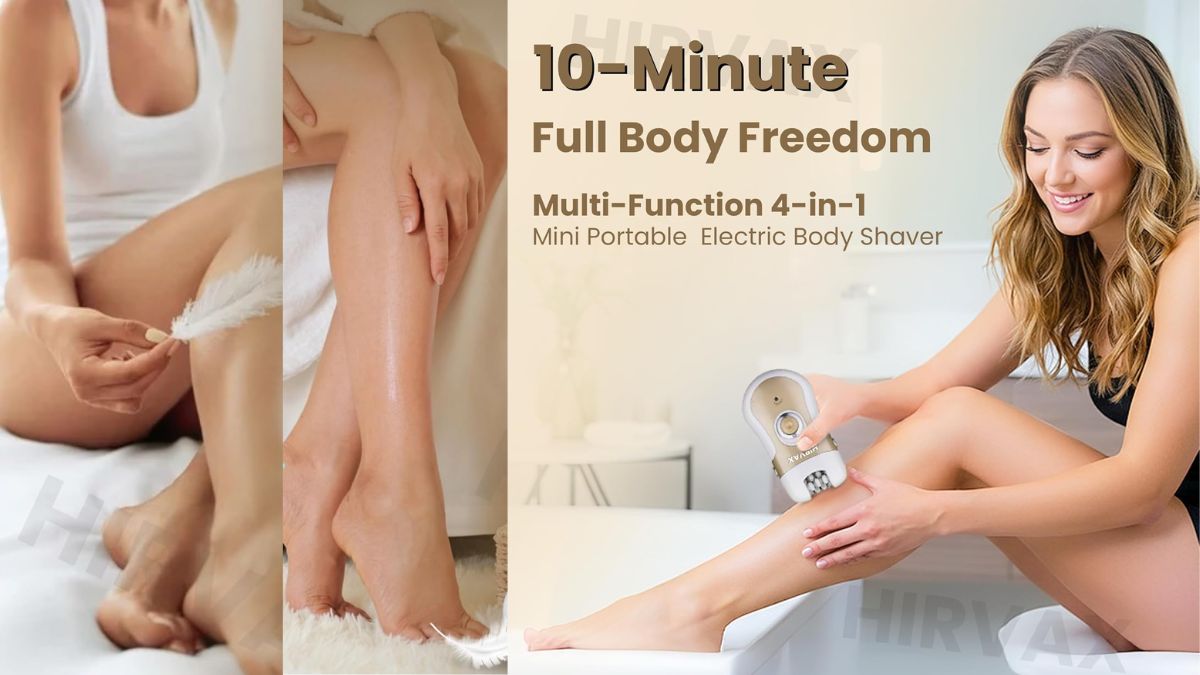
A complete comparison guide to at-home IPL and laser treatments for effective hair removal.
Photo Credit: Amazon
Common Mistakes To Avoid When Choosing Between IPL And Laser Hair Removal At Home
1. Assuming IPL and laser are the same
IPL and laser hair removal are often lumped together, but they are different. IPL uses broad-spectrum pulses of light; lasers use a more concentrated beam. Assuming they are the same can make it harder to choose the right device for your skin, hair type, and treatment goals.
2. Choosing a device without checking skin tone and hair compatibility
Not all at-home hair removal devices are suitable for all skin tones or hair colours. IPL and laser devices target the pigment in hair follicles, so the results vary based on the contrast between a person's skin tone and hair colour. Always check the compatibility guide of the device before buying or using it.
3. Expecting instant results after one session
Both IPL and laser hair removal require multiple treatments over time. As hair grows in cycles, you usually have to use a product consistently before you notice a major reduction. One treatment can be disappointing because you are expecting immediate, permanent results.
4. Using the highest intensity setting too quickly
You might want to start on a very high setting to get quicker results, but it can be uncomfortable, especially on sensitive skin. It is best to start at a lower intensity and then increase as you are comfortable and according to device instructions.
5. Skipping aftercare or maintenance sessions
Even if you've reduced your hair's appearance, you may still need touch-ups. One's comfort will also be affected if one neglects the importance of aftercare, including the proper soothing of one's skin after the procedure, as well as shielding oneself from the sun.
These were all the crucial differences between IPL and laser hair removal at home. Both techniques offer different benefits and thus, the final choice depends on your preference. Consider your skin type, hair growth, ease of use, and other factors to choose the best hair removal method.
Products You Can Use To Remove Kajal Without Irritation
1. ShinnySkin IPL Professional Laser Hair Removal Machine Pink
2. GROPOTIT IPL Laser Hair Removal Permanent Hair Removal Device
3. RENEE Spark EpiSense One Facial Epilator
4. HIRVAX Mini Portable Electric Body Shaver
5. NOVUSOL Rechargeable Body Epilator and Shaver for Women
6. AcuFitness IPL Hair Removal Device for Women Permanent Laser Hair Removal
7. IPL Laser Hair Removal Machine For Women And Men
Frequently Asked Questions (FAQs)
1. What is the difference between IPL and laser hair removal at home?
The key distinction is the kind of light energy used in the process. IPL therapy uses pulses of light over a larger surface, while the laser treatment involves using a singular concentrated beam of light. Although both procedures can reduce hair growth in the future, they may differ in the way they are performed.
2. Which is better: IPL or laser hair removal at home?
The answer depends upon your skin colour, hair colour, the treatment area, and personal choice. Usually, the choice of using IPL lies in cases of treating large areas, while laser is preferred for precision and targeting the affected part. That depends on the individual.
3. Does IPL hurt less than laser hair removal?
The IPL and laser both feel like a quick warm snap or tingling sensation on the skin. The level of comfort will vary depending on the device, the intensity setting, the area being treated, and your skin sensitivity.
4. Which lasts longer: IPL or laser hair removal?
Regular use of either can result in a long-term hair reduction. What results you see will depend upon your hair growth cycle, the type of device you use, and how well you stick to your maintenance sessions. Usually, both require some touch-up now and then.
5. Can IPL and laser hair removal be used on all skin tones?
Not necessarily. How well it works depends on the device and how it can detect pigment in the hair root. Many devices have skin-tone sensors or compatibility charts, so be sure to check before using them that they match your skin tone and hair colour
(Disclaimer: This article may include references to or features of products and services made available through affiliate marketing campaigns. NDTV Convergence Limited (“NDTV”) strives to maintain editorial independence while participating in such campaigns. NDTV does not assume responsibility for the performance or claims of any featured products or services.)