What Is The Right Way To Use A Massager For Back Pain Relief
Learn the right way to use a massager for back pain relief with easy tips, safe techniques, and simple habits that help with daily stiffness and muscle tension.
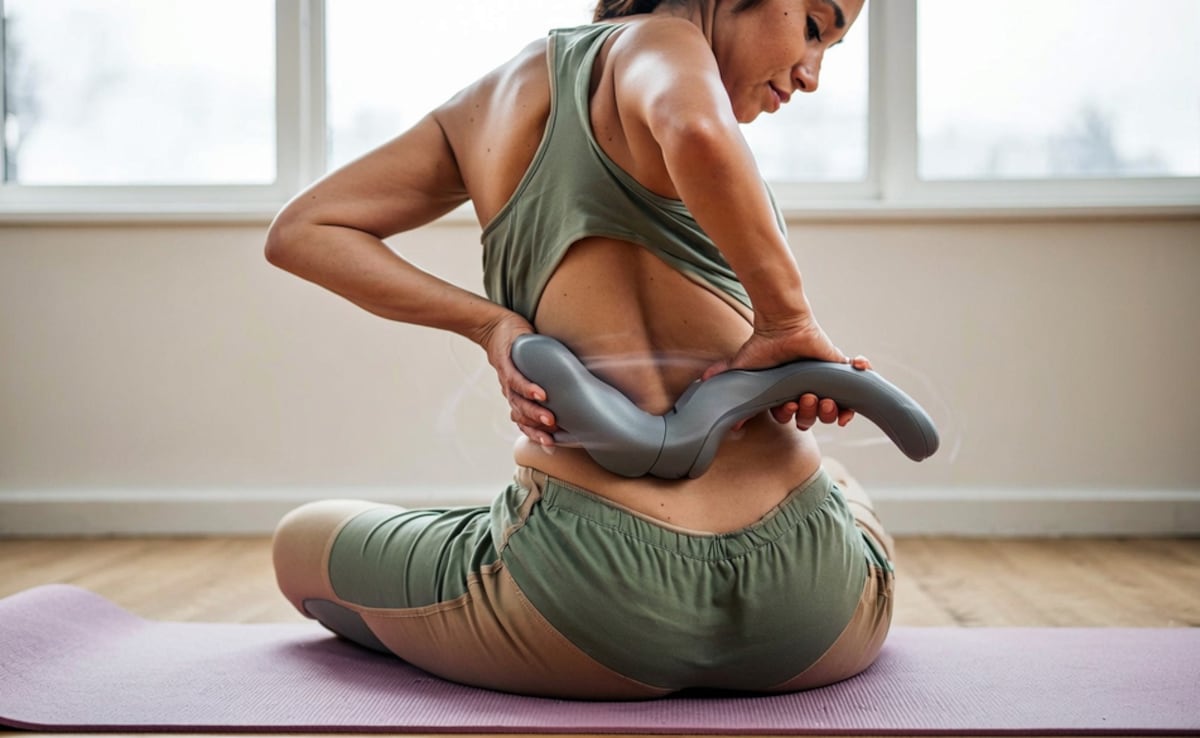
What Is The Right Way To Use A Massager For Back Pain Relief
Back pain has a way of quietly settling into everyday life. It starts with a stiff neck after work, then suddenly your shoulders feel heavy every evening, or your lower back starts aching after sitting too long. Most people try to ignore it for weeks. A few stretches here and there, maybe sleeping differently for a night or two, and then eventually comes the moment where a back massager starts sounding like a really good idea.
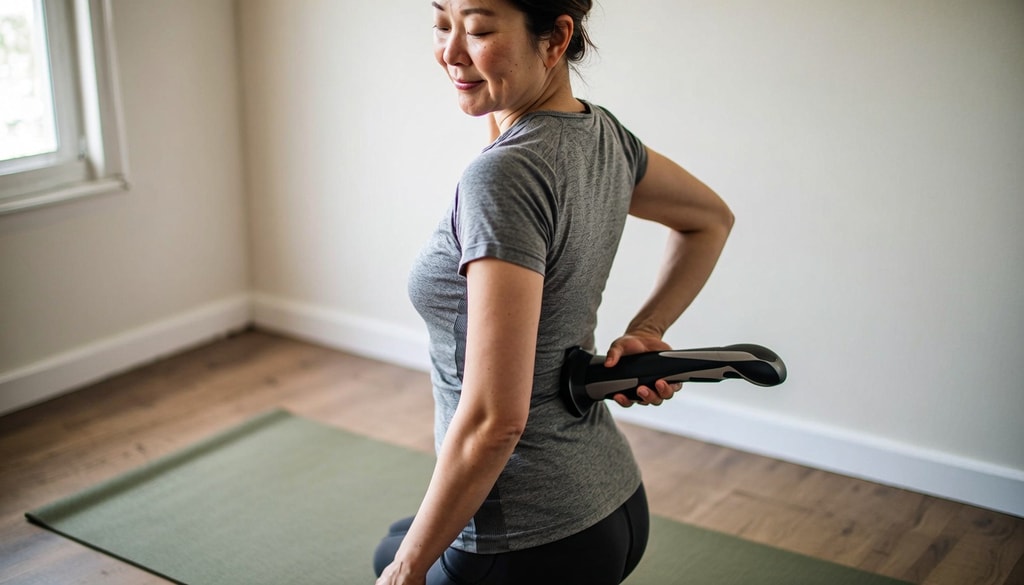
Easy tips and safe techniques to relieve daily muscle stiffness and severe back pain at home.
Photo Credit: iStock
And honestly, when used properly, it can feel incredibly relieving. There is something comforting about finally loosening muscles that have been tense all day. But that only happens when the massager is used the right way. Too much pressure and long sessions can really leave your back feeling more irritated later. The good news is that using a back massager correctly is pretty simple once you know what your body actually needs.
Also Read: Ultimate Brand Sale: Top 5 Body Massagers At Great Prices On Amazon
Why Do Back Massagers Feel Helpful In The First Place?
Most everyday back pain comes from muscle tightness rather than serious injuries. Long working hours, bad posture, travelling, workouts and even stress can keep muscles tense for hours without properly relaxing.
The body holds onto that tension quietly. Shoulders start feeling stiff, the upper back feels heavy, and the lower back begins aching after sitting too long.
A back massager helps by gradually loosening those muscles. The movement increases blood flow around tight areas, while the pressure helps muscles relax instead of staying contracted all day.
That is why people often feel lighter afterwards, almost like the body finally stopped clenching without them noticing.
What Is The Right Way To Use A Massager For Back Pain Relief?
Using a back massager properly is not really about how strong the machine feels. It is more about how your muscles respond during and after the session.
A massage should feel relieving, not punishing. If the body feels bruised or overly sore afterwards, something was probably too intense.
Step 1: Start With Gentle Pressure
This step is where most people get it wrong immediately. The strongest setting is not always the best one. Tight muscles usually react badly to sudden heavy pressure. Instead of relaxing, they tense up even more.
Start slow and let the muscles warm up for a few minutes first. When the body starts to relax on its own, increase the intensity just enough to feel comfortable. Usually slow pressure works much better than aggressive pressure right off.
Step 2: Focus On Muscles Around The Spine
A massager should move around the spine, not directly over it. The muscles beside the spine are usually where tension builds the most, especially around the shoulders and lower back.
Move the device slowly across those areas instead of digging into one painful point repeatedly. People often think they need to “break” the knot apart, but muscles generally respond better to steady movement than force.
Step 3: Keep Sessions Short
Long massage sessions sound relaxing in theory, but muscles can get overstimulated surprisingly quickly.
Around 15 to 20 minutes is normally enough for one session. That gives muscles time to loosen properly without leaving them feeling sore afterwards.
If the back still feels tight later, another short session usually works better than one extremely long one.
Step 4: Use Heat Carefully
Heat settings feel wonderful, especially after sitting all day or travelling for hours. Warmth relaxes muscles before deep pressure begins, which makes the massage feel smoother overall.
Still, not everybody enjoys heat for long periods. Occasionally it simply feels too warm, especially during summer, and that is completely fine. The massage can still work perfectly well without it.
Step 5: Sit Comfortably During The Massage
People ignore this part, but posture is important even during a massage session. Sitting in the wrong manner while using a back massager can actually create more tension around the neck and lower back. It usually feels better to sit with proper support or recline slightly so the muscles can relax naturally.
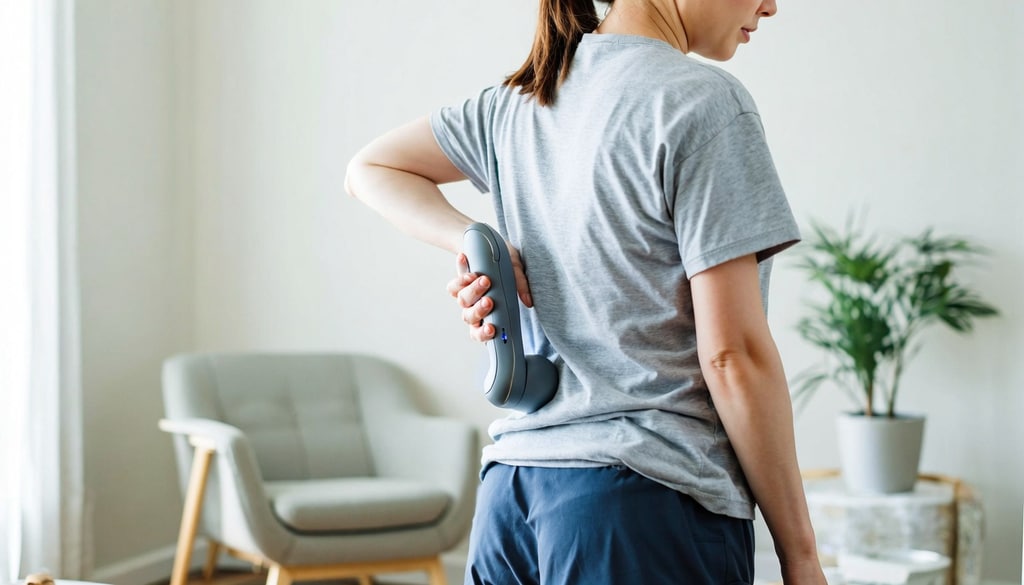
Discover simple habits and massage techniques designed to ease your daily back pain and stiffness.
Photo Credit: iStock
All Types Of Back Massagers And What They Feel Like
1. Shiatsu Massagers
Shiatsu massagers use rotating nodes that create a kneading feeling similar to deep tissue massage. These usually work nicely for people who sit at desks all day or carry stress around their shoulders and upper back.
The movement feels deeper and slower compared to vibration-style devices.
2. Massage Guns
Massage guns use quick tapping movements instead of circular kneading. They are popular after workouts because they help loosen sore muscles fast.
The mistake people make with massage guns is pressing too hard. The device works better when it glides lightly across the muscle instead of being forced into the body.
3. Vibration Massagers
Vibration massagers feel gentler overall. They are nice for folks who hate intense pressure or simply want light relaxation after a tiring day.
They may not reach deeply into stubborn knots, but they feel soothing for everyday stiffness.
Common Mistakes That Often Make Back Pain Worse
1. Using Maximum Pressure Immediately
Pain does not mean the massage is working better. Often, overly strong pressure just makes muscles tighten more defensively.
2. Staying On One Spot Too Long
Holding the massager over one painful area for long can irritate the muscle instead of helping it relax.
Slow movement across nearby muscles usually feels much better afterwards.
3. Ignoring Sharp Pain
There is a difference between deep pressure and actual pain. Sharp discomfort, tingling, numbness, or lingering soreness afterwards are signs to stop immediately.
Back massagers help muscle tension, not untreated injuries or serious spinal conditions.
Small Everyday Habits That Help Alongside Massage
A back massager works much better when combined with small daily changes too
1. Get up in between work hours.
Getting up regularly during work hours helps more than people expect. Even walking around for two minutes an hour reduces stiffness over time.
2. Light stretch and hydration
Light stretching after massage sessions can also help muscles stay loose longer. And honestly, drinking enough water is crucial too. Tight muscles usually feel worse when the body already feels drained or dehydrated.
3 Sleep and Mattress Support
Sleep makes a difference as well. An uncomfortable mattress or pillow can quietly keep adding tension night after night without people properly noticing.
Pair these healthy habits with back massager for best results. They are best for effective pain-relief results. Plus, their ergonomic design, long battery life, and compact designs make them useful while travelling as well. So, why deal with backpain anymore? Try back massagers today for the best results.
Some Back Massagers You May Like
1. Health Sense Percussion Gun Massager
2. Premium Shiatsu Back Massager
3. Bionic Heated Shiatsu Neck and Back Massage
4. Caresmith Revive Back Massager for Pain Relief
5. AGARO Atom Plus Electric Handheld Massager
6. Resonate Aura Percussion Massage Gun
7. AGARO Galaxy Gun Massager
8. SELLASTIC Forge Gun Massager
Frequently Asked Questions (FAQs)
1. Can I use a back massager every day?
Of course moderate daily use of a back massager is usually fine for regular muscle stiffness and tension. Shorter sessions generally feel better than very long ones.
2. How long should a massage session last?
Usually 15 to 20 minutes is enough. Often, longer sessions can leave your muscles feeling irritated later.
3. Should a back massager feel painful?
No, some pressure can feel intense on tight muscles, but sharp pain or lingering soreness means the pressure is too strong.
4. Which type of back massager is best for beginners?
If you're a beginner, gentle shiatsu or vibration massagers are typically ideal since they feel less aggressive and are easier to control.
5. Can a back massager help lower back pain from sitting too long?
Yes, it helps a lot. Gentle heat and low-pressure massage are usually excellent for lower back pain.
(Disclaimer: This article may include references to or features of products and services made available through affiliate marketing campaigns. NDTV Convergence Limited (“NDTV”) strives to maintain editorial independence while participating in such campaigns. NDTV does not assume responsibility for the performance or claims of any featured products or services.)