What To Do If Your Hair Straightener Stops Heating Evenly
Hair straightener stops heating evenly? Learn why cold spots happen, the quick fixes you can try at home, and when it's smarter to simply replace the tool.
What To Do If Your Hair Straightener Stops Heating Evenly
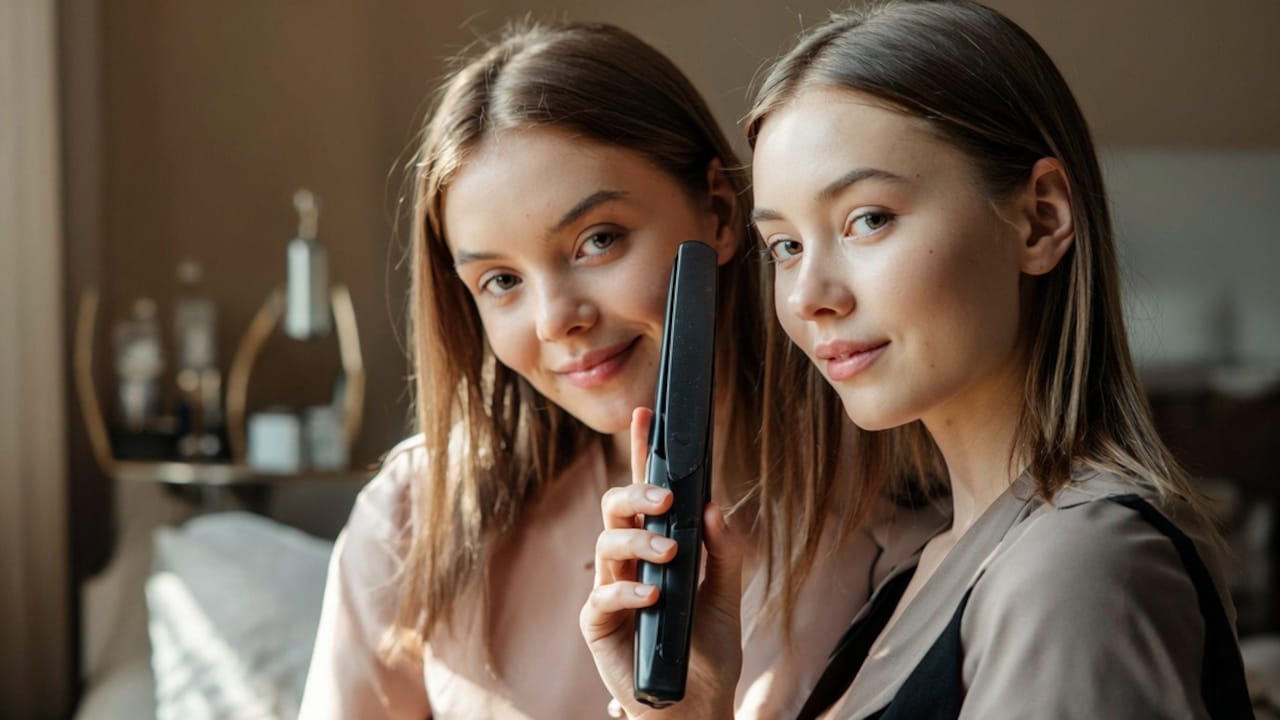
You know the feeling. One section of hair comes out glassy and smooth, the next barely changes, and suddenly you're running the same strand through four times to get it halfway straight. What used to be a ten-minute job now eats half your morning. A straightener that heats unevenly isn't always a dead straightener, though. Sometimes it's a five-minute cleaning fix, sometimes a warning sign, and sometimes genuinely time to move on.

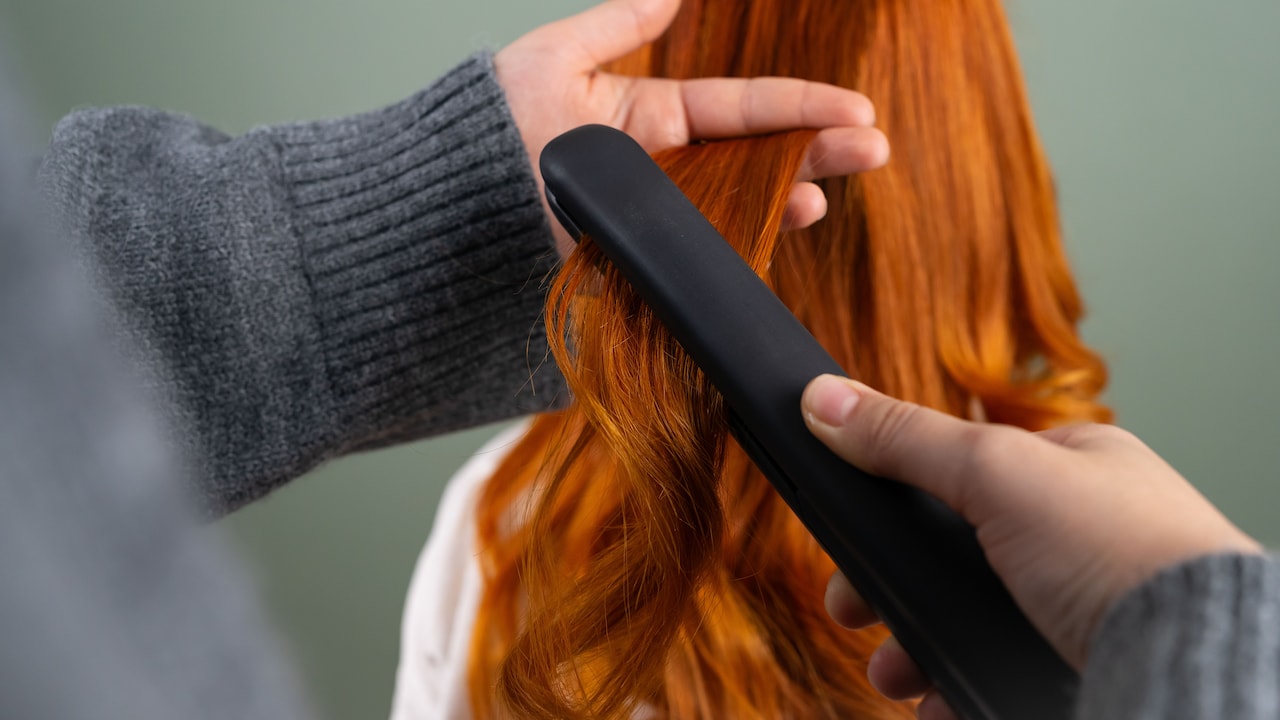
Learn how to fix uneven heating in your straightener or decide when to replace it.
Photo Credit: iStock
This guide walks through why it happens, what you can safely do about it at home, and how to tell which situation you're in.
Why Does A Straightener Stop Heating Evenly?
The most common culprit is the least dramatic one: buildup. Every serum, spray, and leave-in cream leaves a faint film on the plates, and over months it bakes into a hard, patchy layer. Heat can't pass through it properly, so the plate develops warm zones and cold zones.
The second set of causes lives inside the tool. The heating element or thermostat can degrade with age, especially on budget models, so the straightener either underheats on one side or keeps cycling the temperature up and down. A damaged cord or a worn swivel joint can also cut power intermittently, which feels like uneven heat.
Cold Spots, Residue, And Ageing Plates Explained
Cold spots from residue tend to appear gradually. You'll notice certain sections need extra passes while others straighten in one, and under light you can usually spot dull, cloudy patches where product has burnt on. That cloudiness is an insulating layer between the heat and your hair.
Plate wear is the slower problem. On ceramic-coated models, the coating thins with years of use, and thin patches transfer heat differently than intact ones. Once that happens, cleaning won't bring back even heating, because the unevenness is part of the plate itself. Add an ageing thermostat, and the tool starts behaving unpredictably.
What Can You Actually Do About It?
Before writing off your straightener, work through these checks. Most uneven-heating cases end at the first one.
1. Cleaning The Plates Properly
This fixes the majority of cases. With the tool unplugged and completely cool, wipe the plates with a soft cloth dampened in warm water. For stubborn burnt-on product, a little rubbing alcohol on a cotton pad breaks it down without scratching. Never use anything abrasive; scratched ceramic heats worse than dirty ceramic. Many people find the “broken” straightener was just a dirty one.
2. Checking The Cord And Power Source
Wiggle the cord gently near the base while the tool heats. If the indicator light flickers or the plates cool, the internal wiring is damaged, and that's a replacement situation, not a repair one. Also, try a different socket, since a loose plug point can mimic a faulty tool.
3. Letting It Heat Longer Before Judging
Full, even heat takes longer than the fast heat-up claim suggests. Give the tool two to three full minutes before your first pass. Judging it thirty seconds after switching on is the most common false alarm.
4. Knowing When To Replace Instead Of Repair
If cleaning changes nothing and the cord checks out, the element or thermostat has likely aged out. Repairs on budget straighteners cost close to a new tool, and a failing element is a safety risk.
How To Fix And Prevent Uneven Heating
Step 1: Unplug And Cool Down Completely
Never clean or inspect a straightener that's warm or plugged in. Unplug it and give it twenty minutes. Water or alcohol touching hot plates can crack coatings and worse.
Step 2: Clean The Plates With A Damp Cloth
Wipe both plates firmly with a soft cloth dampened in warm water. Most product film comes off with this alone. Work edge to edge, since residue collects along the borders.
Step 3: Remove Stubborn Residue Gently
For baked-on patches, use rubbing alcohol on a cotton pad or a baking soda paste for the worst spots. Rub gently in circles, then wipe clean and dry. Skip metal scrubbers and rough sponges entirely.
Step 4: Inspect The Plates For Wear
Hold the plates up to light and look for chips, scratches, or dull patches in the coating. Visible coating damage means uneven heat is permanent, and the tool will start snagging hair too.
Step 5: Check The Cord And Swivel Joint
Cords fail at the swivel first. Heat the tool and move the cord gently while watching the light. Any flicker means internal wire damage, and taped-up cords on heat tools are never worth the risk.
Step 6: Test Heat With A Simple Pass
After cleaning, heat the tool fully and run one pass on a small section. If it straightens evenly in a single pass again, you've solved it. If some zones still lag, the problem is internal rather than surface-level.
Step 7: Adjust How You Store It
Let the plates cool before clipping them shut, and store the tool flat with the cord loosely coiled, never wrapped tight around the body. Most cord damage and plate misalignment comes from storage habits, not styling.
Step 8: Replace It If The Element Has Aged
If nothing above helps and the tool is a few years old, replace it rather than fight it. Modern straighteners heat faster and hold temperature more accurately, and modern ceramic plates are gentler on hair.
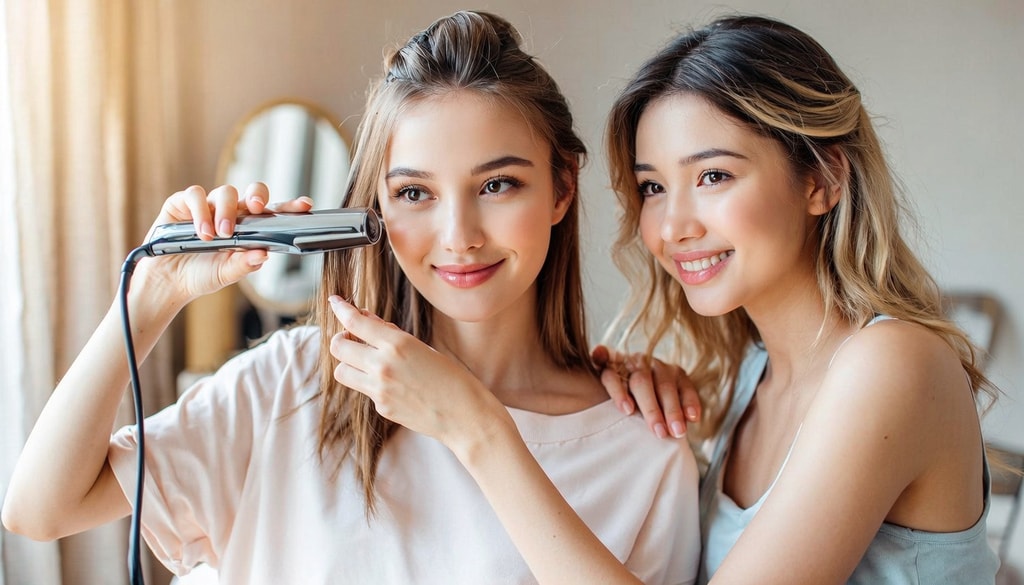
Troubleshoot straightener cold spots with quick home fixes or choose to upgrade your styling tool.
Photo Credit: iStock
Some Hair Straighteners You May Like
1. Vega Adore VHSH-18N Hair Straightener With Ceramic Coated Plates
2. Philips HP8302/06 Selfie SilkPro Care Hair Straightener
3. Havells Purple Hair Straightener HS4101
4. Agaro Elite Hair Straightener With Keratin-Infused Ceramic Plates
5. Winston Hair Straightener With Titanium Ceramic Plates
6. Nova Pro Shine NHS-841 Hair Straightener
7. Ktein Fast Heating Adjustable Temperature Hair Straightener Brush
8. Philips BHS397/40 SilkProtect Keratin Titanium Straightener
Here's the honest split. If the unevenness arrived slowly and the plates look cloudy, it's almost certainly residue, and a proper clean will bring the tool back to life for free. That's the outcome for most people, so cleaning is always the first move.
But if the plates are visibly worn, the cord flickers, or cleaning changes nothing, don't nurse it along. Uneven plates force repeated passes over the same hair, which causes more heat damage than a hotter, even tool ever would. A dependable new straightener costs less than the repair and treats hair far better.
Frequently Asked Questions (FAQs)
1. Why is one side of my straightener hotter than the other?
Nine times out of ten it's burnt-on product acting like a shield on part of the plate. Clean the straightener properly before blaming the machine. Still uneven after that? The element's going.
2. Can I clean straightener plates with alcohol?
It's honestly one of the better ways. Dab some on a cotton pad, rub the cool, unplugged plates, and the burnt serum lifts off without a scratch.
3. Is it safe to use a straightener that heats unevenly?
Your hair won't thank you. Cold patches mean going over the same section repeatedly, and that burns hair faster than high heat does. If the cord flickers even once, retire it.
4. How long should a hair straightener last?
Three to five years, give or take, if you clean it occasionally and don't strangle the cord in storage. Cheaper ones tap out earlier, more so with daily use.
5. Do ceramic plates heat more evenly than metal ones?
They do, by a wide margin. Ceramic spreads warmth across the whole plate while bare metal turns patchy fast. There's a reason nearly everything sold today is ceramic or a titanium blend.
(Disclaimer: This article may include references to or features of products and services made available through affiliate marketing campaigns. NDTV Convergence Limited (“NDTV”) strives to maintain editorial independence while participating in such campaigns. NDTV does not assume responsibility for the performance or claims of any featured products or services.)