How To Choose Front-Load Washing Machines For Hard Water Areas
Hard water can damage clothes and washing machines over time. Learn how to choose a front-load washing machine with the right features to handle mineral-rich water and keep laundry fresh and efficient.
Find the best washing machine for hard water areas with these buying tips
Laundry seems simple until stubborn white streaks appear on clothes, towels lose their softness, and machines start behaving oddly. Hard water, rich in minerals like calcium and magnesium, often causes these issues. Many households face this challenge daily, especially in regions where water treatment remains limited. Front-load washing machines, known for efficiency and gentle fabric care, can still struggle if not chosen wisely for such conditions. Selecting the right model requires more than checking capacity or price tags. It demands attention to features that actively tackle mineral build-up, preserve fabric quality, and extend machine life.

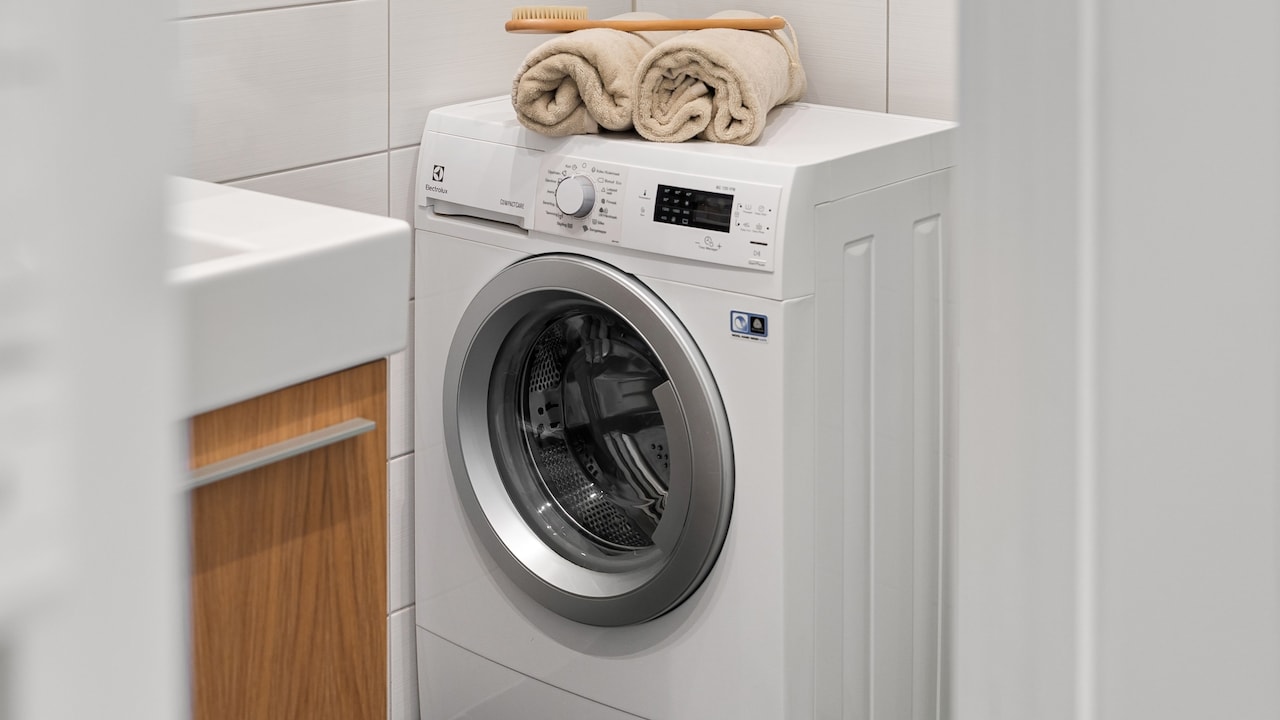
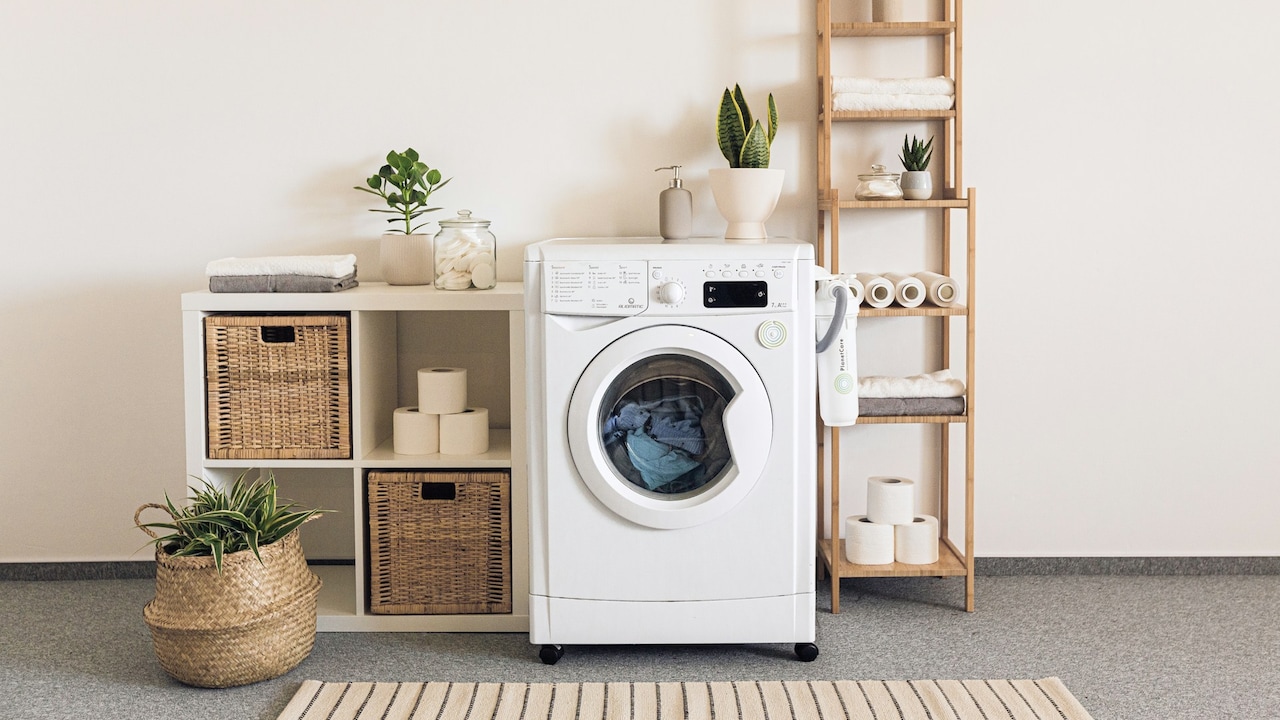
Beginner's guide to choosing washing machine for hard water areas; Photo Credit: Pexels
This guide walks through the essentials of choosing a front-load washing machine suited for hard water conditions. It blends practical insights with relatable experiences, ensuring every reader feels confident before making that investment, because nobody enjoys pulling out stiff shirts after a wash cycle.
Also Read: Best Front-Load Washing Machines For Hard-Water Areas in India
Key Features That Make All The Difference In Hard Water Conditions
Understanding Hard Water And Its Impact
Hard water does not announce itself loudly. Instead, it creeps into daily routines, leaving behind subtle but frustrating signs. Clothes feel rough, colours fade faster, and soap refuses to lather properly. Over time, washing machines develop internal scale deposits that reduce efficiency.
Minerals in hard water bind with detergents, forming residue that sticks to fabrics and machine parts. This residue often leads to dull-looking garments and clogged pipes. In many homes, frequent descaling becomes a routine chore, adding extra expense and effort.
A front-load washing machine designed for such conditions reduces these problems significantly. Modern models now include features that adjust water usage, improve detergent dissolution, and minimise mineral accumulation. Without these, even an expensive machine can underperform within months.
Understanding the nature of hard water sets the foundation for a better purchase decision. It shifts focus from flashy features to practical solutions. After all, the goal remains simple: clean clothes that feel fresh, without constant maintenance headaches.
Choosing Machines With Built-In Hard Water Treatment
Some washing machines come equipped with technology specifically designed to tackle hard water. These models use advanced filtration or treatment systems to soften water before it interacts with detergent and clothes.
This feature proves particularly useful in areas where water hardness remains consistently high. Instead of relying on external softeners or frequent manual intervention, the machine handles the issue internally. It saves both time and long-term costs.
Machines with built-in treatment systems often cost slightly more upfront, sometimes ranging between ₹30,000 and ₹50,000. However, the investment pays off by reducing detergent consumption and preventing scale damage. Clothes also retain their texture and colour for longer.
Without such technology, users often compensate by adding more detergent, which ironically worsens residue build-up. Choosing a machine that actively addresses the root problem feels like upgrading from a bandage to a proper solution. It brings a noticeable difference within just a few wash cycles.
Selecting The Right Drum Material And Design
The drum plays a central role in how effectively a washing machine handles hard water. Stainless steel drums, known for durability and resistance to corrosion, work best in mineral-heavy conditions.
Certain designs also feature specialised patterns or perforations that reduce friction and prevent mineral deposits from settling easily. These designs help maintain consistent washing performance even after prolonged use.
A poorly designed drum can trap residue, leading to unpleasant odours and uneven washing. Over time, this affects fabric quality and machine hygiene. Investing in a high-quality drum reduces such risks significantly.
Front-load machines already excel in gentle fabric care, but the right drum design enhances this advantage further. Clothes emerge cleaner, softer, and free from stubborn streaks. It may seem like a small detail, yet it makes a big difference in everyday use, especially when dealing with challenging water conditions.
Checking Detergent Compatibility Features
Not all detergents behave the same way in hard water. Many lose effectiveness, leaving behind residue that sticks to clothes and machine components. This makes detergent compatibility a crucial factor while choosing a washing machine.
Modern front-load machines often include features that optimise detergent usage. Some models adjust water temperature and cycle duration to improve dissolution. Others recommend specific detergent types suitable for mineral-rich water.
Liquid detergents generally perform better than powders in such conditions. Machines that support or recommend liquid detergents often deliver superior results. This reduces the need for repeated washing cycles, saving both electricity and water.
Ignoring this aspect can lead to frustration. Imagine freshly washed clothes that still feel stiff or look cloudy. A machine that works well with the right detergent eliminates this problem. It turns laundry from a chore into a smoother, more predictable routine.
Evaluating Water Temperature Control Options
Temperature plays a surprisingly important role in dealing with hard water. Warm water dissolves detergents more effectively, preventing mineral residue from settling on clothes and machine parts.
Front-load washing machines with flexible temperature settings offer better control over washing quality. These machines allow adjustments based on fabric type and water hardness levels. For heavily soiled clothes, slightly warmer cycles can make a noticeable difference.
However, balance remains key. Excessive heat can damage delicate fabrics and increase electricity bills. Machines with smart temperature controls manage this balance efficiently, ensuring optimal results without unnecessary energy consumption.
Homes that frequently deal with hard water often notice improved cleaning when using warm wash cycles occasionally. A machine that supports this flexibility becomes a valuable addition. It adapts to changing laundry needs rather than forcing a one-size-fits-all approach.

Consider front-load washing machines with flexible temperature settings; Photo Credit: Pexels
Considering Anti-Scale And Self-Clean Features
Hard water inevitably leads to scale build-up over time. This affects heating elements, pipes, and drum surfaces. Machines equipped with anti-scale technology reduce this impact significantly.
Self-clean features add another layer of convenience. These programmes flush out residue and bacteria, keeping the machine hygienic without manual scrubbing. Regular use of such cycles prevents long-term damage and unpleasant odours.
Machines without these features often require external descaling solutions, adding to maintenance costs. Over time, neglect can even lead to costly repairs. Choosing a model with built-in protection feels like having an insurance policy for the appliance.
These features may not seem exciting at first glance, yet they quietly ensure consistent performance. They extend the lifespan of the machine and maintain washing quality. In areas with hard water, they quickly move from luxury to necessity.
Looking At Spin Speed And Efficiency
Spin speed influences how well clothes come out after washing. Higher spin speeds remove more water, reducing drying time. This becomes especially useful in humid conditions where clothes take longer to dry.
In hard water areas, efficient spinning also helps remove residual detergent and minerals. Clothes feel lighter and cleaner, without that stiff texture often caused by mineral deposits.
Front-load machines usually offer spin speeds between 1000 and 1400 RPM. Choosing a model within this range ensures effective performance without damaging fabrics. Adjustable spin settings add flexibility for different clothing types.
Efficiency extends beyond spin speed. Energy ratings and water usage also matter. A machine that balances performance with efficiency saves money in the long run. With electricity costs steadily rising, this factor becomes increasingly important for households planning a long-term purchase.
Assessing Capacity Based On Household Needs
Capacity often becomes an afterthought, yet it plays a crucial role in washing efficiency. A machine that is too small leads to frequent cycles, while an oversized one wastes water and energy.
For a small family, a 6–7 kg machine usually suffices. Larger households may require 8–9 kg capacity to handle bulk laundry. Choosing the right size ensures optimal water usage and better cleaning results.
In hard water conditions, overloading the machine can worsen residue issues. Clothes need enough space for proper movement and rinsing. A well-sized drum allows detergent to work effectively without leaving mineral traces behind.
Balancing capacity with daily usage habits prevents unnecessary wear and tear. It also ensures that each wash cycle delivers consistent results. A thoughtful choice here simplifies laundry routines and improves overall satisfaction.
Reviewing Brand Reliability And Service Support
A washing machine represents a significant investment, often ranging from ₹25,000 to ₹60,000. Reliable after-sales service becomes essential, especially in areas where water conditions can strain appliances.
Well-established brands typically offer better support networks, spare part availability, and warranty coverage. This reduces downtime in case of repairs and ensures peace of mind.
Hard water can accelerate wear and tear, making timely servicing crucial. Brands that provide accessible service centres and responsive customer support stand out in such scenarios.
Ignoring this aspect can lead to frustration when issues arise. A machine may perform well initially but become a burden if support remains difficult to access. Choosing a trusted brand ensures that help remains within reach whenever needed.
Balancing Budget With Long-Term Value
Price often influences decisions, yet focusing solely on upfront cost can lead to expensive mistakes. Cheaper machines may lack essential features needed for hard water conditions, leading to higher maintenance costs later.
Investing slightly more in a machine with the right features ensures better durability and performance. It reduces detergent usage, prevents frequent repairs, and extends appliance life.
For many households, spending ₹5,000–₹10,000 extra initially proves more economical over time. The savings in maintenance and energy quickly offset the difference.
A balanced approach considers both budget and long-term value. It avoids unnecessary compromises while ensuring practical benefits. After all, a washing machine remains a daily-use appliance. Choosing wisely ensures that it continues to serve reliably, without constant attention or unexpected expenses.
Products Related To This Article
1. Whirlpool 8 Kg 5 Star Inverter Supreme Care Front Load Fully Automatic Washing Machine with In-Built Heater
2. LG Smart Choice, 7 Kg, 5 Star, Steam, Inverter Direct Drive Technology
3. Samsung 7 kg, 5 Star, AI Control, Wi-Fi, Digital Inverter
4. Bosch 9 kg 5 Star Front Load Fully-Automatic Washing Machine
5. IFB 7 Kg 5 Star, DeepClean® Technology, AI Powered
Hard water may be unavoidable in many homes, but its impact on laundry and appliances does not have to be. The right front-load washing machine transforms this challenge into a manageable aspect of daily life.
From built-in water treatment to anti-scale features, every detail contributes to better performance and durability. Thoughtful selection ensures cleaner clothes, lower maintenance, and long-term savings.
Laundry, at its best, should feel effortless. With the right machine, even stubborn mineral-rich water cannot stand in the way of fresh, soft, and well-cared-for clothes.
(Disclaimer: This article may include references to or features of products and services made available through affiliate marketing campaigns. NDTV Convergence Limited (“NDTV”) strives to maintain editorial independence while participating in such campaigns. NDTV does not assume responsibility for the performance or claims of any featured products or services.)