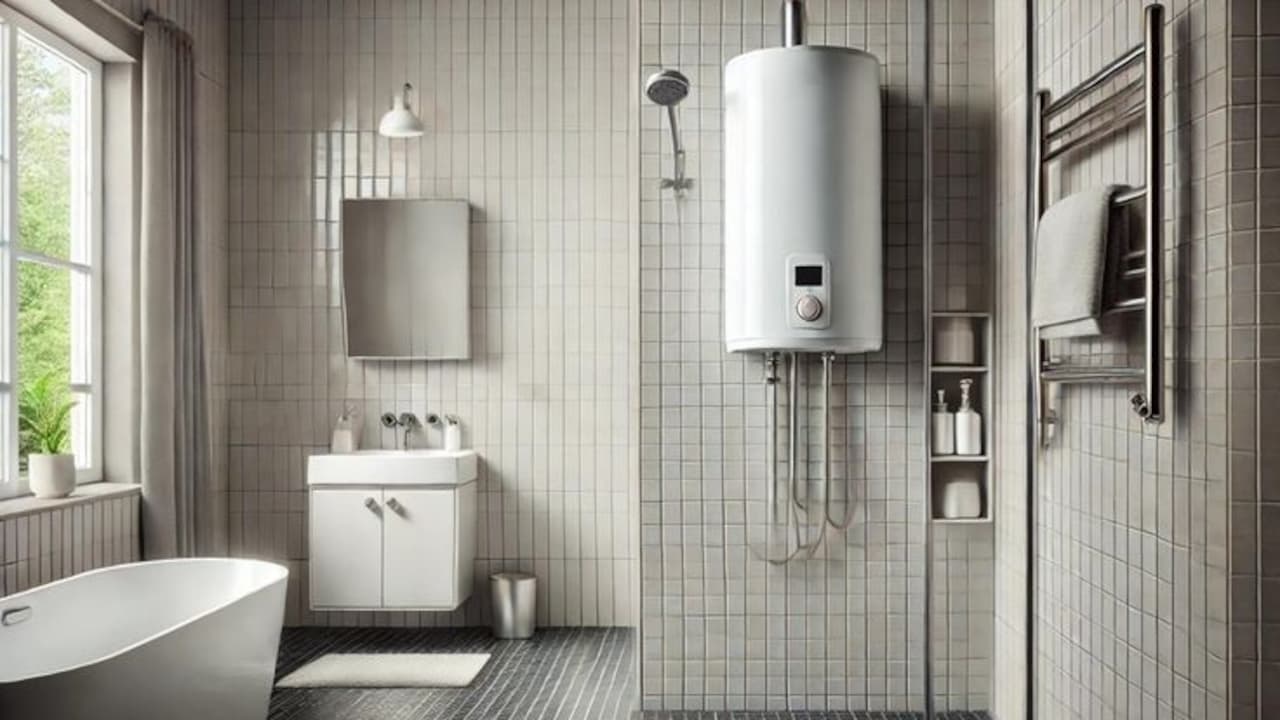
10 Reasons Geyser Water Turns Cold Before The Tank Is Empty And What To Check
Find out why geyser water turns cold before the tank is empty. From thermostat faults and sediment build-up to high water flow, these 10 common causes can help you spot the problem and know what to check.
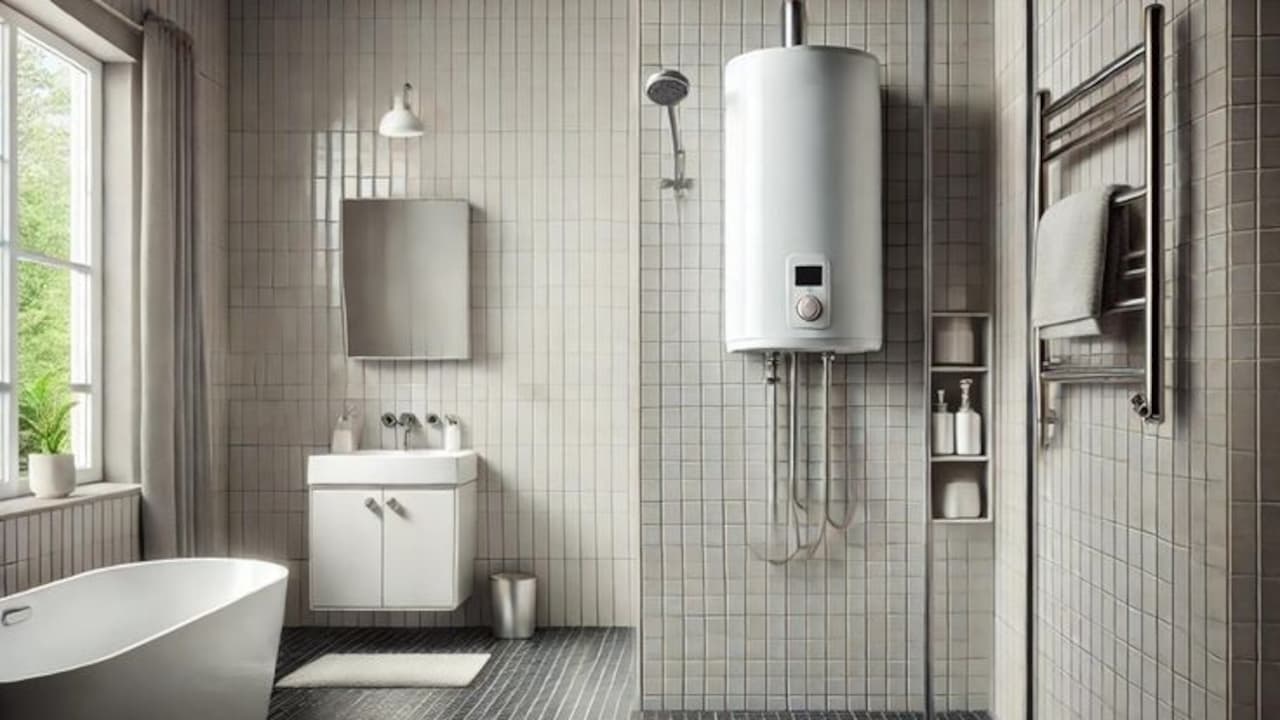
Geyser Water Turning Cold Too Soon? 10 Reasons And What To Check
A warm shower on a chilly morning can feel like one of life's small luxuries. Everything seems perfect until, halfway through shampooing, the water suddenly turns cold. The geyser tank is nowhere near empty, yet the comforting hot-water supply has apparently packed its handbags and left. This behaviour is more common than many households realise. A storage geyser does not contain one perfectly uniform tank of hot water. Cold water enters as hot water leaves, temperatures vary within the tank, and several components work together to maintain the expected supply. If any part of that arrangement stops behaving properly, the usable hot water may disappear long before the tank actually empties. Sometimes the explanation is simple. Perhaps the shower is drawing water faster than expected. In other cases, sediment, thermostat trouble or a damaged heating element may be involved. Before blaming the geyser entirely, it helps to understand the possibilities. The following ten causes explain why the water can turn cold surprisingly early and what deserves checking first.
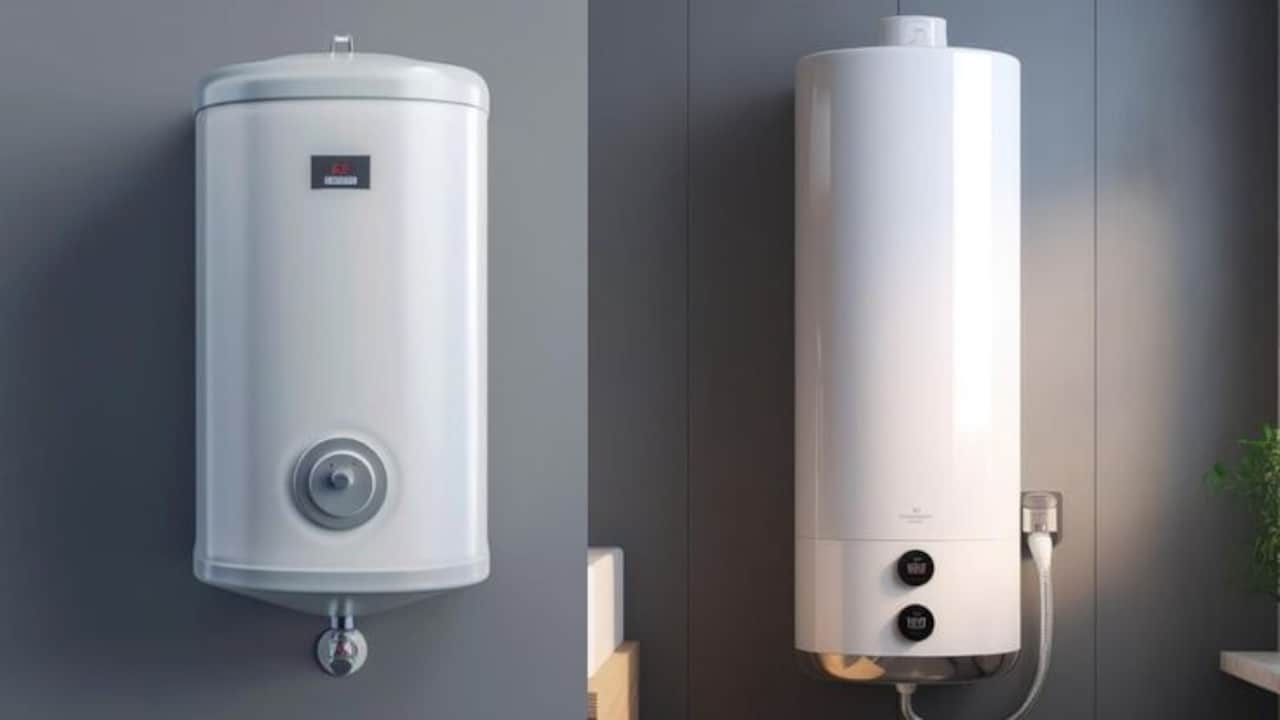
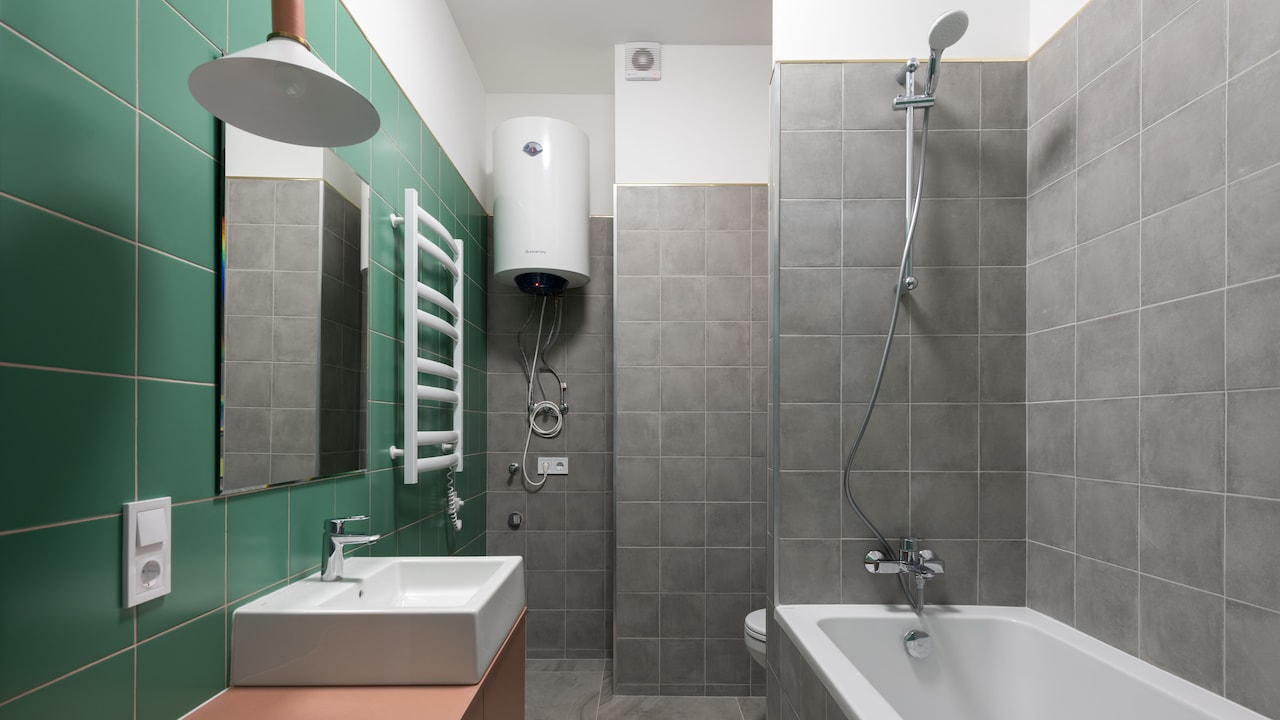
Geyser Water Turning Cold Too Soon? 10 Reasons And What To Check; Photo Credit: Pexels
Why Your Geyser Runs Out Of Hot Water Too Soon
1. Cold Water Is Mixing Into The Tank Too Quickly
Every time hot water leaves a storage geyser, cold water enters to replace it. That process is completely normal. Problems begin when incoming cold water mixes with the heated water faster than expected.
Most storage geysers rely on natural temperature layering. Hot water tends to remain towards the upper portion of the tank, while colder replacement water stays lower until the heating element warms it. If internal circulation becomes excessive, those layers can mix together.
The result feels confusing from the bathroom. There may still be plenty of water inside the tank, but its overall temperature has dropped sharply.
This becomes more noticeable during winter, when inlet water can be considerably colder. A geyser that seemed perfectly adequate in May may suddenly feel undersized in December.
Check whether the problem becomes worse during colder months or when several people use hot water one after another. Also notice whether the temperature falls gradually rather than instantly.
A gradual decline often points towards normal cold-water replacement happening faster than the heater can recover. Reducing water flow slightly can sometimes stretch the useful hot-water supply surprisingly well.
Also Read: Enjoy Hot Showers: Top 5 Geysers With Quick Heating And Low Power Use For Winters
2. The Shower Flow Rate Is Too High
A powerful shower feels wonderful, but it can empty the geyser's usable hot-water reserve with impressive enthusiasm.
Suppose a bathroom has a 15-litre storage geyser. A high-flow shower can consume several litres every minute. Even though cold water continuously replaces what leaves the tank, that replacement water is not immediately hot.
The tank therefore remains physically full while the proportion of properly heated water drops.
This often creates the impression that the geyser has a fault when the appliance is simply being asked to deliver hot water faster than it can sustain.
Try reducing the shower flow and observe whether warm water lasts noticeably longer. If it does, the geyser may be operating normally.
Mixer taps can also hide how much hot water they consume. Turning the handle towards the hot side may draw more water from the geyser than expected.
Families upgrading to rain showers sometimes notice this problem soon afterwards. The stylish new fitting delivers a spa-like experience, but the old geyser was chosen for a much gentler flow rate.
Matching geyser capacity with actual bathroom usage matters just as much as choosing the temperature setting.
3. The Heating Element Is Losing Efficiency
The heating element does the hard work inside an electric geyser. When it begins failing, the tank may still heat, but not as effectively as it once did.
That partial performance can be deceptive.
The water near the element may become hot enough for the first few minutes of use, creating the impression that everything is normal. Once that hotter portion leaves the tank, however, the remaining water may feel lukewarm or cold.
Heating elements can deteriorate with age, electrical stress and mineral deposits. Heavy scaling creates another problem by forming an insulating layer around the element. Instead of transferring heat efficiently to the water, more energy gets trapped around the scaled surface.
One clue is unusually slow heating. If the geyser previously needed around 15 minutes to deliver comfortably hot water but now takes far longer, the element deserves attention.
Another warning sign is inconsistent heating despite unchanged settings.
Electrical components inside a geyser should not be handled casually. A qualified technician can test element resistance and inspect its condition safely.
Replacing a weak element may restore performance without requiring an entirely new geyser, which can save a household a substantial ₹ amount.
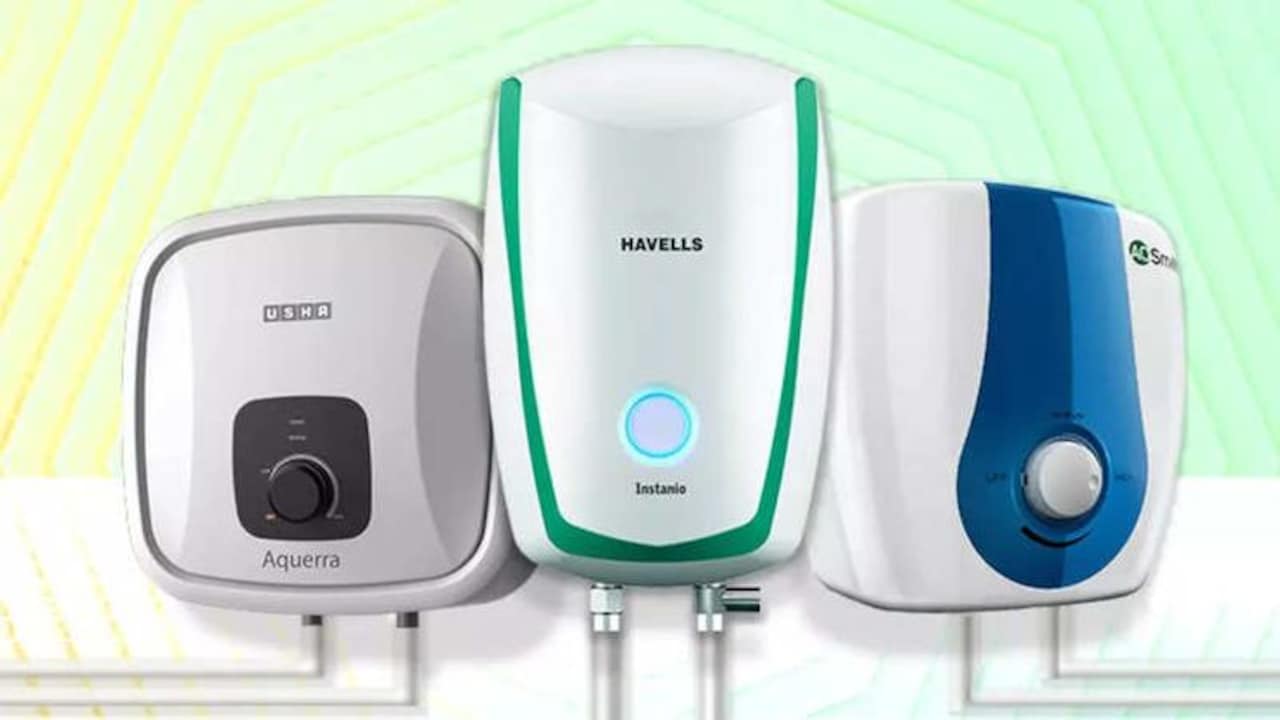
Geyser Water Turning Cold Too Soon? 10 Reasons And What To Check; Photo Credit: Amazon
4. The Thermostat Is Switching Off Too Early
The thermostat acts like the geyser's temperature referee. It monitors heat and tells the heating system when to stop.
If the thermostat becomes inaccurate, it may decide the water is hot enough when it actually is not.
Imagine setting the geyser to provide comfortably hot water while the thermostat cuts power several degrees too early. The first water leaving the tank may still feel warm, particularly during mild weather. As cooler replacement water enters, though, the limited stored heat disappears quickly.
This creates a frustrating situation where the geyser appears to work but never provides its expected hot-water duration.
Check whether the water seems less hot than it used to be even when the temperature setting has not changed. Also notice whether increasing the thermostat setting makes little difference.
Avoid repeatedly turning the thermostat to maximum in an attempt to compensate. Excessively hot water raises the risk of scalding and may place unnecessary stress on the appliance.
A technician can test thermostat accuracy and determine whether recalibration or replacement is needed.
Sometimes the smallest component causes the biggest bathroom drama.
5. Sediment Has Reduced The Effective Tank Capacity
Hard water carries dissolved minerals that can gradually settle inside a storage geyser. Over time, those deposits can accumulate at the bottom of the tank.
The geyser may still say 15 litres or 25 litres on the label, but sediment can reduce how much water effectively participates in heating.
Think of it as buying a full cinema ticket only to discover someone has filled part of the seat with luggage. The space technically exists, but it is not particularly useful.
Mineral deposits can also coat heating elements and slow heat transfer. Together, these effects reduce both usable capacity and heating efficiency.
Warning signs may include popping or crackling sounds during heating, longer heating times and a noticeable decline in hot-water duration over the years.
Areas with hard water tend to experience scaling more quickly, particularly when the geyser runs at high temperatures.
Periodic professional descaling can help maintain performance. The ideal service interval depends on local water quality and usage.
Do not pour random household chemicals into the appliance. Geyser tanks, seals and heating components require suitable cleaning methods.
A proper inspection can reveal whether sediment is quietly stealing litres from the hot-water supply.
6. The Dip Tube Is Damaged Or Displaced
Inside many storage water heaters, incoming cold water does not simply splash into the tank wherever it likes. A dip tube directs that cold water towards the lower part of the tank.
This arrangement protects the hotter water near the top, where the outlet usually draws from.
When the tube cracks, breaks or shifts out of position, incoming cold water may enter higher in the tank. It can then mix directly with the hot water destined for the shower.
The effect can be dramatic. Water begins nicely hot and then turns cool far sooner than the tank capacity suggests it should.
Because the dip tube sits inside the unit, spotting the problem from outside is difficult. One useful clue is a sudden decline in hot-water duration even though the heating time and initial temperature remain normal.
Older units may be more vulnerable simply because internal plastic parts can deteriorate over time.
A service technician can inspect the inlet arrangement and determine whether the tube needs replacement.
This is one of those faults that makes a geyser behave as though it has mysteriously shrunk overnight, even though the tank itself remains completely intact.
Geyser Water Turning Cold Too Soon? 10 Reasons And What To Check; Photo Credit: Amazon
7. The Geyser Capacity Is Too Small For Current Usage
Sometimes nothing is broken at all. Household habits have simply outgrown the geyser.
A small storage unit may have worked perfectly when one person used the bathroom. Add another family member, longer showers or a high-flow showerhead and the same geyser can suddenly feel inadequate.
Hot-water demand also changes with the season. During warmer months, people naturally mix more cold water into the shower. In winter, considerably more hot water may be required to reach the same comfortable bathing temperature.
That difference can make an otherwise functional geyser appear faulty.
Consider the pattern rather than focusing only on one disappointing shower. Does the first person get enough hot water while the next person struggles? Does the problem mainly appear when showers run longer than usual?
If so, capacity may be the real issue.
Allowing recovery time between showers can help. Lowering flow rate may also improve comfort.
When replacement becomes necessary, choose capacity based on actual household habits rather than simply purchasing the same size again. Paying a little more in ₹ for suitable capacity can be more sensible than spending years racing against cold water every morning.
8. The Mixer Tap Is Allowing Cold Water To Cross Over
Not every apparent geyser problem actually begins inside the geyser.
Faulty mixer taps or shower cartridges can allow cold water to cross into the hot-water line. When that happens, the temperature at the shower may suddenly fall even though genuinely hot water remains available in the tank.
This can be particularly confusing because the geyser itself may pass every basic test.
A useful comparison is to check hot water from another outlet. If the washbasin tap continues delivering hot water while the shower turns cold, the shower mixer deserves suspicion.
Single-lever mixers contain cartridges that control hot and cold water blending. Wear, debris or damaged seals can interfere with that balance.
Pressure differences between the hot and cold supply can make the issue more noticeable.
Try observing whether the problem occurs only at one fixture. If every hot-water outlet behaves similarly, the geyser becomes a more likely culprit. If one shower alone creates trouble, check the mixer before paying for unnecessary geyser repairs.
Sometimes the appliance gets blamed simply because it is the largest object connected to the problem.
9. Voltage Fluctuations Are Affecting Heating Performance
Electric geysers depend on a stable electrical supply. Significant voltage fluctuations can interfere with how quickly the heating element raises water temperature.
This may be easy to miss because the indicator light can still glow, giving every appearance that heating is happening normally.
In reality, reduced voltage can mean slower heating. If someone starts using the geyser before the full tank reaches the intended temperature, the hottest layer may run out quickly.
The problem may appear intermittent, especially if voltage conditions vary during periods of heavy neighbourhood electricity demand.
Notice whether heating performance changes by time of day. Also check whether lights dim noticeably or other high-power appliances behave unusually at the same time.
Do not attempt electrical testing inside the geyser unless properly qualified. Water and mains electricity are a combination that deserves zero improvisation.
An electrician can measure supply voltage and inspect wiring, switches and connections. Loose electrical connections can also reduce performance and create a safety hazard.
Where power quality regularly causes trouble, ask a qualified professional whether appropriate electrical protection makes sense for the installation.
The geyser cannot heat properly if the electricity feeding it keeps changing the rules.
10. The Geyser Is Losing Heat Faster Than Expected
A well-insulated storage geyser should keep water hot for a reasonable period after heating stops. If insulation has deteriorated or the tank loses heat unusually quickly, the water may cool before anyone expects it to.
This problem can become noticeable in older appliances.
Heat loss also depends on installation conditions. A geyser exposed to colder surroundings may lose stored heat faster than one installed in a protected indoor space.
Long stretches of uninsulated hot-water piping create another source of temperature loss. Water may leave the tank properly heated but cool while travelling towards a distant bathroom.
Check whether water is hot immediately after the heating cycle but considerably cooler after standing for some time. The exterior of the geyser can provide another clue. If the outer casing feels unusually warm, excessive heat may be escaping through the insulation.
Long pipe runs should also be considered, particularly in larger homes.
Proper pipe insulation can reduce unnecessary heat loss and improve comfort at the tap.
When tank insulation itself has deteriorated badly, repair may not always be practical. For an ageing unit, replacement with a modern energy-efficient model could make more financial sense than repeatedly spending ₹ on temporary fixes.
Products Related To This Article
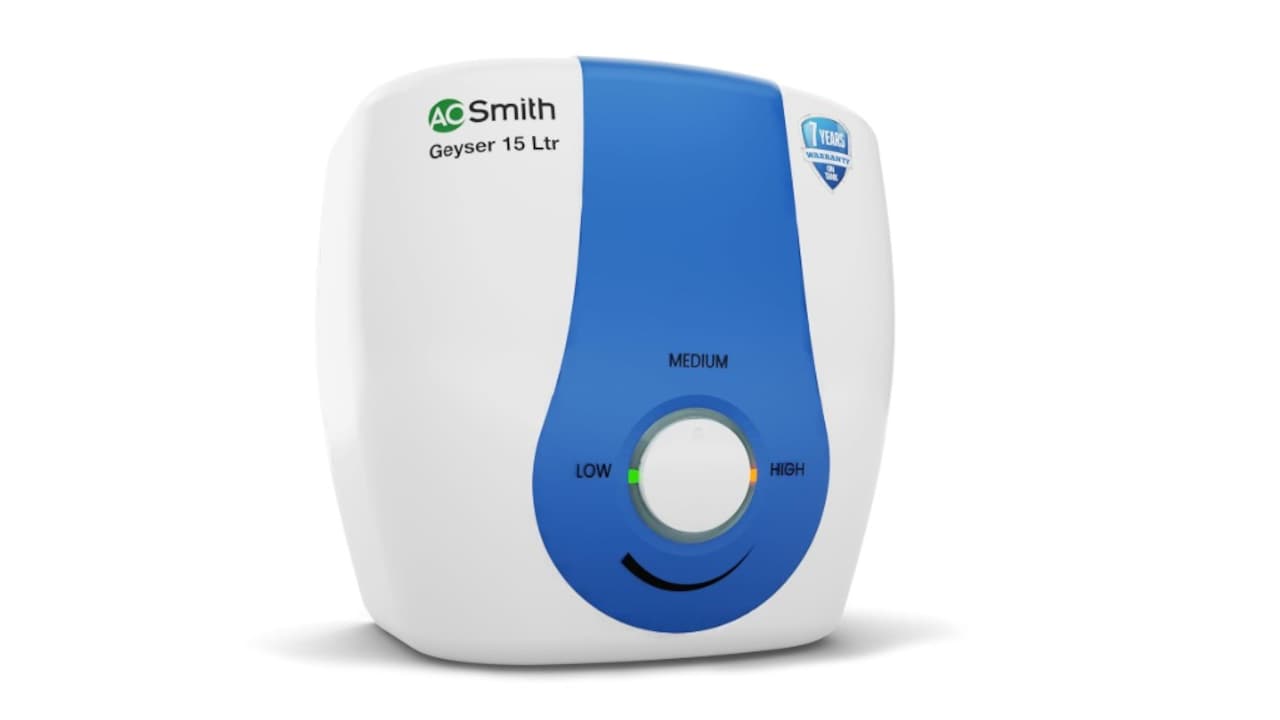
1. AO Smith Geyser 15 Litre 5 Star Rating (BEE)
2. Crompton Arno Neo 25-L 5 Star Rated Storage Water Heater
3. Longway Superb 10 Liters 5 Star Rated Automatic Instant Water Heater for Home
4. Crompton Arno Neo 5 Litre Instant Water Heater
5. Usha Misty 10 Ltr 2000-Watt 5 Star Storage Water Heater
6. Usha Instafresh Neo 5 Litre Instant Water Heater
7. Havells Signa 5L Instant Water Heater
A hot water geyser that turns cold before the tank is empty does not automatically need replacing. The cause may be a high shower flow, winter inlet temperatures, a troublesome mixer tap or simple capacity limitations. It may also signal a more technical problem involving the thermostat, heating element, dip tube, sediment build-up or electrical supply.
The pattern usually provides the first clue.
Water that cools gradually may suggest rapid consumption or cold-water mixing. A sudden temperature drop can point towards internal mixing or plumbing trouble. Slow heating may indicate scaling, voltage issues or a weakening element. Problems isolated to one shower may have nothing to do with the geyser itself.
Start with the simple observations before reaching for the repair bill. Check flow rate, heating time, different taps and usage patterns. Those small details can help a technician diagnose the issue faster if professional attention becomes necessary.
Most importantly, treat electrical repairs with care. A geyser combines water, high temperatures and mains electricity, so internal electrical work belongs in trained hands.
Because when the morning schedule is already tight, nobody wants the shower turning into an unexpected cold-water challenge.
(Disclaimer: This article may include references to or features of products and services made available through affiliate marketing campaigns. NDTV Convergence Limited (“NDTV”) strives to maintain editorial independence while participating in such campaigns. NDTV does not assume responsibility for the performance or claims of any featured products or services.)