10 Floor-Cleaning Mistakes That Make Glossy Tiles Look Dull After Steam Mopping
Steam mopping can leave glossy tiles looking cloudy, streaky and dull. These 10 common cleaning mistakes may be ruining the shine and making freshly cleaned floors look worse.
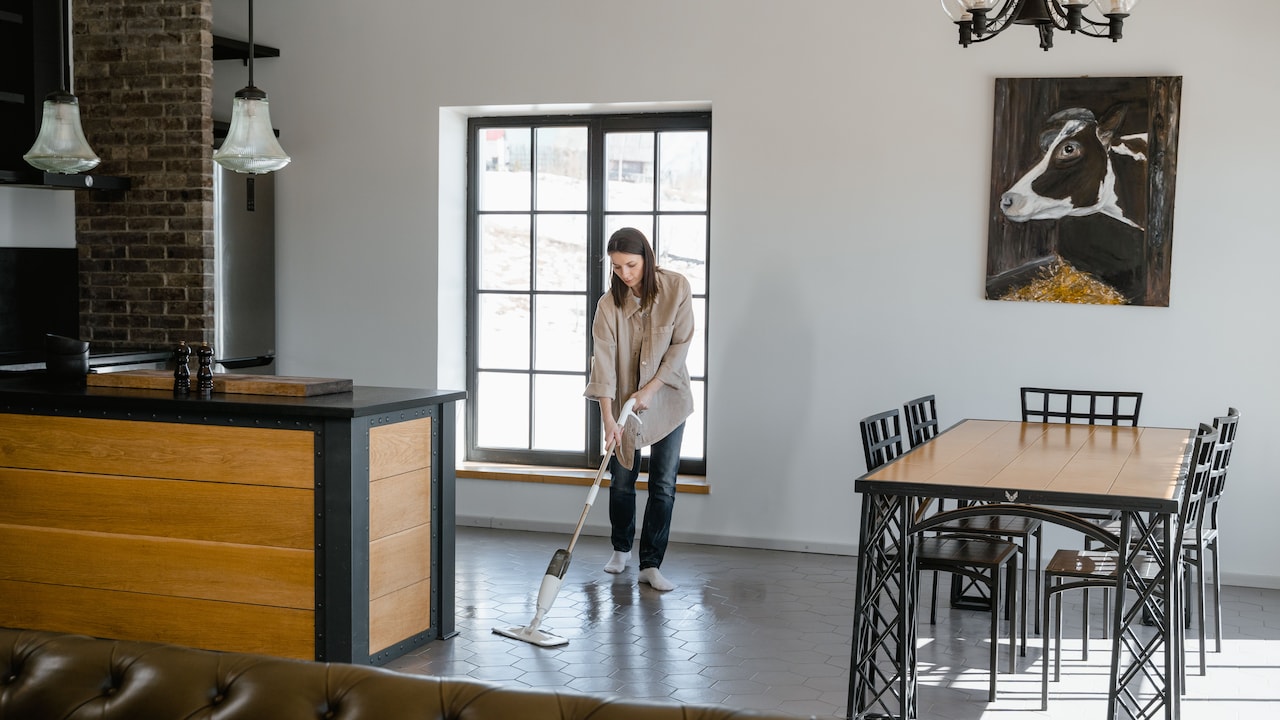
Why Glossy Tiles Look Dull After Steam Mopping: 10 Common Mistakes
There is something deeply satisfying about a freshly cleaned glossy floor. Sunlight bounces off it; the room suddenly looks brighter, and even an ordinary living room sofa seems to sit a little more proudly. Then comes the disappointment: the steam mop dries, the floor looks cloudy, and mysterious streaks appear exactly where a sparkling finish should have been. It is tempting to blame the machine. In many homes, however, dullness after steam mopping comes from the cleaning routine rather than the appliance. Glossy tiles show everything. Fine dust, mineral deposits, detergent residue, grease and even the marks left by an overworked mop pad become painfully obvious on a reflective surface. The good news is that most of these mistakes require no expensive fix. A few changes in preparation, water choice, technique and maintenance can make a noticeable difference. Before considering new tiles, stronger cleaners or another steam mop, check whether one of these ten habits has quietly been taking the shine away.

Why Glossy Tiles Look Dull After Steam Mopping: 10 Common Mistakes; Photo Credit: Pexels
Common Steam-Mopping Mistakes That Steal The Shine From Glossy Tiles
1. Steam Mopping Before Removing Loose Dust
Taking a steam mop straight to a dusty floor feels efficient. Unfortunately, glossy tiles rarely reward shortcuts.
Fine dust, hair, crumbs and grit sit loosely on the surface before cleaning. Once moisture from the steam reaches them, that dry debris can turn into a thin muddy film. Instead of lifting everything away, the mop may spread the mixture across the tiles. When the floor dries, the result can look cloudy rather than polished.
Kitchen floors make this especially obvious. A little atta dust near the counter, spice particles around the cooking area or soil carried in on footwear may seem harmless. Add steam, though, and those tiny particles can travel surprisingly far.
Always sweep or vacuum thoroughly before bringing out the steam mop. Pay special attention to corners, edges and grout lines, where dust loves to gather.
This extra step may feel like doing the floor twice, but it actually makes steam cleaning easier. The mop can tackle grime instead of pushing loose dirt around, while glossy tiles have a much better chance of drying clear, smooth and streak-free.
Also Read: Steam Mop Vs Regular Mop: Uncovering The Best Tool For Your Home
2. Filling The Steam Mop With Hard Tap Water
Water looks innocent enough, but its mineral content can make a big difference to glossy flooring.
Hard tap water contains minerals such as calcium and magnesium. When steam evaporates, tiny mineral deposits may remain behind. On matt flooring, these marks can hide reasonably well. Glossy tiles, however, behave almost like mirrors. A faint chalky layer suddenly becomes visible when daylight hits the floor.
The problem can become more noticeable after repeated cleaning. Each session may leave only a tiny amount of residue, but those deposits can gradually build up and soften the tile's natural shine.
Hard water may also create scale inside the steam mop, which can affect its performance over time. Check the manufacturer's guidance before choosing water, as appliance requirements vary. If the instructions allow it, distilled or demineralised water can help reduce mineral residue.
There is no need to panic after one cleaning session with tap water. The issue usually comes from repeated use in areas with mineral-heavy water.
If freshly steam-mopped tiles regularly dry with pale spots or a hazy appearance, the water itself deserves a closer look before the floor cleaner gets blamed.
3. Adding Floor Cleaner To The Water Tank
When a floor looks particularly dirty, pouring a little cleaning liquid into the steam mop tank can seem like a clever upgrade. More cleaning power should mean more shine, right?
Not necessarily.
Many steam mops work with water alone, and manufacturers often warn against adding detergents, disinfectants, essential oils or homemade cleaning mixtures to the reservoir. These products can interfere with internal components. They can also leave residue on the floor.
Glossy tiles make detergent film easy to spot. Rather than producing that crisp, polished finish, too much product can create smeary marks that seem to move around every time the mop passes over them. The floor may technically contain less dirt yet still look less clean.
Always follow the appliance instructions regarding what can go into the tank. If a suitable tile cleaner needs to tackle stubborn grime, use it separately and according to its label instead of turning the steam reservoir into a chemistry experiment.
A glossy floor usually needs less product than people expect. Steam loosens grime through heat and moisture. Giving it an unapproved cocktail of cleaner and fragrance may simply swap one problem for another, with a repair bill waiting in the background.
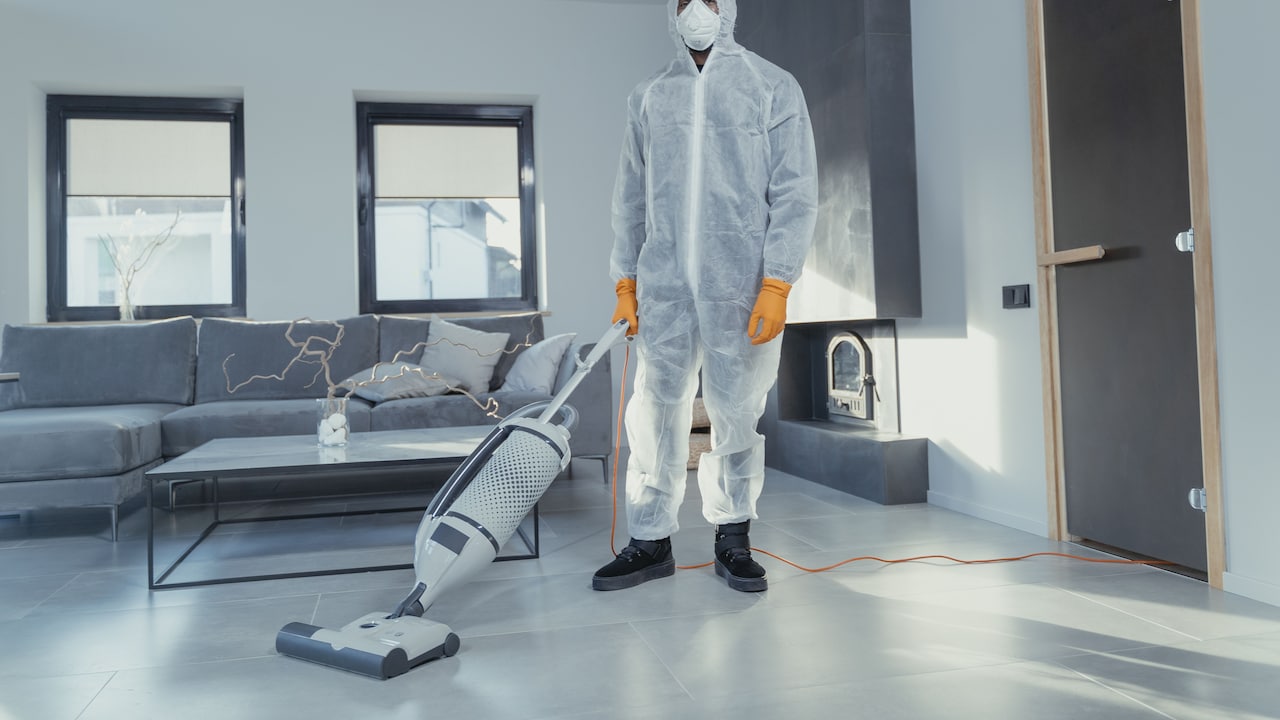
Why Glossy Tiles Look Dull After Steam Mopping: 10 Common Mistakes; Photo Credit: Pexels
4. Using A Dirty Or Overloaded Mop Pad
A steam mop pad has a thankless job. It picks up dust, kitchen grease, dried footprints and whatever else the household has carried across the floor. Yet it often gets expected to clean an entire home without a change.
Once a pad becomes saturated with dirt, it stops collecting grime efficiently. Instead, it can start redistributing that grime across the tiles. On a glossy surface, the evidence appears as dark streaks, cloudy trails or sections that seem cleaner from one direction and duller from another.
The problem often starts in kitchens and entryways, where floors collect more grease and outdoor dirt. Using the same pad afterwards in the living room may simply transport that residue to cleaner areas.
Keep spare pads nearby and change them as soon as one looks heavily soiled. For larger homes, using two or three pads during one cleaning session can make a bigger visual difference than buying a stronger cleaning product.
Wash reusable pads according to the manufacturer's instructions, and avoid products that leave heavy fabric-softening residue on the fibres.
Think of the mop pad like a cleaning cloth. Nobody would wipe ten dirty kitchen counters with the same filthy rag and expect a sparkling finish. Floors deserve the same logic.
5. Moving The Steam Mop Too Slowly
A stubborn mark often triggers an understandable reaction: hold the steam mop over it until it gives up.
That can create trouble.
Steam works through heat and moisture, so leaving the mop stationary or moving painfully slowly can expose one section of flooring to more moisture than necessary. The exact risk depends on the tile, grout, adhesive and manufacturer's recommendations, but excessive steaming rarely improves the final shine.
On glossy tiles, slow movement can also lead to uneven drying. Some areas receive much more moisture than others, producing visible patches or streaks as the floor dries.
Use steady, controlled passes rather than treating the steam mop like an iron pressed onto a difficult crease. If a sticky spot refuses to lift, tackle it separately with a method suitable for the particular tile rather than repeatedly steaming the same square.
Grout deserves particular care too. Flooding it with unnecessary moisture serves little purpose.
Cleaning should feel rhythmic: move forward, draw back and continue across manageable sections. The mop needs enough contact time to loosen grime, but not a lengthy tea break on every stubborn mark. Consistent movement usually gives glossy tiles a more even finish and reduces the chance of patchy-looking results.
6. Steam Cleaning A Greasy Floor Without Degreasing First
Kitchen tiles collect a type of dirt that ordinary dusting cannot solve: grease.
Cooking vapours can settle on flooring gradually, especially around the hob and nearby counters. Add tiny food splashes and everyday foot traffic, and the surface may develop a thin greasy layer that barely shows until cleaning starts.
Steam can loosen grease, but a heavily coated floor may overwhelm the mop pad. Instead of removing the entire film, the pad can spread softened grease over a wider area. Once dry, glossy tiles may look smeared, hazy or oddly rainbow-like under bright light.
If the floor feels slightly tacky even after cleaning, grease could be the hidden culprit.
For heavy build-up, use a tile-compatible degreasing method before steam mopping. Follow the product instructions carefully and make sure the floor does not retain cleaner residue. The goal is to remove the greasy layer, not replace it with a detergent layer.
Regular kitchen maintenance also helps. Wiping spills promptly and cleaning high-traffic cooking zones more often prevents grime from turning into a major weekend project.
Steam mops work best as part of a sensible routine. Asking one pad to defeat months of cooking residue in a single dramatic pass usually ends with a disappointed floor owner and tiles that look worse under the tube light.
7. Going Over The Floor Too Many Times
Glossy tiles can encourage perfectionism. One streak appears, so the mop comes back. Then another patch looks different, so the area gets another pass. Before long, the floor has received more attention than a wedding-stage dance routine.
Repeated passes do not always create extra shine.
Each trip across the floor adds more moisture and gives the pad another opportunity to redistribute residue. If the pad has already collected dirt, additional passes can simply move that contamination backwards and forwards. The floor may dry unevenly, leaving the very streaks that triggered all the extra cleaning.
A better approach involves working in organised sections. Sweep or vacuum first, use a clean pad, then move across each section with consistent overlapping strokes. Change the pad when necessary rather than repeatedly attacking the same tiles.
Afterwards, allow the floor to dry before judging the result. Glossy tiles can look temporarily uneven while moisture remains on the surface.
If marks persist after drying, identify the cause instead of automatically adding more steam. Mineral residue, grease or leftover detergent may require a different solution.
Sometimes the secret to a shinier floor is knowing when to stop cleaning it.
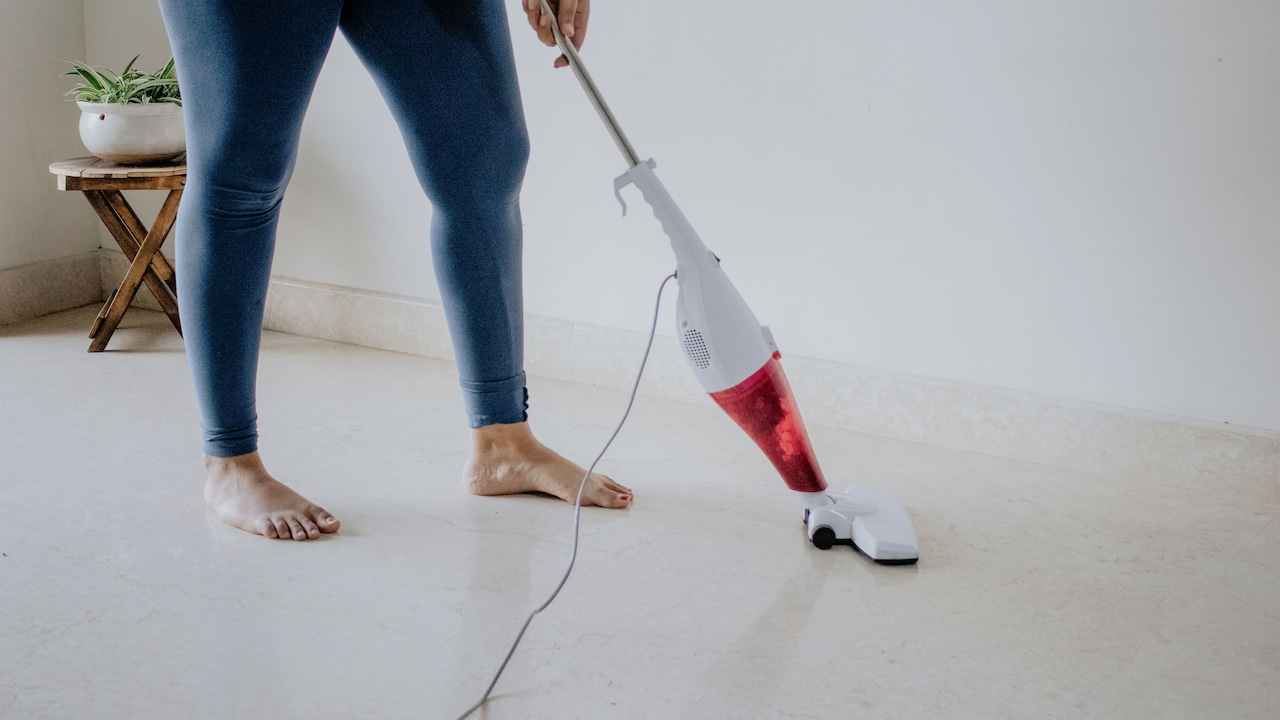
Why Glossy Tiles Look Dull After Steam Mopping: 10 Common Mistakes; Photo Credit: Pexels
8. Ignoring Old Detergent And Polish Residue
Steam mopping often gets accused of creating dullness that was already hiding on the floor.
Years of conventional mopping can leave small amounts of detergent behind, particularly when too much cleaner goes into the bucket. Certain shine-enhancing products and floor polishes may also build up over time. The surface can look acceptable until heat and moisture soften that old residue.
Then the steam mop starts moving it around.
The result can resemble cloudy swirls, sticky patches or dull areas that refuse to disappear no matter how many times the floor gets steamed. Adding more cleaning product usually makes matters worse because the residue layer grows rather than disappears.
If glossy tiles once looked bright but have gradually developed a hazy film, product build-up deserves investigation. Check the tile manufacturer's guidance for safe residue-removal methods. Different materials and finishes tolerate different cleaners, so an aggressive DIY mixture can cause more harm than the original film.
Going forward, measure cleaning products rather than pouring by instinct. That generous extra splash from the bottle rarely translates into extra cleanliness.
A floor should not need enough detergent to smell clean from the staircase. With glossy tiles, restraint often produces the sharper finish.
9. Walking On The Tiles Before They Dry
Freshly steam-mopped flooring creates an irresistible household challenge: someone will suddenly need to cross the room.
Bare feet, slippers, school shoes and excited pets all seem to appear at precisely the wrong moment.
Walking over damp glossy tiles can leave footprints, smears and uneven marks before the remaining moisture evaporates. Skin oils from bare feet can also transfer to the surface. Because polished tiles reflect light so strongly, even faint prints can stand out once the floor dries.
Plan the cleaning route so nobody gets trapped at the far end of the room. Start away from the exit and work backwards where practical. Keep children and pets out of the area for a short while, and avoid returning furniture or floor mats until the surface has dried properly.
Ventilation can help speed things along. Open windows or use a fan where suitable, particularly during humid weather when floors take longer to dry.
This mistake sounds almost too simple to matter, yet it explains many mysterious marks that seem to appear after successful cleaning.
Sometimes the steam mop has done its job perfectly. The problem arrives five minutes later wearing chappals and asking whether the floor is still wet.
10. Assuming Every Glossy Tile Can Handle Steam
The word "tile" covers a surprisingly broad range of materials, finishes and installation methods. A surface that looks sturdy does not automatically make it suitable for steam cleaning.
Many sealed ceramic and porcelain floors may tolerate steam when the manufacturer permits it. Other surfaces, coatings, damaged grout lines or installation systems may react differently to heat and moisture. Problems can also arise when tiles have cracks, weakened joints or compromised sealing.
This makes one habit especially important: check the flooring and steam mop manufacturer's care instructions before cleaning.
Do not rely solely on appearance. Two glossy floors can look almost identical while requiring very different maintenance. If the tiles came with care documentation, follow it. When the material remains uncertain, identify it before making steam part of the regular routine.
A small test in an inconspicuous area can also reveal obvious streaking or finish problems, although it cannot replace manufacturer guidance.
Steam cleaning works brilliantly in the right setting, but it is not a universal badge of modern housekeeping.
The shiniest machine in the cupboard cannot compensate for using the wrong method on the wrong surface. Sometimes protecting the gloss means choosing a gentler cleaning approach altogether.
Products Related To This Article
1. Shark Clean & Empty BU3521INT Cordless Stick Vacuum with Auto-Empty Dock
2. Nexlev 10-in-1 Foldable Steam Cleaner & Mop| 2 Steam Modes
3. NUUK REN PRO Cordless Stick Vacuum Cleaner for Home, Carpet & Pet Hair
4. Domestica Steamo 10-In-1 Steam Cleaner For Home Cleaning With 2 Steam Modes
5. Shark Steam & Scrub S8201IN Steam Mop
6. Domestica Steamo 10-In-1 Steam Cleaner For Home Cleaning
7. AGARO Regency Electric Spin Mop for Floor Cleaning
A dull finish after steam mopping does not automatically mean glossy tiles have lost their shine forever. More often, the culprit sits somewhere in the cleaning routine: loose dust, hard water, detergent residue, grease, a dirty pad or simply too many enthusiastic passes.
Glossy flooring demands consistency more than aggression. Remove dry debris first, use the steam mop exactly as its manufacturer recommends, keep pads clean and allow the floor enough time to dry without foot traffic. Most importantly, make sure the tiles themselves suit steam cleaning.
There is also no prize for using the strongest product, the hottest technique or the greatest number of passes. Floors do not appreciate effort in the same sentimental way people do. They respond to the right method.
Once those small habits fall into place, maintaining the shine becomes far less frustrating. Instead of chasing cloudy patches around the room every weekend, the cleaning routine becomes simpler, quicker and more predictable. And when afternoon sunlight finally hits those glossy tiles without revealing a maze of streaks, that quiet little sparkle feels like a household victory worth noticing.
(Disclaimer: This article may include references to or features of products and services made available through affiliate marketing campaigns. NDTV Convergence Limited (“NDTV”) strives to maintain editorial independence while participating in such campaigns. NDTV does not assume responsibility for the performance or claims of any featured products or services.)