10 Reasons Microwave Popcorn Burns Before Every Kernel Pops And How To Reduce Waste
Microwave popcorn can burn before every kernel pops due to uneven heating, excess power, low moisture and poor timing. These simple fixes can help you get fluffier popcorn, fewer burnt pieces and less waste.
10 Reasons Microwave Popcorn Burns And How To Stop Wasting Kernels
Few snack preparations create quite as much suspense as microwave popcorn. At first, nothing happens. Then comes one lonely pop, followed by another, before the bag suddenly sounds like a tiny Diwali celebration inside the microwave. The smell drifts through the kitchen, expectations rise, and then comes the difficult question: when should the microwave stop? Leave it running too long and the pleasant buttery aroma can turn smoky within seconds. Stop too early and the bottom of the bag may contain enough unpopped kernels to start a miniature corn collection. This frustrating result comes from a simple fact: popcorn kernels do not all pop at exactly the same moment. Each kernel contains moisture that must heat, turn into steam and create enough pressure to burst the outer shell. Differences in moisture, temperature and microwave energy mean some kernels reach that point sooner than others.
10 Reasons Microwave Popcorn Burns Before Every Kernel Pops And How To Reduce Waste
Photo Credit: Pexels
That does not mean every popcorn session must end with burnt pieces or a pile of wasted kernels. A few practical changes can make a noticeable difference.
Why Microwave Popcorn Burns Before Every Kernel Pops
1. Microwave Power Can Be Higher Than The Packet Expects
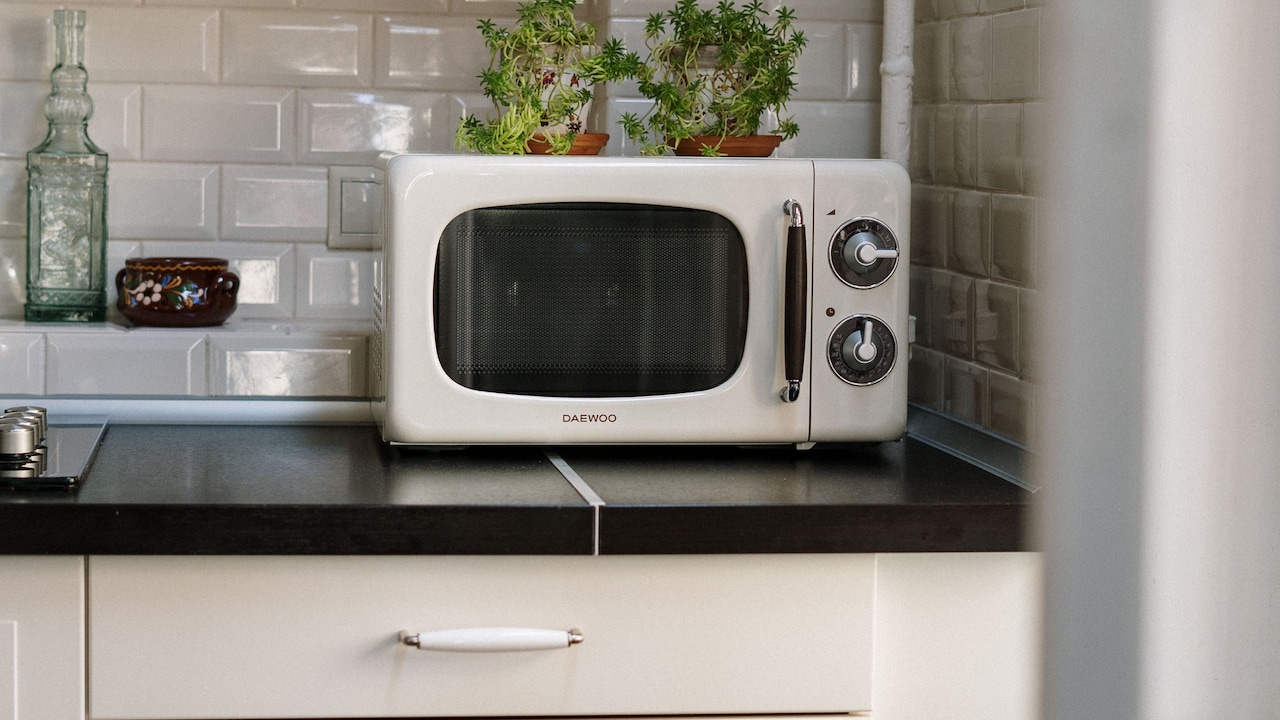
Microwave popcorn instructions often suggest a cooking time, but that number cannot perfectly suit every appliance. A compact microwave in a rented flat may heat very differently from a powerful new model sitting in a family kitchen.
Microwave wattage matters because higher-powered machines transfer energy faster. A bag designed around moderate heating may begin scorching well before the suggested maximum time in a powerful appliance. Meanwhile, several kernels may still remain unopened.
Rather than treating the printed cooking time as a deadline, consider it an approximate guide. The sound of the popping offers a better clue. Once the rapid popping slows considerably, continuing to heat the bag simply to reach the stated time increases the chance of burning.
The first attempt with a new popcorn brand may require some attention. Note roughly when the popping begins to slow and use that experience for the next bag. Shaving even 15 or 20 seconds off the usual cooking time can sometimes prevent an entire batch from developing that unmistakable burnt-toast smell.
2. Kernels Naturally Contain Different Amounts Of Moisture
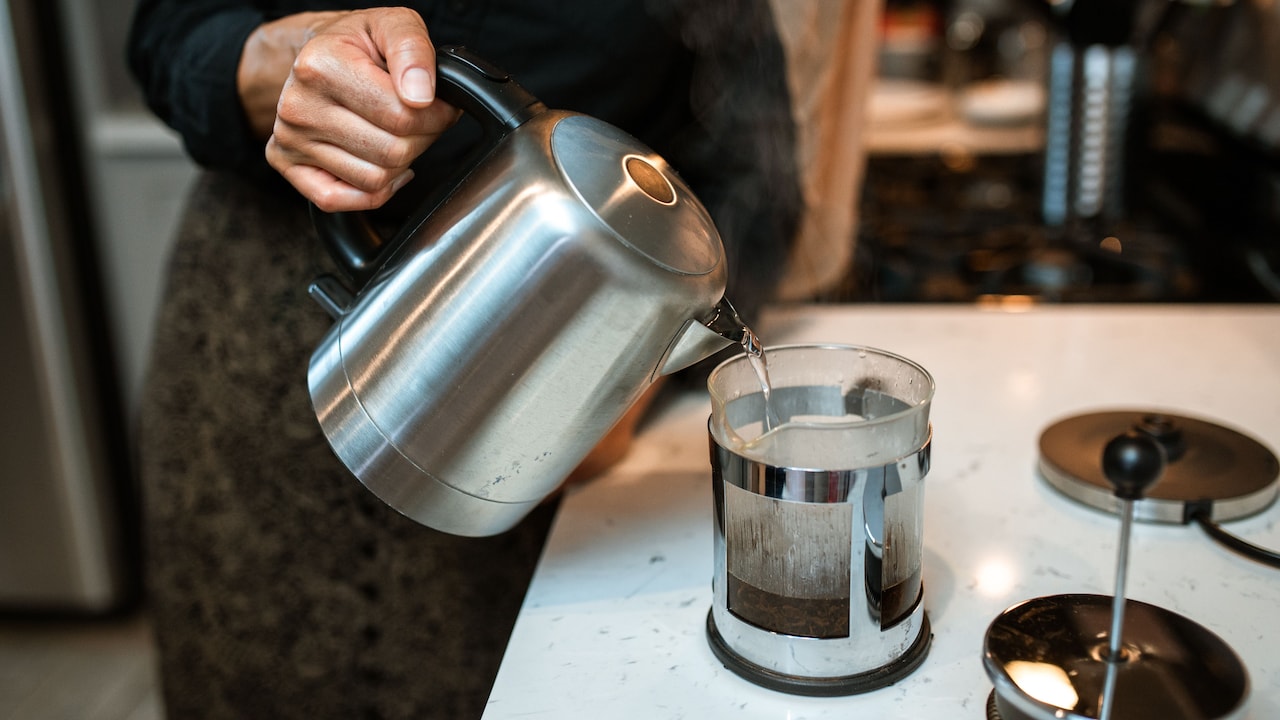
Every popcorn kernel needs a small amount of water trapped inside it. As the kernel heats, that moisture turns into steam. Pressure builds beneath the hard outer shell until the kernel finally bursts and the soft starch inside expands.
The catch is that kernels are not perfectly identical.
Some may contain slightly more moisture than others, while older or poorly stored kernels may have lost part of their internal water. A kernel with the right moisture level can pop beautifully, while an overly dry one may sit stubbornly at the bottom of the bag regardless of how long the microwave runs.
Trying to force every final kernel to pop often sacrifices the popcorn that has already opened. Those fluffy pieces continue absorbing heat while everyone waits for five determined kernels to change their minds.
Accepting a small number of unpopped kernels can therefore reduce overall waste. A few leftover kernels are better than ruining half a bag. For loose popping corn, keeping kernels in a tightly sealed container also helps protect their natural moisture and preserves better popping performance.
Also Read: Discover These 5 Microwave Ovens Under ₹6,000
3. Waiting For The Last Kernel Usually Burns The First Ones
There is something strangely persuasive about a popcorn kernel that refuses to pop. When only occasional pops remain, the temptation is to give the microwave another ten seconds, then another ten.
That final burst rarely justifies the gamble.
The earliest kernels may have been sitting fully popped inside the hot bag for a considerable time. They continue heating while the remaining kernels struggle to reach popping temperature. Butter, seasoning and oils can become extremely hot, while delicate popped corn begins drying and eventually scorching.
A useful approach is to listen for the spaces between pops. When the interval stretches to roughly two or three seconds, the batch is generally close to finished. Waiting for complete silence can push the already-popped corn beyond its comfortable limit.
Think of it like making rotis: keeping every finished roti on the tawa because one section looks slightly pale would quickly create a burnt dinner. Microwave popcorn follows a similar principle. Saving every kernel sounds efficient, but stopping at the right moment usually saves more food.
4. The Bag May Not Be Sitting In The Best Position
Microwave popcorn bags look straightforward, yet their position inside the appliance can influence how evenly they heat.
Most commercial bags include a special layer designed to absorb microwave energy and generate intense heat around the kernels. Manufacturers usually print instructions showing which side should face upwards. Ignoring that guidance can affect heat distribution and popping performance.
The bag also needs enough room to expand and rotate freely. If it catches against the microwave wall, jams against a large turntable edge or remains partly folded, some areas may receive more heat than others. That creates classic popcorn frustration: one corner smells suspiciously toasted while another still rattles with kernels.
Before starting, flatten the bag as directed and place it near the centre of the turntable. Check that it can rotate without brushing against the interior walls.
A tiny adjustment may seem unimportant, especially when evening snack cravings are already demanding attention. Still, giving the bag enough space helps microwave energy reach the kernels more consistently and reduces localised overheating.
5. Hot Spots Inside The Microwave Create Uneven Cooking
Microwaves do not always heat food uniformly. Anyone who has reheated yesterday's dal only to find one spoonful volcanic and the next lukewarm has already experienced this problem.
The same uneven heating affects popcorn.
Microwave energy forms areas where heating can become stronger or weaker. The rotating glass plate helps move food through these regions, but it cannot guarantee perfect consistency. Some sections of the popcorn bag may therefore become much hotter than others.
Kernels sitting in stronger heating zones can pop early. Once open, they remain exposed to heat while cooler kernels elsewhere in the bag are still warming. Eventually, the hottest popcorn begins to scorch.
Keeping the turntable clean and ensuring it rotates smoothly can help. A bag that cannot turn properly loses one of the microwave's main tools for distributing heat.
If the microwave does not have a rotating plate, popcorn may require extra attention. Following the appliance manufacturer's guidance becomes particularly important. When batches repeatedly burn in the same area of the bag, uneven heating rather than poor popcorn may be the real culprit.
6. Oils And Flavourings Can Overheat Quickly
The corn itself is not always the first part of microwave popcorn to burn. Oils, butter-style flavourings, sugar and seasonings can heat rapidly, especially once much of the moisture inside the bag has escaped as steam.
This explains why some flavoured varieties appear more vulnerable to scorching than plain popcorn.
Sweet coatings require particular care. Sugar can move from pleasantly caramelised to bitter and burnt surprisingly fast. Rich buttery seasonings can also collect in certain parts of the bag, creating pockets where temperatures rise faster.
Once popping slows, these ingredients continue receiving microwave energy even though most kernels have already done their job.
Choosing the shortest effective cooking time offers the simplest protection. With homemade microwave popcorn, another option is to cook plain kernels first and add selected seasonings afterwards. A little melted butter, chilli powder, chaat masala or grated cheese can transform plain popcorn without exposing those flavourings to the entire heating cycle.
It also allows better control over quantity, which can make the snack feel fresher rather than leaving seasoning concentrated in a few overly salty mouthfuls.
10 Reasons Microwave Popcorn Burns Before Every Kernel Pops And How To Reduce Waste
Photo Credit: Pexels
7. An Old Packet May Produce More Unpopped Kernels
That forgotten popcorn packet hiding behind the atta container may technically look fine, but storage conditions affect how well kernels pop.
Popcorn depends on internal moisture. Over time, especially after exposure to air, kernels can gradually dry out. Once too much moisture disappears, they may struggle to generate enough internal steam pressure to burst.
Heating them for longer does not necessarily solve the problem. Instead, the popcorn that has already opened continues getting hotter while old kernels remain firmly closed.
Check the best-before date and inspect packaging before use. A torn, damaged or poorly sealed bag may have suffered changes long before it reaches the microwave. Store unopened packets in a cool, dry cupboard away from heat and humidity.
Loose kernels deserve similar care. An airtight container protects them better than an open packet loosely secured with a rubber band.
Buying enormous quantities simply because the price per packet looks attractive can also backfire if popcorn is an occasional snack. A smaller ₹100 purchase that gets eaten fresh may prove less wasteful than a bulk bargain forgotten for months.
8. Reheating An Under-Popped Bag Can Cause Trouble
Opening a popcorn bag and discovering plenty of unpopped kernels can make a second microwave round seem sensible. Unfortunately, reheating the entire bag often puts the finished popcorn at risk.
Already-popped pieces contain far less moisture than unopened kernels. When they return to the microwave, they can dry out and scorch rapidly while the remaining kernels slowly heat again.
Instead of repeatedly microwaving the whole bag, accept a modest number of leftovers or separate loose unpopped kernels when it can be done safely after everything has cooled. Commercial microwave bags should always be handled according to their packaging instructions, as designs and materials vary.
The bigger lesson is to adjust the next batch rather than trying to rescue every kernel from the current one.
If a particular microwave consistently leaves many kernels behind, experimenting with a slightly different placement or modest timing adjustment next time is more effective than sending fluffy popcorn back for another roasting.
Popcorn is supposed to be an easy snack, not a kitchen negotiation lasting three rounds.
9. Using The Popcorn Button Can Be Hit Or Miss
The microwave's dedicated popcorn button looks wonderfully convenient. Pressing one button feels far easier than standing nearby and listening carefully.
Unfortunately, not every popcorn setting knows exactly what is happening inside the bag.
Some microwaves use preset times, while more advanced models may rely on sensors. A preset programme cannot account perfectly for every bag size, popcorn formulation or appliance condition. One brand might finish neatly under the programme, while another begins burning before the cycle ends.
Packet instructions sometimes specifically advise against using the appliance's popcorn setting. Those directions deserve attention.
Manual timing often gives more control, particularly after learning how a favourite brand behaves in a particular microwave. Start with the manufacturer's recommended range, stay nearby and rely on the slowing sound of pops rather than blindly trusting the machine's countdown.
Convenience buttons are useful, but popcorn remains one of those foods that benefits from human ears. A microwave may be smart enough to display a clock nobody has bothered setting correctly, but it still cannot always judge the perfect final second of a snack.
10. Poor Timing After Popping Can Make Waste Worse
The cooking process may have stopped, but the bag remains extremely hot. Steam, heated oils and residual heat continue affecting the popcorn for a short period after the microwave switches off.
Leaving the finished bag sitting inside the warm appliance for several minutes can therefore make slightly overcooked popcorn taste even drier.
Once the popping has slowed enough, stop the microwave and carefully remove the bag according to its instructions. Open it cautiously and direct steam away from the face and hands. Hot steam can cause painful burns even when the popcorn itself seems harmless.
Serving the popcorn soon after opening also preserves its crisp texture. If more has been made than needed, allow leftovers to cool before transferring them to an airtight container. Leaving popcorn exposed to humid air quickly turns a crunchy snack disappointingly chewy.
Portion size matters too. Preparing three bags for two people simply because film night has begun with ambitious appetites often creates more waste than a few unpopped kernels ever could. Start with a sensible amount and make more only when necessary.
10 Reasons Microwave Popcorn Burns Before Every Kernel Pops And How To Reduce Waste
Photo Credit: Pexels
Products Related To This Article
1. Panasonic 27L Convection Microwave Oven
2. Midea 20L Solo Microwave Oven | 5 Power Levels
3. IFB 24L Solo Microwave Oven with 69 Auto Cook Menus
4. LG 20 L Solo Microwave Oven (MS2043BP, Black
5. Samsung 28L, Convection Microwave Oven with Curd Making
6. IFB 28 L Convection Microwave with Air Fry, Grill & Multi-Stage Cooking
7. Panasonic 27L Convection Microwave Oven
Burnt microwave popcorn is rarely caused by one dramatic mistake. More often, several small factors combine. A powerful microwave heats the bag quickly, a handful of kernels contain less moisture, one corner becomes hotter than another and the temptation to wait for the final pop adds another crucial few seconds.
The easiest solution is not to pursue a perfect 100 per cent popping rate. A few unopened kernels are normal, and sacrificing an entire batch to rescue them defeats the purpose.
Pay attention to the sound rather than relying only on the timer. Follow the bag's positioning instructions, keep the microwave turntable moving freely and store popcorn properly. Be especially careful with older packets and heavily flavoured varieties.
Most importantly, stop treating the lonely final kernel like a challenge. When the enthusiastic popping slows to occasional gaps of a few seconds, the snack has usually made its point. Remove the bag carefully, season if needed and enjoy it while it is warm. The reward is simple: more fluffy popcorn in the bowl, less burnt corn in the bin and no smoky kitchen interrupting the best scene of the film.
(Disclaimer: This article may include references to or features of products and services made available through affiliate marketing campaigns. NDTV Convergence Limited (“NDTV”) strives to maintain editorial independence while participating in such campaigns. NDTV does not assume responsibility for the performance or claims of any featured products or services.)