10 Reasons Rice Cookers Leave A Dry Or Hard Layer At The Bottom And How To Prevent It
A dry, hard layer at the bottom of rice can spoil an otherwise perfect batch. Discover 10 common rice cooker mistakes that cause it and simple ways to keep rice soft, fluffy and evenly cooked every time.
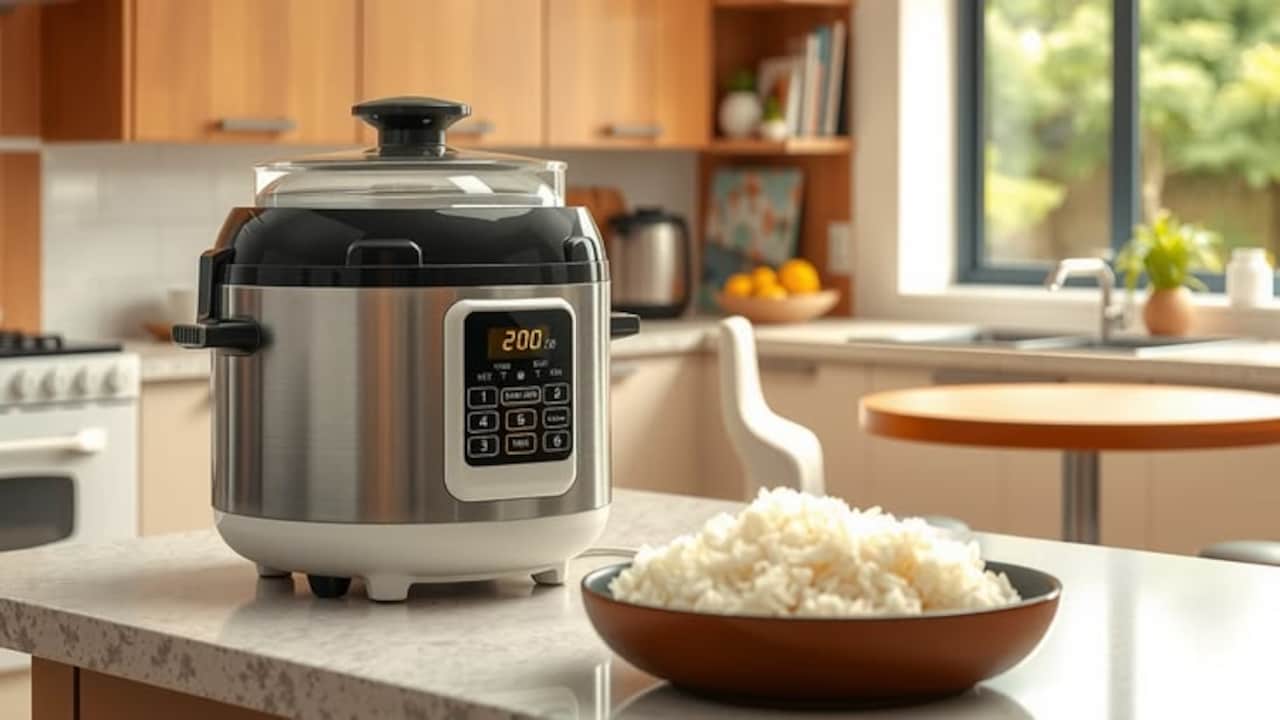
Why Rice Cookers Leave A Hard Layer At The Bottom And How To Fix It
Few kitchen appliances inspire as much confidence as a rice cooker. Add rice, pour in water, press a button and carry on with the rest of dinner. In theory, it should be that simple. Then comes the surprise. The top looks beautifully fluffy, while the bottom resembles a thin rice biscuit glued to the pot. Sometimes the grains merely feel dry. On other days, they turn golden, crunchy, or stubborn enough to challenge the serving spoon. A lightly toasted base can even taste pleasant in some dishes, but that is hardly helpful when soft rice is the goal. The good news is that a hard bottom layer rarely appears without a reason. Small details, from measuring water to rinsing starch, can make a noticeable difference. Before blaming the cooker and budgeting ₹2,000 or more for a replacement, check these ten possibilities. A minor change in technique may save both dinner and the appliance.
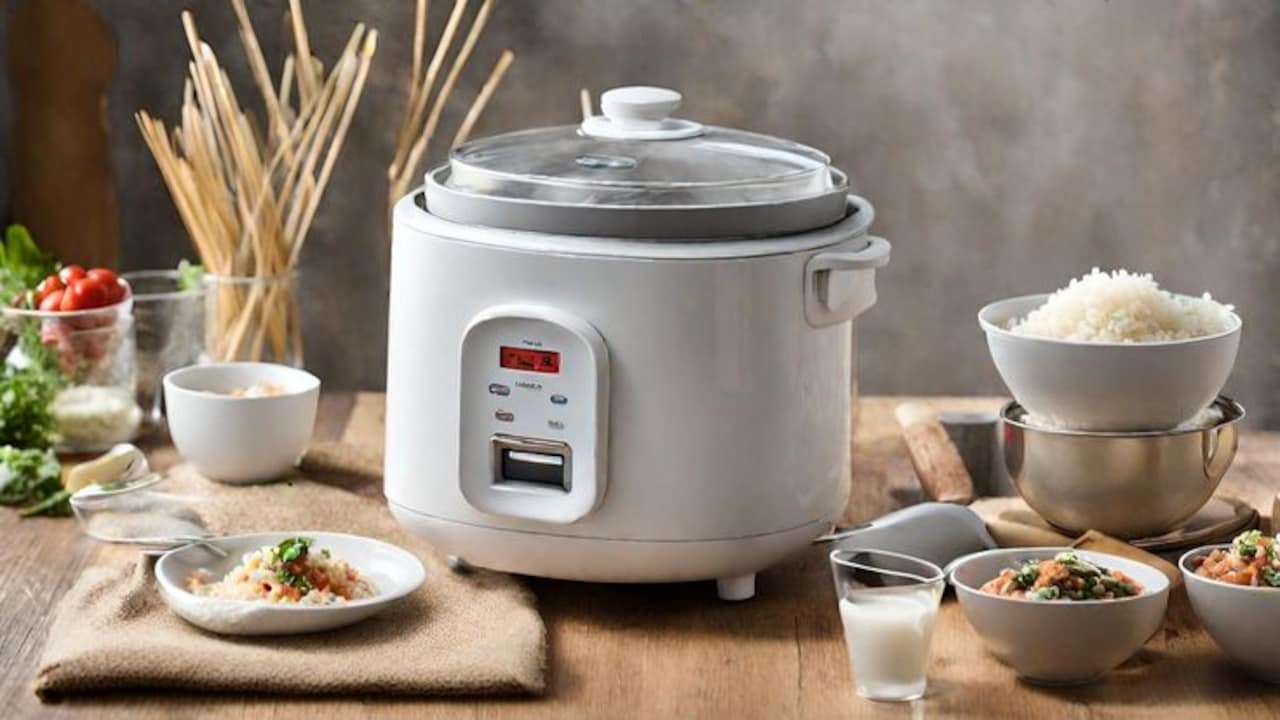
Why Rice Cookers Leave A Hard Layer At The Bottom And How To Fix It; Photo Credit: Pexels
Why Rice Turns Dry Or Hard At The Bottom Of A Rice Cooker
1. There Is Not Enough Water
Too little water remains one of the most common reasons rice dries out at the bottom. Rice needs enough moisture to soften while the cooker heats the pot. When the available water disappears too quickly, the grains touching the hot base continue cooking without enough steam around them. That is when soft rice starts turning firm, dry or crusty.
The tricky part is that different varieties need different amounts of water. Basmati, sona masoori, brown rice and parboiled rice do not behave the same way. Using one universal ratio for every packet can therefore produce unpredictable results.
Start with the ratio recommended for the variety being cooked, then adjust it gradually. If the bottom regularly turns hard while the top seems fine, add a small amount of extra water next time rather than dramatically increasing it. Even two or three tablespoons can matter in a smaller batch.
Altitude, rice age, and soaking also affect absorption. Think of the water ratio as a reliable starting point, not a sacred kitchen law carved into stone.
Also Read: 5 Best Smart Rice Cookers Under ₹3000: Save Big On These Must-Have Appliances
2. Too Much Starch Remains On The Rice
Rice can look perfectly clean straight from the packet, but its surface often carries loose starch. Once cooking begins, that starch mixes with water and creates a thicker liquid around the grains. As moisture evaporates, the starchy mixture can settle near the bottom and form a sticky, dense layer.
This explains why unwashed rice sometimes clings to the pot even when the amount of water seems correct.
Rinsing helps. Place the rice in a bowl or cooker pot, add cool water and gently move the grains around with clean fingers. Drain the cloudy water and repeat until it becomes noticeably clearer. There is no need to chase perfectly transparent water like a laboratory experiment. A few good rinses usually do the job.
Be gentle, especially with long-grain basmati, since aggressive rubbing can break delicate grains and release even more starch.
Rinsing also encourages cleaner separation after cooking. Instead of finding a gummy patch underneath an otherwise respectable batch, the rice tends to stay lighter and easier to fluff.
3. The Rice Cooker Stays On Warm For Too Long
The keep-warm setting deserves more suspicion than it usually gets. It sounds harmless, almost comforting, but the cooker still supplies heat during this stage. Leave cooked rice inside for several hours and moisture gradually escapes, particularly from the grains closest to the heating plate.
That bottom layer suffers first.
This often happens during busy evenings. Dinner finishes at 8 pm, conversation carries on, someone remembers the rice at 10.30 pm, and the bottom has quietly transformed into something closer to papad than pulao.
For the best texture, serve rice reasonably soon after cooking. If it needs to stay warm for a while, keep the lid firmly closed. Opening it repeatedly releases steam and speeds up drying.
For longer storage, cool the rice promptly and refrigerate it safely rather than relying on the warm function for hours. When reheating, sprinkle a little water over the rice and cover it so steam can restore some moisture.
The warm setting is useful. It simply should not become permanent accommodation for cooked rice.
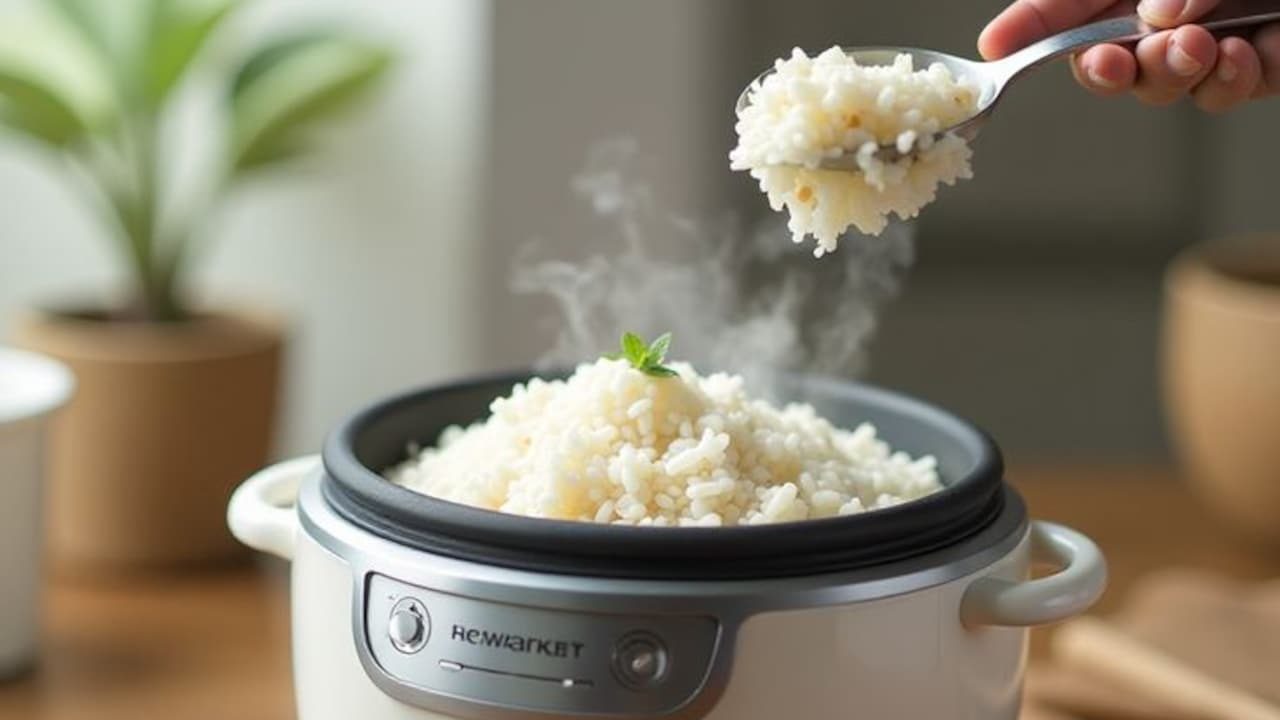
Why Rice Cookers Leave A Hard Layer At The Bottom And How To Fix It; Photo Credit: Pexels
4. The Cooker Uses More Heat Than The Rice Needs
Not every rice cooker manages heat in exactly the same way. Some budget models run rather enthusiastically, especially near the end of the cooking cycle. If the heating element remains very hot after most of the water disappears, the rice touching the base can dry or brown before the machine switches to warm mode.
Small quantities make this problem more obvious. Cooking one cup of rice inside a large cooker leaves a thin layer spread across a broad heated surface. That can expose more grains directly to intense heat.
Try cooking within the appliance's recommended capacity rather than preparing extremely small portions in an oversized machine. Check the manual for minimum quantities if that information appears there.
Also ensure the inner pot sits flat against the heating plate. A grain of rice, dried splash or tiny piece of debris beneath the pot can interfere with heat transfer.
If the cooker repeatedly scorches correctly measured, properly rinsed rice despite careful use, the thermostat or heating system may need attention. At that point, technique may no longer deserve the blame.
5. The Inner Pot Has Lost Its Non-Stick Coating
A scratched inner pot can turn serving rice into an unwanted arm workout. Many cookers rely on a non-stick coating that prevents grains from gripping the hot metal surface. Once that coating wears away, rice sticks more easily and the attached grains receive concentrated heat.
The result can look like a dry, hardened sheet along the base.
Metal spoons often cause the damage. They may seem convenient, especially when the rice paddle has vanished into that mysterious kitchen dimension where container lids also disappear, but sharp edges can scratch the coating over time.
Use the plastic paddle supplied with the cooker or choose a silicone utensil suitable for non-stick cookware. Avoid abrasive scrubbers as well. Soak stubborn rice residue in warm water instead of attacking it with steel wool.
Inspect the pot under good light. Deep scratches, peeling areas or exposed metal suggest that replacement may help. Buying a compatible inner pot can cost far less than replacing the entire cooker, provided the manufacturer sells one separately.
6. The Rice Was Not Spread Evenly
Rice cookers may automate the heating, but gravity still has opinions. If rinsed rice sits in an uneven mound before cooking, some areas can become much denser than others. Water may circulate unevenly, leaving certain patches softer while compact grains near the bottom receive more direct heat.
This issue becomes especially noticeable when rice gets poured into the pot and cooking starts immediately without levelling the surface.
After adding rice and water, gently shake the inner pot from side to side or smooth the rice into an even layer with the paddle. Do not vigorously stir it for a minute; excessive movement can release extra starch. The aim is simply to stop one side resembling a hill station while the other resembles a plain.
Once cooking begins, resist the temptation to keep opening the lid and stirring. Rice cookers depend on trapped steam, and lifting the lid repeatedly changes the cooking environment.
A level starting layer gives the water and heat a better chance to work consistently. It takes only a few seconds, yet those seconds can prevent an oddly tough patch underneath dinner.

Why Rice Cookers Leave A Hard Layer At The Bottom And How To Fix Itl Photo Credit: Pexels
7. The Rice Variety Needs Soaking
Some rice benefits greatly from a short soak before cooking. Long-grain basmati is a familiar example. Soaking allows the grains to absorb some water before heat enters the picture, helping them cook more evenly from the centre outward.
Without soaking, certain varieties may need extra cooking time or more water. During that longer process, the grains resting against the base can receive more heat than necessary and become firm or crusty.
A soak of around 20 to 30 minutes often works well for basmati, although the packet instructions should take priority. Drain the soaking water if the chosen method requires it, then add the correct amount of fresh cooking water.
Do not assume that longer soaking always means better rice. Leaving some varieties submerged for excessive periods can make them overly soft or prone to breaking.
Soaking becomes particularly useful when the same rice repeatedly emerges tender on top but noticeably harder underneath. It gives the grains a head start and can shorten the battle between absorption and heat at the bottom of the pot.
8. Measurements Are Inconsistent
The innocent-looking cup may be causing more trouble than the cooker. Many rice cookers come with a measuring cup that holds less than a standard kitchen cup. The markings inside the cooker pot usually correspond to that supplied cup, not necessarily to whatever steel tumbler happens to be closest.
Mix the two systems and the rice-to-water ratio can go wrong surprisingly quickly.
For example, measuring rice with a large household cup but filling water only to the cooker's corresponding line may leave the batch short of moisture. The top might survive, while the bottom dries against the hot pot.
Choose one measuring system and stick with it. If using the cooker cup, use the matching water markings. If measuring both rice and water with another cup, follow a suitable ratio for the specific rice variety.
Consistency matters more than owning fancy measuring equipment. Even the humble katori can work when used carefully for both ingredients.
Cooking rice should not require advanced mathematics. It does, however, reward anyone willing to stop switching measuring cups halfway through the process.
9. The Lid Lets Too Much Steam Escape
Steam does much of the quiet work inside a rice cooker. It surrounds the grains, maintains moisture and helps heat travel through the pot. When too much steam escapes, the cooker loses part of that carefully controlled environment.
A lid that does not close properly can cause this. So can a damaged seal, a blocked component that prevents correct seating, or repeated lid lifting during cooking.
Check the rim of the pot before switching the cooker on. Rice grains or dried starch stuck around the edge may stop the lid from closing as intended. On models with removable seals or inner-lid parts, clean them according to the manufacturer's instructions and make sure everything returns to the correct position.
Then leave the lid alone while the rice cooks. Curiosity may be strong when lunch smells good, but every peek sends useful steam into the kitchen.
If steam pours unusually heavily from areas where it should not, inspect the cooker more closely. Keeping moisture where it belongs helps prevent the bottom layer from drying before the rest of the rice finishes cooking.
10. The Rice Needs A Rest Before Serving
The cooker clicks to warm, everyone is hungry, and the natural reaction is to open the lid immediately. Yet rice often benefits from a short resting period after the main cooking cycle ends.
During this pause, trapped steam continues moving through the grains. Moisture redistributes more evenly, and firmer sections can soften slightly without receiving the full force of active cooking.
Leave the lid closed for roughly 5 to 10 minutes after the cooker switches to warm. Then open it and fluff the rice gently from the sides towards the centre. Avoid scraping aggressively along the base, especially if a slightly firm layer has already developed.
Fluffing also releases excess steam so the upper rice does not become soggy while the lower portion remains compressed.
This small habit costs nothing and requires no specialist equipment. It merely demands a little patience, which can feel heroic when dal, sabzi and achar are already waiting on the table.
Sometimes better rice comes not from adding another step, but from knowing when to leave the cooker alone.
Products Related To This Article
1. Nutricook Smart Pot 2 Stainless Steel 6 QT (5.7L)
2. Prestige Delight PRWO 1.0 L Electric Rice Cooker|Detachable power cord
3. AGARO Imperial Electric Rice Cooker, 2L Ceramic Coated Inner Bowl
4. Pigeon by Stovekraft Joy Rice Cooker with Single pot
5. Geek Robocook Zeta 11-in-1 Automatic Electric Pressure Cooker
6. Wonderchef Nutri-Pot Electric Pressure Cooker with 7-in-1 Functions
7. CUCKOO Multifunction Electric Rice Cooker 3 Ltr Premium Nonstick Pot
A dry or hard layer at the bottom of a rice cooker does not automatically mean the appliance has reached retirement age. More often, the cause hides in everyday details: too little water, excess starch, prolonged warming, uneven rice, incorrect measurements or escaping steam.
Start with the simplest fixes. Rinse the rice properly, use consistent measurements, check the recommended water ratio and give the grains a short rest after cooking. Keep the pot clean, protect its non-stick surface and avoid turning the keep-warm function into an all-night arrangement.
If scorching continues despite all of these changes, inspect the inner pot and cooker for wear or heating problems.
Perfect rice can be surprisingly particular, but it rarely demands complicated tricks. A handful of small adjustments can turn that stubborn bottom crust into soft, fluffy grains from top to bottom. And when the cooker opens to reveal exactly that, dinner somehow feels a little more sorted.
(Disclaimer: This article may include references to or features of products and services made available through affiliate marketing campaigns. NDTV Convergence Limited (“NDTV”) strives to maintain editorial independence while participating in such campaigns. NDTV does not assume responsibility for the performance or claims of any featured products or services.)