Why Your AC Isn't Cooling Properly Even at Low Temperatures: The Real Technical Reason
Your AC shows 18°C, but the room still feels warm. The issue often isn’t the temperature setting but hidden technical problems like airflow restrictions, refrigerant loss, or compressor inefficiency that quietly reduce cooling performance.
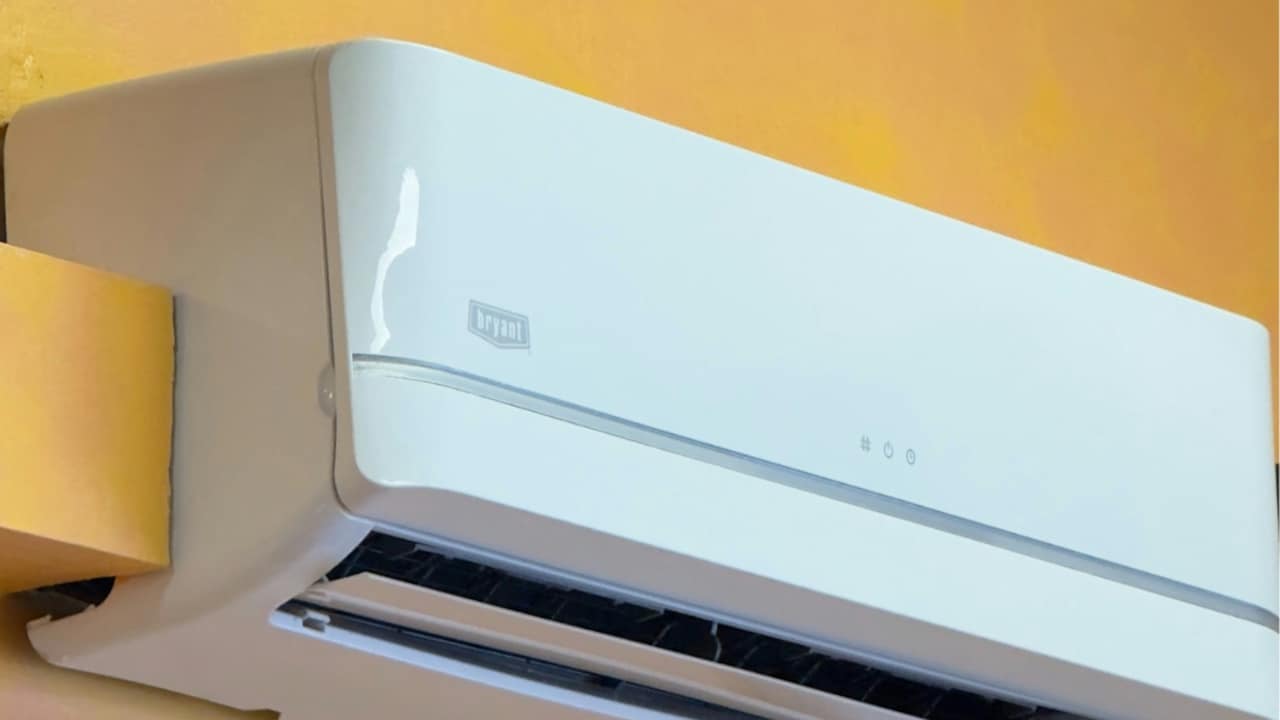
The real world reasons that prevent your air conditioner from cooling efficiently.
Summer arrives with a familiar ritual. Windows shut, curtains drawn, and the air conditioner becomes the most valued appliance in the house. Yet many households face a puzzling problem. The temperature display reads a chilly 18°C or 20°C, but the room refuses to cool properly.
Common reasons why your AC isn't cooling at low temperatures; Photo Credit: Unsplash
The instinctive reaction often leads to repeated button presses on the remote. Lower the temperature. Increase the fan speed. Restart the unit. Some even assume the air conditioner has lost its power and start exploring replacement options that might cost ₹30,000 or more.
However, the truth rarely lies in the temperature setting. Air conditioners operate through a delicate balance of airflow, refrigerant circulation, heat exchange, and electrical control systems. When even one component struggles, the entire cooling process weakens.
Think of the system as a relay team passing a baton. If one runner slows down, the final result suffers. The compressor, condenser, evaporator, refrigerant, thermostat, and airflow channels all work together to remove heat from the room. When one element falters, the room temperature stays stubbornly warm.
Understanding these technical reasons helps households avoid unnecessary repairs and save money. More importantly, it explains why lowering the temperature on the remote rarely fixes the problem.
Also Read: An Upgrade You Will Not Regret: Top 5 Air Conditioners Under ₹50,000
Understanding What Actually Stops Your AC From Cooling Properly
Dirty Air Filters Restrict Cooling Efficiency
One of the most common reasons for weak cooling hides behind a simple plastic panel. The air filter often collects dust faster than expected, especially in cities where traffic, construction, and dry weather send fine particles into homes.
Air conditioners rely on steady airflow across the evaporator coil. The filter acts like a guard that traps dust before it reaches delicate components. Over time, however, the filter itself becomes clogged. When airflow slows down, the evaporator struggles to absorb heat from the room.
Imagine breathing through a thick scarf on a humid day. Air still moves, but the effort increases. The same principle applies to an AC system. Restricted airflow forces the unit to work harder while delivering weaker cooling.
Many households forget that filters require cleaning every few weeks during peak summer. A dusty filter may reduce cooling efficiency by nearly 15 to 20 per cent. That drop not only affects comfort but also increases electricity consumption.
The irony lies in the simplicity of the solution. A quick wash with water and mild soap often restores proper airflow. Yet this small maintenance task remains one of the most overlooked aspects of air conditioner care.
Low Refrigerant Levels Disrupt Heat Removal
Refrigerant acts as the lifeblood of an air conditioner. It flows through copper pipes, absorbs heat from indoor air, and releases that heat outside through the condenser unit.
When refrigerant levels drop, the cooling process weakens dramatically. Unlike fuel in a vehicle, refrigerant does not normally decrease over time. A low level usually indicates a leak somewhere in the system.
Leaks often develop in joints, valves, or damaged coils. Even a small crack allows refrigerant gas to escape slowly. As the level falls, the evaporator coil fails to absorb enough heat from the room air.
The result appears confusing. The AC still runs. The fan blows air. The display shows the chosen temperature. Yet the room feels only slightly cooler than before.
Technicians often detect this problem through pressure gauges or temperature readings across the coil. Repair involves locating the leak, sealing it, and refilling the refrigerant to proper levels.
Ignoring this issue may lead to more serious problems. A compressor running with low refrigerant works harder and risks overheating. Considering the compressor replacement cost can exceed ₹10,000, early attention saves both money and discomfort.
Frozen Evaporator Coils Reduce Cooling Power
A strange paradox sometimes affects air conditioners. Instead of cooling the room, the system freezes internally.
The evaporator coil contains cold refrigerant that absorbs heat from indoor air. Under normal conditions, warm air flowing across the coil prevents freezing. When airflow drops or refrigerant levels fall, the coil temperature drops too low.
Moisture in the air then turns into ice on the coil surface. Gradually, a thick layer forms around the metal fins.
At this point, cooling almost stops. Ice blocks airflow, preventing warm air from reaching the coil. The AC continues running but produces little actual cooling.
Several factors contribute to this situation. Dirty filters, blocked vents, low refrigerant levels, or faulty fans may all trigger coil freezing.
Many households notice water dripping after switching off the unit. That water comes from melting ice inside the system.
Switching off the AC for a few hours usually melts the ice. However, unless the underlying cause gets fixed, the freezing returns. Understanding this hidden process explains why a running AC may still fail to cool the room.
Outdoor Condenser Unit Struggles With Heat Release
Air conditioners do not actually produce cold air. Instead, they remove heat from the room and release it outside through the condenser unit.
When the outdoor unit cannot release heat efficiently, cooling inside the room drops sharply.
Many buildings place outdoor units in cramped balconies, enclosed ducts, or narrow shafts. These locations trap hot air around the condenser. Without proper ventilation, the unit recycles the same warm air repeatedly.
Dust accumulation on condenser coils adds another layer of trouble. The coils rely on exposed metal fins to release heat into the surrounding air. Dirt acts like insulation, preventing heat from escaping.
The compressor then works harder to push refrigerant through the system. Energy consumption rises while cooling performance declines.
Routine cleaning of the outdoor unit improves efficiency dramatically. Clear airflow around the condenser helps heat dissipate faster, allowing the system to maintain lower indoor temperatures.
In dense neighbourhoods, even the positioning of the outdoor unit can influence cooling performance more than many people realise.
Thermostat Sensor Placement Confuses The System
Modern air conditioners depend on sensors that measure room temperature. The thermostat sends signals to the compressor and fan based on these readings.
If the sensor sits too close to the evaporator coil or cold airflow, it may detect a lower temperature than the actual room condition. The AC then assumes the room has already cooled sufficiently.
The compressor slows down or switches off prematurely, leaving the room warmer than expected.
Furniture placement sometimes creates similar confusion. A cupboard, curtain, or decorative panel may block airflow near the sensor area. The thermostat reads localised temperatures instead of the entire room environment.
This mismatch creates uneven cooling. One corner feels chilly while another remains warm.
Proper sensor positioning ensures accurate readings. When technicians install or service an AC unit, they often check whether airflow patterns around the thermostat remain unobstructed.
A small sensor may seem insignificant, yet its role determines when the compressor runs and when it stops. Accuracy in this tiny component greatly influences the comfort level across the entire room.
Placing the sensor too close to the evaporator coil or cold airflow can prevent AC from cooling; Photo Credit: Unsplash
Oversized Rooms Reduce Cooling Impact
Air conditioners come with specific cooling capacities measured in tonnes. This rating determines how much heat the unit can remove within a given time.
When a small AC tries to cool a large room, the system simply lacks the capacity to handle the heat load.
Many living rooms combine open dining areas, high ceilings, and large windows. These features increase the volume of air that needs cooling. A 1-tonne AC designed for a bedroom may struggle badly in such spaces.
Sunlight entering through glass windows also increases heat gain. Curtains may block light, but heat still seeps through.
In such situations, the AC runs continuously without reaching the desired temperature. The compressor works overtime, electricity bills rise, and the room still feels warm.
Selecting the correct capacity during installation prevents this issue. Professional calculations consider room size, window exposure, insulation quality, and occupancy levels.
Cooling performance depends not only on the machine itself but also on the environment in which it operates.
Voltage Fluctuations Affect Compressor Performance
Power supply stability plays a crucial role in air conditioner performance. In many residential areas, voltage levels fluctuate during peak electricity demand.
Air conditioners require consistent voltage to run compressors efficiently. When the voltage drops below optimal levels, the compressor cannot generate enough pressure in the refrigerant cycle.
The result resembles a vehicle climbing a hill with insufficient fuel. The system moves forward but struggles to maintain speed.
Many AC units include protective circuits that prevent operation under extremely low voltage. However, moderate fluctuations still affect cooling efficiency without triggering safety shutdowns.
Households often notice weaker cooling during late afternoon hours when electricity demand rises across neighbourhoods.
Voltage stabilisers help regulate the power supply. They ensure the compressor receives steady electrical input regardless of fluctuations in the main supply.
Although stabilisers add a small initial cost, they protect expensive components and maintain consistent cooling performance throughout the season.
Blocked Air Vents Limit Room Circulation
Cooling depends not only on temperature but also on air circulation within the room. Even if the AC produces cold air, blocked vents prevent that air from spreading evenly.
Furniture placement often interferes with airflow. A sofa placed directly under the AC unit may redirect the airflow upward. Large wardrobes near vents can also disrupt circulation patterns.
In such cases, the AC cools only a small area near the unit. Other parts of the room remain noticeably warmer.
Closed doors within interconnected spaces may also trap heat in certain corners. Air circulation becomes uneven, creating pockets of warm air despite continuous cooling.
Interior design choices sometimes overlook airflow considerations. Decorative false ceilings, heavy drapes, or tall shelves may unintentionally block vents.
Maintaining clear airflow paths allows cool air to travel across the room and return to the intake vent for recirculation. Proper circulation ensures that every corner receives consistent cooling rather than leaving the room with temperature imbalances.
Ageing Components Reduce System Efficiency
Air conditioners gradually lose efficiency as components age. Even well-maintained systems face wear and tear after years of continuous summer use.
Compressor performance slowly declines. Electrical capacitors weaken. Fan motors lose speed. Copper coils accumulate microscopic corrosion.
Each of these changes reduces the system's ability to transfer heat effectively. The cooling drop may appear subtle at first. Over time, however, the difference becomes noticeable.
An AC that once cooled a room within fifteen minutes may now require twice that time. Energy consumption also increases because the system runs longer to achieve the same result.
Regular servicing helps identify ageing components before they fail completely. Replacing small parts like capacitors or cleaning coils often restores significant cooling performance.
Many households consider replacing an AC unit once it crosses eight to ten years of use. Advances in energy-efficient technology also make newer systems more economical to operate.
Age remains an unavoidable factor in mechanical performance.
Incorrect Installation Creates Long-Term Problems
Installation quality determines the future performance of an air conditioner. Even the most advanced unit struggles if technicians install it improperly.
An incorrect refrigerant pipe length may reduce pressure balance within the system. Poor insulation on pipes allows heat from outside to enter the refrigerant line.
Improper slope in drainage pipes causes water accumulation and humidity issues inside the unit.
Mounting angles also matter. A slightly tilted indoor unit may prevent proper condensate drainage. Over time, water leakage damages internal components.
Outdoor units installed too close to walls restrict airflow around the condenser. This reduces heat dissipation and weakens cooling capacity.
Professional installation ensures correct pipe insulation, vacuuming of refrigerant lines, and balanced mounting of both indoor and outdoor units.
Cutting corners during installation may save a few hundred rupees initially, but it often leads to recurring service calls and reduced cooling efficiency throughout the system's lifespan.
Products Related To This Article
1. Panasonic 1.5 Ton 5 Star Premium Wi-Fi Inverter Smart Split AC
2. Lloyd 0.8 Ton 3 Star Inverter Split AC (6 in 1 Convertible
3. Voltas 183V Vectra CAW 1.5 ton 3 star inverter Split AC
4. Daikin 1.5 Ton 3 Star Inverter Split AC
5. Blue Star 1.5 Ton 5 Star
An air conditioner that refuses to cool properly often leaves households puzzled. The instinctive reaction involves lowering the temperature on the remote, hoping for instant relief.
Yet the real reason rarely lies in the thermostat setting. Cooling depends on a network of mechanical, electrical, and environmental factors working together.
Dusty filters, refrigerant leaks, frozen coils, poor airflow, voltage fluctuations, and ageing components all influence performance. Even room size and installation quality play important roles.
Understanding these technical factors helps households approach the problem logically rather than assuming the machine has failed completely. In many cases, a simple cleaning or minor repair restores proper cooling.
Summer heat may remain relentless, but a well-maintained air conditioner handles it with ease. With a little attention and timely servicing, that refreshing cool breeze can return without turning the electricity bill into an unpleasant surprise of ₹5,000 or more.
Sometimes the difference between a sweltering evening and a comfortable night lies in understanding how a machine quietly performs its job behind the scenes.
(Disclaimer: This article may include references to or features of products and services made available through affiliate marketing campaigns. NDTV Convergence Limited (“NDTV”) strives to maintain editorial independence while participating in such campaigns. NDTV does not assume responsibility for the performance or claims of any featured products or services.)