Why Your Steam Mop Leaves Water Marks and How to Keep Floors Spot-Free
Steam mops promise spotless floors, yet water marks often ruin the finish. Hard water, dirty pads, and excess moisture usually cause the problem.

With your steam mop, a few simple adjustments can make your floors be clean and streak-free.
Few household chores feel as satisfying as watching a floor go from dusty and dull to bright and spotless. Steam mops have quickly become a favourite tool in many homes because they offer quick cleaning without harsh chemicals. A few passes across the floor, and the room suddenly feels fresher.
Yet reality does not always match the promise printed on the box. Instead of a crystal-clear shine, floors sometimes dry with cloudy streaks or faint water marks that catch the light. A freshly cleaned living room may look perfect at first glance, only for those marks to appear once the floor dries.
This problem frustrates many households. After all, the entire point of a steam mop lies in achieving a hygienic, streak-free finish with minimal effort. When watermarks appear, it often feels like wasted time.
The good news lies in the fact that steam mops rarely cause the problem on their own. Most streaks form because of small cleaning habits that go unnoticed. Mineral-heavy tap water, dirty mop pads, excess moisture, and even the direction of cleaning strokes can affect the final result.
Once these hidden culprits come to light, spotless floors become much easier to achieve. A few simple adjustments in technique can turn a streaky result into a glossy finish that makes the entire room feel brighter.
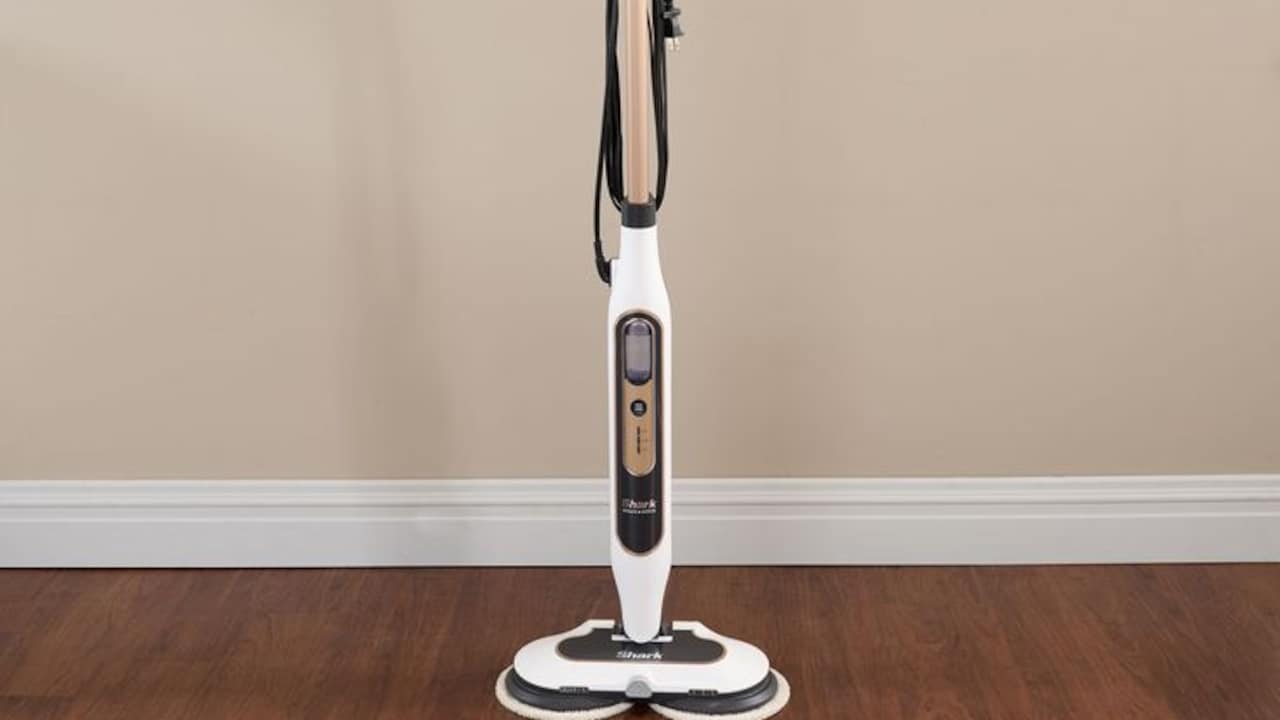
Why Your Steam Mop Leaves Water Marks and How to Keep Floors Spot-Free; Photo Credit: Pexels
The Hidden Reasons Behind Steam Mop Water Marks
Hard Water Leaves Behind Mineral Residue
Tap water often carries dissolved minerals such as calcium and magnesium. When steam evaporates from the floor, those minerals remain behind as faint white streaks or cloudy patches.
Many homes face this problem without realising it. The mop may work perfectly, yet the water inside the tank contains mineral content high enough to leave residue. Once the floor dries, light reflects off those deposits, creating visible marks that look like cleaning mistakes.
Tiles and polished stone surfaces tend to show these marks more clearly. Glossy floors reflect light easily, so even thin mineral films become noticeable.
Switching to filtered or distilled water can make a remarkable difference. Distilled water lacks mineral content, so nothing remains behind after the steam evaporates. Floors dry naturally without leaving streaks or dull spots.
This small adjustment may feel unnecessary at first. However, anyone who has cleaned the same floor with both tap water and distilled water often notices the difference immediately.
A clean floor should shine under sunlight or tube light without revealing cloudy patterns. Reducing mineral residue brings the surface much closer to that ideal finish.
Over-Saturated Mop Pads Spread Dirty Water
Steam mops rely heavily on their microfiber pads. These pads absorb loosened dirt while distributing steam across the floor surface. However, once a pad becomes too wet, it begins to spread moisture instead of cleaning effectively.
Imagine wiping a kitchen counter with a dripping cloth. Instead of removing grime, the cloth spreads thin layers of dirty water. The same situation occurs with over-saturated mop pads.
As the pad collects dust, grease, and tiny debris particles, it gradually loses its ability to absorb moisture. Eventually, the pad pushes that mixture across the floor, leaving faint streaks that appear once the surface dries.
Regularly checking the pad during cleaning prevents this problem. A quick replacement midway through a large cleaning session keeps the process efficient.
Many households prefer to keep two or three spare pads ready. This habit ensures each section of the home receives attention from a clean pad rather than a soaked one.
The result becomes immediately visible. Floors dry faster, streaks disappear, and the entire cleaning routine feels far more satisfying.
Also Read: Steam Mop Vs Regular Mop: Uncovering The Best Tool For Your Home
Dirty Floors Before Steaming Create Muddy Streaks
Steam mops work best on surfaces that already remain free from loose dust and grit. Skipping this preparation step often leads to watermarks.
Dust particles mix with steam and moisture during mopping. Instead of lifting away easily, they form a thin, muddy film that spreads across the floor. As the water evaporates, those particles remain behind as streaky lines.
Anyone who has tried mopping a dusty terrace after a dry afternoon understands this effect. Water turns fine dust into mud almost instantly.
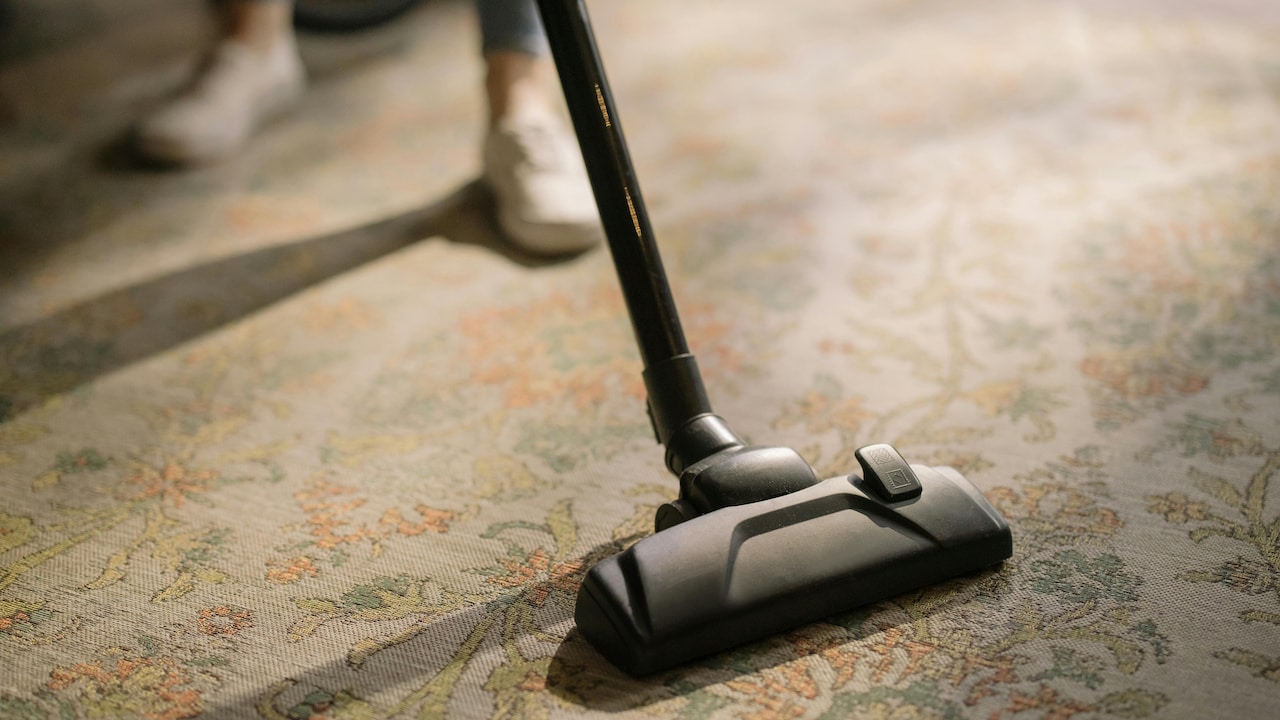
A quick sweep or vacuum before steaming prevents this issue. Removing loose debris allows the mop to focus on deeper cleaning rather than battling surface dirt.
This step may seem small, yet it dramatically improves the final result. Floors dry with a uniform shine rather than uneven patches.
In many homes, especially during dry seasons when dust enters through open windows, this preparation becomes essential. Spending five minutes with a broom often saves twenty minutes of frustration later.
Moving Too Slowly Leaves Excess Moisture
Steam cleaning works best with steady movement. Holding the mop in one place for too long allows excess steam to collect on the surface.
When that moisture dries unevenly, water marks appear. The floor may even feel slightly sticky in some areas.
A common mistake occurs when someone tries to scrub stubborn marks by hovering the mop over them. While the intention makes sense, the result usually leads to damp patches.
Smooth, continuous motion prevents this issue. The steam loosens grime while the microfiber pad absorbs moisture at the same time.
Think of it like ironing clothes. Leaving the iron in one spot for too long causes damage, while steady strokes deliver the best results.
Floors respond similarly. Gentle, consistent movement keeps moisture levels balanced and avoids streak formation.
Once this rhythm develops, steam mopping becomes quicker and far more effective.
Why Your Steam Mop Leaves Water Marks and How to Keep Floors Spot-Free; Photo Credit: Pexels
Using The Wrong Floor Setting
Modern steam mops often include adjustable steam levels. Many users overlook this feature and keep the mop on the highest setting throughout the cleaning process.
Excess steam may overwhelm certain surfaces, particularly laminate or engineered wood. These materials cannot absorb large amounts of moisture, so steam condenses on the surface.
When that condensation dries, streaks and water marks appear. The floor may even lose its natural shine.
Lower steam settings usually work better for delicate flooring. Tiles may handle stronger steam, but gentler materials require moderation.
Checking the floor type before selecting the steam level prevents unnecessary moisture buildup.
Manufacturers design these settings for a reason. A small adjustment on the control dial can mean the difference between a glossy floor and a patchy finish.
Understanding the floor's needs allows the mop to perform exactly as intended.
Old Mop Pads Lose Their Cleaning Power
Microfiber pads may look durable, yet they gradually lose effectiveness with repeated use. After many washing cycles, the tiny fibres flatten and struggle to absorb moisture properly.
A worn pad pushes water around instead of trapping it. This leads to streaks and cloudy drying patterns.
Households sometimes continue using the same pad for months because it appears clean. However, its internal structure may already have deteriorated.
Replacing mop pads periodically restores cleaning efficiency. Fresh microfiber fibres grip dirt easily and absorb excess water.
This simple change often surprises many users. Floors suddenly appear brighter even though the cleaning routine remains the same.
Considering the relatively small cost of replacement pads, the improvement in results makes the upgrade worthwhile.
A steam mop performs best when its accessories remain in good condition.
Cleaning Products Can Cause Residue
Steam mops usually function without detergents. Yet some users add cleaning liquids to the water tank or apply floor solutions beforehand.
While the intention lies in achieving deeper cleaning, many floor cleaners leave behind thin residue layers. Steam spreads this residue across the surface.
As the floor dries, that film becomes visible under light. Streaks appear even though the floor feels clean.
Certain solutions also react poorly with steam heat. This reaction can create dull patches on glossy tiles.
Using plain water often produces better results. Steam alone removes most everyday dirt and bacteria effectively.
If a cleaning solution becomes necessary, applying it sparingly and rinsing the floor afterwards helps prevent residue buildup.
Sometimes simplicity works best. Steam, microfiber, and patience often outperform complicated cleaning mixtures.

Why Your Steam Mop Leaves Water Marks and How to Keep Floors Spot-Free; Photo Credit: Pexels
Floor Temperature Affects Drying Patterns
Environmental conditions also influence streak formation. During cooler weather or in rooms with limited airflow, floors take longer to dry.
Slow evaporation increases the chances of water marks forming. Moisture remains on the surface long enough to deposit minerals or residue.
Good ventilation helps floors dry evenly. Opening windows or switching on a ceiling fan can accelerate the drying process.
Sunlight also assists natural evaporation. Rooms exposed to morning light often dry faster than darker corners of the home.
This factor explains why the same cleaning routine may produce different results in different seasons.
Adjusting airflow during cleaning creates a noticeable difference. Faster drying usually leads to fewer streaks and a clearer finish.
A bright, airy room often rewards steam cleaning with beautifully spotless floors.
Cleaning Direction Influences Streak Visibility
Cleaning patterns affect how streaks appear under light. Random mopping strokes sometimes leave overlapping lines that become visible once the floor dries.
Following a consistent direction helps create a uniform finish. Many professionals prefer working from one end of the room toward the exit in straight lines.
This technique distributes moisture evenly across the surface. The mop pad also collects dirt more efficiently when movement remains structured.
Think about how window cleaners wipe glass in controlled strokes. The same principle applies to floors.
Even subtle streaks become less noticeable when the cleaning pattern remains consistent.
This habit may feel minor, yet it significantly improves visual results, particularly on glossy tiles that reflect light strongly.
Rushing The Job Creates Patchy Results
Modern life moves quickly, and cleaning often becomes another task squeezed into a busy schedule. Steam mopping in a hurry rarely produces the best results.
Skipping sections, overlapping unevenly, or rushing across the floor leads to inconsistent moisture distribution. Some areas receive too much steam while others receive barely any.
These differences become visible as the floor dries. Patchy streaks or dull areas appear where cleaning lacked consistency.
Allowing a few extra minutes for careful movement often solves the problem. Steam cleaning does not demand intense effort, but it benefits from steady attention.
Approaching the task calmly makes the process smoother and far more satisfying.
A relaxed pace ensures every corner receives equal care. Floors respond with a more uniform shine that lasts longer.
Products Related To This Article
1. Hoover Steam Fresh Combi 2 in 1 Multi-Surface Powerful Steam Mop
2. Domestica Steamo 10-In-1 Steam Cleaner For Home Cleaning With 2 Steam Modes
3. NexLev 10 in 1 Steam Cleaner & Mop
4. NexLev Steam Mop | Chemical Free Mopping | Floor Cleaning
5. Tineco Floor ONE S7 Steam Cordless Wet Dry Vacuum Cleaner
Steam mops offer an efficient and hygienic way to clean floors, yet water marks can easily spoil the final appearance. Fortunately, most streaks arise from simple, fixable habits rather than faulty equipment.
Mineral-heavy water, saturated mop pads, dusty surfaces, and excess steam often create those frustrating marks. Small adjustments such as using distilled water, replacing worn pads, and maintaining steady movement can dramatically improve results.
Attention to airflow, cleaning direction, and appropriate steam settings also plays an important role. Once these factors come together, steam cleaning becomes far more rewarding.
A well-used steam mop should leave floors looking bright, fresh, and streak-free. With a few thoughtful changes in routine, spotless surfaces can become the new normal rather than an occasional success.
(Disclaimer: This article may include references to or features of products and services made available through affiliate marketing campaigns. NDTV Convergence Limited (“NDTV”) strives to maintain editorial independence while participating in such campaigns. NDTV does not assume responsibility for the performance or claims of any featured products or services.)