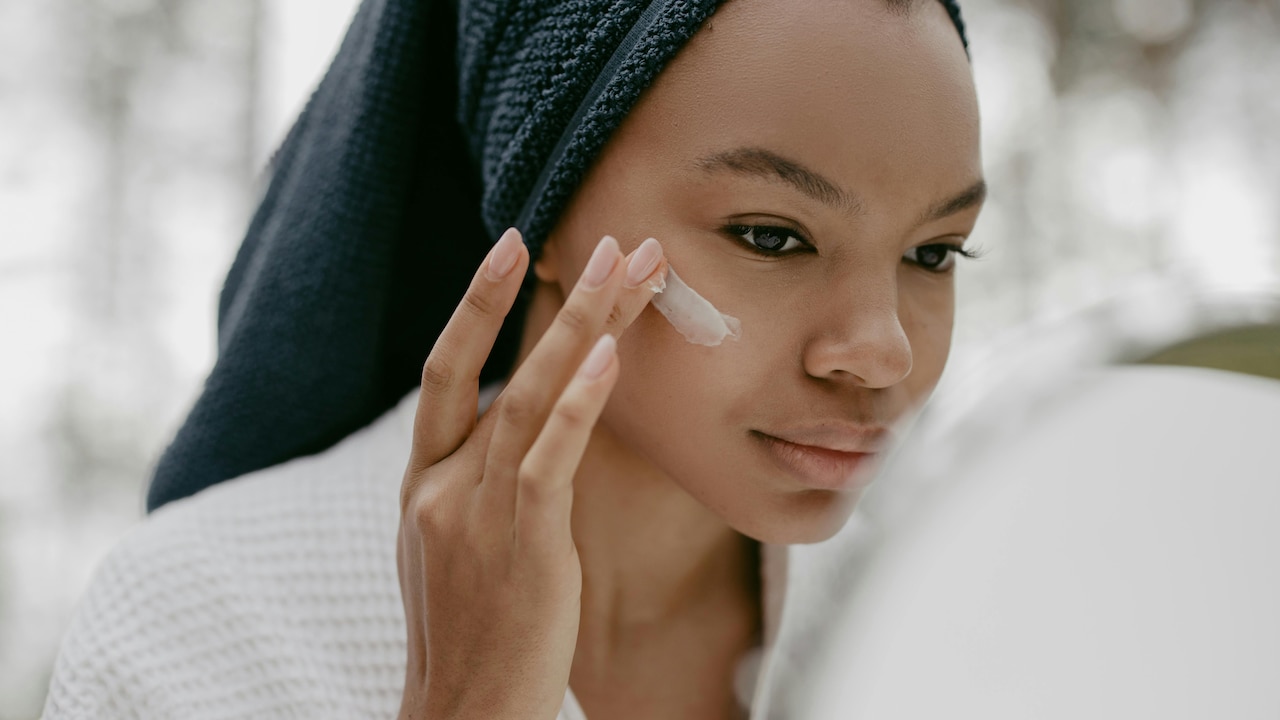
Actives Overload: How Are You Damaging Your Skin Barrier?
Overusing actives like retinol and acids can weaken your skin barrier, leading to irritation and breakouts. This is how to spot the damage, fix it, and build a routine that actually works.

Actives Overload: How Are You Damaging Your Skin Barrier?
Scroll through any beauty feed today and it feels like a chemistry class in motion. Niacinamide for pores, salicylic acid for acne, retinol for ageing, vitamin C for glow, the list goes on. Skincare has become smarter, but also louder. Every new product promises faster, brighter, clearer results. And somewhere between all those promises, a quiet mistake slips in: too many actives, too often.
Skin, however, does not operate on social media timelines. It follows its own rhythm, one that prefers patience over pressure. When overloaded with powerful ingredients, the skin barrier, the outermost shield, begins to weaken. That's when the glow fades, irritation creeps in, and confusion sets in. “But everything being used is supposed to help,” one might wonder.
The truth lies not in what is used, but how much, how often, and how wisely. This article unpacks the subtle yet serious issue of actives overload, with relatable insights and everyday scenarios that might feel all too familiar.

Actives Overload: How Are You Damaging Your Skin Barrier?; Photo Credit: Pexels
Are Your Skincare Habits Doing More Harm Than Good?
The Obsession With Instant Results
There's something irresistible about quick fixes. A serum that claims visible results in seven days sounds far more appealing than one that asks for patience over months. In a fast-moving lifestyle where even food arrives in under thirty minutes, skincare expectations have also sped up.
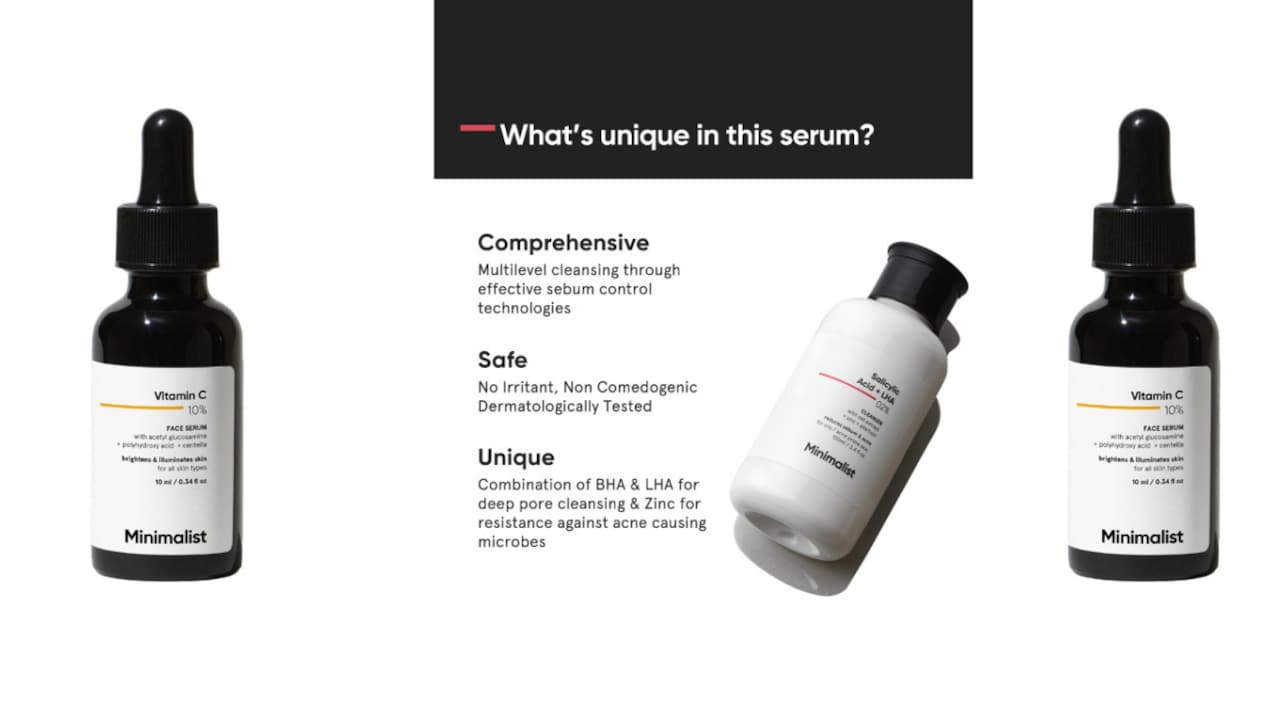
This urgency often leads to layering multiple actives at once. A morning routine packed with vitamin C, followed by niacinamide, sunscreen, and an exfoliating toner at night, topped with retinol, might feel productive. It feels like ticking all the right boxes. But beneath that enthusiasm, the skin quietly struggles to keep up.
The skin barrier is not designed for constant assault, even if the ingredients are beneficial. Overloading it disrupts its natural repair cycle. Instead of improving, the skin becomes reactive. That tight feeling after washing the face, or the sudden appearance of redness, are early signs of distress.
Ironically, in the quest for perfection, the very foundation of healthy skin begins to crumble. What starts as a well-intentioned routine slowly turns into a cycle of damage and repair.
Also Read: GlowUp Season Starts Now: Top-Rated Luxury Face Serums Under ₹10,000 On Myntra Glow Up Days Sale
Understanding The Skin Barrier
Think of the skin barrier as a brick wall. The skin cells are the bricks, and lipids act as the mortar holding everything together. This structure keeps moisture in and harmful elements out. When intact, the skin feels smooth, resilient, and calm.
However, actives like acids and retinoids work by accelerating cell turnover or exfoliating layers. While beneficial in moderation, excessive use chips away at that protective wall. The mortar weakens, gaps appear, and suddenly, the barrier is no longer secure.
Once compromised, the skin loses hydration faster. Environmental stressors like pollution and heat penetrate more easily. This is when sensitivity spikes. Products that once worked beautifully may suddenly sting.
Understanding this structure changes how skincare is approached. It's no longer about piling on products but about protecting this delicate system. Healthy skin isn't just about glow, it's about strength and balance.
When ‘More' Becomes Too Much
There's a common misconception that if one active works, combining several will work faster. This logic often leads to mixing exfoliating acids with retinol, or using multiple serums targeting similar concerns.
The problem lies in cumulative impact. Each active carries its own potency. When combined without thought, they amplify irritation rather than results. Skin doesn't interpret this as efficiency; it experiences it as stress.
Consider a typical scenario: a person starts using a glycolic acid toner twice a week. Results look promising. Encouraged, retinol is added on alternate nights. Soon after, a vitamin C serum joins the morning routine. Within weeks, dryness appears. Then peeling. Then breakouts that weren't there before.
This isn't unusual. It's a textbook case of actives overload. The skin is not rejecting skincare; it's reacting to excess.
Balance is often misunderstood as minimal effort, but in reality, it's mindful effort. Knowing when to pause becomes just as important as knowing what to apply.
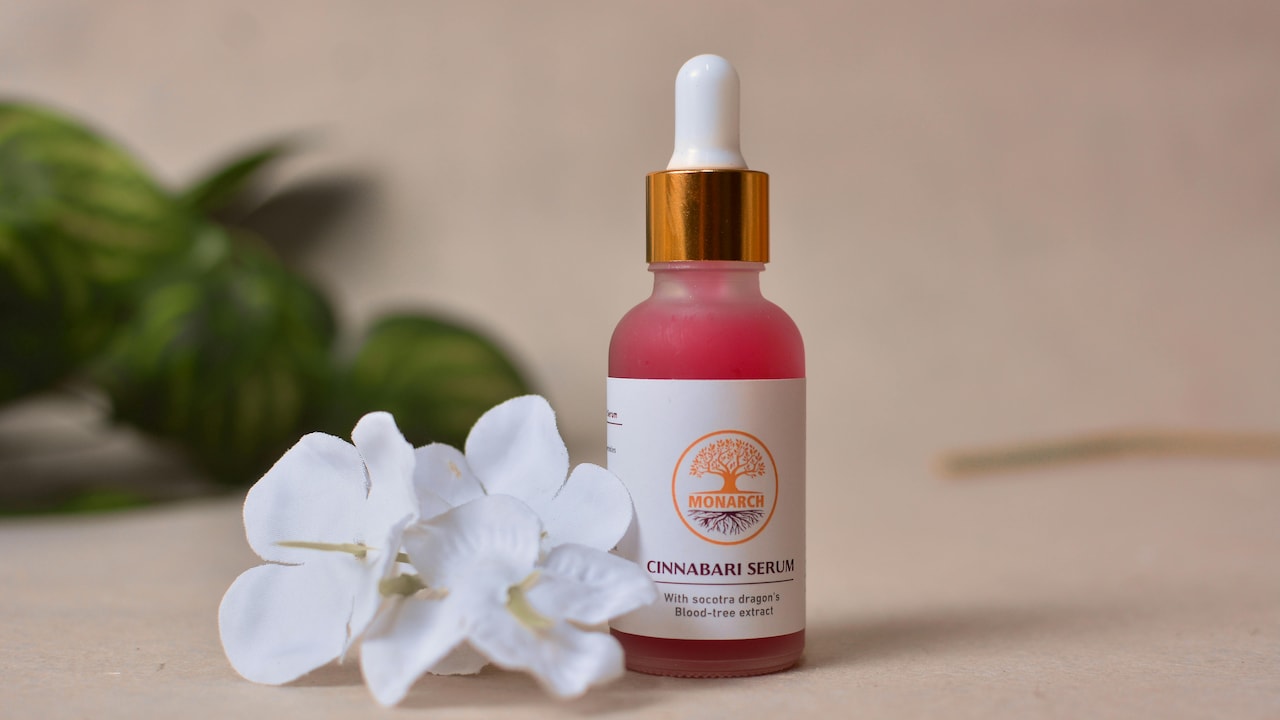
Actives Overload: How Are You Damaging Your Skin Barrier?; Photo Credit: Pexels
The Silent Signs Of Barrier Damage
Barrier damage rarely announces itself dramatically. It creeps in through subtle changes. Skin begins to feel tighter than usual, even after moisturising. A mild tingling sensation appears during application of products that once felt gentle.
Redness becomes more frequent, especially around the nose and cheeks. Breakouts may increase, not because of clogged pores, but because the skin is inflamed and vulnerable.
Another telltale sign is dehydration. The skin may look oily yet feel dry underneath. Makeup starts to sit unevenly, clinging to patches or separating oddly.
These signs are often misread. Many assume the solution lies in adding more products, perhaps a stronger exfoliant or a richer cream. But this only deepens the problem.
Recognising these signals early can prevent long-term damage. Skin speaks quietly, but it speaks clearly when listened to with attention.
Social Media And Skincare Trends
Trends travel fast. A single viral video can introduce a new ingredient overnight. Suddenly, everyone wants snail mucin, peptides, or chemical exfoliants. While experimentation can be exciting, it often lacks context.
What works for one person may not suit another. Skin type, climate, lifestyle, all influence how products behave. Copying routines without understanding these factors leads to overload.
There's also pressure to keep up. A shelf filled with products often feels like a sign of commitment. But skincare isn't a competition. It doesn't reward quantity.
The constant exposure to curated routines creates unrealistic expectations. Real skin has texture, fluctuations, and moods. It doesn't transform overnight.
A thoughtful routine often looks boring compared to trending ones. But it works quietly, steadily, and safely. And in skincare, that's what truly matters.
Climate And Environmental Stress
Heat, humidity, pollution, are everyday conditions that already challenge the skin. Add a heavy routine of actives on top, and the burden multiplies.
Sweat and oil production increase in warm weather. Strong actives can disrupt this balance further, leading to irritation or breakouts. Pollution particles settle on compromised skin more easily, triggering inflammation.
Even indoor environments play a role. Air conditioning can dry out the skin, making it more sensitive to exfoliants and retinoids.
Skincare should adapt to surroundings. A routine that works during cooler months may feel too harsh in peak summer. Yet many stick to fixed regimens, unaware of this shift.
Listening to the skin in context of the environment helps prevent overload. Sometimes, reducing actives during stressful conditions can do more good than adding new ones.

Actives Overload: How Are You Damaging Your Skin Barrier?; Photo Credit: Pexels
The Role Of Marketing And Packaging
Skincare packaging often highlights powerful ingredients in bold fonts. Words like “clinical strength” and “high potency” create a sense of urgency and effectiveness.
While these products have their place, they're not always meant for daily use. Marketing rarely emphasises moderation. Instead, it encourages consistent application for faster results.
This creates a cycle of overuse. Consumers feel that skipping a day means losing progress. In reality, the skin often benefits from breaks.
There's also the appeal of multi-tasking products. A single serum claiming to target multiple concerns sounds efficient, but combining such products can lead to unintended overlap of actives.
Understanding labels becomes essential. Skincare isn't just about what's applied, but how those ingredients interact with each other and with the skin.
Repairing A Damaged Barrier
When the barrier is compromised, the focus must shift from treatment to repair. This often means simplifying the routine significantly.
Gentle cleansers, hydrating moisturisers, and sunscreen become the core. Actives take a back seat, allowing the skin to recover. Ingredients like ceramides and hyaluronic acid help restore balance.
Patience becomes key. Repair doesn't happen overnight. It may take weeks for the skin to regain its strength. During this time, resisting the urge to experiment is crucial.
There's a certain calm in returning to basics. Skin begins to feel comfortable again. The redness fades, hydration improves, and that natural glow slowly returns.
Repair isn't about undoing damage instantly. It's about rebuilding trust with the skin.
Building A Smarter Routine
A good routine isn't defined by the number of steps but by how well it suits the skin's needs. Introducing one active at a time allows the skin to adapt and respond.
Spacing out actives can make a significant difference. For instance, using exfoliants on one night and retinol on another reduces stress on the barrier.
Consistency matters more than intensity. A mild product used regularly often delivers better results than a strong one used sporadically.
It also helps to observe patterns. If irritation appears after introducing a new product, it's worth pausing and reassessing.
Skincare is less about control and more about understanding. The more attention given to how the skin reacts, the better the routine becomes.
The Beauty Of Doing Less
There's a quiet confidence in simplicity. A routine with fewer products often feels lighter, both on the skin and on the mind.
It also reduces unnecessary spending. Instead of chasing every new launch, investing in a few well-suited products proves more effective. After all, not every trending serum needs a place on the shelf.
Less truly becomes more when the skin starts to respond positively. It feels balanced, calm, and resilient.
There's also a sense of relief in letting go of pressure. Skincare stops feeling like a task and starts feeling like self-care.
And perhaps that's the real goal, not just better skin, but a better relationship with it.
Products Related To This Article
1. Hyphen Dual-Phase Advanced De-Pigmentation Serum
2. SKIN1004 Madagascar Centella Tea-trica Relief Ampoule
3. Chemist at Play 2% Salicylic Acid Face Serum
4. Dr.Melaxin BP Spicule Plumping Lip Shot
5. Renee Everyday Face Bright Illuminating Serum
Actives have transformed skincare for the better. They offer solutions that were once difficult to achieve. But like all powerful tools, they require respect and restraint.
Overloading the skin in pursuit of perfection often leads to the opposite result. A damaged barrier doesn't just affect appearance; it affects comfort and confidence.
The journey to healthy skin isn't about doing more. It's about doing what's right, at the right time, in the right way. Slowing down, simplifying, and listening carefully can make all the difference.
Because at the end of the day, skin doesn't need perfection. It needs care, patience, and a little breathing room.
(Disclaimer: This article may include references to or features of products and services made available through affiliate marketing campaigns. NDTV Convergence Limited (“NDTV”) strives to maintain editorial independence while participating in such campaigns. NDTV does not assume responsibility for the performance or claims of any featured products or services.)