Beyond Bottles And Labels: Are Perfumes Genuinely Unisex?
Discover the history, chemistry, and marketing behind gendered scents. Are perfumes genuinely unisex? Explore the rise of gender-neutral fragrances and find your signature scent on Tira.
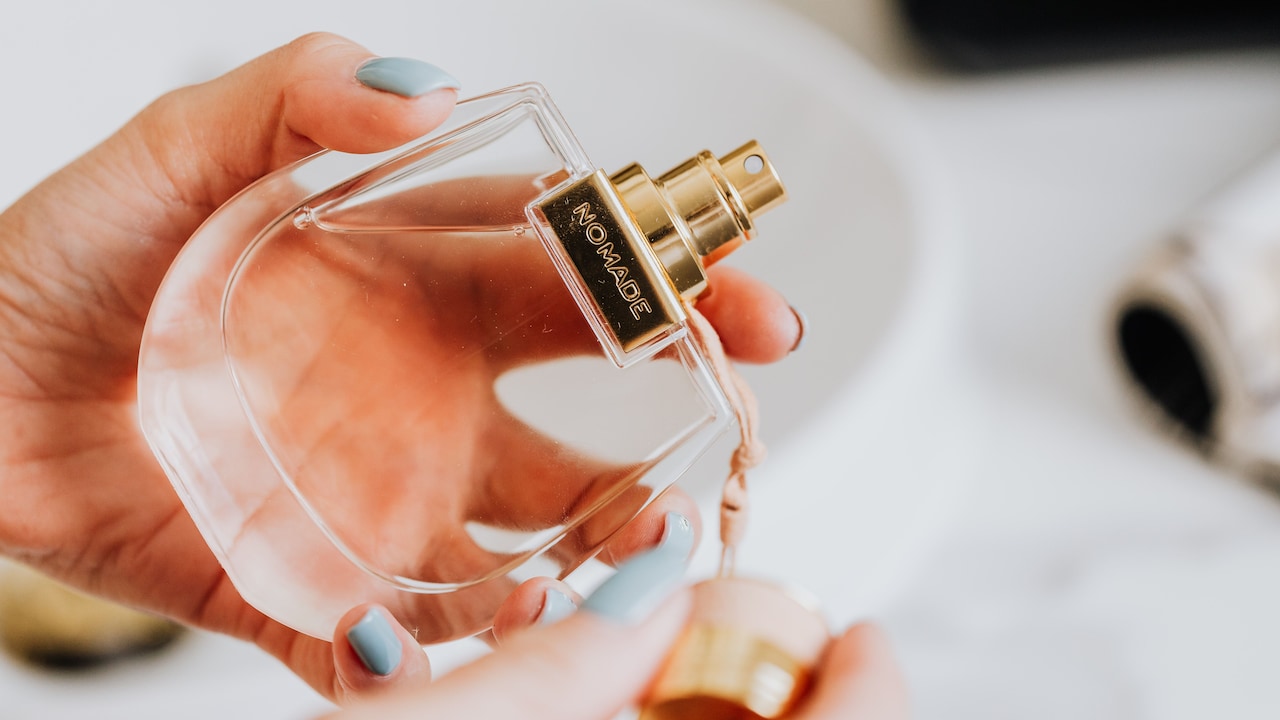
The true magic of any perfume lies in its unique, chemical reaction with your individual skin.
Walk into almost any high-end cosmetics store today, and the geography of the fragrance floor is immediately apparent. On one side, you are met with a fortress of sharp, geometric bottles housing heavy woods, smoky leathers, and bracing citrus; on the other, a softer landscape of delicate glass flacons brimming with tuberose, vanilla, and spun sugar. For decades, the global beauty industry has relied upon this rigid spatial dichotomy, segregating consumers based on a strict gender binary.

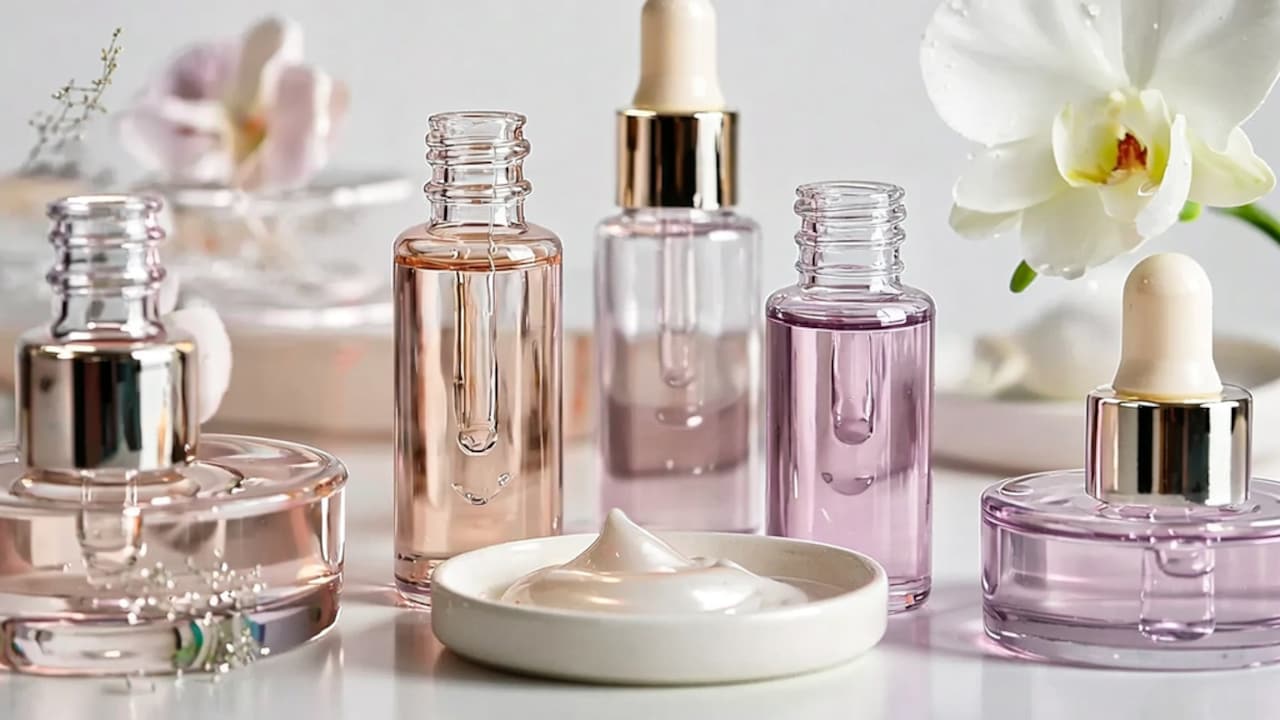
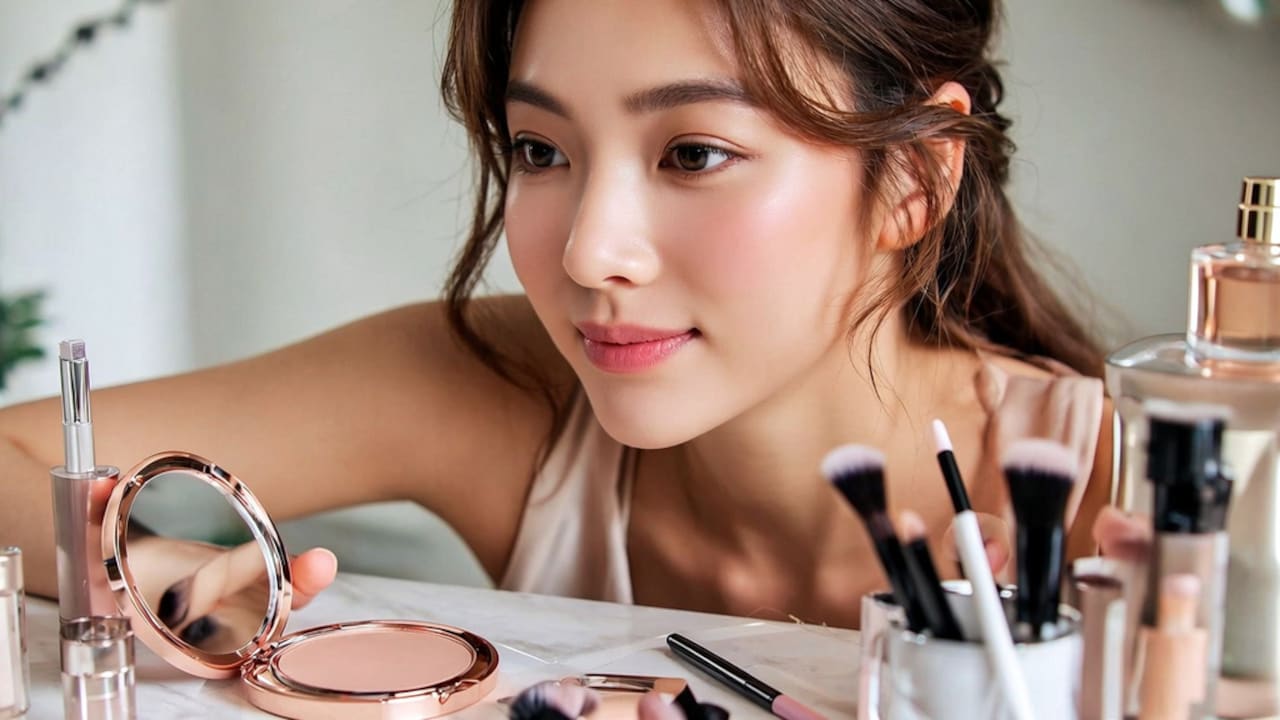
Historically, fragrance was a symbol of pure luxury and status, celebrated by royalty entirely free from the modern confines of gender labels.
Photo Credit: Pexels
Standing between these two deeply contrasting aisles, a fundamental question naturally arises. Why exactly does this division exist? We must ask ourselves if certain olfactory notes are genuinely bound to male or female biology, or if the very concept of a gendered perfume is simply an illusion, a highly effective marketing construct that society has blindly accepted for generations. To unravel the truth behind unisex perfumes and the modern fragrance wardrobe, we must look back at the origins of perfumery, examine the science of scent, and acknowledge how our modern understanding of identity is finally rewriting the rules.
Also Read: How Exfoliation Enhances Body Care Through Seasonal Changes, For Luminous Skin All Year Round
A World Before Gendered Scents
To truly understand how we arrived at this fragrant border control, one must examine a history that began entirely without demographic labels. At its very core, a fragrance is simply a chemical alchemy of aromatic compounds, botanical extracts, essential oils, and solvents. In antiquity, scent served as an indicator of class, wealth, and divine connection, rather than gender. The ancient Egyptians, the Romans, and the European nobility of the Renaissance did not categorise their precious oils to dictate who was permitted to wear them.
Historical records indicate that royalty of all backgrounds heavily favoured the rich, heady aromas of myrrh, frankincense, amber, and lotus. King Louis XIV of France, famously known as the 'perfumed king', routinely doused himself and his entire court in heavy floral waters. Fragrance was a symbol of absolute status. The notion that a specific botanical extract could be inherently 'for him' or 'for her' would have been dismissed as entirely absurd by the early pioneers of bespoke perfumery. Gender-neutral fragrances were not a trend; they were the absolute standard.
Marketing Gimmicks And Fragrance Chemistry
The strict divide we recognise today in modern retail was, in its initial iteration, a brilliantly executed commercial strategy. As the industrial revolution democratised the production of perfume in the late nineteenth and early twentieth centuries, beauty houses needed a method to scale their businesses and sell a higher volume of product. By introducing the distinct labels 'pour homme' (for men) and 'pour femme' (for women), marketing executives engineered a manufactured necessity. Couples who might have once happily shared a universally appealing citrus cologne were suddenly instructed by advertising campaigns that they required separate, individual wardrobes of scent to assert their masculinity or femininity.
However, as this marketing strategy became the entrenched industry standard, the actual formulation of fragrances evolved to support the commercial narrative. Perfumers began to craft juices with specific physiological traits and societal expectations in mind, adding layers of technical justification to the initial gimmick.
For instance, it is a well-documented biological reality that men, on average, possess a slightly higher basal body temperature and tend to perspire more heavily than women. To counteract this and ensure longevity on the skin, fragrances formulated for men were intentionally constructed with stronger, more robust, and deeply anchoring base notes. Ingredients such as heavy cedarwood, sharp vetiver, biting spices, and aromatic fougères were utilised because they are chemically designed to project heavily and endure through heat and sweat.
Conversely, the olfactory briefs for women's fragrances were designed to embrace, and reflect, traditional concepts of femininity. The focus shifted towards softer, more delicate, and yielding compositions. Bountiful floral bouquets of Bulgarian rose, ylang-ylang, and jasmine were masterfully blended with powdery musks and sweet gourmand notes. These scents were explicitly formulated to be intimate and inviting, engineered to linger softly on the skin rather than announcing themselves assertively across a room. The overarching message was unequivocally clear: men were meant to smell grounded and authoritative, whilst women were expected to smell ethereal and blossoming.
The Shift Towards Gender-Neutral Fragrances
Yet, the contemporary beauty landscape is currently undergoing a profound and entirely necessary paradigm shift. Society increasingly recognises that gender is not a rigid, unyielding binary limited to merely male and female, but rather a wonderfully rich and expansive spectrum. Consequently, restricting an individual's olfactory experience based on archaic, restrictive labels feels not only outdated but creatively stifling.
The industry is finally acknowledging what master perfumers have always known: fragrance is an intimate form of self-expression. The true chemistry of a fragrance lies not in a brand's marketing brief, but in the physical reaction of the liquid with a wearer's unique skin chemistry. A scent will naturally smell entirely different on one person than it does on another. The evaporation rate of top notes and the settling of base notes are heavily influenced by an individual's skin pH, basal body temperature, diet, and natural pheromones.
Therefore, a fragrance is, by its very scientific nature, for everybody. Why should an individual who presents as masculine be denied the romantic, velvety sophistication of a rose-dominant parfum? Why should someone who presents as feminine be discouraged from wrapping themselves in the commanding, smoky warmth of oud, tobacco, or aged leather? The simple truth is that they should not. No matter what the elegant typography on the packaging dictates, a scent should be worn freely by whoever likes it, whoever loves it, and whoever feels authentically represented by it. The rise of genderless scents is simply a return to perfumery's truest roots.
How To Choose Your Signature Scent On Tira
As the era of strictly gendered scent quietly fades, making way for a much more exciting, inclusive approach to perfumery, the modern consumer requires a retail environment that reflects this progressive philosophy. Building a bespoke fragrance wardrobe in a post-binary world demands a platform that prioritises individual curation over traditional, restrictive categorisation. This is precisely where a leading beauty brand, Tira, has positioned itself within the luxury beauty market.
Tira has rapidly established itself as the premier digital destination for the discerning beauty and fragrance enthusiasts. Recognising that the contemporary consumer shops with intuition, education, and a desire for individuality, Tira offers an impeccably curated portfolio of the world's most sought-after olfactory creations. Whether you are searching for a traditional, hyper-feminine floral to suit a specific mood, a deeply resonant, masculine wood for evening wear, or an avant-garde, gender-fluid niche creation that defies all conventional categorisation, Tira provides a seamless, elite gateway to discovering your signature scent.
Moving far beyond the standard retail model, Tira champions the philosophy that fragrance is a deeply personal journey of discovery. Their polished, user-centric platform invites consumers to explore by specific notes, fragrance families, and raw ingredients, allowing individuals to select a scent based entirely on olfactory preference rather than societal prescription. With an unwavering commitment to authenticity, luxury, and inclusivity, Tira ensures that the power of choice remains firmly in the hands of the wearer.
The Era Of Unisex Perfumery
Ultimately, the traditional lines dividing the fragrance counter are blurring into obsolescence. Perfumes are, and genuinely always have been, a universal luxury, liquid artistry waiting to be activated by the warmth of human skin. The next time you browse the meticulously curated virtual aisles of a trusted destination like Tira, it is entirely acceptable to ignore the outdated labels. Read the notes, understand the chemistry, and let your own senses guide your selection. In the modern world of beauty, the only rule of wearing perfume is this: if a scent speaks to your soul, it belongs on your skin.
Top Unisex Perfumes Available On Tira
1. Kayali Freedom Musk Santal And Vanilla EDP Mini Duo (2 pcs)
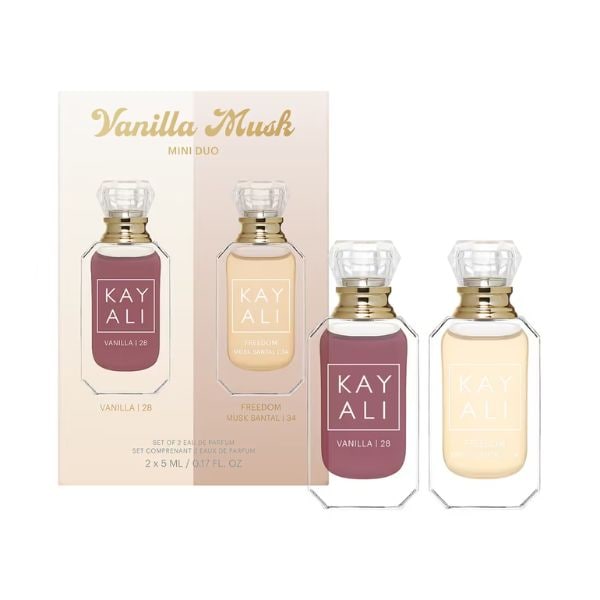
Click To Buy Kayali Freedom Musk Santal And Vanilla EDP Mini Duo (2 pcs)
Photo Credit: Tira
2. Valentino Born In Roma Extradose Donna Parfum (50 ml)
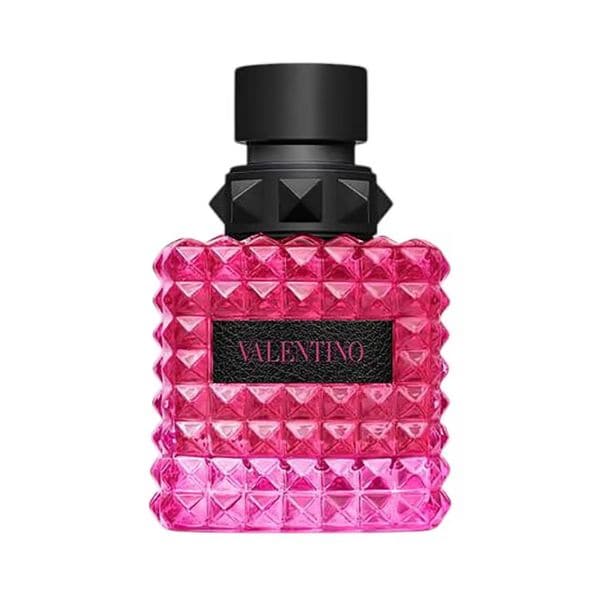
Click To Buy Valentino Born In Roma Extradose Donna Parfum (50 ml)
Photo Credit: Tira
3. Blur India Smells Like Breakfast In Bed Coffee Cake Unisex Perfume (30 ml)
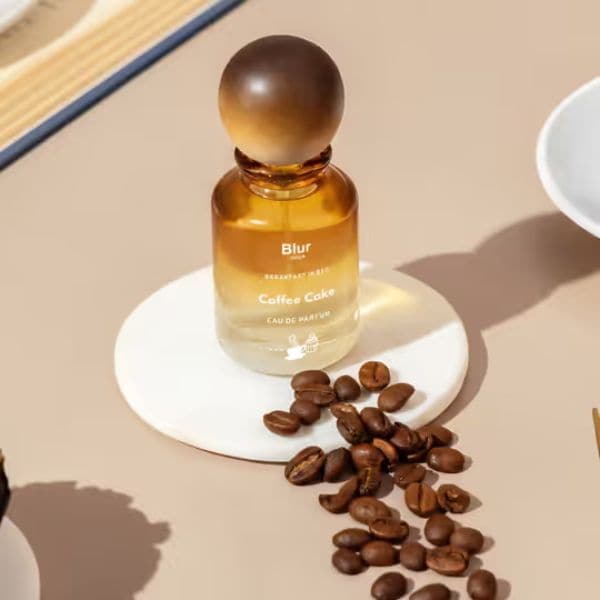
Click To Buy Blur India Smells Like Breakfast In Bed Coffee Cake Unisex Perfume (30 ml)
Photo Credit: Tira
4. AJMAL Oud on the Rocks EDP (100 ml)
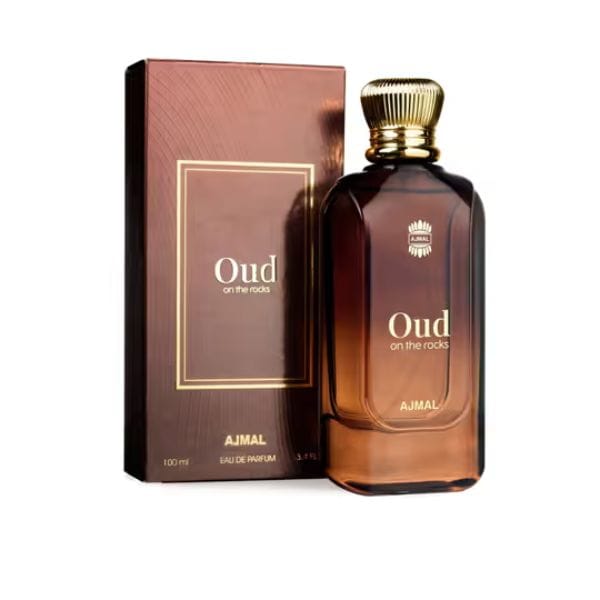
Click To Buy AJMAL Oud on the Rocks EDP (100 ml)
Photo Credit: Tira
5. Ajmal Royal Series Attar Gift Set for Unisex (4 pcs)
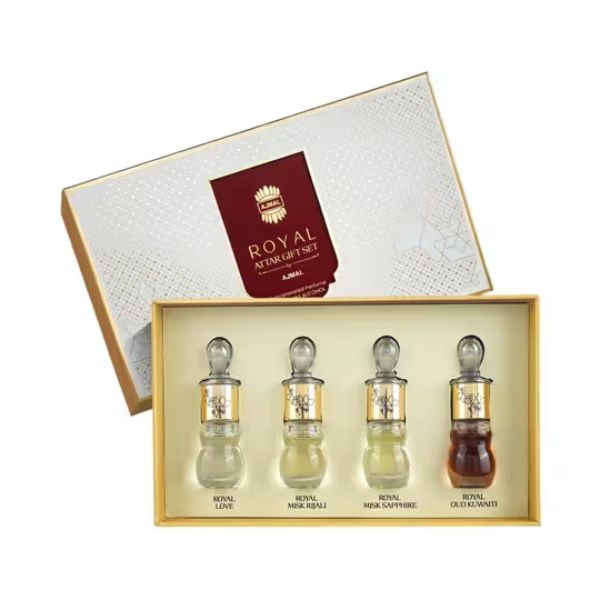
Click To Buy Ajmal Royal Series Attar Gift Set for Unisex (4 pcs)
Photo Credit: Tira
6. LA' French Perfume Gift Set Hang Out Look Out & Date Out Perfume Gift Set For Unisex (3 pcs)
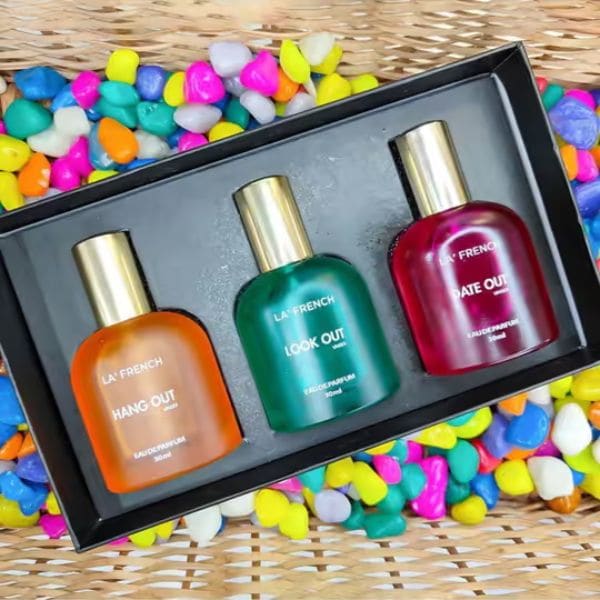
Click To Buy LA' French Perfume Gift Set Hang Out Look Out & Date Out Perfume Gift Set For Unisex (3 pcs)
Photo Credit: Tira
7. Kimirica Perfume Discovery Set (7 pcs)
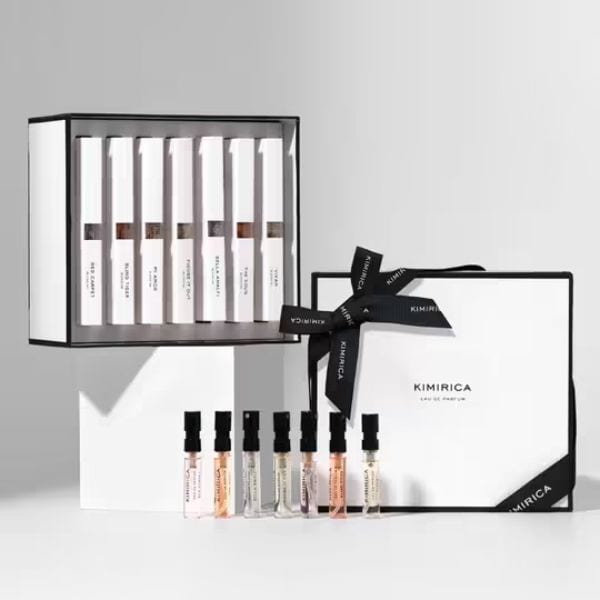
Click To Buy Kimirica Perfume Discovery Set (7 pcs)
Photo Credit: Tira
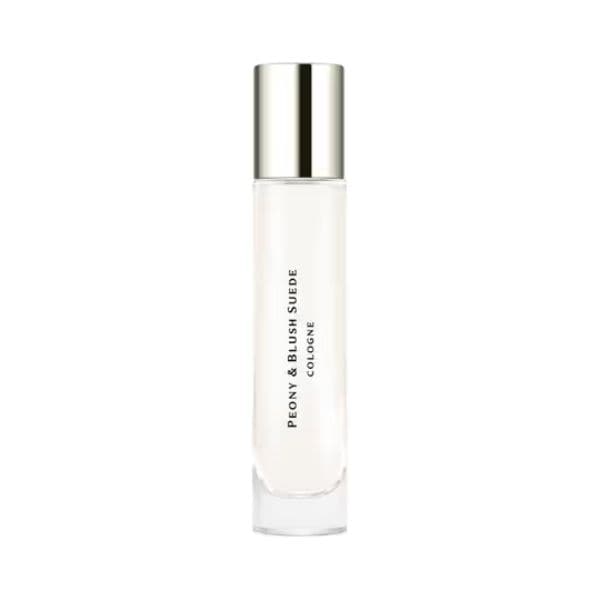
8. Jo Malone London Peony & Blush Suede Travel Spray Cologne (10 ml)
Frequently Asked Questions (FAQs)
1. Are perfumes genuinely unisex?
Yes. At a molecular level, aromatic compounds and essential oils possess no gender. The concept of "men's" and "women's" fragrances was largely created as a marketing strategy in the late 19th and 20th centuries to sell more products. Fragrance reacts uniquely to individual skin chemistry, meaning any scent can be worn by anyone.
2. Can a man wear a floral perfume traditionally marketed to women?
Absolutely. Many master perfumers argue that rich florals, such as rose, jasmine, and iris, smell incredibly sophisticated and luxurious on male skin. The history of perfumery shows that historical male figures often wore heavy floral waters. It is entirely about personal preference and how the notes interact with your body chemistry.
3. What makes a fragrance "gender-neutral" or unisex?
While any perfume can be unisex, fragrances explicitly marketed as gender-neutral often balance traditional masculine and feminine notes. They might blend the warmth of woods and spices with the freshness of citrus or the softness of subtle florals, creating a well-rounded olfactory profile that appeals broadly without relying on gendered stereotypes.
4. How does skin chemistry affect how a perfume smells?
Your skin's pH level, natural oils, body temperature, and even your diet can alter how a perfume's notes evaporate and project.
5. How can I transition to a gender-free fragrance wardrobe if I have only ever worn traditional perfumes?
The most effective approach is to ignore the marketing and focus entirely on raw ingredients. Begin by identifying the specific olfactory notes you already naturally gravitate towards and utilise platforms like Tira to explore the range of perfumes by these specific note families rather than restrictive demographic categories.
(Disclaimer: This article may include references to or features of products and services made available through affiliate marketing campaigns. NDTV Convergence Limited (“NDTV”) strives to maintain editorial independence while participating in such campaigns. NDTV does not assume responsibility for the performance or claims of any featured products or services.)