Body Spray vs Deodorant: Which One Really Controls Body Odour and Why It Matters
Body spray and deodorant are often used interchangeably, but they serve very different purposes. This article breaks down how each works, their benefits, and which one actually helps control body odour in everyday life.

Body Spray vs Deodorant: Differences, Benefits And Which One Actually Controls Body Odour.
Freshness sits high on the daily priority list. A quick shower helps, but real life demands more. Long hours outside, packed buses, power cuts, surprise meetings, and sudden weather shifts all test personal hygiene. That's where body spray and deodorant step in. Both look similar, both smell pleasant, and both claim to keep odour away. Still, they serve different purposes, and mixing them up leads to disappointment.
Many people grab a body spray before heading out, hoping it will handle sweat and odour in one go. Others rely on deodorant but expect it to double up as a fragrance. These assumptions cause confusion and wasted money. Understanding the difference saves effort and keeps confidence intact.
This article unpacks what body spray and deodorant really do, how they work, and when each makes sense. From ingredients to usage habits, from teenage gym bags to office drawers, every angle gets covered. Freshness feels simple once the basics fall into place.
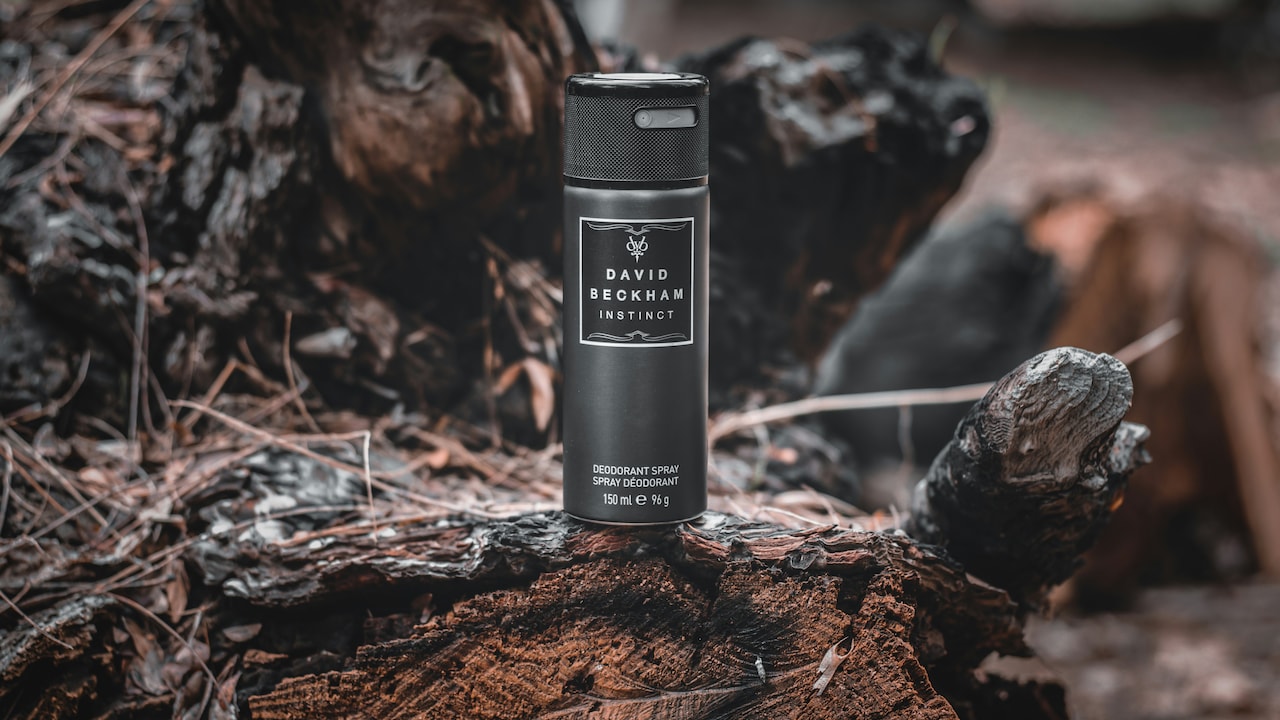
Body Spray vs Deodorant Explained: Differences, Benefits and Everyday Use
Photo Credit: Pexels
Breaking Down How Body Spray and Deodorant Work
1. What Is Body Spray and What Does It Actually Do?
Body spray works like a light perfume. It focuses on fragrance rather than sweat control. Most body sprays contain alcohol, water, and fragrance oils. The scent feels refreshing and instantly lifts the mood. A quick spray on the chest or neck adds confidence before stepping out.
However, body spray does not stop sweat. It does not reduce moisture or kill odour-causing bacteria for long. Once sweat mixes with bacteria on the skin, odour develops. Body spray may cover it briefly, but the effect fades fast, especially in warm or humid conditions.
Think of body spray as the finishing touch, not the foundation. It suits short outings, social events, or moments when smelling pleasant matters more than staying dry. Many people enjoy body spray after a shower or before meeting friends. The key lies in moderation. Too much creates a cloud that overwhelms rather than attracts.
Body spray adds charm, not protection. Expecting it to control body odour all day leads to frustration. Used wisely, it complements hygiene rather than replacing it.
2. What Is Deodorant and How Does It Tackle Odour?
Deodorant targets the root cause of body odour. Sweat itself does not smell. Bacteria breaking down sweat cause the unpleasant scent. Deodorant fights these bacteria. Many formulas include antibacterial agents that reduce their growth.
Deodorant also offers fragrance, but the focus stays on odour control. Some variants include mild antiperspirant properties, though full antiperspirants form a separate category. Roll-ons, sticks, creams, and sprays fall under deodorants, giving plenty of choice.
Applied directly to underarms, deodorant works best on clean, dry skin. It creates an environment where bacteria struggle to survive. As a result, odour stays away for longer periods, often through a full workday.
Deodorant suits daily use, especially for people who sweat easily or spend hours outdoors. It feels practical rather than glamorous. No dramatic scent trails, just quiet confidence. Choosing deodorant means choosing function first. Freshness lasts longer, and the body feels comfortable even during busy days.
3. Fragrance vs Function: The Core Difference
The biggest difference between body spray and deodorant lies in purpose. Body spray focuses on fragrance. Deodorant focuses on function. One makes the body smell nice. The other stops bad smells from forming.
This distinction matters. Using body spray instead of deodorant during a long day often ends badly. The fragrance fades, sweat builds up, and odour breaks through. On the other hand, relying only on deodorant may keep odour away, but feel a bit plain for special occasions.
Fragrance lifts mood and adds personality. Function supports comfort and hygiene. Mixing the two roles creates confusion. That's why many people layer products, deodorant first, body spray later.
Understanding this difference helps make smarter choices. It also saves money by avoiding unnecessary reapplications. A clear routine works better than random sprays throughout the day.
Freshness thrives on balance. Let each product do its job instead of expecting miracles from one can.
4. Sweat, Bacteria, and Why Odour Happens
Sweat glands release moisture to cool the body. This process keeps the body healthy. Problems start when bacteria feed on sweat. They break it down and release odour as a by-product.
Underarms provide a warm, moist environment, perfect for bacterial growth. Tight clothes, synthetic fabrics, and stress make it worse. Even diet and hormones play a role.
Body spray does little here. It does not stop sweat or bacteria. Deodorant disrupts bacterial activity, reducing odour. Antiperspirants go a step further by limiting sweat, but that topic deserves separate attention.
Understanding this process removes shame around sweating. Everyone sweats. Managing odour requires the right tools, not embarrassment. Good hygiene, breathable clothing, and the correct product combination make a noticeable difference.
Knowledge empowers better choices. When the science feels clear, marketing claims lose their grip.
5. Longevity: How Long Do They Really Last?
Body spray offers instant freshness with a short life. Most scents last two to four hours, sometimes less in heat. Reapplication becomes necessary, which explains why small cans disappear quickly.
Deodorant lasts longer. Many formulas protect for eight to twelve hours. Some claim twenty-four-hour protection, though real-life conditions vary. Physical activity, weather, and stress affect performance.
Longevity matters during long days. No one wants to carry a bag full of products. Deodorant provides a reliable base. Body spray adds a boost when needed.
Relying solely on body spray often leads to overuse. Too much fragrance turns unpleasant. Using deodorant first reduces the need for constant touch-ups.
Choosing based on lifestyle helps. Office hours, travel routines, and social plans all influence what lasts long enough to feel comfortable.
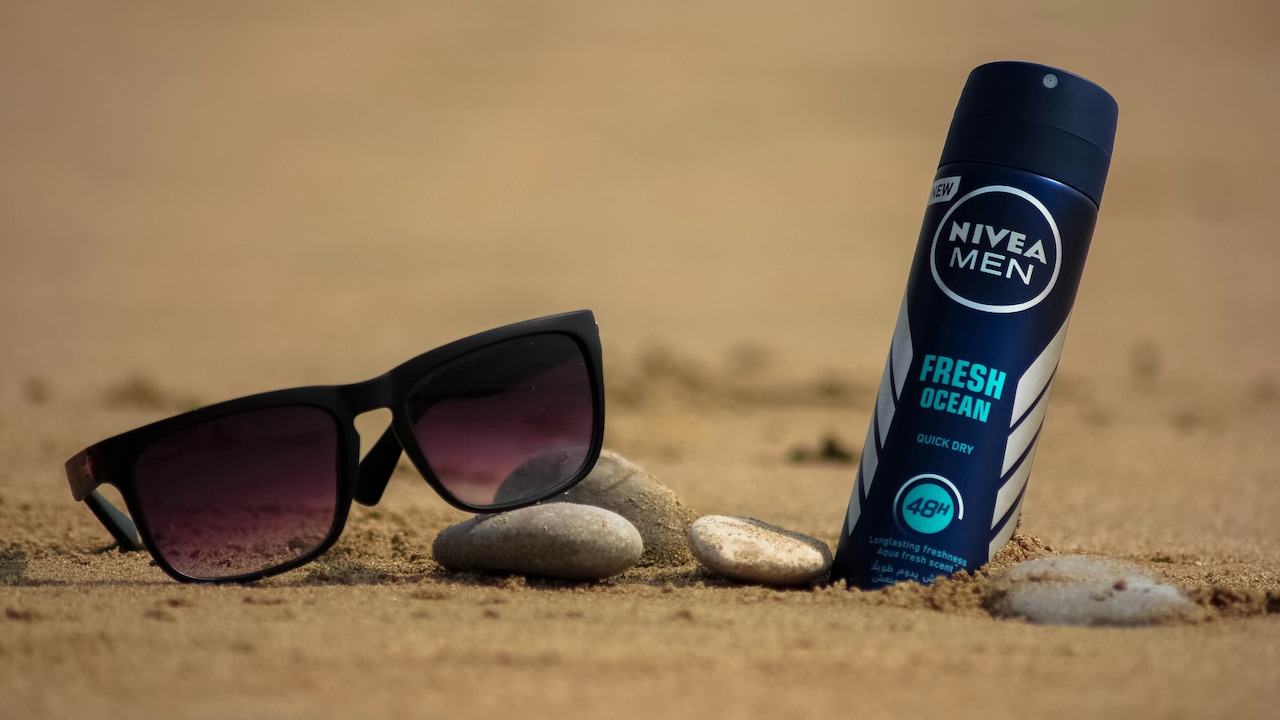
Body Spray vs Deodorant Explained: Differences, Benefits and Everyday Use
Photo Credit: Pexels
6. Skin Sensitivity and Ingredient Awareness
Skin reacts differently to products. Alcohol-heavy body sprays may irritate sensitive skin, especially after shaving. Redness, itching, or dryness may follow.
Deodorants also cause reactions in some cases. Fragrance, baking soda, or certain preservatives trigger sensitivity. Natural or fragrance-free options exist for this reason.
Checking ingredient lists helps. Patch testing avoids unpleasant surprises. Gentle formulas suit daily use better than harsh, heavily scented ones.
Underarm skin stays delicate. Treating it kindly pays off in comfort and confidence. Rotating products or taking breaks also helps prevent irritation.
Skin health matters as much as freshness. A product that smells great but causes discomfort fails the real test.
7. Usage Habits: Common Mistakes to Avoid
Many people spray body spray directly on sweaty skin. This traps odour rather than fixing it. Applying deodorant on damp skin reduces its effectiveness, too.
Timing matters. Deodorant works best after a shower, when skin feels clean and dry. Body spray works best on pulse points or clothes, not directly on underarms.
Overapplication creates new problems. Too much fragrance causes headaches and discomfort for others. Freshness should invite, not announce arrival.
Another mistake involves skipping deodorant altogether and relying on frequent showers. That works short-term but fails during long days.
Simple habits create better results. Clean skin, correct order, and moderation turn basic products into reliable allies.
8. Cost, Value, and Everyday Practicality
Body sprays often cost less per can but finish faster. Frequent reapplication adds up over time. Deodorants last longer and offer better value for daily use.
Prices vary widely. Budget options start around ₹150, while premium variants cross ₹500. A higher price does not always mean better performance. Finding a reliable mid-range option works for most people.
Practicality matters more than branding. A deodorant in the bag saves awkward moments. A body spray at home adds flair before stepping out.
Spending wisely means matching the product to the need. Function deserves priority over fancy packaging.
9. Can They Be Used Together? Yes, and Here's How
Using deodorant and body spray together works beautifully when done right. Deodorant goes first, directly on the underarms. It controls odour and supports hygiene.
Body spray comes later. A light mist on the chest or clothes adds fragrance. Avoid mixing clashing scents. Choosing complementary notes keeps things pleasant.
This combination suits long days and social evenings alike. Odour stays controlled, and fragrance feels intentional.
Layering avoids overuse. Fewer products achieve better results. Confidence rises without effort.
Understanding roles transforms routine into ritual. Freshness feels effortless rather than forced.
10. Which One Actually Controls Body Odour? The Clear Answer
Deodorant controls body odour. Body spray does not. That truth cuts through all confusion.
Body spray enhances scent. Deodorant prevents bad smells. Choosing one over the other depends on the goal.
For daily freshness, deodorant remains essential. For added charm, body spray steps in. Expecting one to replace the other leads to disappointment.
Confidence comes from comfort. Comfort comes from control. Deodorant delivers that control.
Knowing this difference simplifies life. The bathroom shelf feels less crowded, and mornings feel smoother.
Products Related To This Article
1. Nivea Men Fresh Ocean Original Deodorant
.
2. DressBerry Women Blush Fragrance Mist
3. Park Avenue Men Signature Collection Mega Pack Neo Premium Deodorant
4. Bella Vita Organic Luxury Women Date Long-Lasting Body Mist
5. United Colors of Benetton Colors Man De Benetton Green Deodorant Body Spray
6. Wild stone code Men Code Platinum Long Lasting Body Deodorant Perfume
7. Roadster Men Into The Woods Body Spray
Freshness feels personal. It affects confidence, comfort, and how the day unfolds. Body spray and deodorant both play roles, but they serve different purposes. Confusing them creates frustration and awkward moments.
Deodorant forms the foundation. It controls odour and supports hygiene. Body spray adds personality and flair. Used together, they create balance.
Understanding sweat, bacteria, and ingredients empowers better choices. Simple habits and realistic expectations make all the difference.
Freshness does not require excess. It requires clarity. Choose wisely, apply thoughtfully, and let confidence do the rest.
(Disclaimer: This article may include references to or features of products and services made available through affiliate marketing campaigns. NDTV Convergence Limited (“NDTV”) strives to maintain editorial independence while participating in such campaigns. NDTV does not assume responsibility for the performance or claims of any featured products or services.)