Everyday Foundations That Don’t Oxidise Midday: Stay Fresh And Shine-Free For Hours
Discover everyday foundations that resist oxidation, control shine, and stay fresh for hours. Learn simple tips to keep your base natural, breathable and flawless from morning routines to evening plans.
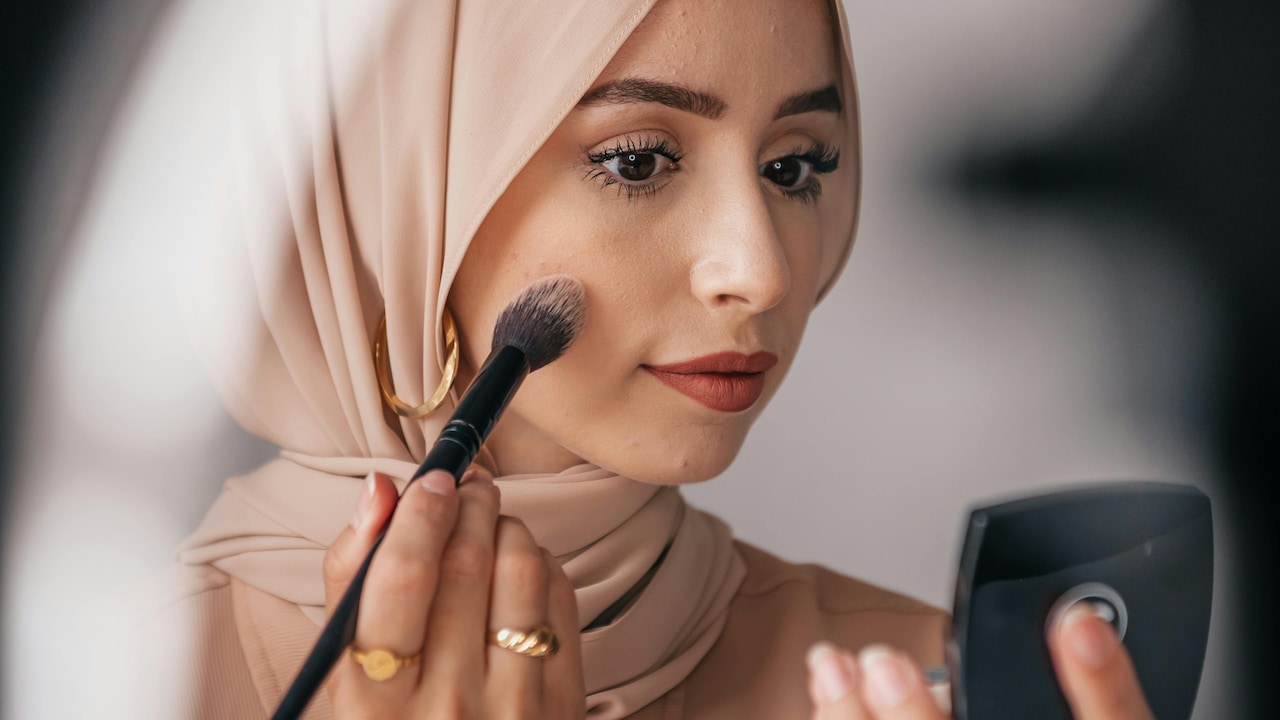
Say goodbye to foundations that oxidise with these shopping tips.
Morning makeup often begins with optimism. A smooth base, even skin tone, and soft glow promise confidence for the day ahead. Yet by midday, mirrors tell a different story. Foundation darkens, shine appears across the T-zone, and carefully blended makeup settles into fine lines. Heat, pollution, long commutes, and unpredictable weather play their part, but oxidation remains the real culprit behind that sudden colour shift.
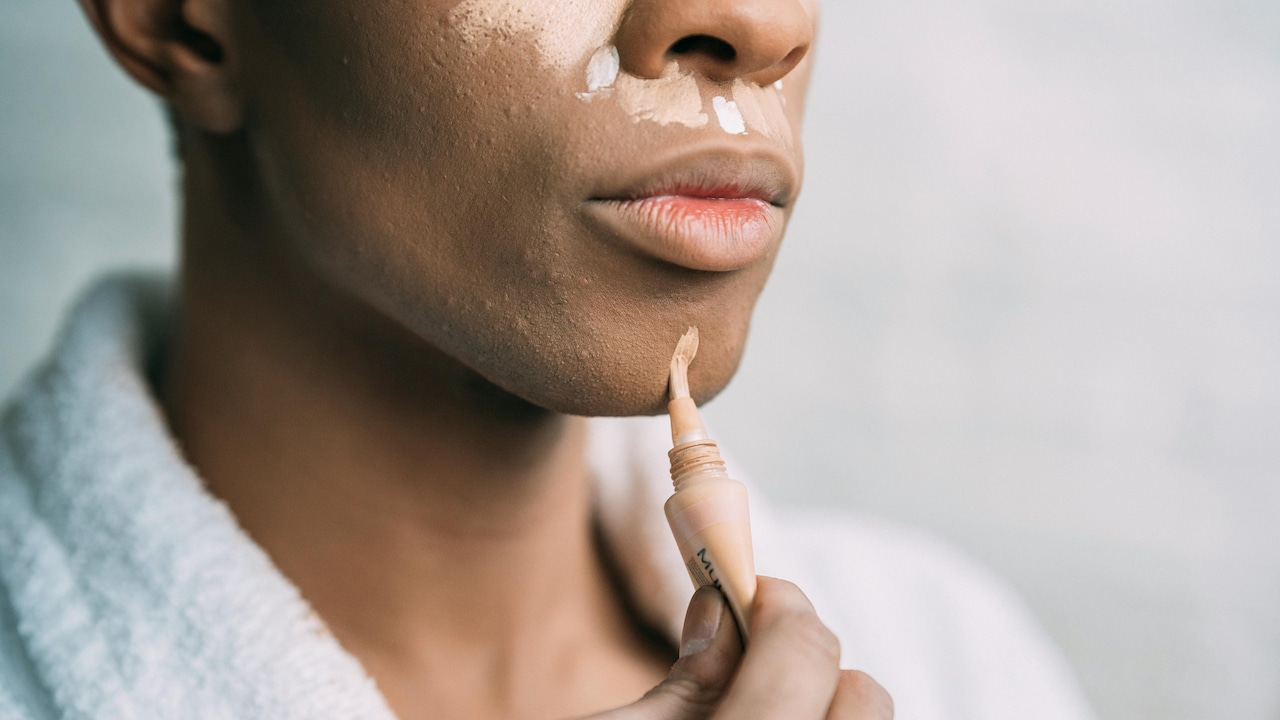
Explore what makes a foundation oxidise and how to stop it; Photo Credit: Pexels
Oxidation happens when the foundation reacts with natural oils, sweat, and air exposure. The shade that matched perfectly at 9 a.m. can appear two tones deeper by noon. Many people assume the problem lies in oily skin alone, yet even dry or combination skin faces this issue when formulas fail to balance properly with skincare or climate conditions.
Modern beauty brands now design foundations specifically to resist oxidation while remaining lightweight enough for daily wear. The goal has shifted from heavy coverage to breathable longevity. Every day makeup no longer needs constant touch-ups or layers of powder.
Choosing the right product, understanding ingredients, and adapting routines to local conditions make all the difference. A foundation that survives crowded trains, warm afternoons, and spontaneous dinner plans becomes less of a luxury and more of a reliable companion. The sections ahead explore practical solutions that keep makeup fresh, comfortable, and shine-free throughout the day.
Also Read: Makeup That Looks Like Second Skin: Top 5 Must-Try Luxury Foundations For Natural-Looking Finish
Skin Prep Sets The Stage For Longevity
Perfect foundation rarely begins with the bottle; it begins with preparation. Skin behaves differently depending on hydration, oil balance, and even sleep quality. Without proper prep, even premium formulas struggle to stay true to colour.
Start with gentle cleansing to remove overnight oil and residue. Over-cleansing strips natural moisture, causing skin to produce more oil later, which speeds oxidation. A lightweight gel moisturiser works well for humid climates, offering hydration without heaviness. When skin feels balanced rather than greasy, foundation sits evenly instead of sliding away.
Sunscreen plays an equally important role. Many skip it fearing shine, yet modern matte or gel sunscreens create a smooth base that actually improves wear time. Allowing skincare to settle for a few minutes prevents pilling and uneven patches.
Consider the morning rush familiar to many households: quick breakfast, searching for keys, and rushing out the door. Makeup often happens in seconds. However, giving skin just five minutes to absorb products can extend foundation wear dramatically. Think of it as letting chai brew properly rather than rushing the process; patience rewards flavour, and in this case, lasting freshness.
Good preparation reduces oil breakthrough, helping foundations resist oxidation naturally instead of fighting against the skin all day.
Understanding Oxidation And Why Foundations Change Colour
Many people blame incorrect shade matching when the foundation turns darker, yet chemistry tells another story. Oxidation occurs when pigments react with oxygen and skin oils. Heat and humidity accelerate this reaction, making midday touch-ups almost inevitable with certain formulas.
Foundations containing heavy oils or unstable pigments tend to oxidise faster. Iron oxides, commonly used for colour, deepen when mixed with sebum. This explains why oily zones darken first, particularly around the nose and forehead.
Environmental factors also influence the outcome. Air pollution particles cling to makeup, subtly altering colour and texture. Long hours outdoors or commuting through traffic intensify these effects. Even skincare ingredients such as strong vitamin C or overly rich creams can trigger faster oxidation when layered incorrectly.
Testing foundation in natural daylight helps prevent surprises. A shade that looks perfect under store lighting may behave differently after a few hours outside. Waiting ten minutes before finalising a purchase allows oxidation to reveal its true tone.
Understanding oxidation transforms makeup shopping from guesswork into strategy. Rather than chasing lighter shades to compensate for darkening, selecting stable formulations designed for long wear solves the issue more effectively. Knowledge turns frustration into control, allowing makeup to enhance confidence instead of demanding constant correction.
Lightweight Matte Formulas That Balance Oil Without Dryness
Matte foundations once carried a reputation for looking flat or cakey. Modern versions, however, balance oil control with skin-like texture, making them ideal everyday companions. The secret lies in breathable polymers that absorb excess shine without suffocating the skin.
Lightweight matte formulas work particularly well during long office hours or crowded travel conditions. Instead of heavy coverage, they create a soft-focus effect that blurs imperfections while allowing natural radiance to remain visible. Skin appears polished rather than powdered.
Choosing the correct finish matters. Ultra-matte products may exaggerate dryness, especially in air-conditioned environments. Soft matte or natural matte finishes provide flexibility, adapting to skin changes throughout the day. These formulas maintain colour stability, reducing oxidation even in warmer conditions.
Many shoppers assume higher price guarantees better performance, yet several reliable options exist around ₹700–₹1,500 that rival luxury brands. The key lies in ingredient balance rather than branding alone.
Application technique also influences results. Using a damp sponge presses product into the skin, creating thin layers that resist separation. Thick application encourages oil breakdown and colour shift.
A good matte foundation should feel almost invisible. When makeup stops feeling like makeup, longevity follows naturally, allowing attention to remain on daily tasks rather than mirror checks.
Hydrating Foundations That Stay Fresh Without Turning Greasy
Not everyone seeks a matte finish. Dry or combination skin often benefits from hydrating foundations designed to maintain glow without slipping into shine. The challenge lies in achieving luminosity without midday greasiness.
Hydrating formulas now include water-based textures enriched with hyaluronic acid or glycerin. These ingredients hold moisture within the skin, preventing dehydration that can cause patchiness and oxidation. Balanced hydration keeps pigments stable, ensuring colour remains consistent.
The trick involves layering wisely. A rich moisturiser paired with a hydrating foundation may overwhelm skin, especially in humid weather. Switching to a lighter moisturiser allows the foundation to provide necessary hydration instead.
Many people notice foundation cracking after hours in air-conditioned offices. Hydrating formulas adapt better to temperature changes, maintaining flexibility rather than drying out. Skin continues to look fresh even after long meetings or extended screen time.
A subtle glow works beautifully for evening transitions. After a full day, makeup should still look appropriate for dinner plans without requiring a complete redo. Foundations in the ₹900–₹2,000 range increasingly offer this balance, proving comfort and longevity can coexist.
Healthy-looking skin never appears overly matte or overly shiny. Hydrating foundations aim for that middle ground, fresh, breathable, and effortlessly polished.
Choosing The Right Shade And Undertone Matters More Than Coverage
Shade mismatch often masquerades as oxidation. Undertones play a silent but powerful role in how the foundation behaves throughout the day. Warm, cool, and neutral undertones interact differently with skin oils and lighting conditions.
Testing foundation along the jawline rather than the wrist provides a more accurate match. Facial skin experiences sun exposure and pigmentation variations that wrists rarely reflect. Observing the shade after walking outdoors helps determine whether oxidation occurs.
Undertones also influence brightness. A foundation too yellow or too pink may appear darker once oils surface, even if the depth initially matches. Neutral undertones frequently offer safer everyday choices for fluctuating weather conditions.
Many shoppers feel pressured to chase full coverage when the real goal should be tone harmony. Medium coverage foundations often oxidise less because they contain lighter pigment concentrations. Skin shows through slightly, allowing natural colour balance to remain intact.
Beauty counters can feel overwhelming, especially during busy weekends. Taking time to test shades calmly often prevents expensive mistakes. Spending ₹1,200 on the wrong undertone costs more than investing extra minutes during selection.
A well-matched shade behaves like a second skin. When colour aligns correctly, oxidation becomes less noticeable, and makeup remains believable from morning commute to evening gatherings.
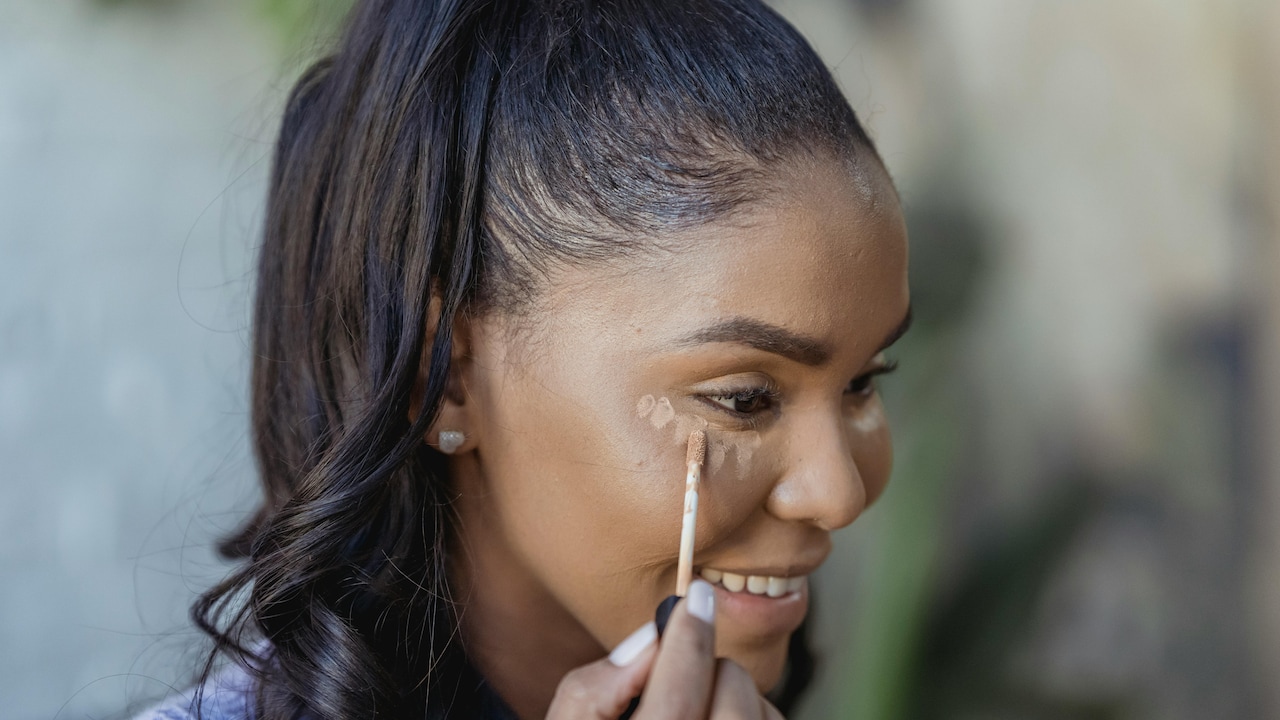
Ensure that you choose the right shade as per your skin tone; Photo Credit: Pexels
Primers That Create A Barrier Against Midday Shine
Primer often divides opinion. Some consider it optional, others swear by it. When chosen correctly, primer acts as an invisible shield between skincare and foundation, slowing oxidation significantly.
Oil-control primers contain ingredients that regulate sebum production, preventing foundation pigments from mixing excessively with skin oils. Silicone-based formulas smooth texture and blur pores, creating an even surface that holds makeup in place longer.
However, more product does not equal better performance. A pea-sized amount spread thinly across oil-prone areas works best. Over-application causes slipping, ironically shortening wear time.
Different areas of the face may require different primers. The forehead and nose often benefit from mattifying formulas, while cheeks may prefer hydrating ones. Customising application mirrors tailoring clothing; one size rarely fits all.
During festive seasons or wedding functions, long hours under lights test makeup endurance. A good primer ensures the foundation survives dancing, photography, and warm surroundings without turning patchy.
Affordable primers around ₹500–₹900 now rival high-end alternatives, making longevity accessible rather than exclusive. When foundation grips properly, fewer touch-ups become necessary, allowing focus to remain on enjoying the day instead of repairing makeup.
Application Techniques That Prevent Oxidation And Caking
Technique transforms performance. Even the most advanced foundation struggles if applied incorrectly. Thin layers remain the golden rule for preventing oxidation and cakiness.
Start with a small amount and build gradually. Applying excess product encourages oil breakdown, leading to uneven darkening. Buffing foundation gently into the skin ensures pigments distribute evenly rather than sitting on the surface.
Tools matter too. Brushes provide coverage quickly but may leave more product exposed to the air. Damp sponges press foundation into the skin, reducing oxygen exposure and improving longevity. Fingers work well for sheer formulas, using body warmth to blend seamlessly.
Setting strategically proves more effective than powdering the entire face. Concentrating powder on oil-prone zones preserves natural radiance elsewhere. Over-powdering often leads to dryness, which paradoxically increases oil production later.
Consider the familiar rush before leaving home. Applying makeup while hair tools heat up or breakfast cooks saves time, yet multitasking can lead to hurried blending. Slowing down for just a minute ensures smoother application and fewer midday surprises.
Good technique feels less like effort and more like rhythm. Once mastered, the foundation becomes reliable, staying fresh without demanding constant correction.
Setting Products That Lock Makeup Without Looking Heavy
Setting sprays and powders have evolved beyond chalky finishes. Modern formulas aim to seal makeup while maintaining a natural appearance, helping foundations resist oxidation through long days.
Finely milled translucent powders absorb oil subtly rather than masking skin texture. Pressing powder gently instead of sweeping prevents disturbance of the foundation underneath. This method keeps colour stable and avoids patchiness.
Setting sprays offer an additional layer of protection. Alcohol-free formulas fuse makeup layers together, creating flexibility that moves with facial expressions. The result resembles naturally flawless skin rather than a fixed mask.
Weather changes throughout the year demand adaptability. During warmer months, mattifying sprays extend wear time, while hydrating sprays refresh makeup in cooler conditions. Carrying a small spray bottle costs less than repeated touch-up products, often under ₹600.
A quick midday mist revives makeup without adding layers. Instead of piling powder over shine, refreshing the base maintains freshness and prevents heaviness.
When setting products, complement the foundation rather than overpower it, makeup lasts comfortably for hours. The face feels breathable, allowing confidence to remain steady from morning meetings to evening outings.
Everyday Touch-Up Habits That Keep Skin Shine-Free
Even long-wear foundations benefit from mindful maintenance. Touch-ups should refresh rather than rebuild makeup. Small habits throughout the day preserve freshness without effort.
Blotting papers remain underrated heroes. They remove excess oil without disturbing the foundation, preventing oxidation from accelerating. A gentle press along the T-zone restores a matte appearance instantly.
Avoid layering powder repeatedly. Each additional layer mixes with oil and sweat, eventually creating heaviness. Instead, blot first, then apply minimal powder only where necessary.
Hydration also affects makeup longevity. Drinking water regularly supports skin balance, reducing excess oil production. Skipping hydration often leads to both dryness and shine, an ironic yet common occurrence.
Office lighting and mirrors can exaggerate imperfections, encouraging unnecessary touch-ups. Checking makeup in natural light offers a more accurate perspective. Often, what appears imperfect indoors looks perfectly fine outside.
Keeping a small pouch with blotting sheets and a compact mirror costs far less than replacing oxidised foundation frequently. Practical habits extend product performance, proving that lasting makeup depends as much on behaviour as formulation.
Products Related To This Article
1. Maybelline New York Fit Me Matte+Poreless Foundation 18 ml
2. LOreal Paris Infallible 24H Lightweight Tinted Serum Foundation 30ml
3. Pilgrim Dream Matte Serum Liquid Foundation - 30ml
4. Lakme 9to5 Powerplay Mousse Foundation
5. SWISS BEAUTY Shiny Pearl Water Drop Blemish Balm BB Foundation
A foundation that stays fresh throughout the day feels less like a cosmetic and more like a quiet reassurance. It allows attention to shift from appearance to experiences, conversations, work, laughter, and spontaneous plans that fill everyday life.
Preventing oxidation does not require complicated routines or expensive products. Balanced skincare, thoughtful shade selection, lightweight formulas, and smart application techniques work together to maintain a consistent, natural finish. Small adjustments often deliver the biggest improvements.
Modern foundations recognise real lifestyles: long commutes, humid afternoons, air-conditioned offices, and social evenings that stretch beyond expectations. Makeup should adapt to these realities rather than demand constant maintenance.
Ultimately, the best everyday foundation disappears into the background. Skin looks like skin, shine remains controlled, and confidence lasts from morning to night. When makeup works quietly and reliably, it becomes part of daily comfort, fresh, effortless, and beautifully enduring.
(Disclaimer: This article may include references to or features of products and services made available through affiliate marketing campaigns. NDTV Convergence Limited (“NDTV”) strives to maintain editorial independence while participating in such campaigns. NDTV does not assume responsibility for the performance or claims of any featured products or services.)