How To Choose A Face Wash That Cleanses Without Stripping Your Skin Barrier
A good face wash should cleanse without drying your skin. Discover how to choose gentle formulas that protect your skin barrier, are suitable for your climate, and keep your skin feeling fresh, balanced and comfortable every day.

How To Choose A Face Wash That Cleanses Without Stripping Your Skin Barrier
Step into any supermarket aisle or scroll through an online store, and the choices feel endless. Gel, foam, cream, clay, charcoal, each promises radiant, spotless skin. Yet, after all the trial and error, that familiar tightness often creeps in. It is the kind of tightness that feels clean for a minute, then slowly morphs into dryness, flakiness, or even unexpected breakouts. The truth sits quietly beneath the marketing noise. Healthy skin does not need to be stripped to feel clean. In fact, the outermost layer, the skin barrier, works hard to protect against pollution, humidity swings, and daily grime. Harsh cleansers disrupt this balance, leaving skin vulnerable and confused.
Choosing the right face wash becomes less about chasing trends and more about understanding what skin truly needs. With the right approach, it becomes easier to spot products that cleanse gently, maintain hydration, and support long-term skin health. And yes, it is entirely possible to step out of the bathroom without feeling like a dried leaf.

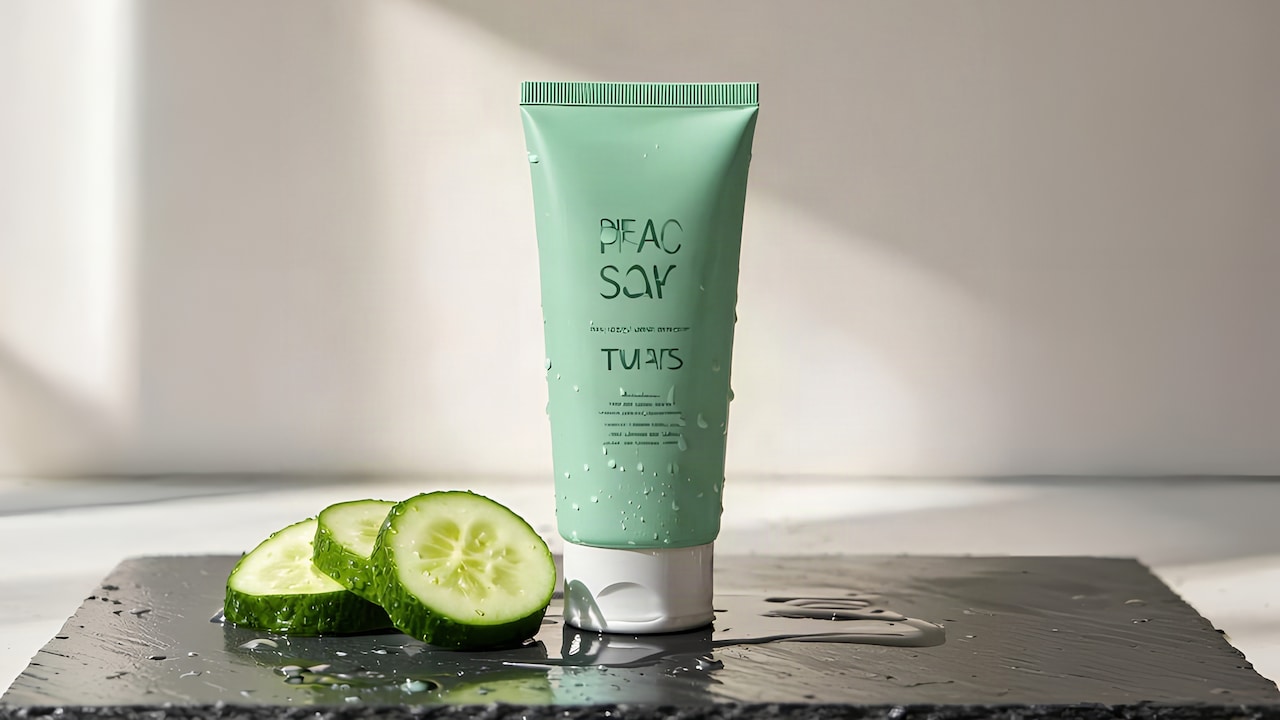
How To Choose A Face Wash That Cleanses Without Stripping Your Skin Barrier; Photo Credit: Pexels
Finding The Right Face Wash Without Damaging Your Skin Barrier
1. Understand Your Skin Type Before Anything Else
Every good skincare decision starts with a simple question: what does the skin actually need? Oily skin behaves differently from dry skin, and combination skin loves to keep things interesting by changing its mood depending on the weather or even stress levels.
Ignoring this step often leads to the wrong cleanser choice. For instance, someone with dry skin might reach for a foaming face wash designed for oil control, only to end up with dull, irritated skin. On the other hand, oily skin might struggle with thick cream cleansers that feel heavy and clog pores.
A quick observation helps. If the skin feels tight and flaky after washing, dryness is likely the culprit. If it gets shiny within a few hours, oil production may be higher. Seasonal shifts matter too. Skin that feels normal during cooler months might lean oily during humid spells.
Taking a moment to understand these nuances prevents unnecessary spending and frustration. It also makes the process feel less like guesswork and more like a well-informed choice.
2. Learn To Read Ingredient Labels Like A Pro
Ingredient lists often look intimidating, but they hold the real story. A gentle cleanser usually avoids harsh sulphates like sodium lauryl sulphate. These ingredients create that dramatic foam, but they also strip natural oils too aggressively.
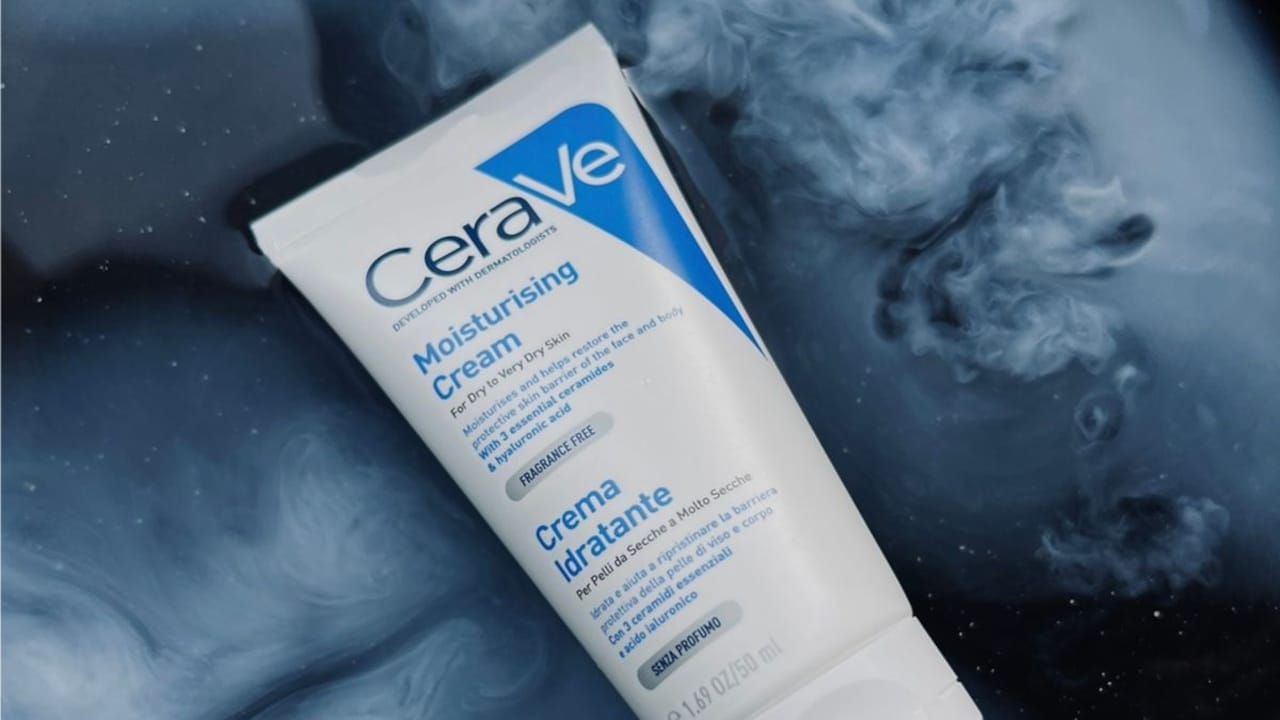
Instead, look for mild surfactants such as cocamidopropyl betaine or decyl glucoside. They cleanse effectively without disturbing the skin's balance. Hydrating ingredients like glycerin, hyaluronic acid, or ceramides deserve a spot on the list as they help retain moisture.
Fragrance, although tempting, can sometimes irritate sensitive skin. A subtle, fragrance-free option often works better in the long run. Alcohol-based cleansers may give an instant matte look, but they tend to dry out the skin with regular use.
With practice, reading labels becomes second nature. It turns the shopping experience into something more empowering, almost like decoding a secret language hidden behind glossy packaging.
3. Avoid The “Squeaky Clean” Myth
That tight, squeaky feeling after washing may seem satisfying, but it signals trouble. It usually means the cleanser has removed more than just dirt and oil, it has taken away essential lipids that keep skin healthy.
Imagine washing a silk saree with a strong detergent. It might come out spotless, but it loses its softness and sheen. Skin behaves in a similar way. Over-cleansing weakens its natural barrier, leading to dryness, sensitivity, and sometimes increased oil production as the skin tries to compensate.
A good face wash leaves skin feeling comfortable and balanced. There should be no immediate urge to rush for moisturiser. Instead, the skin should feel clean yet supple, like it can breathe easily.
Letting go of this “clean equals tight” belief is often the turning point in building a better skincare routine.
4. Pick The Right Texture For Daily Use
Texture matters more than most people realise. Gel cleansers feel light and refreshing, making them ideal for humid conditions. Cream cleansers, on the other hand, offer nourishment and suit dry or mature skin better.
Foaming cleansers sit somewhere in between, but not all foams are harsh. Modern formulations often include gentle agents that provide a soft lather without stripping moisture.
Choosing the right texture also depends on personal comfort. Some people enjoy the cooling feel of gels after a long day in the sun, while others prefer the soothing richness of creams during cooler evenings.
The key lies in finding a texture that feels pleasant and leaves the skin comfortable. After all, skincare should feel like a small daily ritual, not a chore.
Also Read: Frequent Pimple Breakout? 5 Face Washes Which Might Help You With It
5. Pay Attention To The Climate Around You
Climate plays a quiet but powerful role in skincare decisions. In humid weather, sweat and oil production increase, making lightweight cleansers more suitable. During cooler months, skin tends to lose moisture quickly, calling for richer, more hydrating formulas.
Urban environments add another layer of complexity. Pollution, dust, and long commutes expose skin to impurities that need gentle but effective cleansing.
A single face wash may not work throughout the year. Rotating between two cleansers based on the season often works better than sticking to one product blindly.
Adapting skincare to the environment ensures the skin stays resilient, no matter what the weather decides to do.

How To Choose A Face Wash That Doesn't Strip Your Skin: A Complete Guide
Photo Credit: Pexels
6. Look For Hydrating And Barrier-Supporting Ingredients
Modern skincare has moved beyond basic cleansing. Many face washes now include ingredients that actively support the skin barrier.
Ceramides help repair and strengthen the outer layer, reducing moisture loss. Glycerin attracts water to the skin, keeping it hydrated. Aloe vera soothes irritation, especially after long hours outdoors.
These ingredients make a noticeable difference over time. Instead of feeling dry after every wash, the skin gradually becomes softer and more balanced.
Choosing such formulations turns cleansing into a supportive step rather than a damaging one. It feels less like stripping and more like caring.
7. Do Not Overwash Your Face
Washing the face too often can undo even the best skincare efforts. Twice a day usually works well for most people, once in the morning and once before bed.
Frequent washing strips natural oils repeatedly, leaving the skin confused and prone to irritation. It may even trigger excess oil production, creating a frustrating cycle.
After a long day outdoors, a gentle cleanse removes dirt and sweat effectively. There is no need to scrub aggressively or repeat the process multiple times.
Keeping things simple often brings better results. Skin appreciates consistency more than excess effort.
8. Be Careful With Trendy Ingredients
Charcoal, clay, exfoliating acids, trends come and go, often with bold promises. While these ingredients have their place, they may not suit daily use for everyone.
Overusing exfoliating cleansers, for example, can lead to redness and sensitivity. Clay-based washes may work well occasionally but can dry out the skin if used too often.
It helps to treat such products as occasional boosts rather than everyday essentials. A gentle cleanser should remain the backbone of any routine.
Trends can be fun to explore, but skin health thrives on balance rather than extremes.
9. Test Before You Commit Fully
Trying a new face wash without testing it first can lead to unpleasant surprises. Patch testing helps avoid reactions, especially for sensitive skin.
Many stores offer sample sizes, and even spending ₹199 on a small tube can prevent wasting ₹799 on a full-sized product that does not suit the skin.
Applying a small amount on the jawline or behind the ear for a day or two reveals how the skin responds. Redness, itching, or dryness signal that the product may not be the right fit.
This simple step saves both money and frustration, making the selection process smoother.
10. Listen To Your Skin, Not Just Reviews
Online reviews can be helpful, but they do not tell the whole story. What works brilliantly for one person may not suit another at all.
Skin has its own way of communicating. If a cleanser leaves it feeling irritated or overly dry, that feedback matters more than glowing ratings.
On the flip side, if the skin feels calm, hydrated, and balanced after washing, that is a clear sign of a good match.
Trusting these signals builds confidence in making better choices over time. It also makes skincare feel more intuitive and less dependent on outside opinions.

How To Choose A Face Wash That Doesn't Strip Your Skin: A Complete Guide
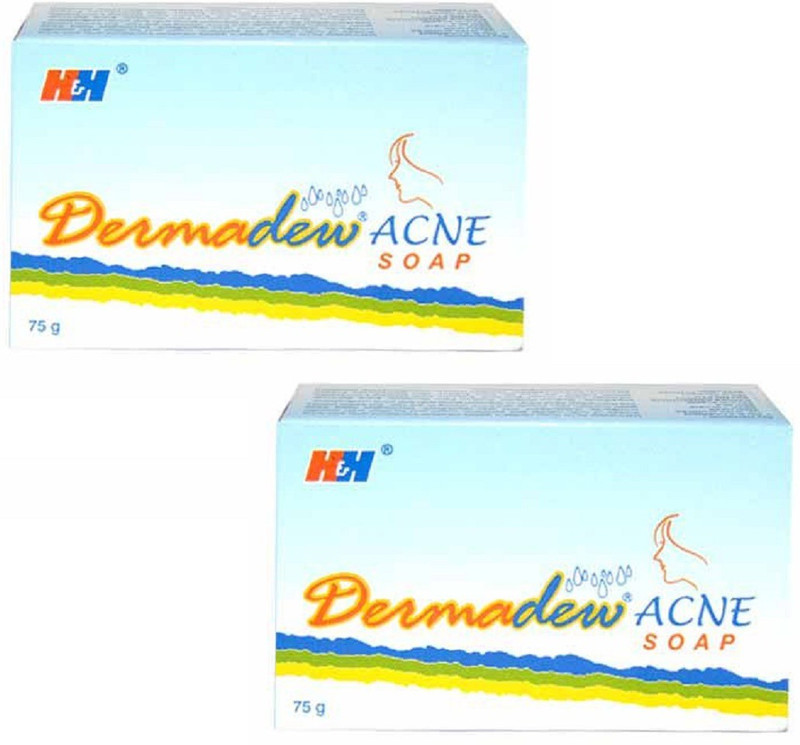
Photo Credit: Pexels
Choosing a face wash that does not strip the skin is less about chasing perfection and more about understanding balance. Gentle cleansing, thoughtful ingredient selection, and a bit of patience go a long way in maintaining healthy skin.
The goal is not to eliminate every trace of oil or achieve that overly polished look. Instead, it is about preserving the skin's natural strength while keeping it clean and comfortable.
With the right approach, the daily act of washing the face becomes something to look forward to, a small but meaningful ritual that supports long-term skin health. And perhaps, for once, the mirror reflects skin that feels as good as it looks.
Some Face Cleansers Available Online That You May Like
1. FIXDERMA Skarfix-TX Face Cleanser
2. Kaya Sensitive Face Cleanser - Gentle Cleanse
3. Mamaearth Chia Calming Face Cleanser With Chia Seed
4. Brinton UV Doux OC Face Cleanser
5. CosIQ Unisex Face Cleanser for Dry Skin Oil Control & Anti Acne Face Wash
(Disclaimer: This article may include references to or features of products and services made available through affiliate marketing campaigns. NDTV Convergence Limited (“NDTV”) strives to maintain editorial independence while participating in such campaigns. NDTV does not assume responsibility for the performance or claims of any featured products or services.)