How To Fix Frizzy Hair After Getting Wet In The Rain
Struggling with frizzy hair after getting caught in the rain? Learn how to fix rain-induced frizz, restore smoothness, and protect your hair from humidity.

How To Fix Frizzy Hair After Getting Wet In The Rain
Getting caught in the rain can feel refreshing until you see what it has done to your hair. One minute your hair looks smooth, styled, and manageable; the next, it suddenly appears puffy, tangled, and difficult to control. During monsoon season, especially, even a quick walk outside can leave your hair looking entirely different from when you left home.

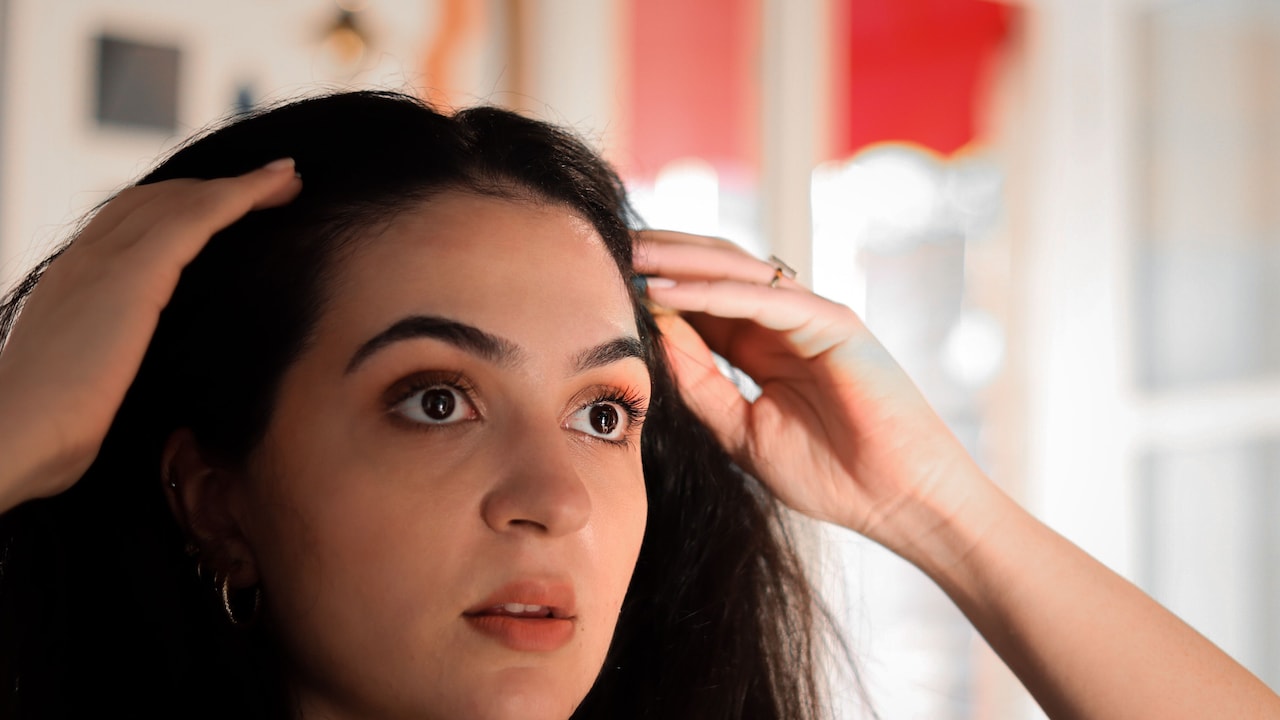
Learn how to fix frizzy hair after rain and restore smooth, healthy moisture; Photo Credit: iStock
What makes it even more frustrating is that rain doesn't affect everyone the same way. Some people notice a few flyaways, while others end up dealing with excessive frizz, rough texture, and strands that seem impossible to smooth down again. So why does rain have such a dramatic effect on hair? More importantly, how can you fix frizzy hair after getting wet in the rain without causing even more hair damage? Here's everything you need to know.
Also Read: How To Keep Hair Frizz-Free During Monsoon Without Heat Tools
Why Does Hair Become So Frizzy After Getting Wet In The Rain?
Rain itself isn't always the biggest problem. In fact, humidity usually plays a much larger role. When hair gets wet, the outer layer of the hair shaft, that is, the cuticle, starts to lift. Once that happens, moisture from the nearby air goes in unevenly, and then the strands swell and expand in separate directions.
This is precisely why hair often looks puffier after rain than after a regular shower. Add pollution, dust, and changing weather conditions into the mix, and the result is usually hair that feels rough, tangled, and noticeably less manageable. People with curly, wavy, coloured, or naturally dry hair tend to experience these effects even more because their hair is already more vulnerable to moisture imbalances.
How To Fix Frizzy Hair After Getting Wet In The Rain?
Fixing frizzy hair after rain isn't really about throwing dozens of products all at once. In most cases, a few simple moves can bring back that smoother feel, calm the puffiness down, and make your hair calmer to deal with for the rest of the day.
Step 1: Take Off Excess Water Right Away
The first thing people do when rain hits is usually rub the hair dry with a towel. But that rough back and forth can actually make frizz worse, because it creates more friction on the hair cuticle. Instead, lightly squeeze out extra water with a microfibre towel, or even a soft cotton T-shirt. This absorbs water without messing with your hair too much.
Step 2: Add A Lightweight Leave-In Conditioner
Once your hair is damp rather than dripping, go ahead and use a leave-in conditioner. This helps refill moisture, and it also forms a bit of protection around the hair shaft. After that, hair tends to feel softer, smoother, and less annoying to manage.
Step 3: Use A Hair Serum for Flyaways
A small amount of hair serum can really help when rain is turning everything into static and flyaways. Warm it up between your palms, then smooth it over the mid-lengths and ends. It tames those little stubborn hairs and adds a bit of shine without making your hair look or feel oily.
Step 4: Detangle Carefully, Don't Harshly Brush
Wet hair is more fragile, so doing aggressive brushing is a bad idea. Try grabbing a wide-tooth comb and start working out tangles from the ends, then keep moving up, slowly. This approach gets the knots out with less strain, so the strands are less likely to split or break.
Step 5: Let Your Hair Dry Before Restyling
If you can, let your hair air-dry for a bit before using hot tools. Applying heat right after rain exposure can sometimes make hair feel drier, and that usually leads directly back to frizz.
Small Habits That Can Prevent Rain-Induced Frizz
While fixing frizz after you get caught in the rain is totally possible, stopping it in the first place is usually way simpler. A couple of small habits can help your hair look more sleek, feel gentler and be easier to style, even when monsoon humidity is really doing the most.
1. Put On A Hair Serum Before You Step Outside
Think of a hair serum like a protective barrier against moisture in the air. If you add a tiny amount before leaving home, it can smooth the hair cuticle, and it may lessen how much water your strands soak up from the sky.
2. Keep Your Hair Properly Conditioned
Healthy, well-moisturised hair is less likely to become frizzy. Using a deeply nourishing conditioner on a regular basis helps hold onto hydration, so your hair is better prepared for rainy and muggy weather.
3. Go For Loose Hairstyles When It Starts Raining
Tight buns and stiff ponytails can sound efficient, but they often add extra tension to hair that's already damp. A relaxed braid or a soft ponytail is kinder, and it helps reduce those annoying tangles and breakage during the whole day.

Discover simple ways to fix rain-induced frizz and protect your hair from humidity; Photo Credit: iStock
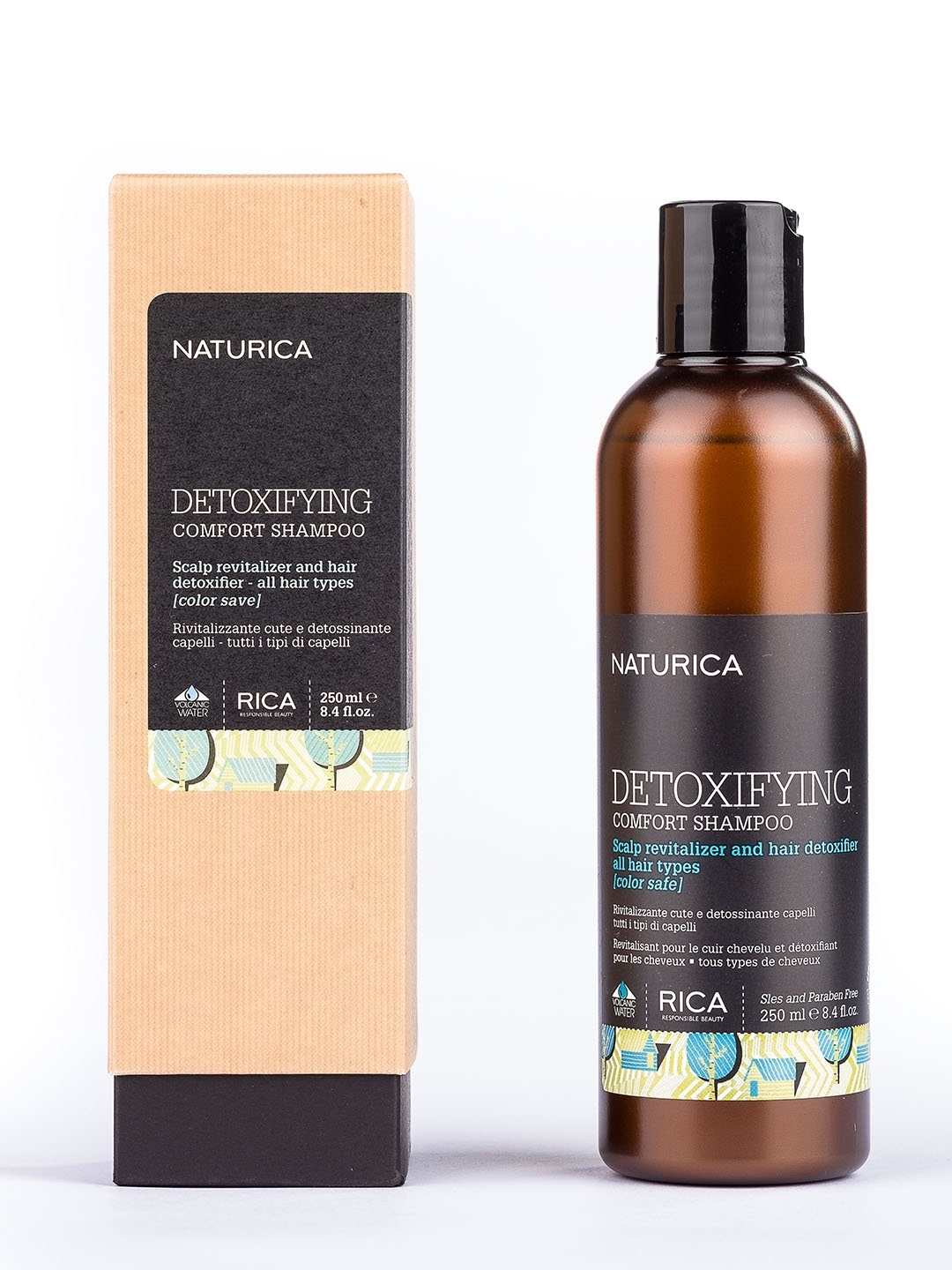
Some Anti-Frizz Hair Products You May Like
1. TRESemmé Keratin Smooth+ Shampoo 1000ml | 72H Frizz Control
2. TRESemmé Keratin Smooth Anti-Frizz Conditioner
3. L'Oréal Paris Extraordinary Oil Hair Serum
4. Streax Professional Vitariche Gloss Hair Serum
5. Matrix Mega Smooth Conditioner with Shea Butter and Ceramides for Frizzy Hair
6. Dove Intense Repair Shampoo 340ml & Dove Intense Repair Conditioner
7. Schwarzkopf Professional Bonacure Frizz Away Conditioner for Men & Women
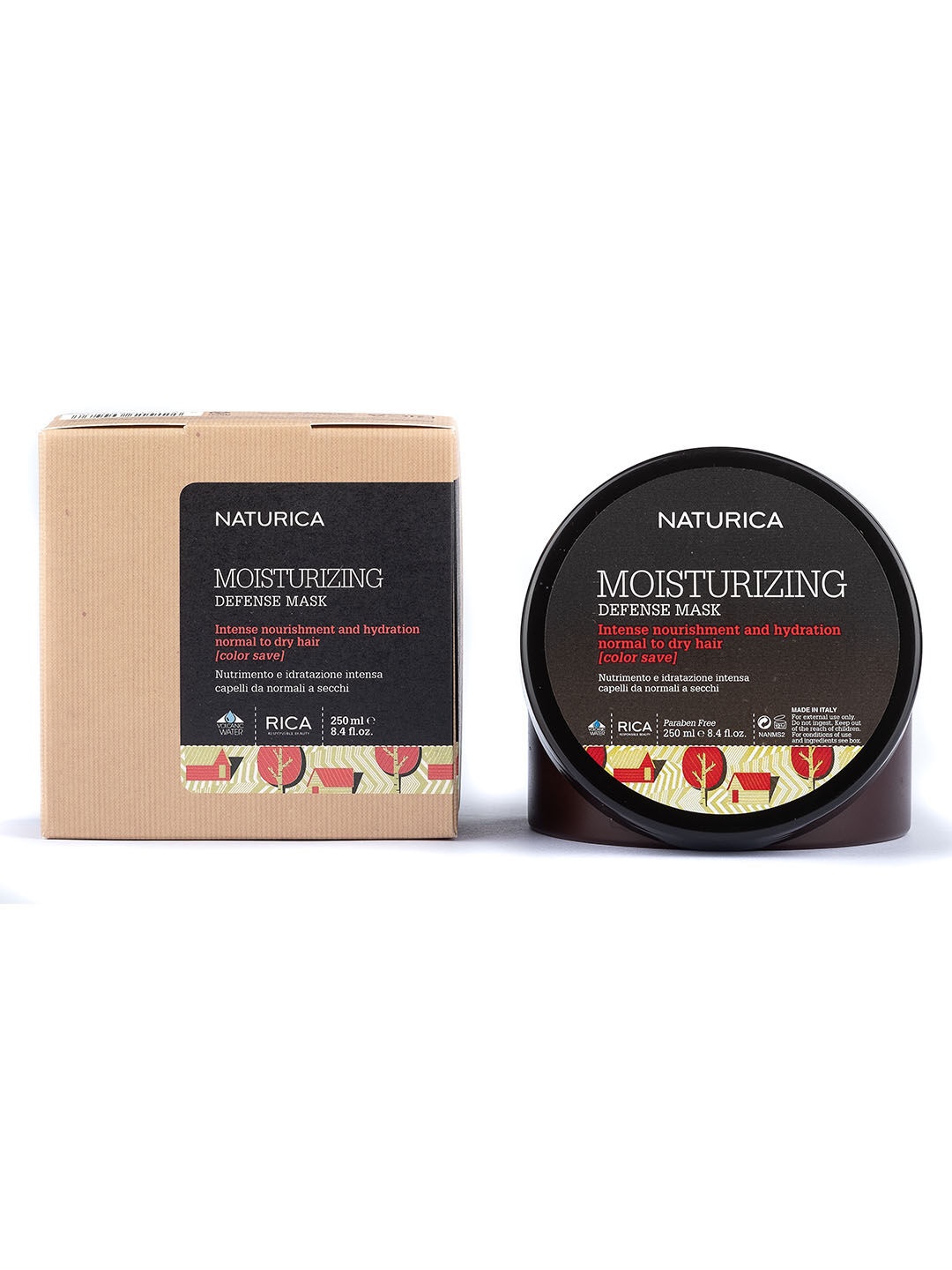
8. OGX Argan Oil Of Morocco Extra Strength Hydrate And Repair Hair Mask
Anti-frizz hair products help keep hair smooth and easy to manage throughout the day. Choose light serums, creams, and shampoos that add moisture without making hair heavy. Apply a small amount to damp hair and comb gently for even care. Check current offers on Amazon and pick products that fit your hair type for simple daily use.
Frequently Asked Questions (FAQs)
1. Can rainwater permanently damage hair?
Usually, no, rain on its own won't permanently damage hair. However, if you repeatedly experience the same conditions, such as polluted rain and high humidity, without providing proper aftercare, your hair can start to feel rougher and become more frizzy than before.
2. Should I wash my hair right after getting caught in the rain?
No, not every single time. If the rain was likely mixed with pollution, a gentle wash might help. Otherwise, just drying hair well, then adding a conditioner, can be enough; most people don't even need to shampoo immediately.
3. Why does my hair get frizzier during monsoon season?
Because humidity rises, and it lets extra moisture sneak in. That moisture causes the hair strands to swell unevenly, resulting in a puffy appearance and frizz, even if your hair was smooth earlier.
4. Which product helps control frizz the fastest?
Usually hair serums plus leave-in conditioners work well. They act quickly because they help smooth the hair cuticle right away, and they also give shine, so the frizz looks settled faster.
5. Can moisturised hair handle humidity better?
Yes, properly moisturised hair tends to react less strongly to weather changes than dry hair or hair that is already damaged. When hair is hydrated, it stays more stable.
(Disclaimer: This article may include references to or features of products and services made available through affiliate marketing campaigns. NDTV Convergence Limited (“NDTV”) strives to maintain editorial independence while participating in such campaigns. NDTV does not assume responsibility for the performance or claims of any featured products or services.)