How To Manage Hair Frizz In Winter Dryness And High Humidity
Frizzy hair changes with the weather. Learn how dry winters and humid heat affect hair texture and discover practical, season-smart ways to keep frizz under control all year round.

Know All About How To Manage Hair Frizz From Dry Winter Air To Hot, High Humidity Conditions.
Hair frizz rarely arrives uninvited. It shows up when winter air strips away moisture or when humid weather forces hair to swell and rebel. Many people assume frizz means damaged hair, yet weather plays an equally powerful role. A morning that begins with neatly styled hair can end with flyaways worthy of a science experiment, especially after stepping out into dry winds or sweaty heat.

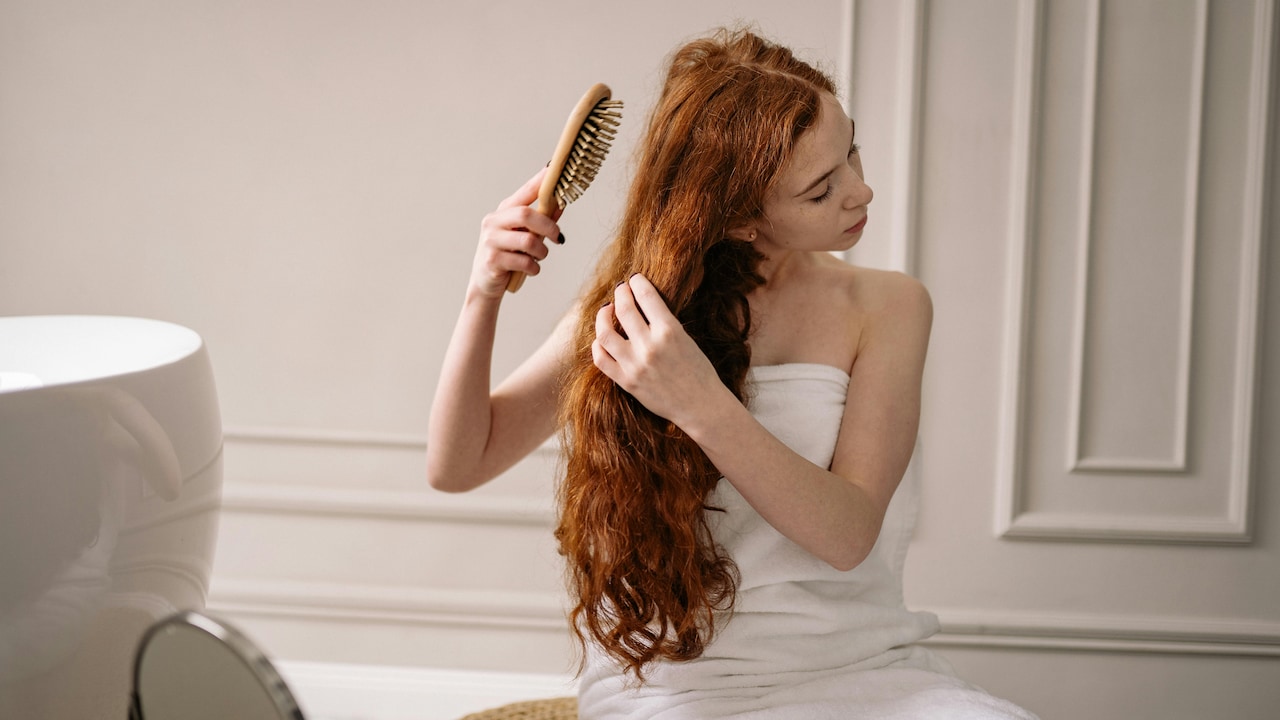
Try these 10 easy hacks to manage frizzy hair in winter at home; Photo Credit: Pexels
Climate changes across seasons demand different hair strategies. What works beautifully in December may completely fail in June. Understanding this shift makes hair care feel less frustrating and far more logical. Frizz management does not require expensive salon rituals or miracle products costing ₹3,000. It thrives on awareness, smart habits, and consistency.
This article explores how hair reacts to dry winter air and high humidity, while offering season-proof solutions that suit daily life. Expect practical tips, cultural familiarity, and a refreshing absence of unrealistic beauty promises. Frizz may never vanish forever, but it can certainly learn some manners.
Also Read: 7 Best Hair Styling Products For Frizz Control And Heat Protection From Schwarzkopf, Moxie To Dove
How To Manage Hair Frizz Through Every Seasonal Shift
1. Understanding Why Hair Frizzes Differently Across Seasons
Hair behaves like a sponge. In dry winter air, it loses moisture to the environment, turning brittle and rough. In humid conditions, it absorbs excess moisture, causing the hair shaft to swell and lose shape. Both situations trigger frizz, though the reasons differ.
Winter frizz often feels static-heavy. Woollen scarves, sweaters, and dry indoor heating worsen the issue. Hair strands repel each other, leading to flyaways that cling to the face like uninvited guests. On the other hand, humid frizz appears puffier. Curls lose definition, straight hair bends unpredictably, and carefully styled looks collapse within minutes.
Hair texture also plays a role. Curly and wavy hair tends to frizz more due to its uneven structure, which allows moisture to enter easily. Fine hair frizzes too, though it often looks limp rather than wild. Understanding this seasonal science removes guilt from bad hair days. Frizz does not signal neglect; it signals weather warfare.
2. Winter Woes: How Dry Air Strips Hair of Moisture
Cold air holds very little moisture. As temperatures drop, hair loses its natural hydration faster than expected. Indoor heaters worsen the problem by drying out the surrounding air even further. The result feels familiar: rough ends, dull appearance, and hair that refuses to lie flat.
Frequent hot showers during winter also contribute to frizz. Hot water opens the hair cuticle, allowing moisture to escape. Overwashing strips natural oils that protect hair from dryness. Add constant friction from shawls and caps, and hair enters survival mode.
Many people respond by using more shampoo or harsher products, hoping to fix the issue. Unfortunately, this approach backfires. Winter hair requires protection and nourishment, not aggression. Gentle care keeps strands supple and reduces the static chaos that often defines the colder months.
3. Smart Winter Hair Washing Habits That Reduce Frizz
Winter hair washing demands restraint. Washing hair two to three times a week usually suffices. This routine allows natural oils to coat the hair shaft, creating a protective barrier against dryness. Using lukewarm water instead of hot water helps seal the cuticle and retain moisture.
Shampoo choice matters. Sulphate-free formulas cleanse without stripping oils. Following up with a nourishing conditioner helps restore softness. Conditioning the mid-lengths and ends, rather than the scalp, prevents limp roots while tackling frizz where it actually lives.
Towel-drying hair aggressively invites frizz. A soft cotton T-shirt or microfibre towel absorbs water gently without roughing up the cuticle. Letting hair air-dry partially before styling also reduces damage. These small shifts feel simple yet deliver visible improvements throughout winter.
4. Winter Styling Mistakes That Invite Frizz Unannounced
Styling tools feel tempting during winter. Blow dryers, straighteners, and curling irons offer quick fixes for unruly hair. Unfortunately, heat styling without protection worsens dryness. Excessive heat evaporates moisture from within the hair shaft, leading to long-term frizz.
Skipping heat protectant products often causes more harm than expected. Even quick styling sessions require a protective layer. Another common mistake involves brushing dry hair repeatedly. Brushing spreads static and breaks fragile strands, increasing frizz.
Overloading hair with heavy styling creams also backfires. Thick products weigh hair down while leaving residue that attracts dust. Balanced styling works best. Minimal heat, protective products, and gentle handling create smoother results without sacrificing hair health during winter.
5. Transitioning From Winter to Summer Without Hair Shock
Seasonal transitions confuse hair. Products that worked beautifully in winter suddenly feel too heavy as temperatures rise. Hair begins to feel greasy at the roots yet frizzy at the ends. Adjusting care routines during this phase prevents unnecessary frustration.
Switching to lighter conditioners helps maintain moisture without weighing hair down. Clarifying shampoos used occasionally, remove product build-up accumulated over winter. Regular trims also help eliminate dry ends before humidity magnifies their appearance.
Covering hair when stepping out into strong sunlight reduces moisture loss. Simple habits, such as tying hair loosely or using a scarf during peak afternoon hours, protect strands from environmental stress. Transition periods reward patience and mindful adjustments.

Adjust your hair care routine depending on the season to get the best results; Photo Credit: Pexels
6. Humidity Explained: Why Hair Rebels in Hot, Sticky Weather
Humidity forces hair to absorb water from the air. When this moisture enters the hair shaft, it disrupts the hydrogen bonds responsible for hair shape. Straight hair bends, curls lose definition, and frizz takes centre stage.
Sweat compounds the issue. Salt from perspiration dries hair once it evaporates, leaving strands rough and tangled. Pollution sticks more easily to humid hair, adding dullness and weight. Outdoor travel, crowded transport, and long workdays amplify these effects.
Humidity-related frizz feels harder to control because it constantly resets. Styling hair perfectly at home means little once outdoor air takes over. Managing humid frizz requires prevention rather than correction. Smart product choices and protective habits make all the difference.
7. Washing and Conditioning Hair During High Humidity
Frequent washing during summer feels refreshing, yet overwashing triggers frizz. Washing hair every other day usually balances cleanliness and moisture. Using lightweight, hydrating shampoos prevents dryness without encouraging oiliness.
Conditioners remain essential, even when humidity feels overwhelming. Skipping conditioner leaves hair vulnerable to moisture absorption from the air. Lightweight, silicone-free conditioners help seal the cuticle while maintaining bounce.
Cold water rinses at the end of showers help close the cuticle, reducing frizz. Leave-in conditioners or anti-frizz serums applied sparingly to damp hair lock in moisture and create a protective shield against humidity. These habits keep hair manageable despite sticky weather.
8. Styling Strategies That Actually Work in Humid Conditions
Humidity demands realism. Expecting pin-straight hair to survive a monsoon afternoon sets up disappointment. Embracing natural texture often delivers better results. Soft waves, loose buns, and braids handle humidity gracefully.
Avoiding heavy gels prevents crunchiness once hair dries. Lightweight creams and serums tame flyaways without stiffness. Applying products to damp hair distributes them evenly and improves absorption.
Touching hair frequently invites frizz. Each adjustment transfers moisture and oil from hands to hair. Letting styles settle naturally reduces disruption. Choosing hairstyles that account for the weather saves time, effort, and emotional energy during humid months.
9. Everyday Habits That Influence Frizz More Than Expected
Frizz responds to lifestyle choices as much as hair products. Hydration plays a key role. Drinking enough water supports hair moisture from within. Diets rich in healthy fats, fruits, and vegetables improve hair texture over time.
Cotton pillowcases absorb moisture and increase friction overnight. Switching to silk or satin pillowcases reduces breakage and morning frizz. Tight hairstyles worn daily stress hair strands and cause uneven texture.
Stress also influences hair health. Busy routines, lack of sleep, and constant rushing reflect in hair behaviour. Slowing down hair care routines, even slightly, encourages healthier outcomes. Frizz often signals the need for gentler habits rather than stronger products.
10. Budget-Friendly Frizz Management That Makes Sense
Effective hair care does not require luxury spending. Simple oils like coconut or almond oil, used sparingly, nourish hair deeply. Weekly oil massages improve circulation and moisture retention without breaking the bank.
Homemade hair masks using curd, aloe vera, or banana offer hydration and softness. These ingredients suit humid climates and provide visible results over time. Investing ₹300–₹500 in a reliable anti-frizz serum often proves more effective than chasing expensive trends.
Consistency matters more than product count. A small, well-chosen routine outperforms cluttered shelves. Frizz management thrives on simplicity, patience, and understanding hair's changing needs across seasons.
Products Related To This Article
1. L'Oréal Professionnel Liss Unlimited Primrose Oil
2. Minimalist Frizz Control Complex SPF 30 Hair Serum
3. L'Oréal Paris Extraordinary Oil Hair Serum with Floral Oils For Dry & Frizzy Hair
4. Mamaearth Onion Hair Serum For Silky & Smooth Hair
5. Pilgrim Argan Oil Hair Serum | with White Lotus & Camellia
6. DOVE Radiant Shine + UV Protect Hair Serum For Dry & Frizzy Hair
7. Be Bodywise Hair Strengthening Serum with Argan Oil & Olive Oil
Frizz does not indicate failure. It reflects hair responding honestly to its environment. Dry winter air and high humidity challenge hair in different ways, yet both situations respond well to mindful care. Adjusting routines seasonally, choosing gentle products, and embracing realistic styling expectations transform the experience.
Perfect hair rarely exists outside advertisements. Healthy, manageable hair remains achievable with awareness and consistency. Frizz may never disappear completely, but it can become far less dramatic. With the right approach, every season becomes easier to navigate, one calm strand at a time.
(Disclaimer: This article may include references to or features of products and services made available through affiliate marketing campaigns. NDTV Convergence Limited (“NDTV”) strives to maintain editorial independence while participating in such campaigns. NDTV does not assume responsibility for the performance or claims of any featured products or services.)